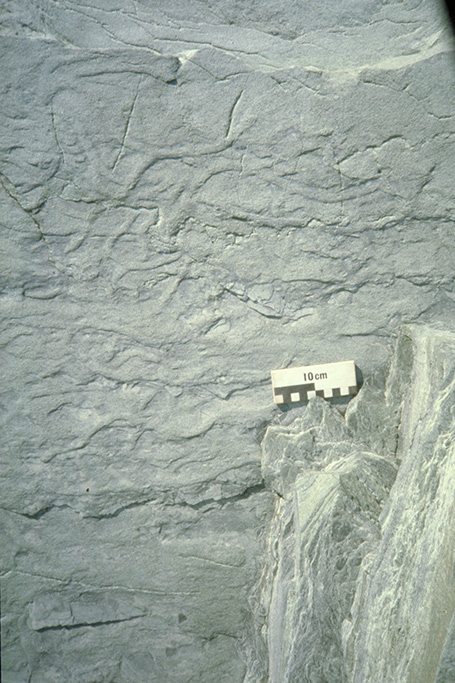
Bed-parallel trails (Paleophycus?) from base of sandstone bed in Cambrian Goldenville Formation, Liscombe Island, Nova Scotia
Introductory blurb
Images copyright © 1998-2016, John W.F. Waldron, except where otherwise stated
Bed-parallel trails (Paleophycus?) from base of sandstone bed in Cambrian Goldenville Formation, Liscombe Island, Nova Scotia
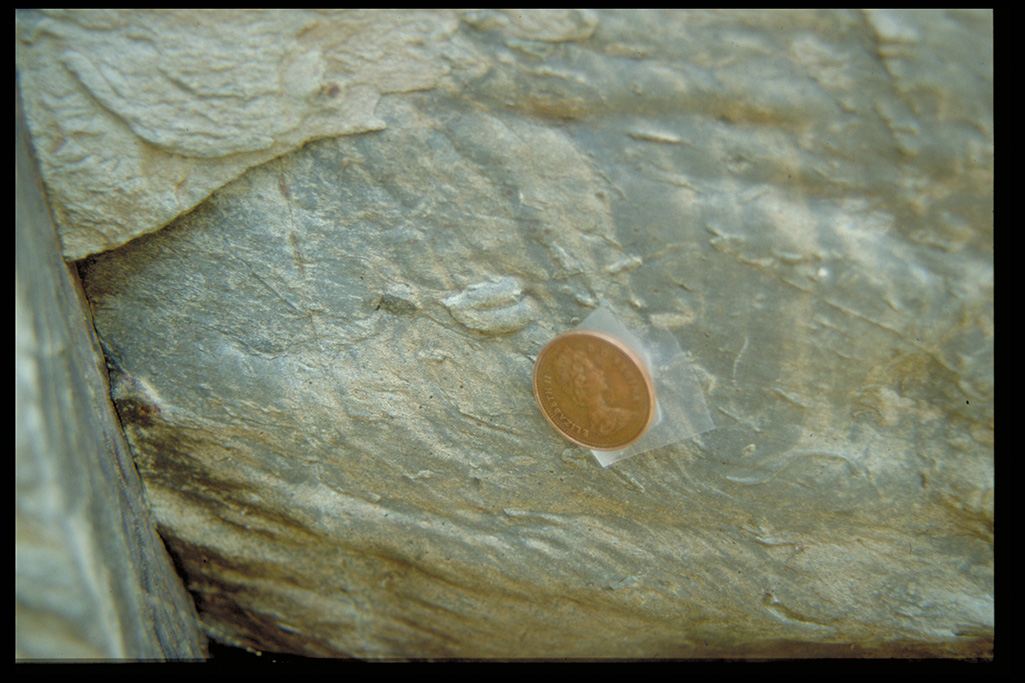
Rusophycus: Resting trace of trilobite. Base of sandstone bed, Cambrian Goldenville Formation, Tancook Island, Nova Scotia.
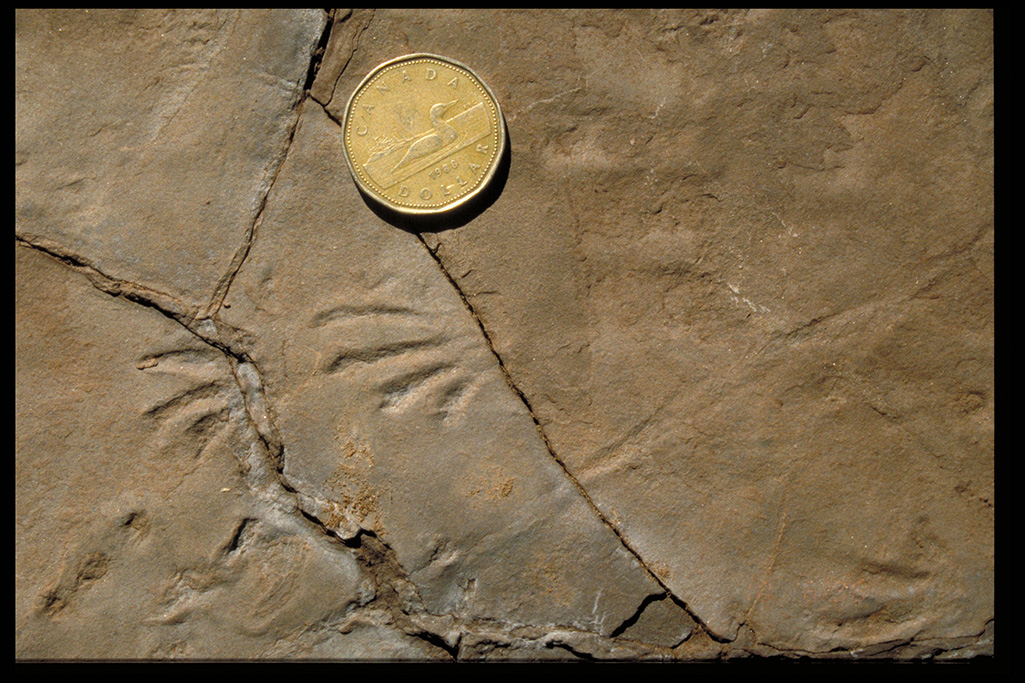
Quadruped footprints, Brule, NS
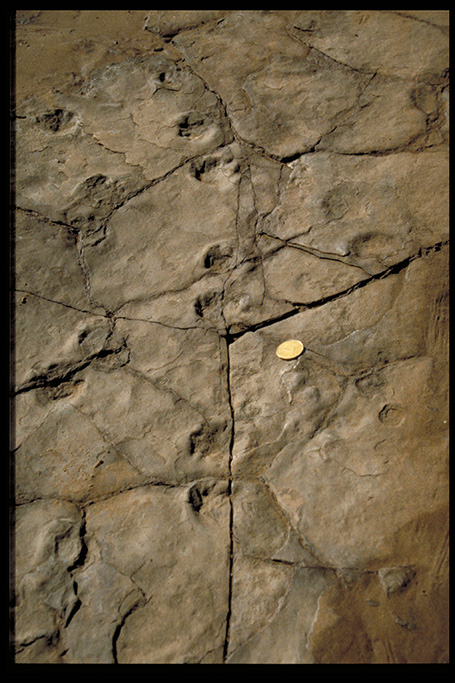
Quadruped footprints, Brule, NS
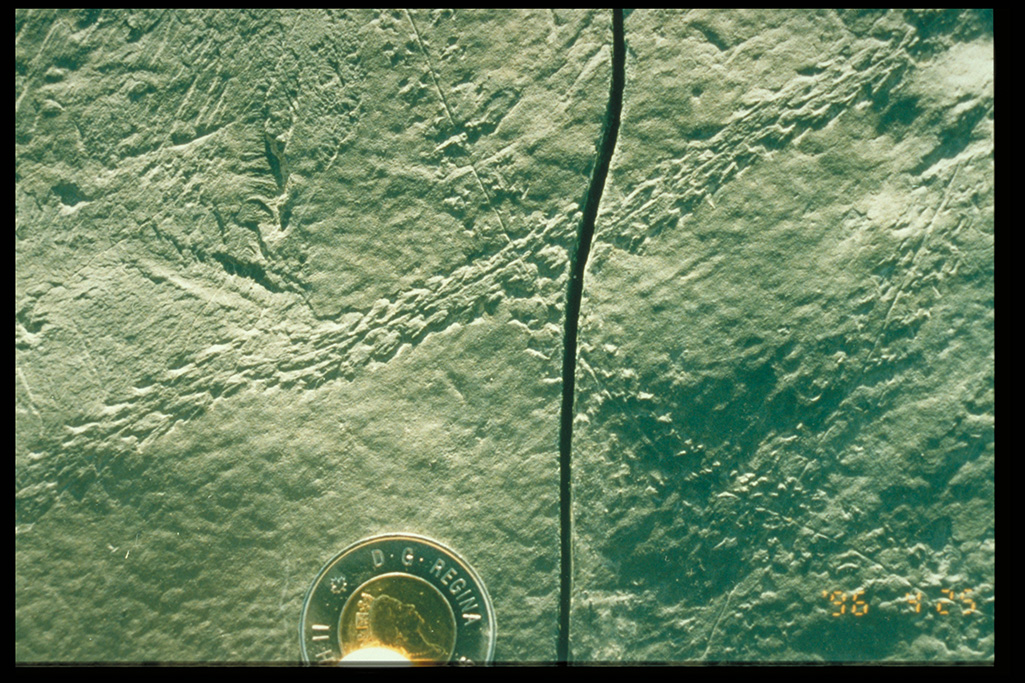
Trackway (Diplichnites?) of arthropod: probable horseshoe crab, Thorburn Nova Scotia
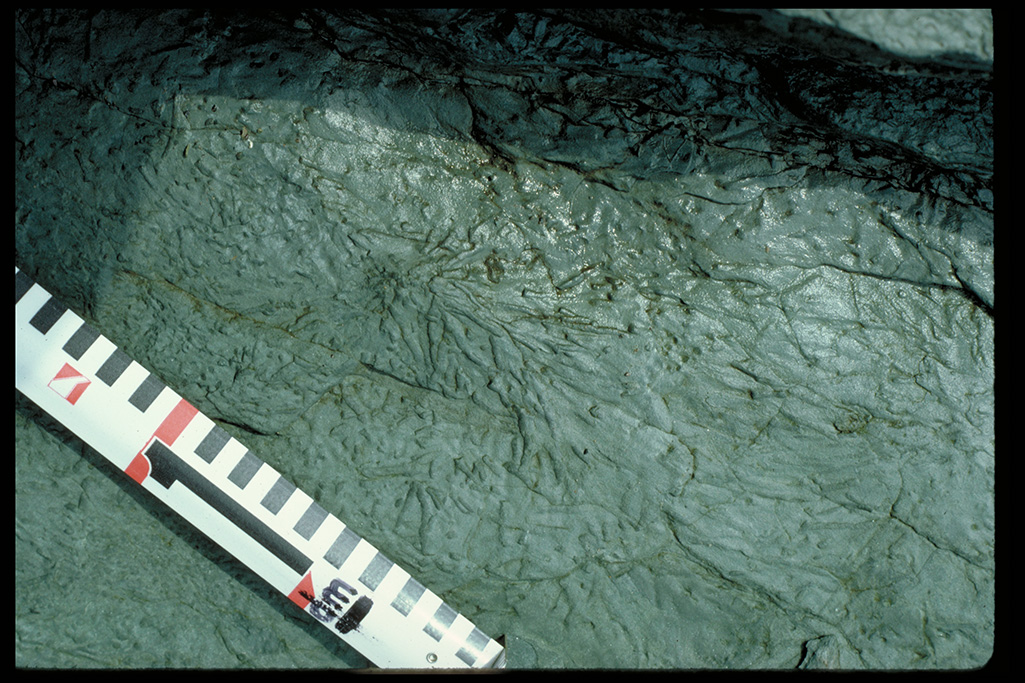
Branching Chondrites burrow system, Silurian Arisaig Group, Moydart Point, Nova Scotia
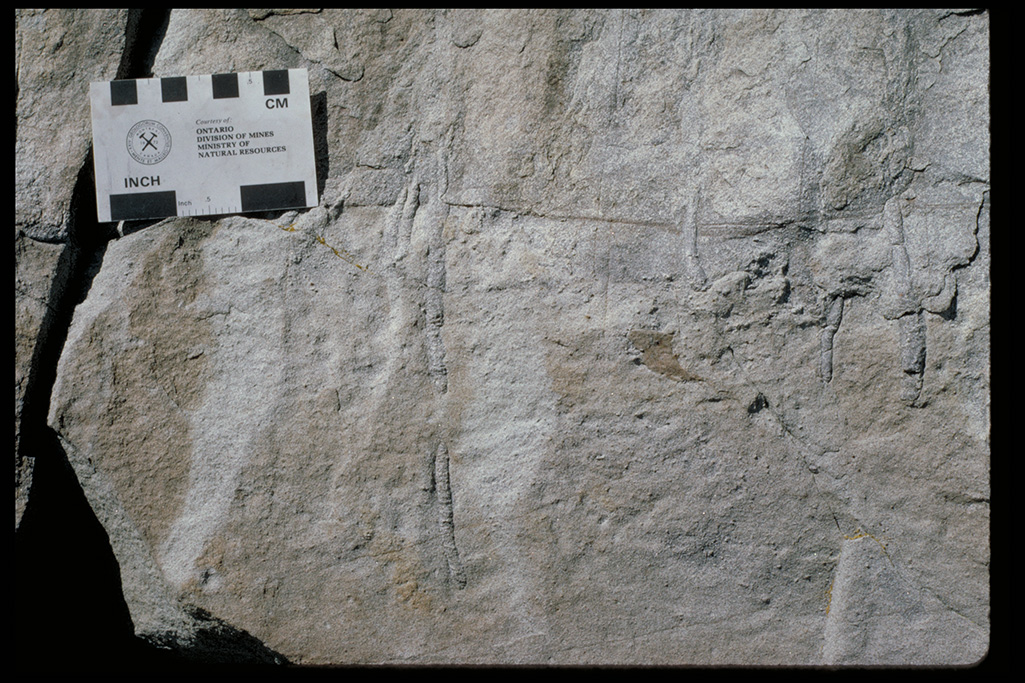
Vertical Skolithos burrows, Goldenville Formation, Nova Scotia
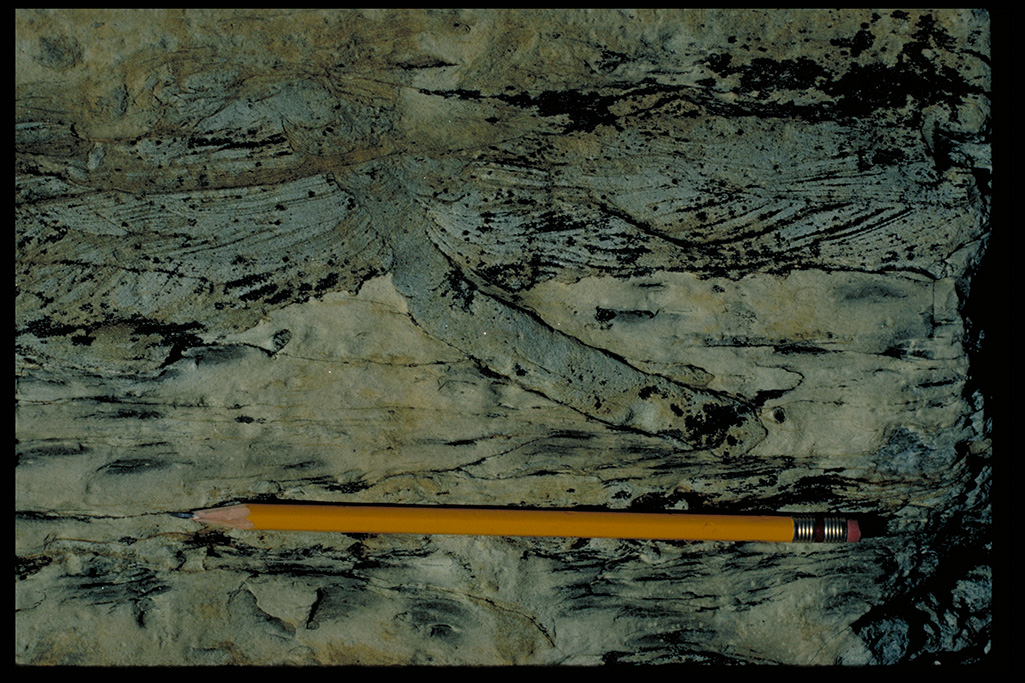
Teichichnus spreite in cross-section, Tancook Island, Nova Scotia
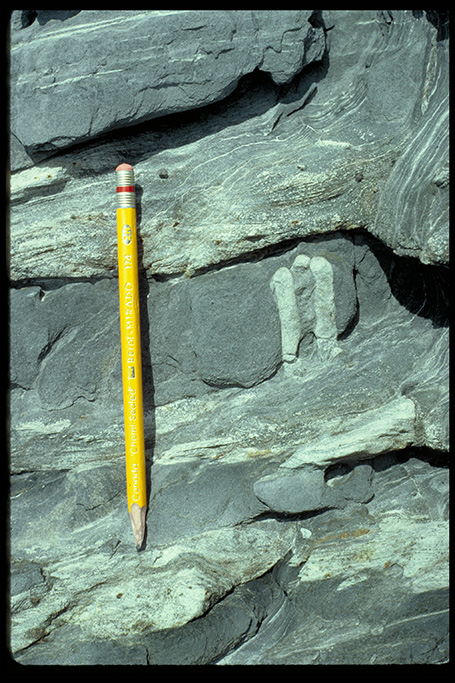
U-shaped burrow (Diplocraterion or similar), Halifax Formation, Blue Rocks, Nova Scotia