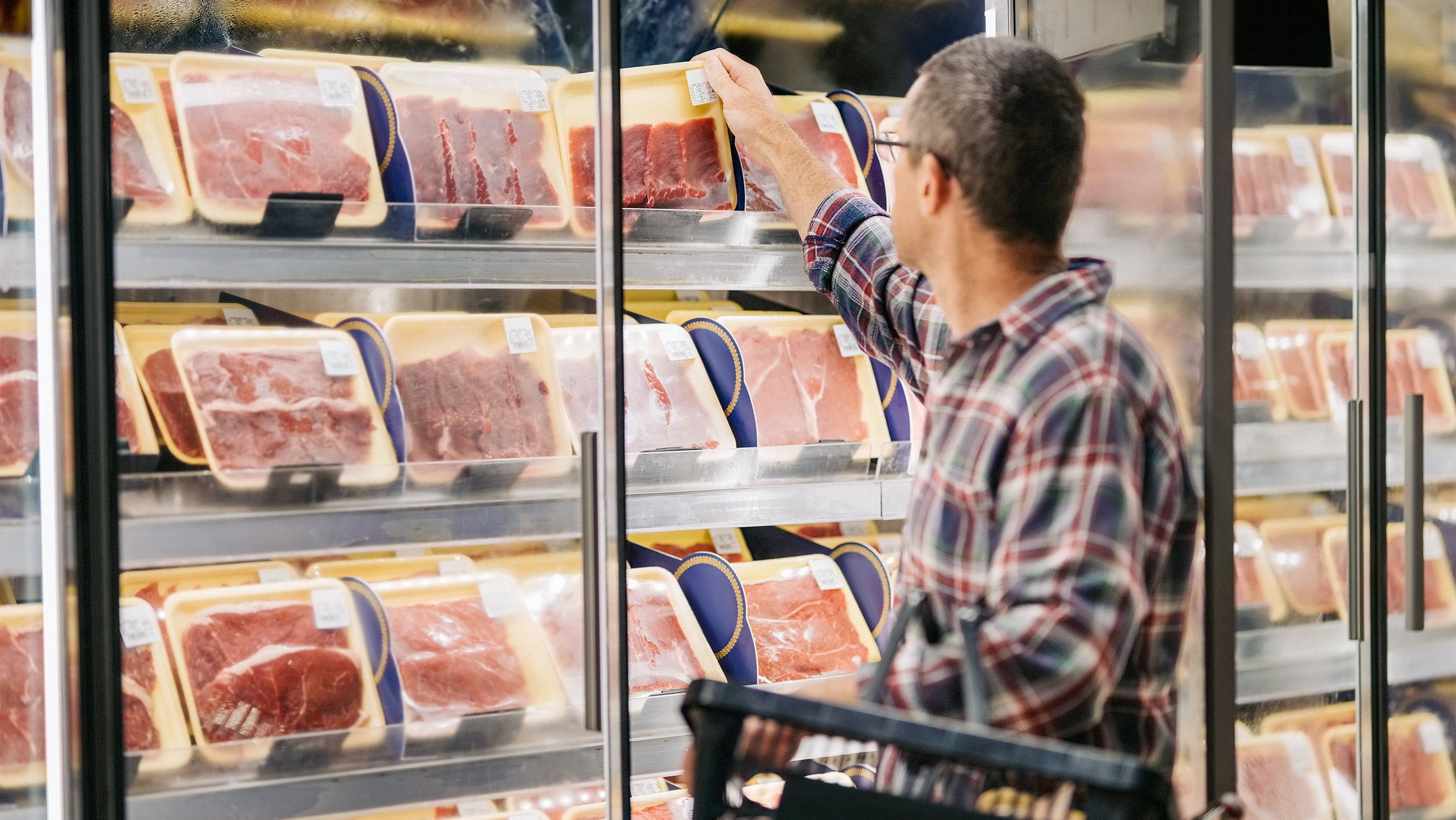
You may soon find cloned meat on grocery store shelves without any label informing you what it is.
Health Canada revealed in consultation documents last November that they plan to remove cloned cattle and swine products from their “novel foods” category, which would have required a pre-market safety review and public disclosure.
The health agency says there is no need for such measures because the science shows cloned meat — usually derived from the offspring of cloned animals — is “as safe and nutritious as foods from traditionally bred animals.”
The attempt to make the policy change without a press release or public statement sparked enough backlash in December that Health Canada paused the policy update, at least for now. But some industry observers say that, even if backed by sound science, the move betrays a lack of transparency.
“The existing science may show this meat is exactly the same as conventional meat, but it’s not just about what the science says or doesn’t say,” says Faculty of Law professor Angela Lee, an expert on the intersection between technology, food and law.
“If this isn’t something citizens are on board with, then this isn’t something we can just continue to push through.”
Lee wrote her PhD dissertation on in vitro or lab-grown meat and contributed a chapter on it and genetically modified animals to a book that she also co-edited, Food Law and Policy in Canada. She points out that while the science may not yet point to any danger associated with cloned meat, it also “doesn't necessarily say it’s something we can trust as being completely safe.”
“There haven’t been long-term studies as to its health or biodiversity effects — the broader environmental, human health and social consequences of introducing these kinds of technological changes into the food system.”
And though cloned meat might be more efficient and cheaper to produce, it doesn’t offer any benefit or advantage to the consumer. It doesn’t taste or smell better, or have a better texture, and it doesn’t come at a lower price.
“It’s one thing to say we can do something from a technological perspective, that this is going to optimize the operations of some farmers or ranchers. But it’s quite another to ask if it’s something we should be doing, and whether there are other values and goals we want to cultivate in the food system beyond optimization alone,” says Lee.
The government contends that cloned-meat companies are free to voluntarily disclose the origin of their products, notes Lee, but companies rarely choose an option that will only make consumers skeptical.
“That mechanism has been in place for genetically modified foods for a really long time now, and to my knowledge there isn’t a single company that’s done more than the bare minimum required to voluntarily disclose.”
"That lack of transparency affects public trust in the industry,” Lee points out. According to a 2025 Canadian Centre for Food Integrity survey, only 45 per cent of Canadians believe the food industry is heading in the right direction, with fewer than half trusting the transparency of government regulators. Part of that distrust was rooted in the government’s similarly quiet introduction of genetically modified organism (GMO) foods two decades ago.
Adding cloned meats to the food system without full disclosure, along with the trust that follows, will only make things worse, says Lee, highlighting the challenges in regulating food technology in general.
“Do I need to worry about this? What are the implications? How soon is this happening? There are just a lot of questions, and it’s not easy to find clear answers.
“When we’re talking about food, which is so crucial to every person, it’s crucial that these conversations involve members of the public.”