Society and Culture, Health And Wellness, Research
When cancer comes to stay
Study and art exhibit illuminate experiences of people who “survive” for years with chronic cancer thanks to new targeted oral therapies.
May 06, 2026 By Gillian Rutherford
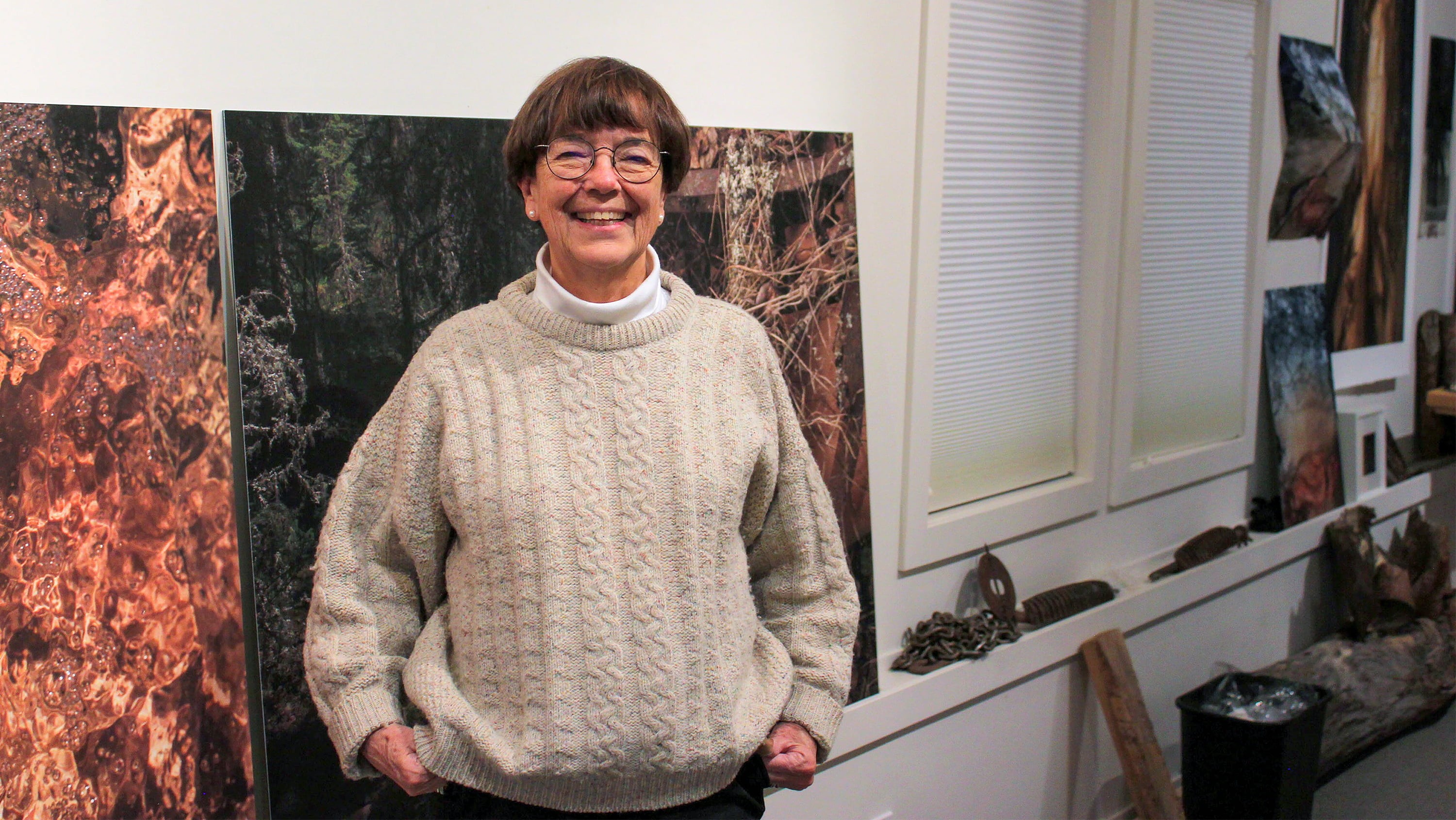
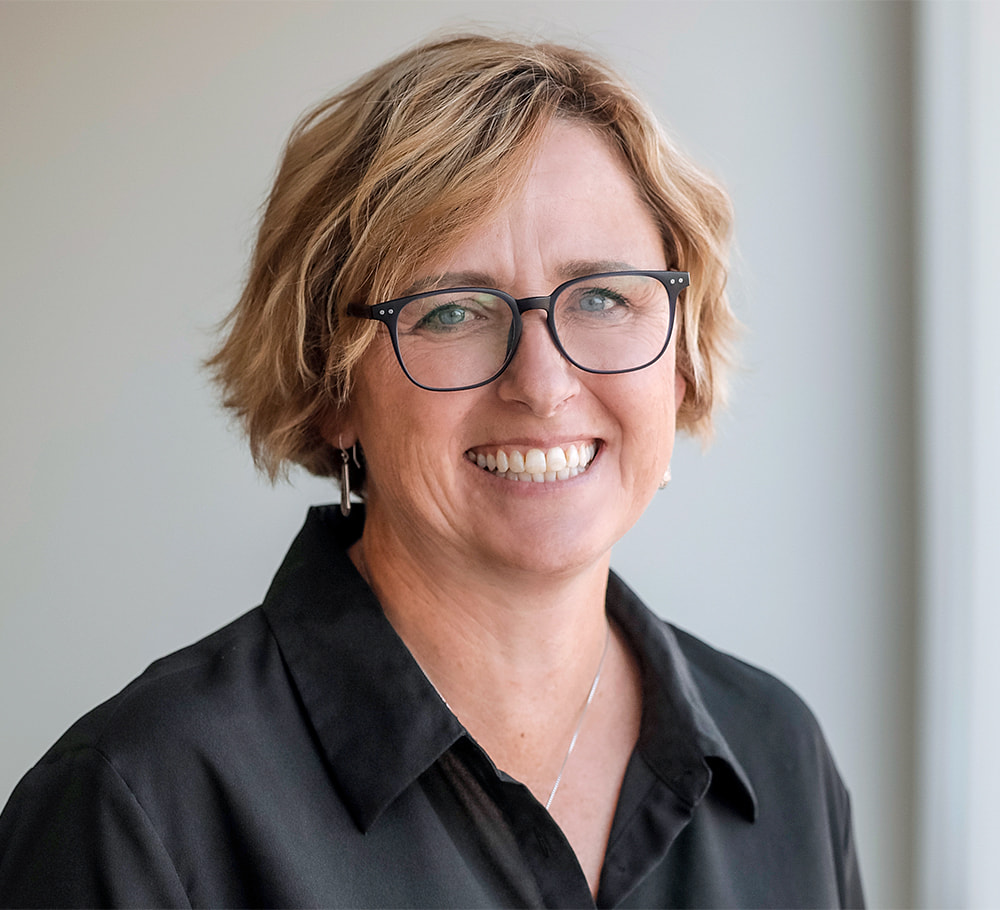
Printmaker and patient: Liz Ingram is a participant in the LONGEVITI study and art exhibit looking at the experiences of people living with cancer as a chronic disease. (Photo: Sam Schembri)
In 2014, Liz Ingram was told she had just 18 months to live.
Yet she’s still here almost 12 years later, making art and going to yoga and laughing with friends as often as she can.
It’s been a rollercoaster ride of surgeries and treatments that started with a diagnosis of Stage 4 lung cancer, which then metastasized to her brain.
“It was totally scary,” Ingram remembers of the diagnosis. “It was a complete shock. The first thing I said to my husband was goodbye.”
Since then, Ingram has joined a new breed of cancer “survivors” — people who take targeted oral treatments that don’t provide a cure but can drastically slow or even stop tumour growth.
“People are living with advanced cancer for not just weeks or months but years, and they are living full lives,” Pituskin says. “It’s a new patient population that we really don’t know much about.”
“People are living with advanced cancer for not just weeks or months but years, and they are living full lives. It’s a new patient population that we really don’t know much about.
Edith Pituskin
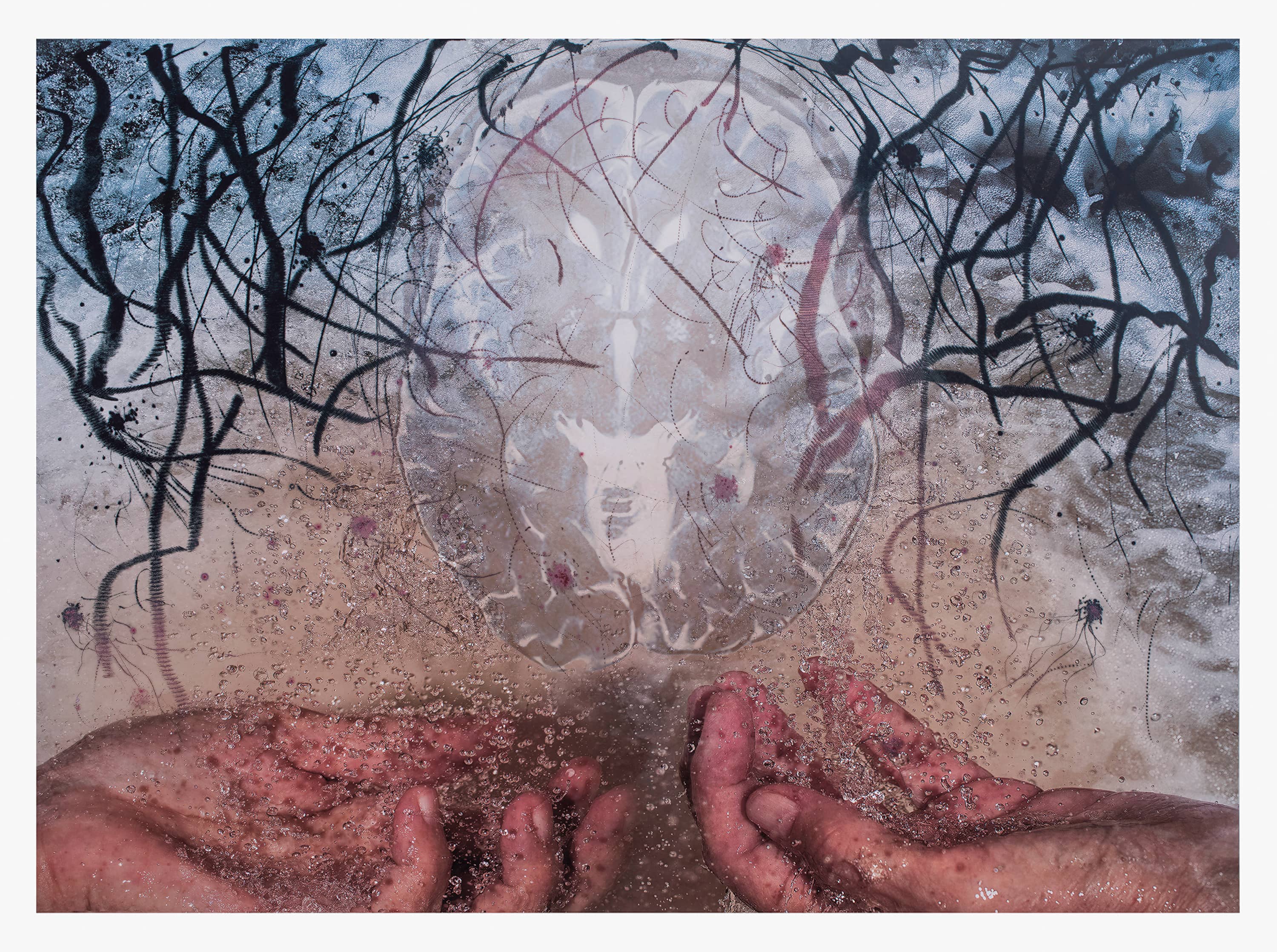
The contribution from Ingram is a collage that combines an MRI image of three metastatic tumours in her brain with a photograph of her hands catching water. The piece depicts her experience of both caring and alien infiltration, she says.
“Making art and doing creative things really helped me through all my treatments,” says Ingram. “You lose yourself in the process, and that helps with handling the stress.”
Liz Ingram's artwork, "Cerebral Touch - Magnetic Resonance 1," combines an MRI scan of her brain tumours with a photograph of her hands catching water. (Photo: Sam Schembri)
Mundane and phenomenal
The overused metaphor of cancer as a “battle” doesn’t capture chronic cancer accurately, says co-investigator Holly Symonds-Brown, an assistant nursing professor at the U of A. That’s partly because of the pressure it places on individuals to “win” or “lose” the battle. But it’s also impossible to carry on a pitched battle forever.
“When you take an oral chemotherapy pill, you don’t have the rituals of going to the Cross Cancer Institute IV infusion clinic, with all the nurses there to check in on you,” she says. “It’s a different experience that can be almost mundane in some ways, yet also phenomenal in its effect of giving patients more time.”
As part of the study, eight participants were interviewed about living long-term with advanced cancer and were guided by artist Sam Schembri to create a piece to depict their experience.
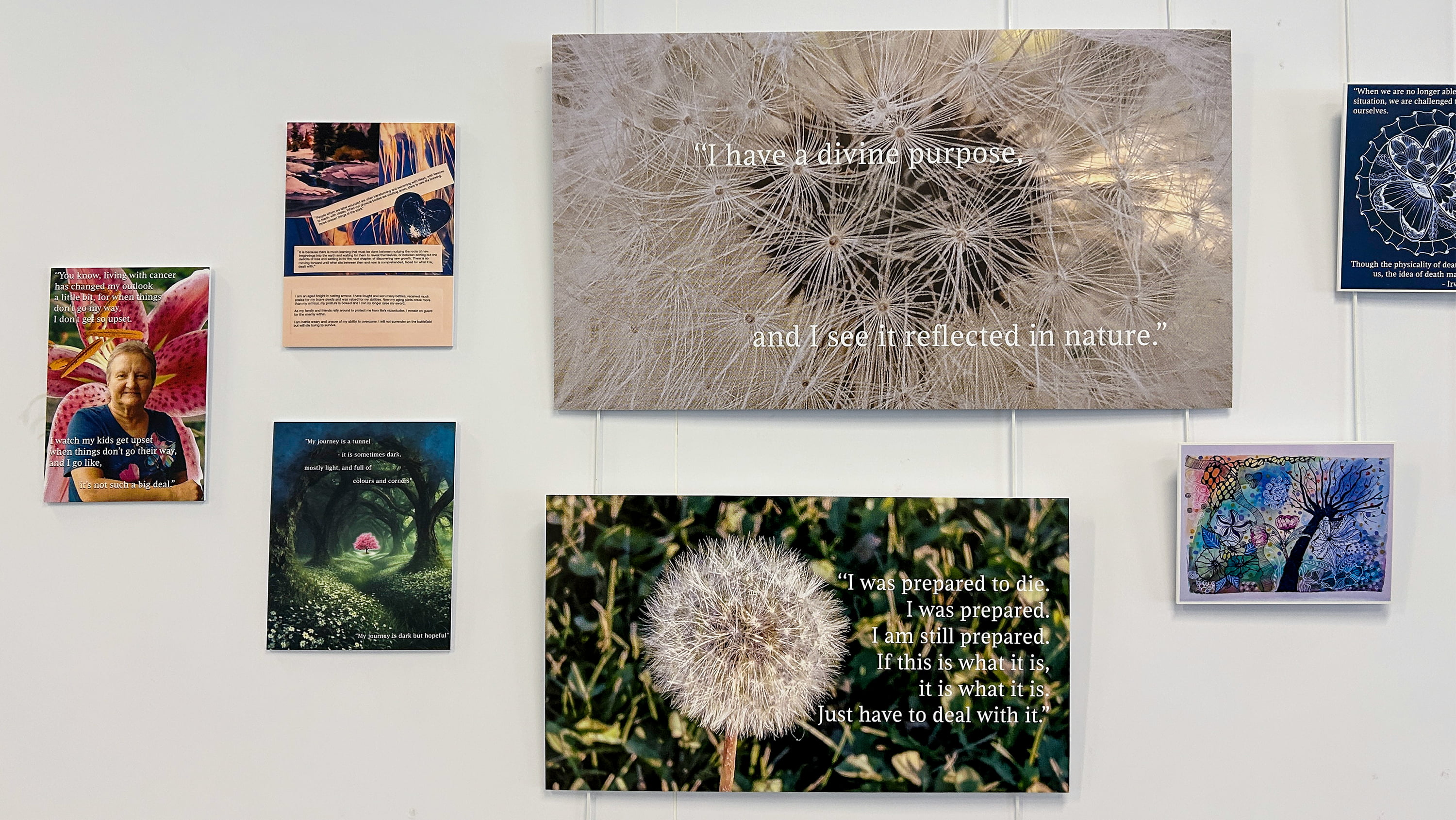
The LONGEVITI art exhibition showcases pieces by study participants who shared their experiences living long-term with advanced cancer. (Photo: Sam Schembri)
One participant’s art shows a dark forest with a tree in full bloom in the distance. “My journey is a tunnel,” it says. “It’s sometimes dark, mostly light, and full of colours and corners.”
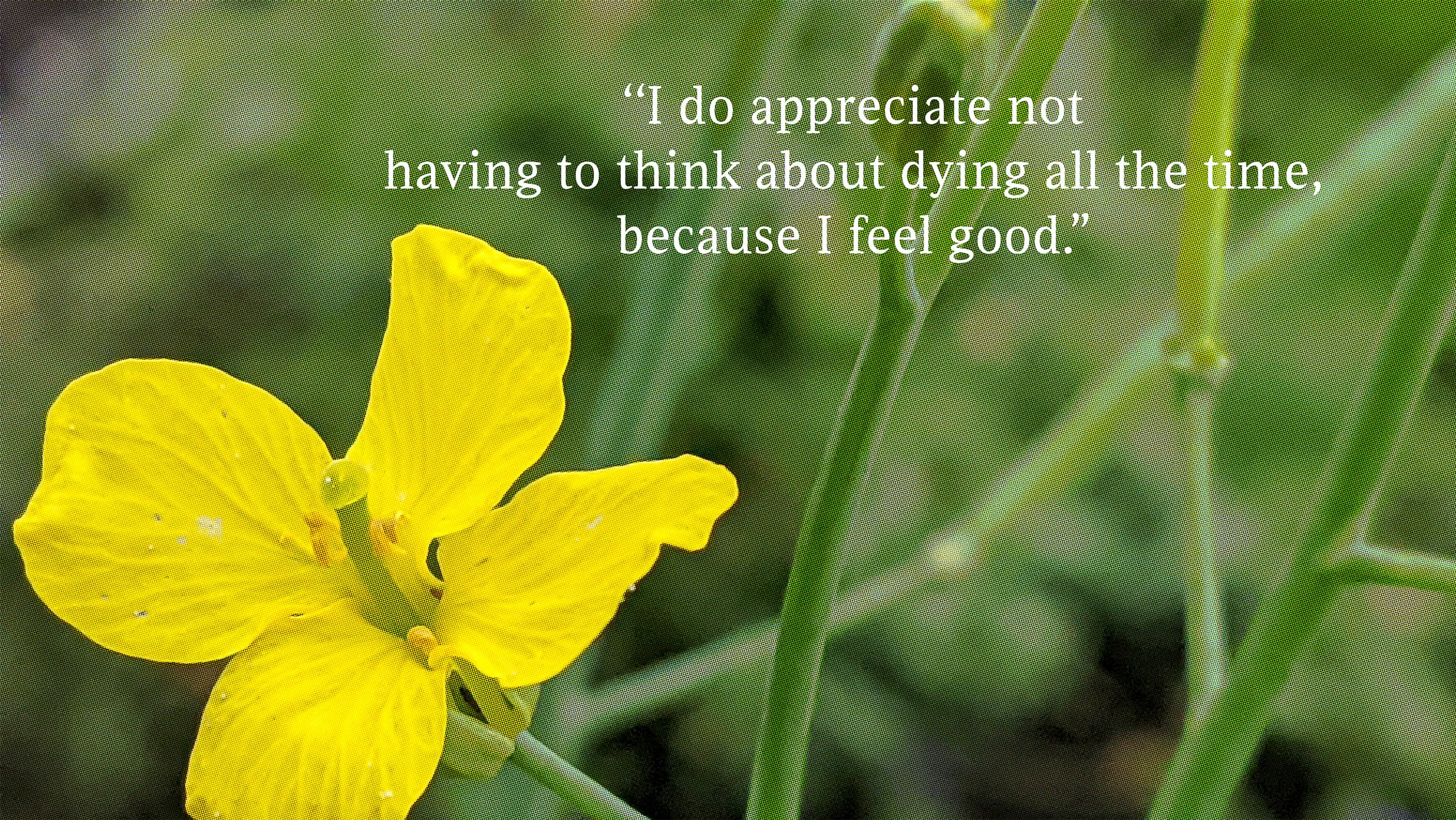
Another participant writes, “I do appreciate not having to think about dying all the time” on a photograph of a bright yellow iris.
One patient expressed their gratitude for long-term treatments that allow them to live for years with advanced cancer. (Photo: Sam Schembri)
The new targeted cancer treatments are available for a wide variety of solid tumours and blood cancers, including prostate, lung, gastrointestinal, melanoma, breast and leukemias. Taken in pill form once or twice a day, they attack the cellular growth mechanisms of the tumours, so they don’t necessarily have toxic effects throughout the body. This means that while they may have side-effects such as diarrhea, irregular heart rhythm or high blood pressure, they don’t make patients feel or look as sick as with traditional chemotherapy.
“One of the participants said to me, ‘Nobody believes I have metastatic cancer because I look too good,’” notes Pituskin, who has worked with cancer patients for 41 years. “The fact is, for many chronic cancer patients, you may not die of your cancer; you’re going to die with it.”
The threat of death from chronic cancer may not be as imminent as it is with acute cancer, but it is still present for patients, the researchers found. Some patients feel a responsibility to “create hope for others,” so they may not reveal their innermost fears, says Symonds-Brown. One patient described it as a haunting feeling: “I’m hiding under the table and I can see the feet of the wolf standing over the table.”
(Photo: Supplied)
“
“[Taking oral chemotherapy] is a different experience that can be almost mundane in some ways, yet also phenomenal in its effect of giving patients more time.
Holly Symonds-Brown
Healthy living with chronic disease
Both Pituskin and Symonds-Brown are hoping to build understanding among the public and other health-care providers for the needs of chronic cancer patients.
“If this is a chronic disease, then chronic disease management is something we should be doing,” Pituskin says. “That means asking, ‘How are you for physical activity, nutrition, stress reduction, all of those things we believe are part of healthy living with a chronic disease?’”
Liz Ingram gets CT body scans and MRI brain scans every three months and has had no sign of new tumours since 2022. The medication gives her acne, diarrhea and brittle fingernails, but those symptoms have lessened over the years as her body has adjusted.
She retired a couple of years after her lung cancer diagnosis. Now 77, she focuses on staying well through diet, yoga, meditation, spending time in nature and with friends, and of course, making art.
“I just go in for my scans and forget about it until the results come,” she says. “Over time, you become more used to the situation and just live your life.”
She doesn’t consider it a battle, but rather her life journey.
“I am not as afraid of dying as I used to be,” Ingram says. “Maybe it’s getting older. But I also think that it’s through the process of dealing with cancer that I’ve become much more philosophical and comfortable with the idea of saying goodbye.”