When was the last time your doctor or pharmacist suggested that you consider stopping a medication?
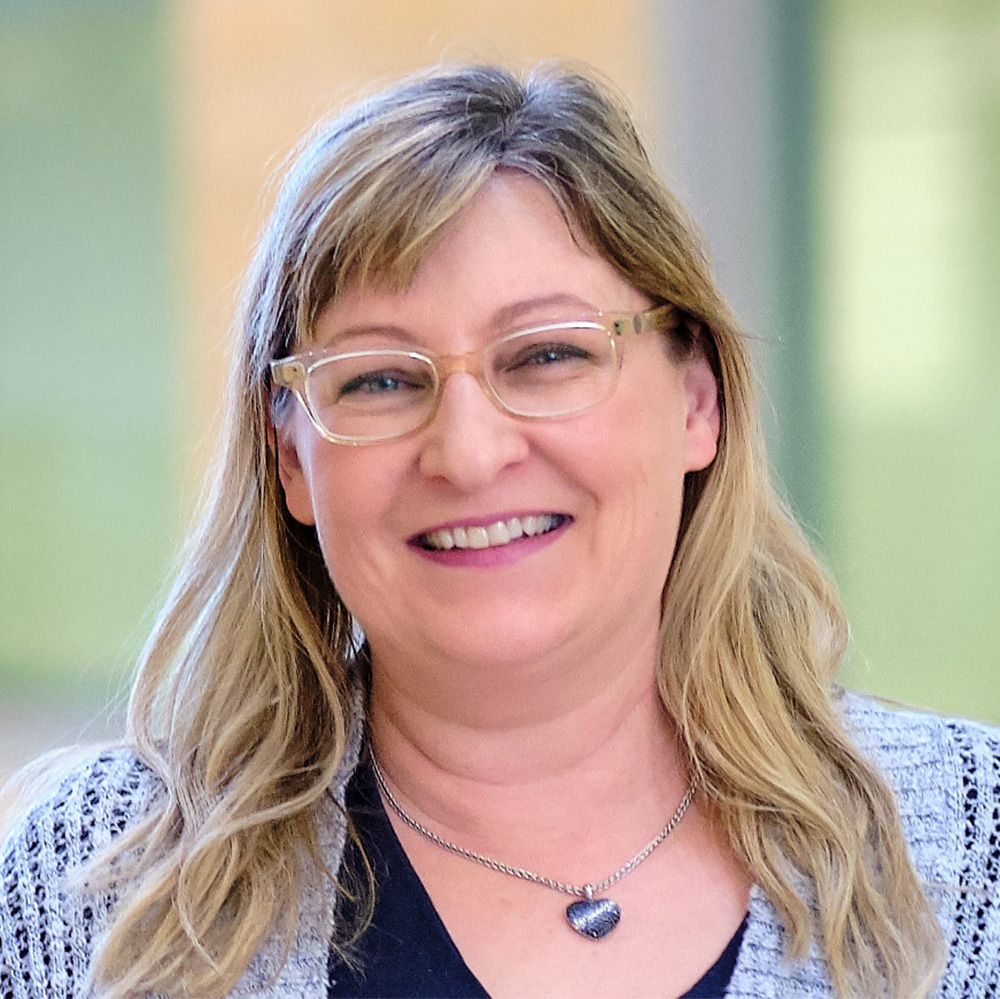
It doesn’t happen often enough, according to University of Alberta pharmacy researcher Dr. Cheryl Sadowski.
She’s a leading Canadian advocate for deprescribing, a growing practice that involves regular review of the medications you’re taking, and careful tapering of those deemed redundant or no longer beneficial.
Research by Sadowski and others shows that up to one in four older adults in Canada were taking 10 or more different classes of medication in 2021, even though it’s known that this type of “polypharmacy” increases your risk of harmful drug interactions by eight times compared with taking two prescribed medications.
“We know that as we age, drug effects and drug tolerance can change, yet we’re very slow to take people off medications. That’s what we call clinical inertia,” Sadowski says. “Then when people have safety issues like falling or confusion, they blame it on aging, but it’s really the medication.
“We can do a better job of helping people age safely by only using medicines when there’s really no other option.”
And it’s not only seniors who should be concerned. It can happen to children and adults too, particularly those with chronic conditions.
In honour of World Pharmacists Day Sept. 25, Folio asked Sadowski what we all need to know before approaching our health-care teams with our own list of medications.
Aging doesn’t have to mean more pills
The term “deprescribing” was coined in 2003, and the research has been gaining momentum ever since, Sadowski says.
Successful deprescribing is when the total number of medications you take is reduced, your doses are lowered or your prescriptions are substituted for medications with fewer risks.
“It’s a really critical reassessment,” says Sadowski, a professor in the Faculty of Pharmacy and Pharmaceutical Sciences who also works weekly in a geriatric clinic.
“Patients just kind of accept that being on a lot of pills is part of aging, but it doesn’t have to be,” she notes. “In our clinic we take two hours to look at the patient’s goals, their health considerations and all their medications.”
Sadowski has been working with the Canadian Medication Appropriateness and Deprescribing Network since it was started in 2015, a resource for health-care providers and patients. She recommends patients visit the site to learn more about their medications and potential interactions. Other places to look include the Institute for Safe Medication Practices Canada,Deprescribing.org, the Canadian Medication Appropriateness and Deprescribing Network, and Choosing Wisely Canada.
The top three culprits
Sadowski flags three classes of medications as the most likely to be overprescribed or cause harmful side-effects: sleeping pills, heartburn medications and pain prescriptions.
Sleep medicines are among the top 10 medications given to seniors. They fall into a class of medicines known as “psychotropics” that affect the brain, and have been linked to harms including confusion, a higher risk of dementia and an increase in falls. Sadowski notes that Health Canada recommends these medicines as only a short-term, two-week intervention, yet many people keep taking them for years.
“We have over 200 studies related to harm with sleeping pills in older adults,” Sadowski notes. “Within days of starting a sleep medicine, you’re more likely to fall — and that risk continues as long as you take it.”
Heartburn medications, or “proton pump inhibitors,” suppress stomach acid. This can solve heartburn symptoms in the short term but can be harmful over a longer time, Sadowski says. We need stomach acid to help digest our food and absorb nutrients, as well as to kill off bacteria in our food.
“Long-term use can affect your bones because you’re not able to absorb enough calcium, and it also increases your risk of pneumonia,” she says. “People think of these medicines as benign — ‘We’ll just suppress the acid for a bit’ — but then this is a medicine that’s never revisited.”
Similarly, opioids and seizure medications like gabapentin should be revisited for long-term neuropathic pain, Sadowski warns.
“These medicines cross into the brain and have a lot of side-effects there, such as sedation and confusion. They are commonly used, even though there’s not always a lot of benefit.”
Sadowski notes that non-prescription substances can have similar side-effects, and they may also interact with your medications. For example, taking a sleeping pill along with an over-the-counter antihistamine, Tylenol PM or alcohol can lead to extreme sedation and injury.
“People might be getting these kinds of medications without even realizing what they’re taking, so yes, even non-prescription products should be reassessed.”
How to ask for a review of your meds
Sadowski says you can ask for a medication review with your pharmacist, family doctor, nurse practitioner, specialist, dentist or even your long-term care team — anyone with a prescribing role.
Whether you’ve just been given a new prescription or have been on medications for years, she recommends asking these five questions:
- Why am I taking this medication?
- What are the potential benefits and harms of this medication?
- Can it affect my memory or cause me to fall?
- Can I stop or reduce the dose of this medication at some point?
- Who do I follow up with and when?
Revisit any new medication within six months, Sadowski advises.
“So often we start something and it works, and then it gets renewed year after year, instead of saying, ‘OK, we’re going to try this, let’s see how things are in a month or in six months,’” she says.
Consider bringing along a family member who knows you well to your appointment, especially if they ever act as your caregiver. They may have noticed medication side-effects like sleepiness or confusion that you may have missed. They can provide information about your health and advocate for you.
“Any time you’re seeing your doctor, even if you’re not having side-effects you’re aware of, ask if there are any medicines you could try to discontinue, just to keep that as part of the conversation,” Sadowski says.
Consent and good communication are key
Sadowski points out that people shouldn’t try to deprescribe themselves. Deprescribing can only be successful when both the patient and the health-care professional are in agreement.
It requires clear communication about which medications are working for you and which ones may be doing more harm than good, as well as what the potential consequences of not taking them might be.
Together, you should build a discontinuation plan with a clear timeline for reducing your dose and reassessing. Research shows that most medications are best designed for slowly tapering over weeks or months, rather than going cold turkey. You may need to keep a sleep diary or food diary along with a record of your symptoms as you reduce your medicines. If your original symptoms reappear, you may need to try non-medicinal lifestyle changes such as practising better sleep hygiene or changing your diet.
“It’s part of a shared decision-making process, and then it’s monitored,” Sadowski explains. “It’s a very intentional reduction of medication, but if we need to add something back, we’ll do that.”
In a recent study, Sadowski and her team examined 31 cases that wound up in the court system, where patients or their families complained about the deprescribing practices of their family doctor. Although they found that a few cases were related to unexpected withdrawal effects from a too-sudden change in medication, most came down to a lack of communication between provider and patient.
“If someone doesn’t feel like they’re part of the decision or they’re not given enough information, then there’s no trust or they feel like they’re talked down to or abandoned,” she says. “You really need to have a good relationship and be transparent about how this is going to unfold.”
Sadowski says that in her experience working for more than a decade to encourage deprescribing, it works more than 80 per cent of the time.
“If you’re going to stop a medicine and that’s intentional, there’s a plan and everyone’s on board, we have research that it can be a success and people do well afterwards.”