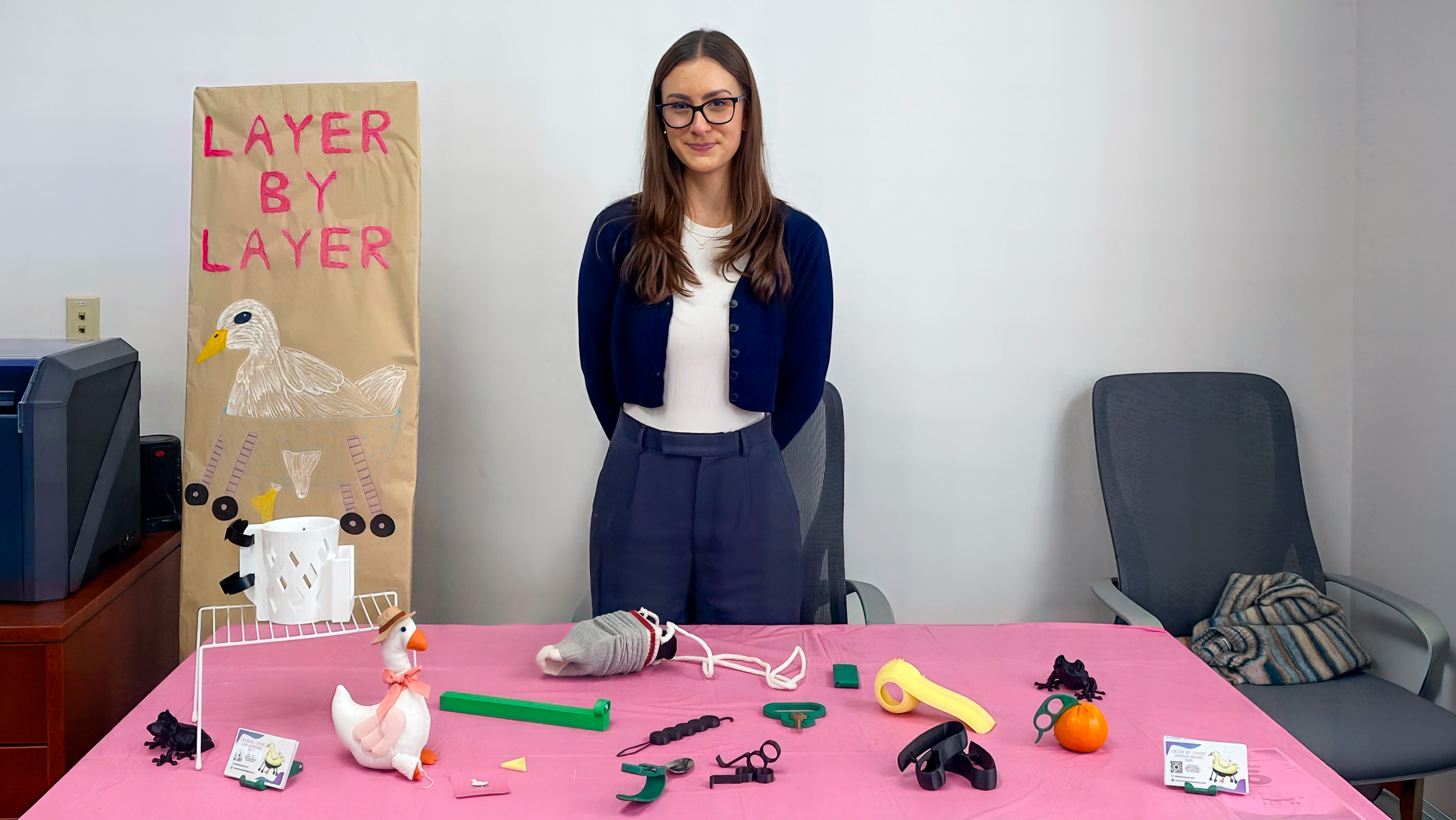
The taps in her grandmother’s home were out of reach, and Vianna Aiello wanted to change that.
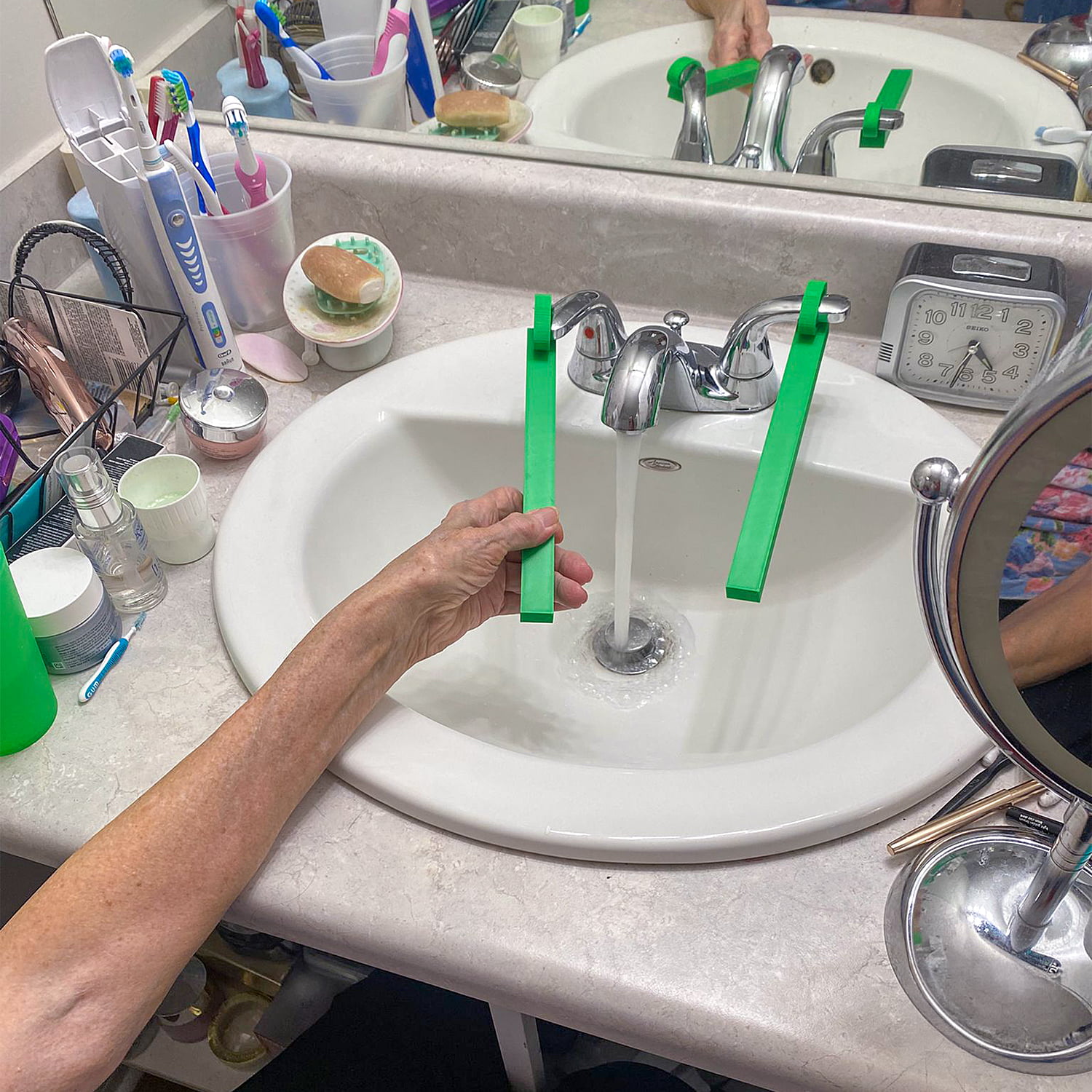
Her grandmother uses a wheelchair, and the kitchen and bathroom taps made everyday tasks harder to do on her own. Aiello, an occupational therapy student in the University of Alberta’s Faculty of Rehabilitation Medicine, visited her home and got to work designing an extender.
“It was the first design I ever made, and it means the most to me because it made such a difference in her life,” she says.
That attention to the details of daily life drives Layer By Layer, the assistive devices club Aiello founded earlier this year. Students work with people to understand the barriers they face, then adapt or create devices to help them take part in activities that matter to them.
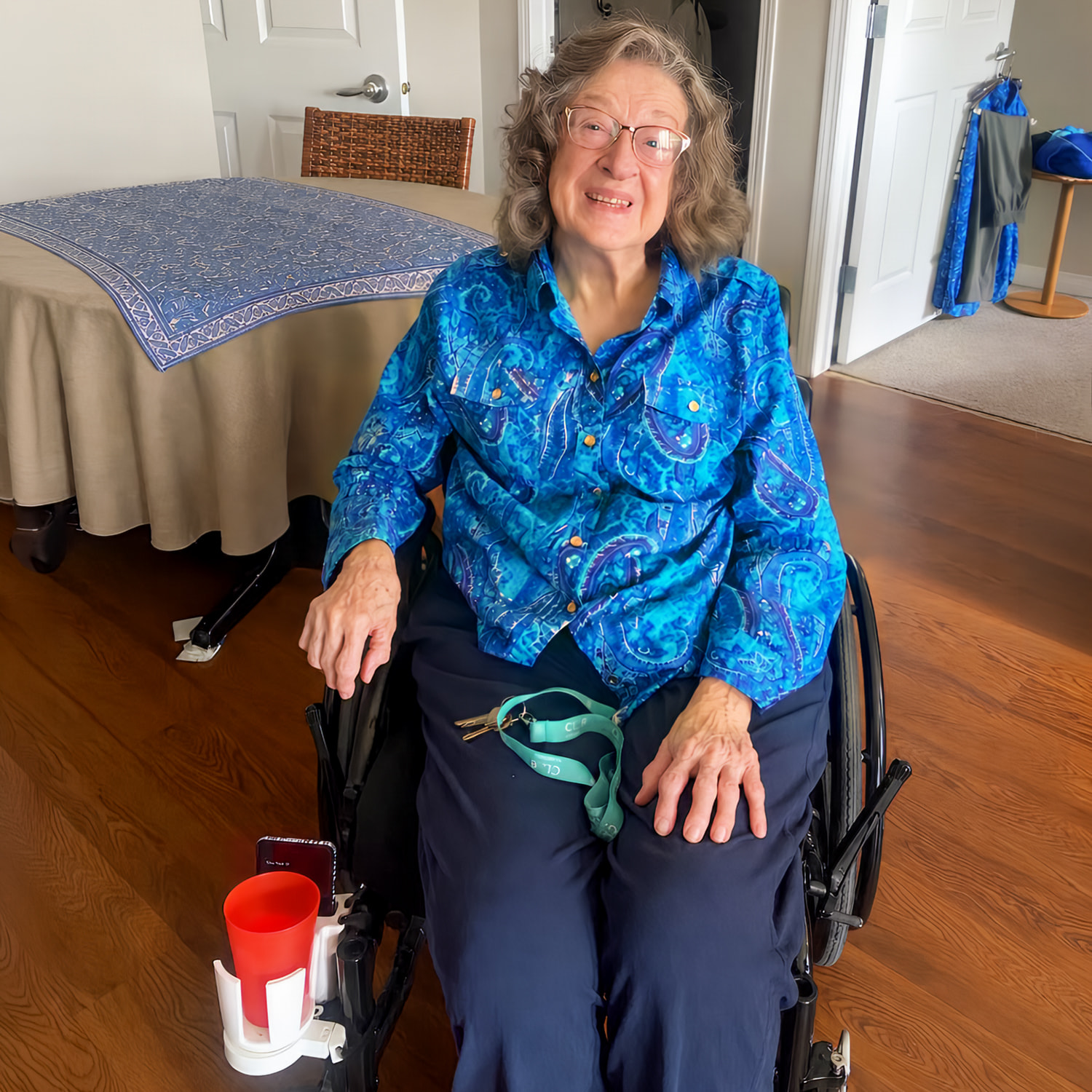
As of this month, the club has made and donated more than 100 devices across 35 designs. Projects have ranged from tap extenders to tools that help workers insert candle wicks, and a basket that attaches to a child’s walker so they can carry toys while walking.
Starting from scratch
Leaving a study session at the U of A’s Sperber Library, Aiello happened upon an assistive devices fair hosted by the Neil Squire Society. She saw everything from adapted fingernail clippers and drink holders to gaming controllers designed for different ways of moving.
A volunteer told her about a grant from the society’s Makers Making Change program that could help students start a club. She applied and used the funding to buy a printer and filament.
She had no previous experience with 3D design or printing.
U of A library learning resources, online sessions, advice from her brother-in-law and plenty of experimentation helped her get started. As the club grew, volunteers joined from occupational therapy, computing science and engineering. Design leads now help other volunteers learn and develop their ideas.
Some devices begin with existing designs shared through online maker communities. Others — like the tap extender Aiello created for her grandmother — are developed through measurements, sketches and repeated prototypes to fit a particular person’s task and environment.
Bringing occupational therapy thinking into design
Occupational therapy education teaches students to look closely at how a person, an activity and an environment interact. At Layer By Layer, those observations guide what gets made.
“An OT lens helps us personalize a device for a client’s specific needs and design it to get them back to participating in their occupations,” Aiello says.
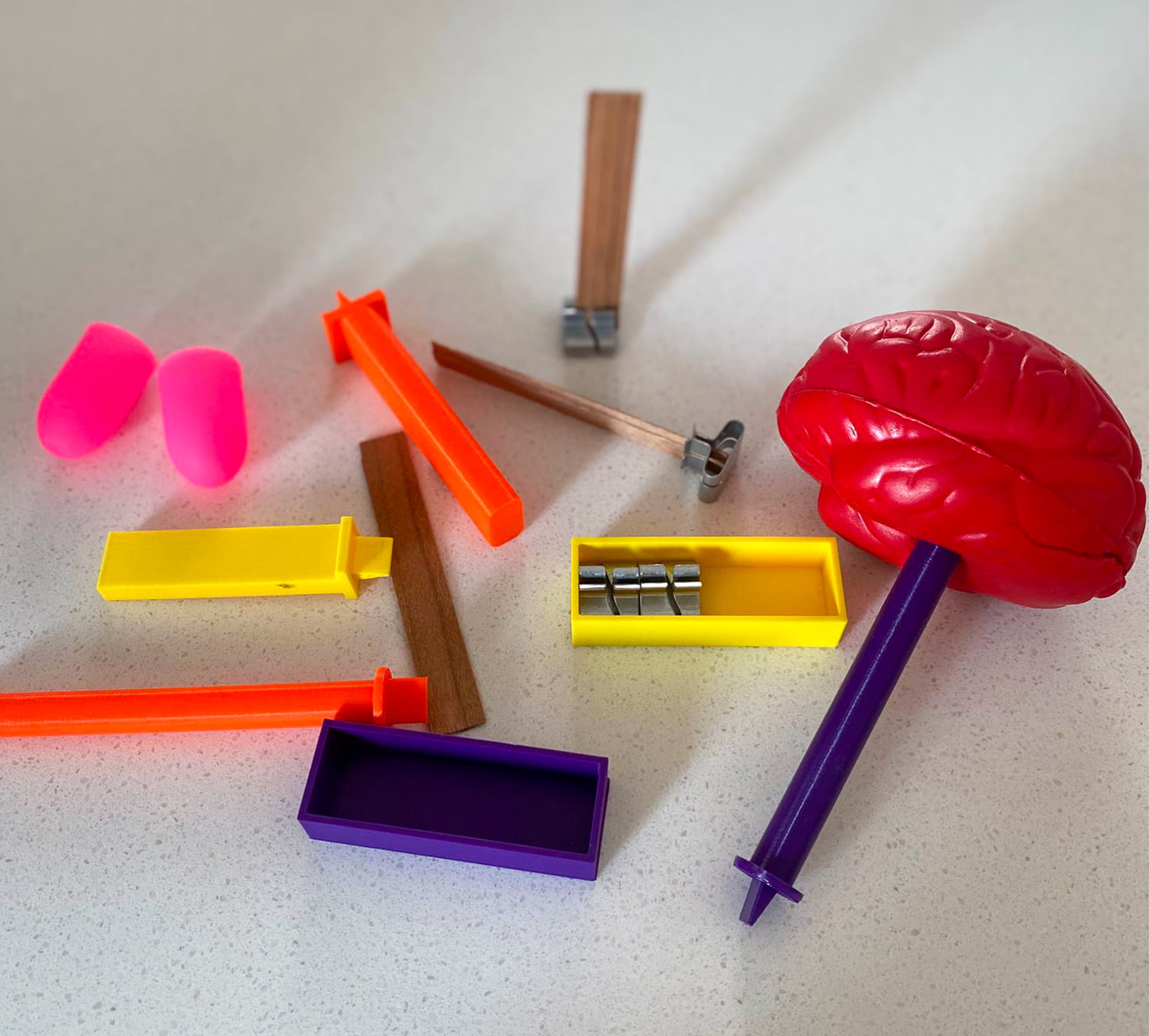
Aiello completed an undergraduate practicum with Calgary’s MilkJar Candle Co., which employs people with disabilities, and stayed in touch with its owner. When the company asked for help, the challenge was a fiddly one: inserting candle wicks into small clips, a task that demands fine motor control and grip strength.
Aiello worked with computing science student and co-VP of design Janapriya Prathap Gajalakshmi to develop a tool that opens the clip slightly so the wick is easier to insert. Aiello added silicone finger pads to help protect workers’ fingers.
Aiello says the tools have made the task more comfortable and helped workers feel more confident doing it.
The project reflects the kind of collaboration she values most in the club.
“Every volunteer learns something from each other, and this type of interdisciplinary collaboration isn’t something that would happen naturally in a classroom,” she says.
Starting with what matters to someone
The club’s work begins with a practical question: what does someone want to do, and what could make it easier?
Requests now come through personal connections, clinical placements, community events and a public online form. A volunteer follows up with each requester to understand the challenge and work toward a solution.
At a community event earlier this month, Aiello met a woman whose arthritis made opening plastic drink bottles difficult. She lived alone and had to wait for her caregiver to open them.
Aiello showed her a bottle-opening aid the club could make at no cost that provided extra leverage. Seeing the possibility of managing that task herself and reclaiming some independence had her tearing up.
For Aiello, it was another reminder of how much an everyday activity can matter to the person doing it.
She hopes to keep making affordable assistive devices alongside her future clinical work and to build the systems and student leadership that will keep Layer By Layer going after she graduates. The club is now seeking funding through the Field Law Community Fund Program to help it take on more requests.