Celebrating the recipients of the 2026 Awards for Teaching Excellence

These educators are making a profound impact across the U of A, from groundbreaking research and life-changing mentorship to innovative teaching that inspires the next generation.

University of Alberta graphic

The Office of the Vice-Provost (Learning Initiatives) is delighted to acknowledge these exceptional individuals for their outstanding work as educators and community builders.

We not only celebrate their remarkable achievements but also honour the service they provide to our students, which continues to make a deeply positive impact on our university and the wider community.

Award for Excellence in Graduate Teaching 

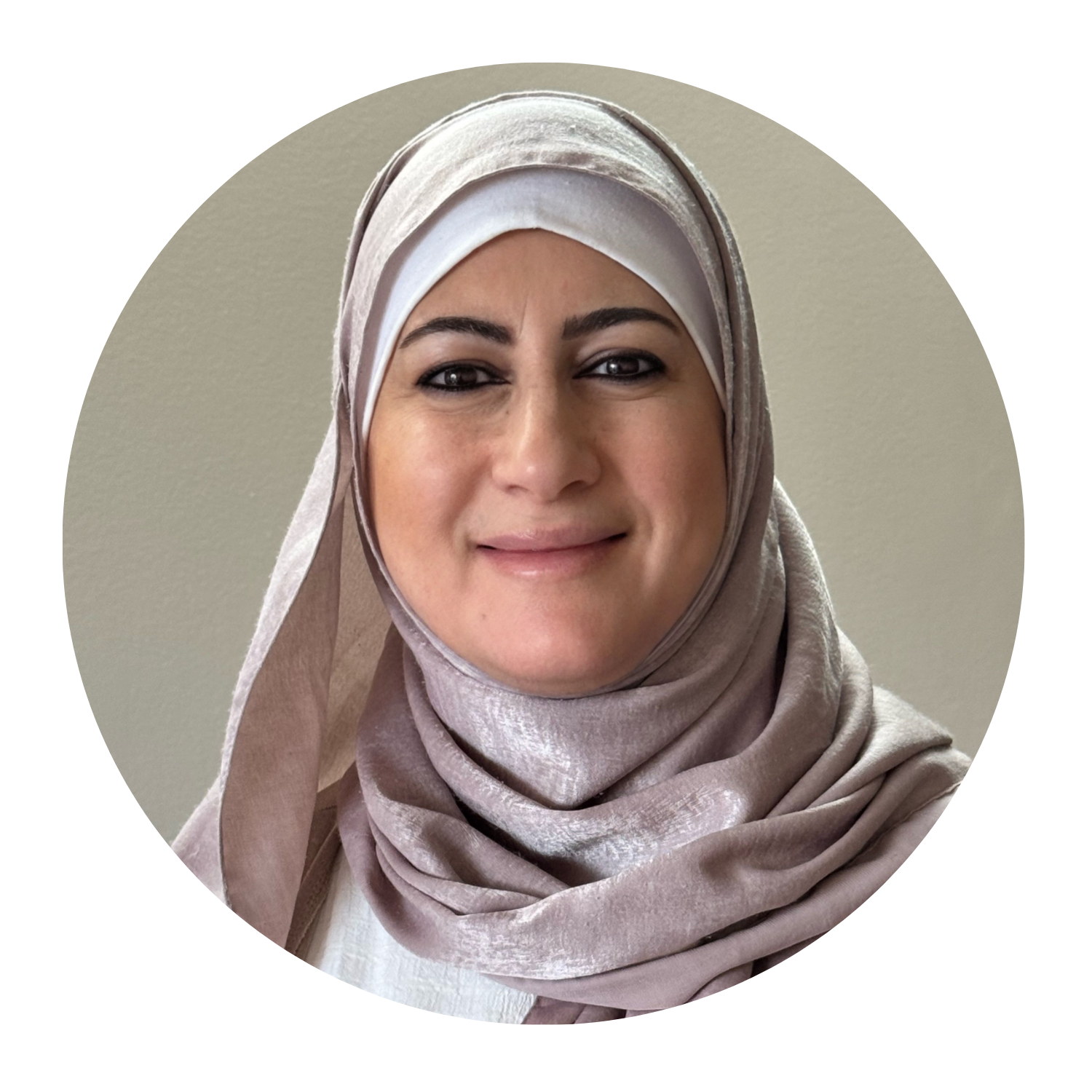
Dr. Roula Salam, assistant lecturer, Faculty of Education

Dr. Roula Salam

Dr. Roula Salam is celebrated for her transformative impact on graduate-level research communication and her commitment to student success. Her teaching philosophy demystifies scholarly communication, turning thesis development into a collaborative journey. By balancing rigorous academic standards with a compassionate, student-centred approach, she bridges the gap between research and professional publication.

A champion of inclusive excellence, Dr. Salam empowers diverse voices to thrive in accessible academic spaces. Through personalized mentorship and innovative curriculum design, she helps students navigate high-stakes career demands. Ultimately, Dr. Salam ensures the next generation of scholars possesses the essential communication skills and confidence to contribute meaningfully to their fields.

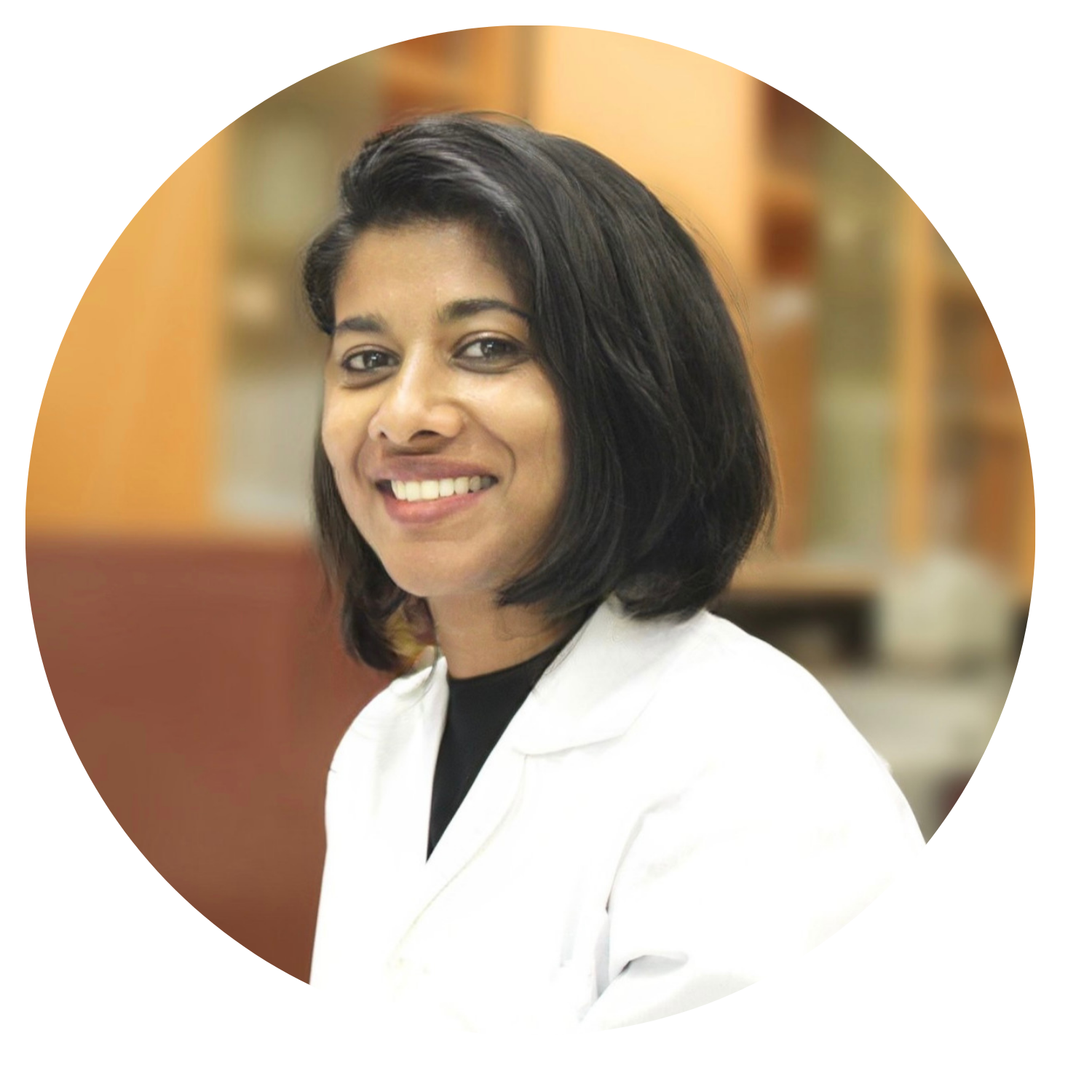
Dr. Brasathe Jeganathan, assistant lecturer, Faculty of Agricultural, Life and Environmental Sciences

Dr. Brasathe Jeganathan

Dr. Brasathe Jeganathan is recognized for her student-centred and reflective approach to food science education. Having progressed from graduate student to assistant lecturer while supporting student internship coordination at the U of A, she brings a strong understanding of the challenges students face as they develop confidence, curiosity, independence and professional identity.

Inspired by the mentorship and teaching philosophies of her PhD supervisors, Professors Feral Temelli and Thava Vasanthan, Dr. Jeganathan integrates experiential learning, applied problem solving, industry engagement and inclusive course design in her classroom. This allows her to connect scientific theory with real-world food systems and professional practice. She also adopts a balanced approach to artificial intelligence by integrating AI into selected learning activities while limiting its use in others to support critical thinking, scientific communication and independent learning, preparing students for success in academic and professional food science settings. 

William Hardy Alexander Award for Excellence in Undergraduate Teaching

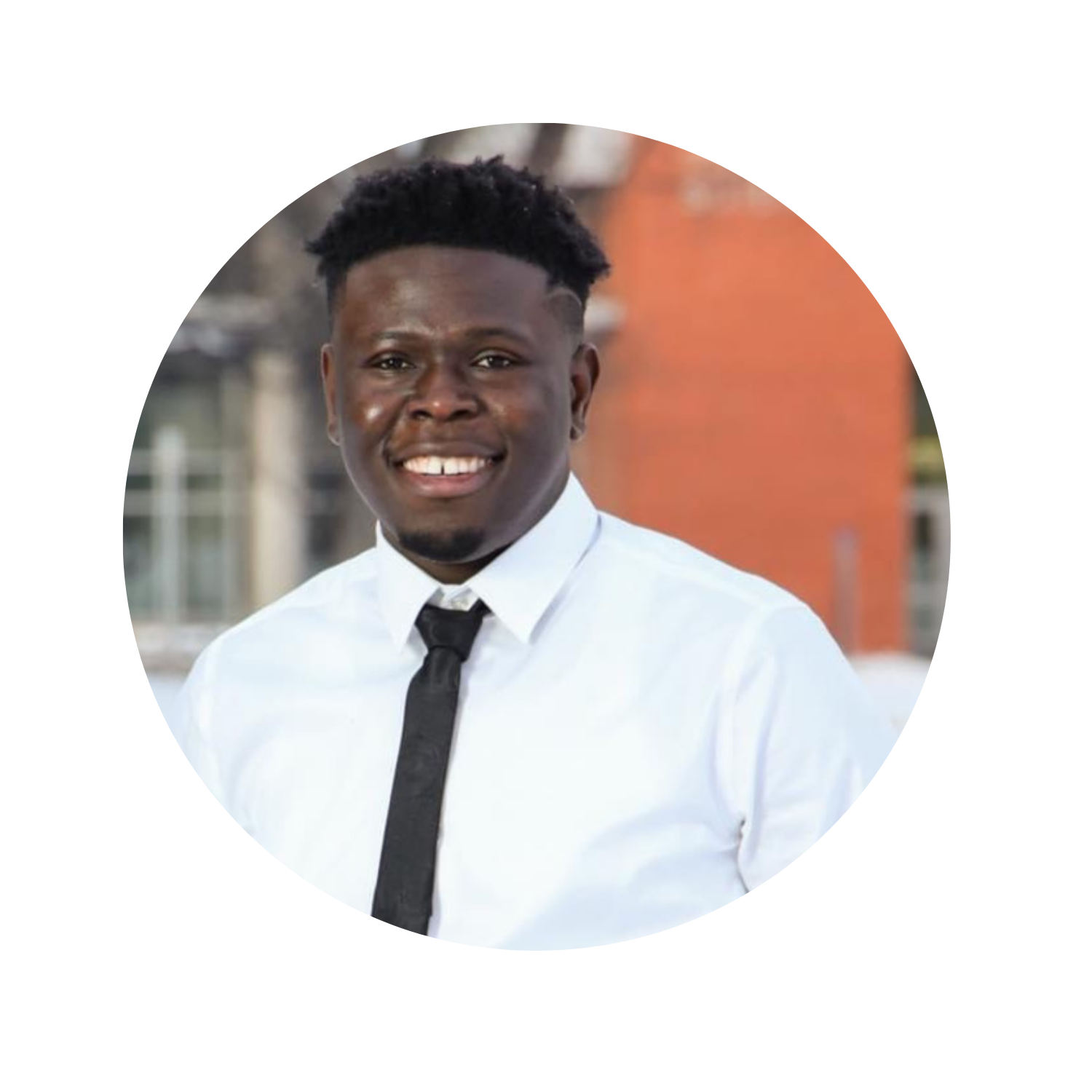
Dr. Emmanuel Marfo, associate lecturer, Faculty of Nursing

Dr. Emmanuel Marfo

Dr. Marfo’s nursing education approach is rooted in his identity as a Black, first-generation migrant, transforming classrooms into spaces of "liberatory praxis." He champions a "teaching as caring" philosophy, prioritizing equity, empathy and diverse ways of knowing. Whether leading large cohorts or mentoring researchers, Dr. Marfo utilizes innovative tools like PechaKucha presentations and ethical simulations to bridge complex theory and compassionate clinical practice.

By dismantling systemic barriers, he ensures students find a secure "intellectual home." His dedication to therapeutic learning environments empowers future healers to lead with clinical rigour and social accountability, establishing him as a transformative educator in his field.

Teaching Collaboration Award

Teaching, learning and walking alongside one another in INT D222: Indigenous Health

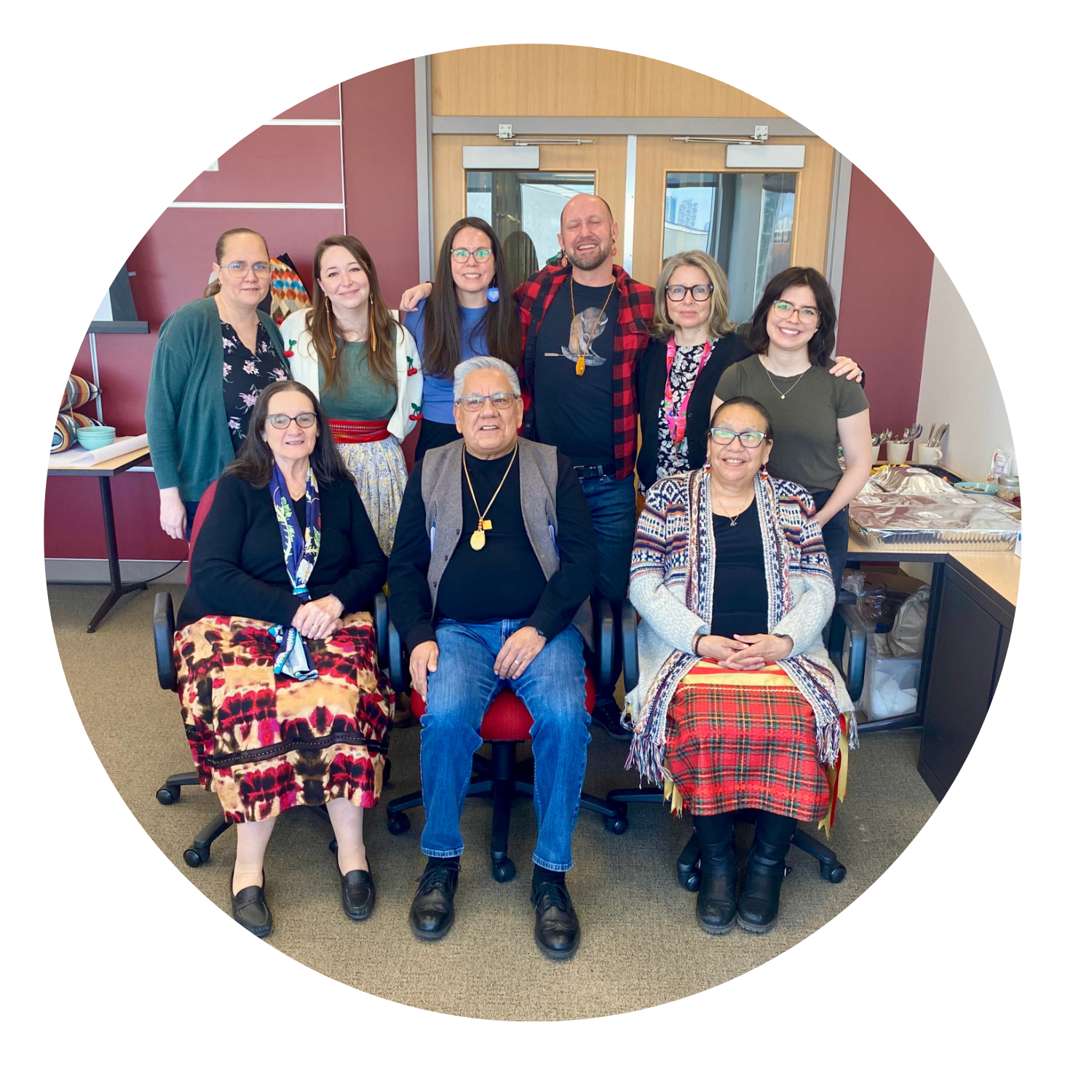
Collaboration members: Elder Bert Auger, Kokum Hazel McKennitt, Kokum Alvina Lake; K.D. King - Faculty of Native Studies; Kathryn Durksen, Kristin Zelyck and Gillian Lemermeyer - Faculty of Nursing.

Elder Bert Auger, Kokum Hazel McKennitt, Kokum Alvina Lake; K.D. King - Faculty of Native Studies; Kathryn Durksen, Kristin Zelyck and Gillian Lemermeyer - Faculty of Nursing.

This community of Indigenous Knowledge Keepers, practitioners and scholars come together to deliver INT D 222: Indigenous Health in (what we now call) Canada, a required course for over 500 nursing students annually. Aiming to move beyond performative reconciliation, the team nurtures an ethical space grounded in relational accountability to number 24 of the Truth and Reconciliation Commission Calls to Action. They challenge dominant Western narratives in healthcare and education through anti-colonial pedagogies such as arts-based activities, walks in the river valley and sharing circles led by residential school Survivors. Through an interdependent approach to teaching and learning, this team is enacting transformative education through a collective journey of truth and love. 

Rutherford Award for Excellence in Undergraduate Teaching

Dr. Kwesi Yaro, associate professor, Faculty of Education 

Dr. Kwesi Yaro

Dr. Kwesi Yaro’s teaching is deeply rooted in the Afrocentric philosophy of Ubuntu — the belief in "being self through others." A Black African immigrant scholar from Ghana, he integrates cultural insights and social justice into his mathematics pedagogy to create inclusive, relationship-driven learning environments. His extensive journey, spanning a decade of teaching in Ghana to leading methodology courses at the University of British Columbia. At the U of A, he has organized community outreach events, such as Fall and Winter Math Fairs, which bring together teachers, K-12 students and pre-service teachers to explore mathematics in engaging and interactive ways. Dr. Yaro sees recognitions and awards not just as personal accomplishments, but as reminders of the many students and colleagues whose feedback has shaped his practice as an educator. 

Dr. Paul LaPointe, professor, Faculty of Medicine & Dentistry 

Dr. Paul LaPointe

Over an 18-year career, Dr. LaPointe has transitioned from teaching disciplinary facts to prioritizing "how to learn" over rote memorization. Recognizing the limitations of traditional lectures for explaining the invisible molecular world, he has pioneered the use of 3D visualization and extended reality. His innovative tools, including the "Cell 101 VR" smartphone module, allow students to interactively explore cellular structures. In foundational courses like CELL 201, he balances the needs of diverse learners by layering inquiry-based activities with augmented reality. By positioning curiosity as a sustaining force, Dr. LaPointe transforms complex mechanistic concepts into tangible, immersive experiences that foster durable understanding and a lifelong passion for scientific discovery. 

Provost’s Award for Early Achievement of Excellence in Undergraduate Teaching 

Dr. Carolina Montenegro, assistant lecturer, Faculty of Arts 

Dr. Carolina Montenegro

Dr. Montenegro draws on her identity as an Afrolatina, queer and disabled educator to foster inclusive, inquiry-driven spaces. Her work primarily focuses on the Year One Foundation Program, where she supports international students through scaffolded learning and multimodal resources, such as converting lectures into podcasts for multilingual access. She is a pioneer of "ungrading," a practice that replaces traditional performance anxiety with narrative feedback and self-assessment to promote genuine growth. Whether leading small seminars or large 350-student lectures, her pedagogy emphasizes social justice, community-based projects and the disruption of inequitable academic structures, ensuring that every student has the psychological safety to challenge injustice and achieve collective flourishing. 

Dr. Sandrine Ampleman-Tremblay, assistant professor, Faculty of Law

Dr. Sandrine Ampleman-Tremblay

As a first-generation academic and francophone educator, Dr. Ampleman-Tremblay utilizes her unique social location to demystify the intimidating environment of law school. Her philosophy centres on a "duty to give back" through intensive mentorship and the cultivation of professional responsibility. In foundational courses like Criminal Law and specialized seminars such as Wrongful Convictions, she challenges students to question assumptions and recognize the high stakes of legal practice. By integrating intersectional perspectives and trauma-informed frameworks — particularly when addressing sensitive topics like sexual assault — she creates a responsive classroom that honors diverse learning styles. 

Dr. Neelam Punjani, assistant professor, Faculty of Nursing 

Dr. Neelam Punjani

Drawing on her roots in Pakistan and extensive background in community advocacy, Dr. Punjani champions a decolonized, experiential approach to nursing education. Since joining the faculty in 2023, she has revitalized INT D 420: Perspectives on Inclusive and Global Health, transforming it into a hub for health justice. Her innovative pedagogy features problem-based learning modules centred on UN Sustainable Development Goals and a syllabus where 25% of content is delivered by diverse guest experts, including Indigenous and 2SLGBTQIA+ advocates. By prioritizing process-based assessments and cultural humility, Dr. Punjani mentors the next generation of nurses to dismantle systemic stigmas and advocate for equity within the global healthcare landscape. 

Dr. Geri Ruissen, assistant professor, Faculty of Kinesiology, Sport, and Recreation

Dr. Geri Ruissen

A self-described “stats nerd” with a background in competitive swim coaching, Dr. Ruissen transforms apprehension into confidence in large, mandatory courses like KIN 109 and KIN 209. Her philosophy is rooted in transformational leadership, balancing academic rigour with deep compassion for students facing structural and mental health barriers. To demystify complex data, she developed "infinite practice" problems and zero-cost digital resources that prioritize conceptual reasoning over rote calculation. By grounding statistics in real-world health claims and "person-specific" research, Dr. Ruissen equips students with the information literacy needed to navigate an era of misinformation. Her mentorship extends from the lecture hall to international conferences, empowering undergraduate researchers to bridge the gap between data and well-being. 

The Awards for Teaching Excellence are adjudicated by the University Teaching Awards Committee (UTAC); the recipients were recognized at the Festival of Teaching and Learning in April 2026.