
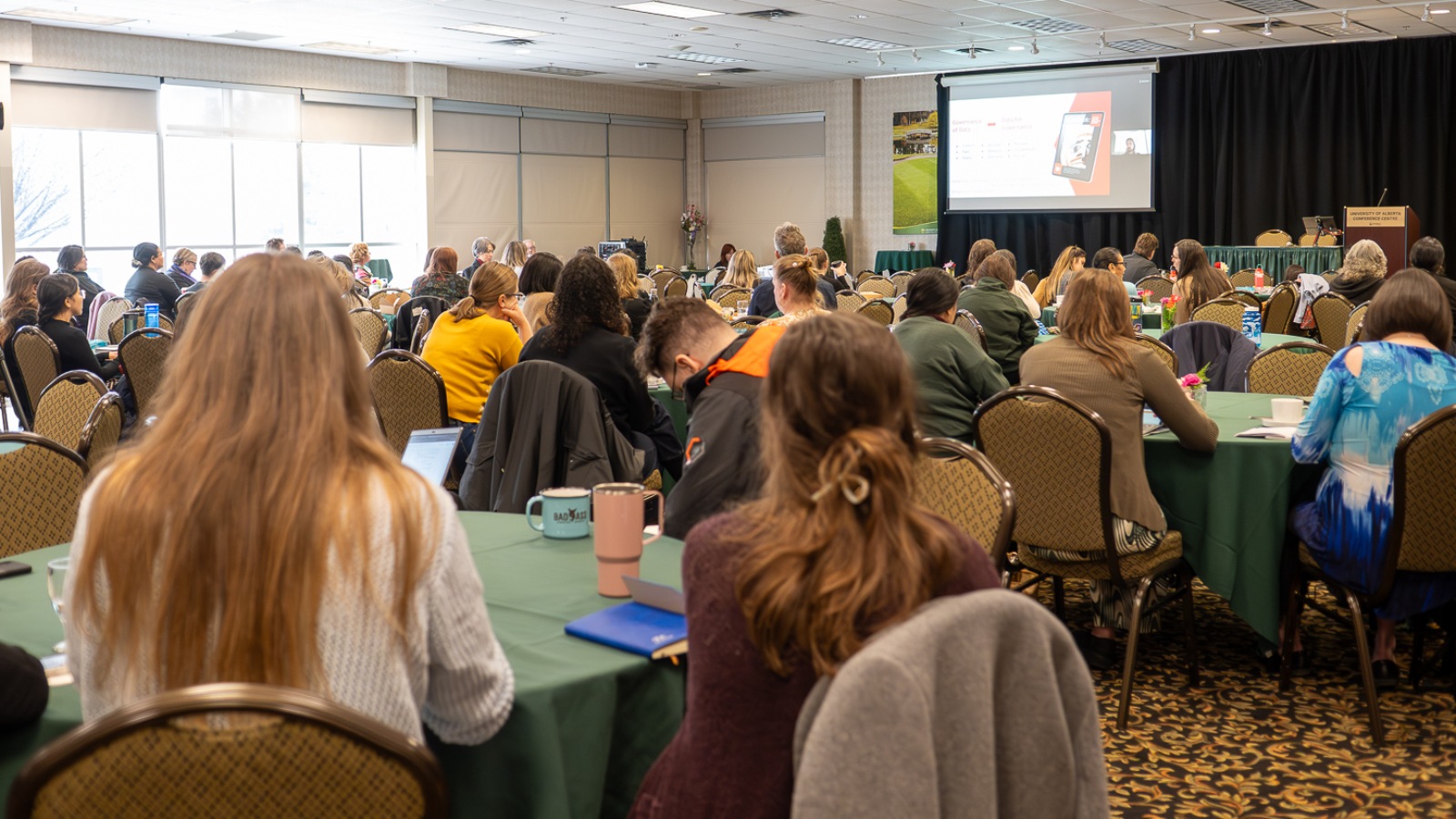
For the past three years, the offices of the Vice-Provost (Indigenous Programming & Research) and the Vice-President (Research) have co-hosted research symposia focused on supporting and elevating Indigenous-engaged research at the University of Alberta. This spring, on April 15 and 16, 2026, the portfolios came together to discuss the practical and ethical dimensions of Indigenous data governance and the importance of fostering reciprocal, long-term relationships with Indigenous communities.
Guest speakers included: Jeff Doctor (Cayuga Nation citizen from Six Nations of the Grand River Territory), Zam DeSheilds (Chickasaw Nation), Shani Gwin (sixth-generation Métis and a descendant of Michel First Nation), Fernanda Yanchapaxi (Kichwa-Panzaleo/Mestiza, born and raised in Ecuador) and Taylor Sparklingeyes (Good Lake First Nation). These keynote speakers spoke about the importance of Indigenous data sovereignty, the intersections between AI, data sovereignty, and Indigenous knowledges, and reminded us that community engagement and relationality is essential.
We also heard from campus community members Sharon Farnel (head, Metadata Strategies), John Simpson (director, Digital Research Services) and James Doiron (director, Research Data Management Strategies and academic director, University of Alberta Research Data Centre). They walked us through the initiatives at the U of A that are the first steps to meaningfully support data sovereignty in the Indigenous-engaged research cycle.
The symposium ended with a panel debate moderated by Tibetha Kemble (Stonechild), a nêhiyaw (Cree) member of the Piapot First Nation in Treaty No. 4 and the academic lead of Indigenous women’s health research for the Women and Children's Health Research Institute at the U of A. There were two resolutions that our guests debated on each side (once the coin was flipped). It was a fun way to get out of our comfort zones and try to see these complex issues through another lens:
Resolution 1: AI systems that utilize Indigenous data must be governed by the laws and protocols of the originating Nation, regardless of where the physical servers are located.
Resolution 2: Publicly funded AI models must be "governed-open," meaning access is transparent but controlled by a co-governance body that includes Indigenous Nations to prevent the misuse of sensitive data.
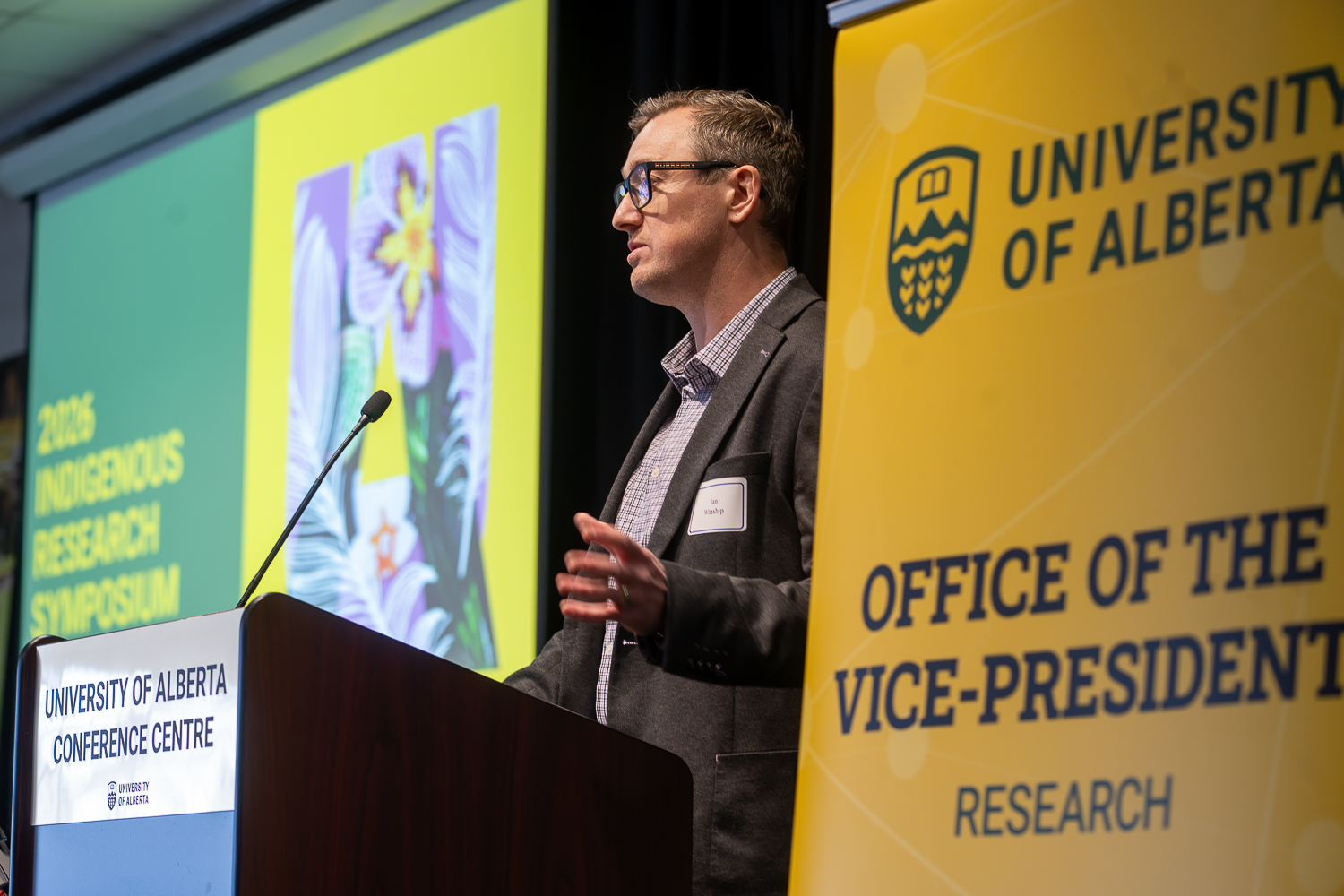
Ian Winship, associate vice-president (Research Development & Services).
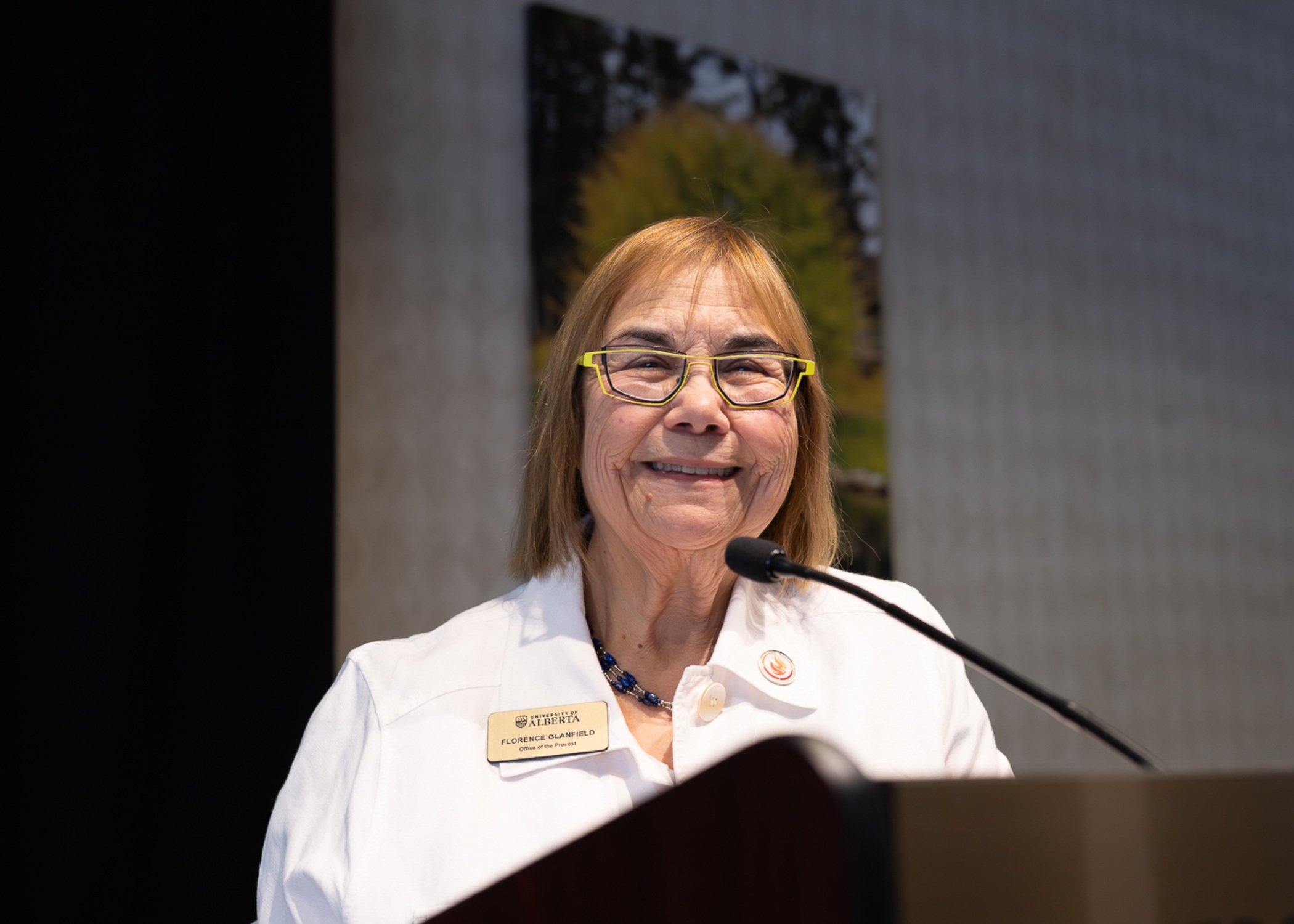
Florence Glanfield, vice-provost (Indigenous Programming & Research).

John Simpson, director, Digital Research Services, and Sandra Rein, associate dean, Student Success and Experience, chat while winter hangs on.
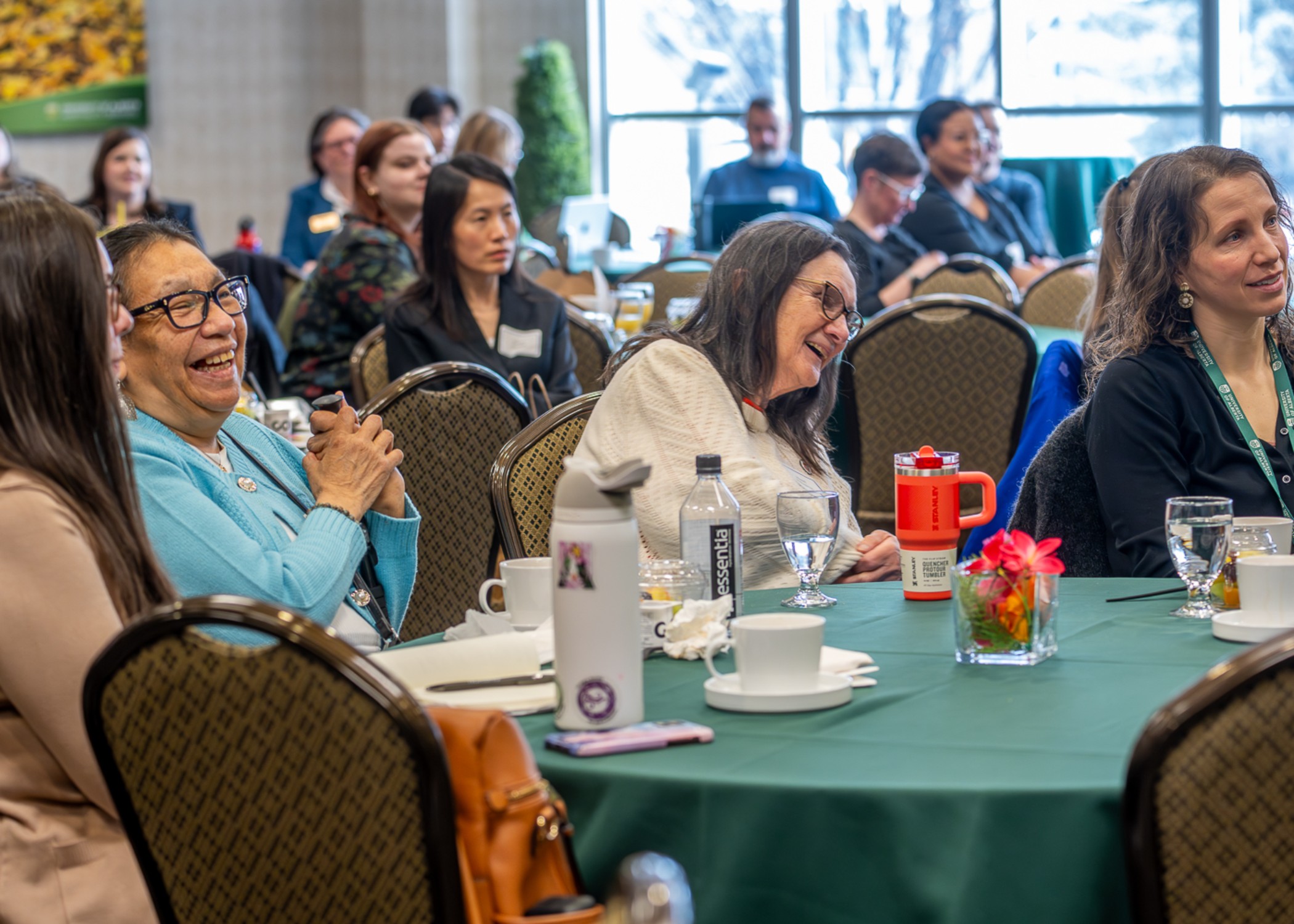
Kokum Alvina Lake and Kokum Hazel McKennitt share a laugh.
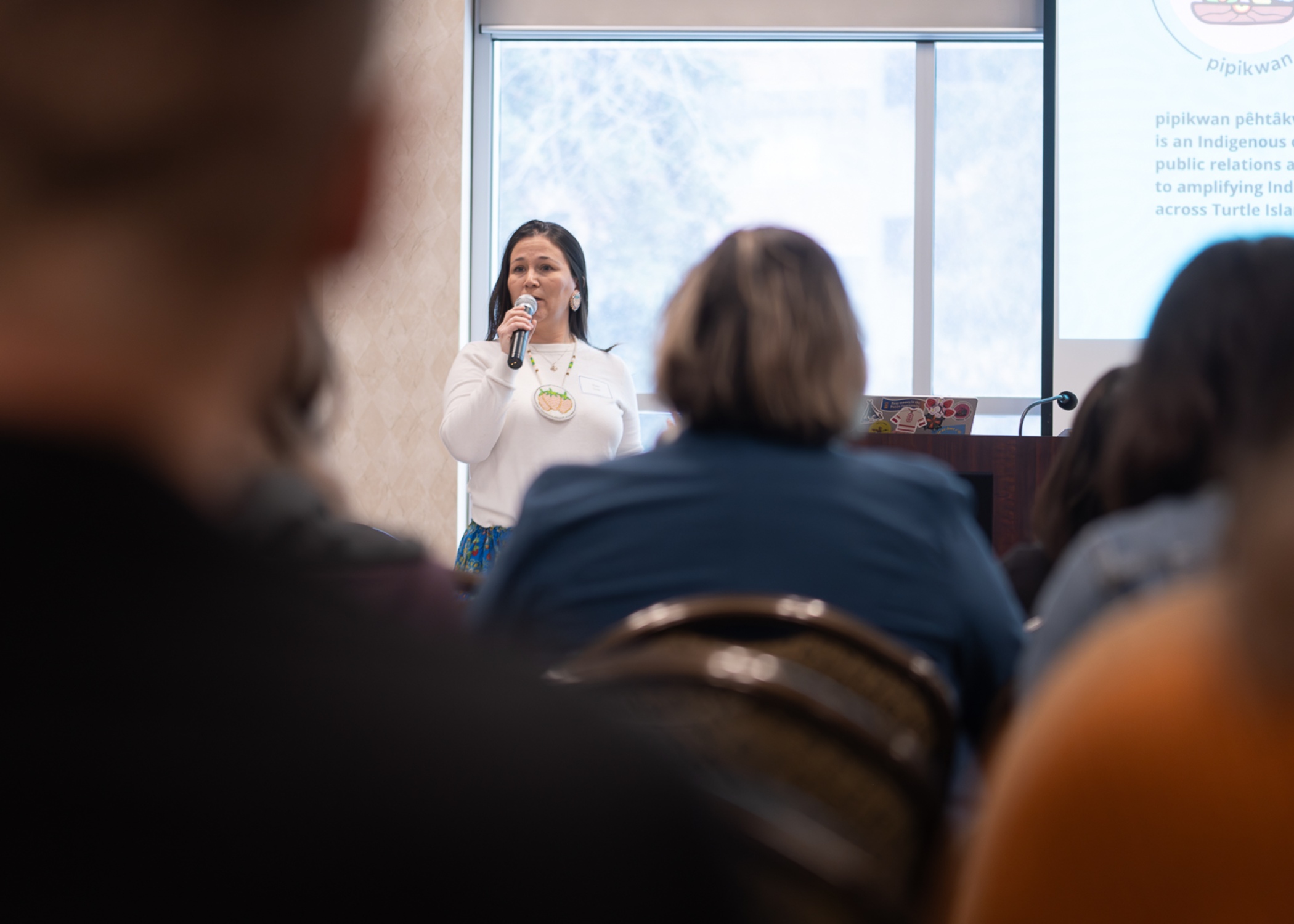
Shani Gwin, founder and chief executive officer of pipikwan pêhtâkwan and wâsikan kisewâtisiwin.
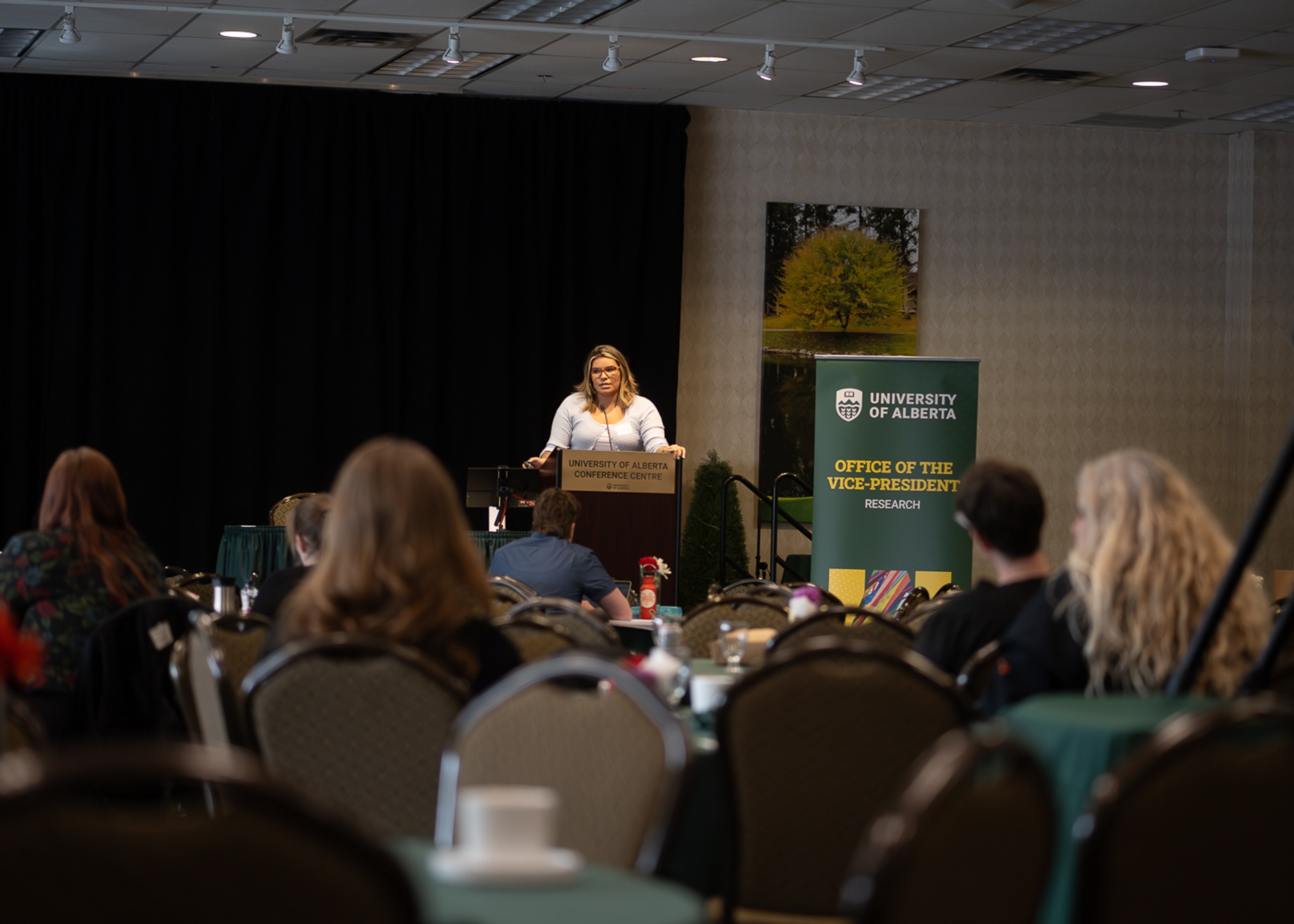
Taylor Sparklingeyes, social researcher, Indigenous Data Sovereignty.
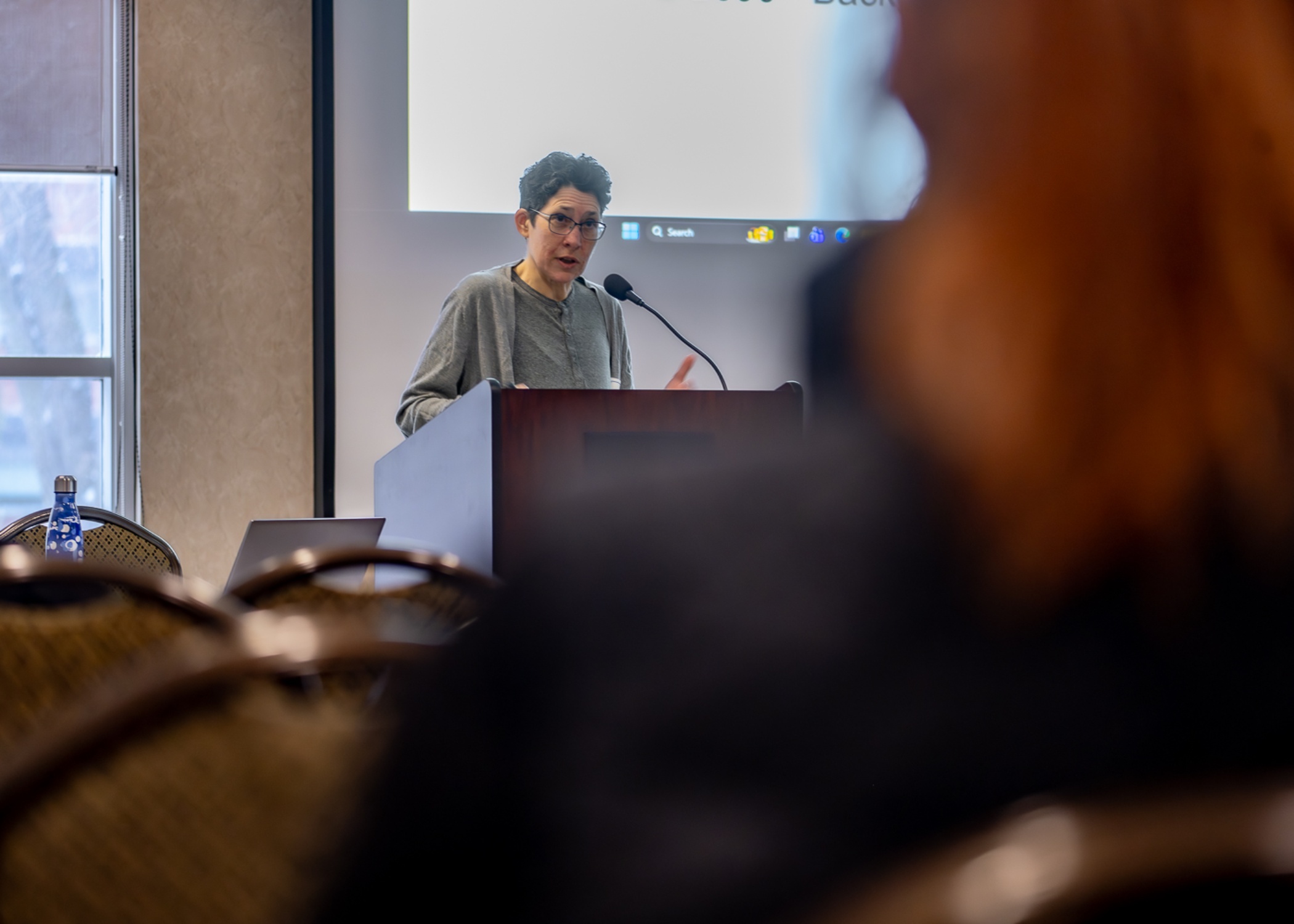
Sharon Farnel, head, Metadata Strategies, University of Alberta Library.
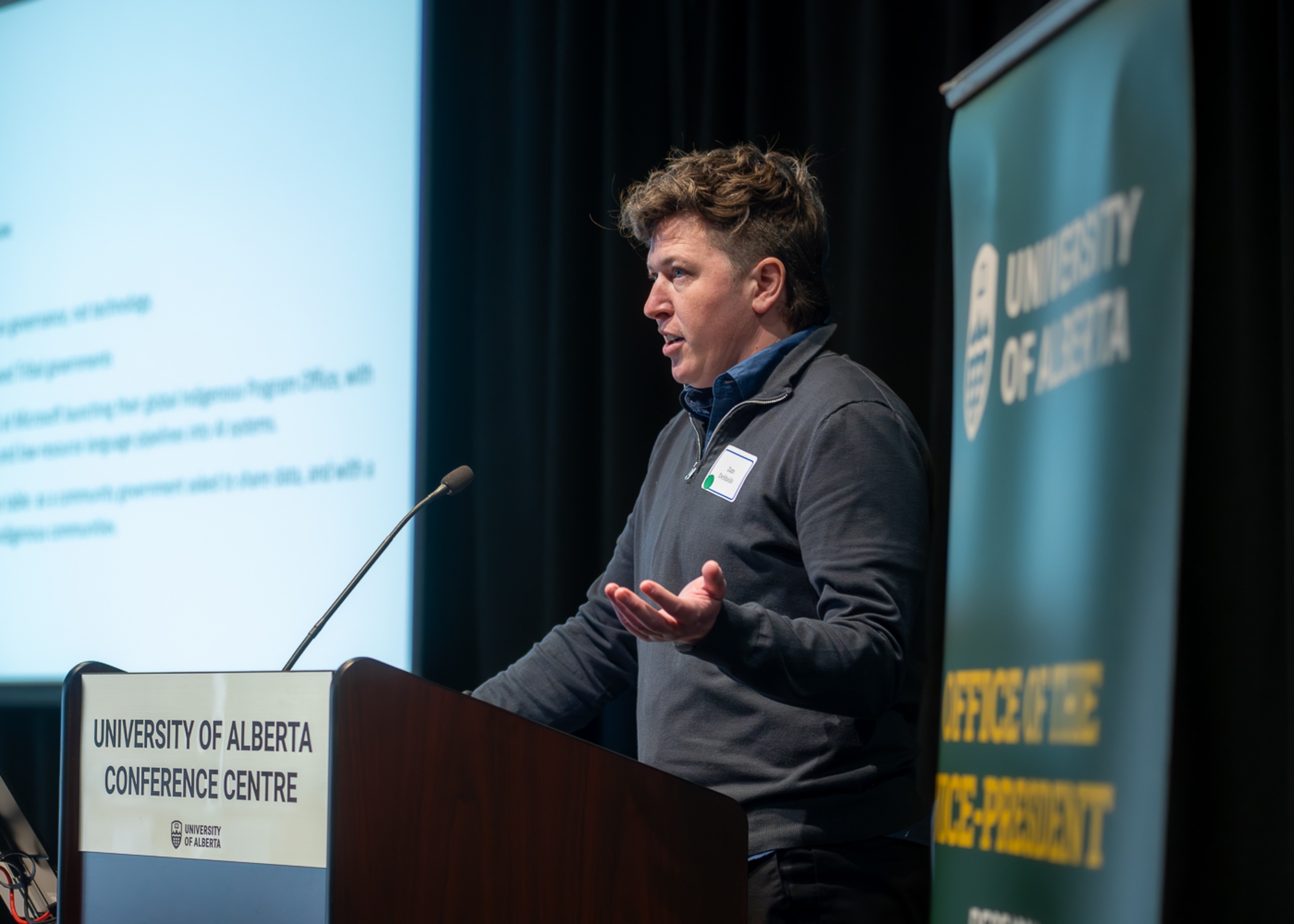
Zam DeSheilds, consultant (Indigenous Data, AI, and Governance).
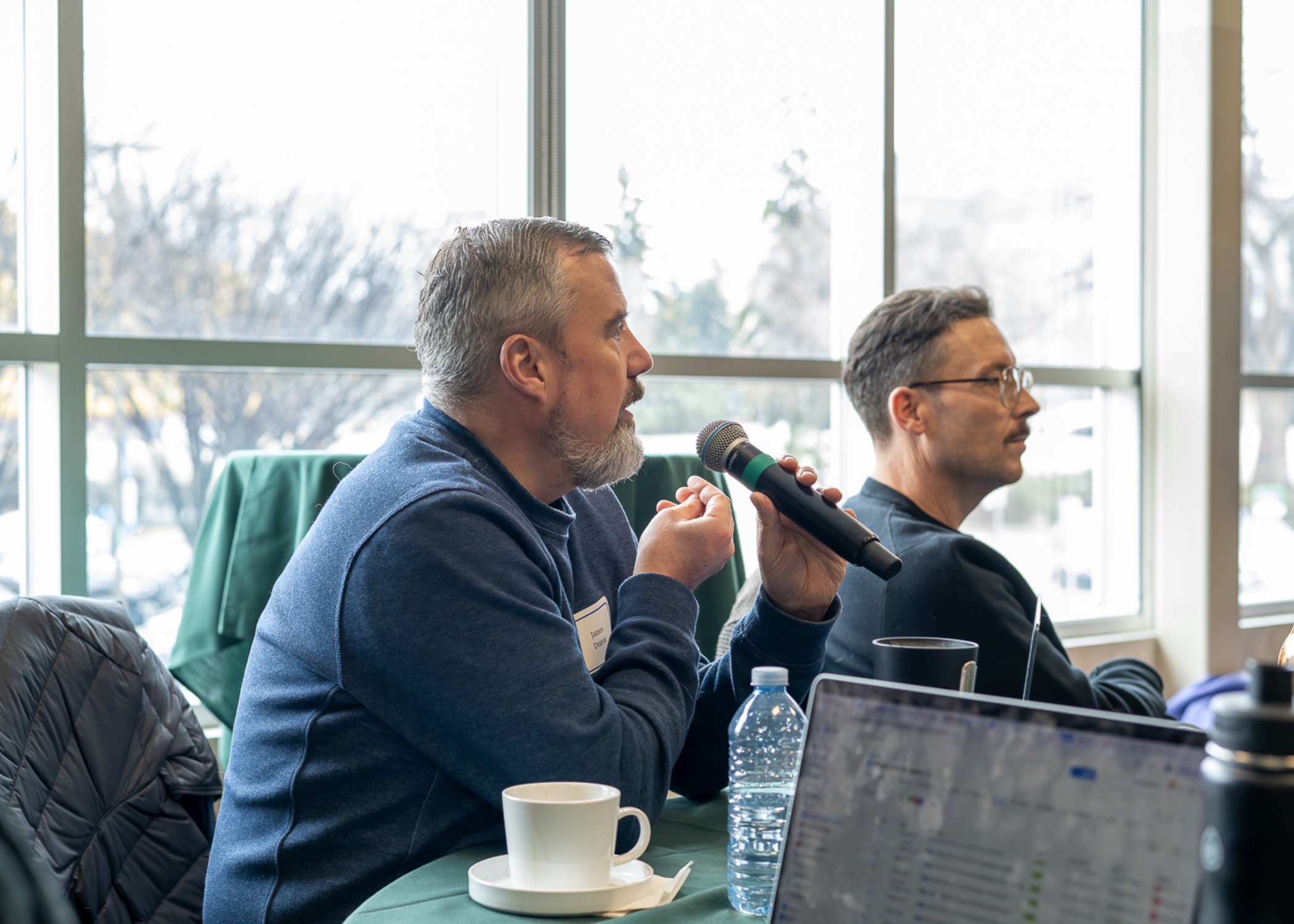
James Doiron, director, Research Data Management Strategies.
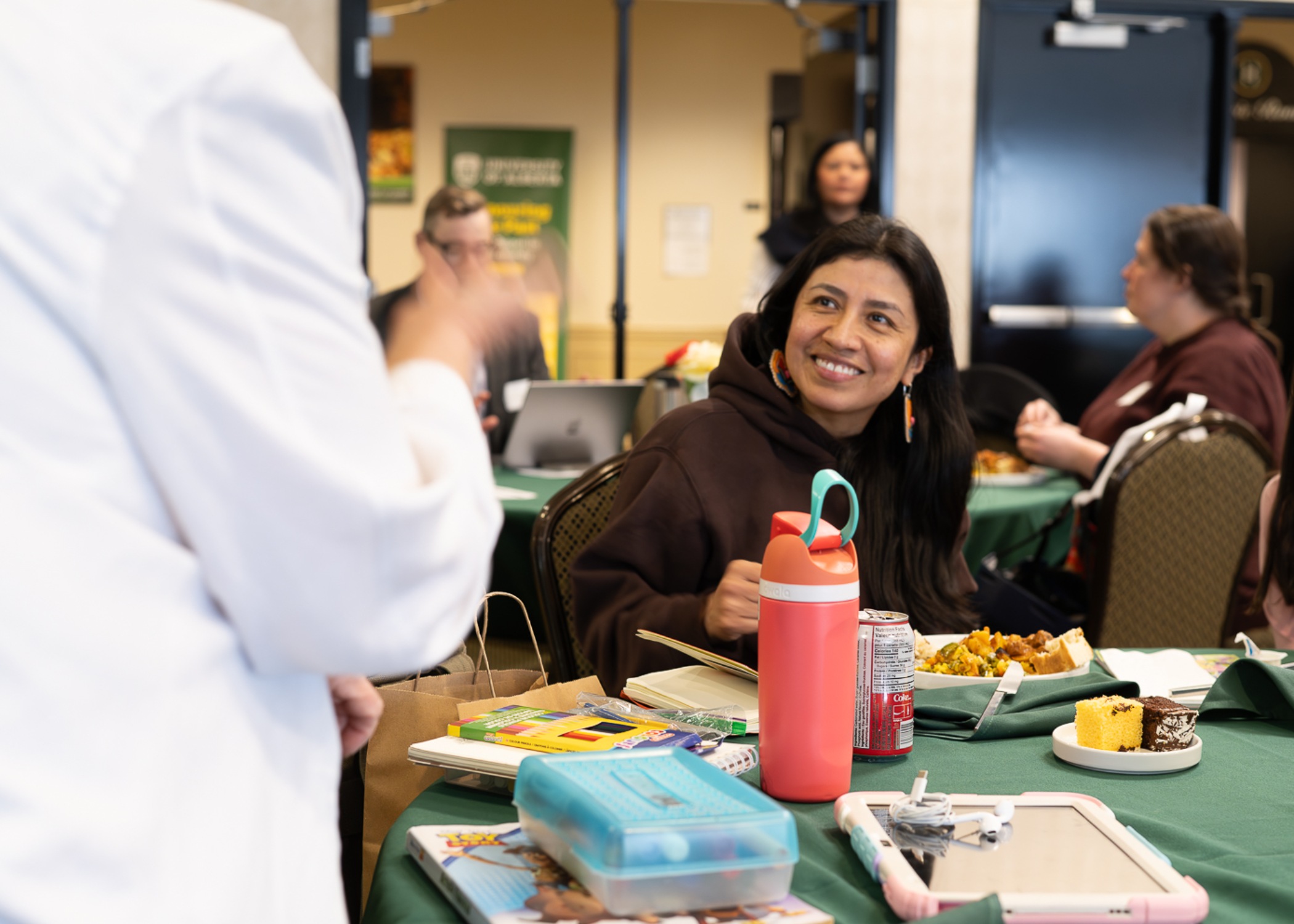
Fernanda Yanchapaxi, research fellow at the Technoscience Research Unit in the Indigenous Science, Technology, and Environment Studies (ISTES) Hub.
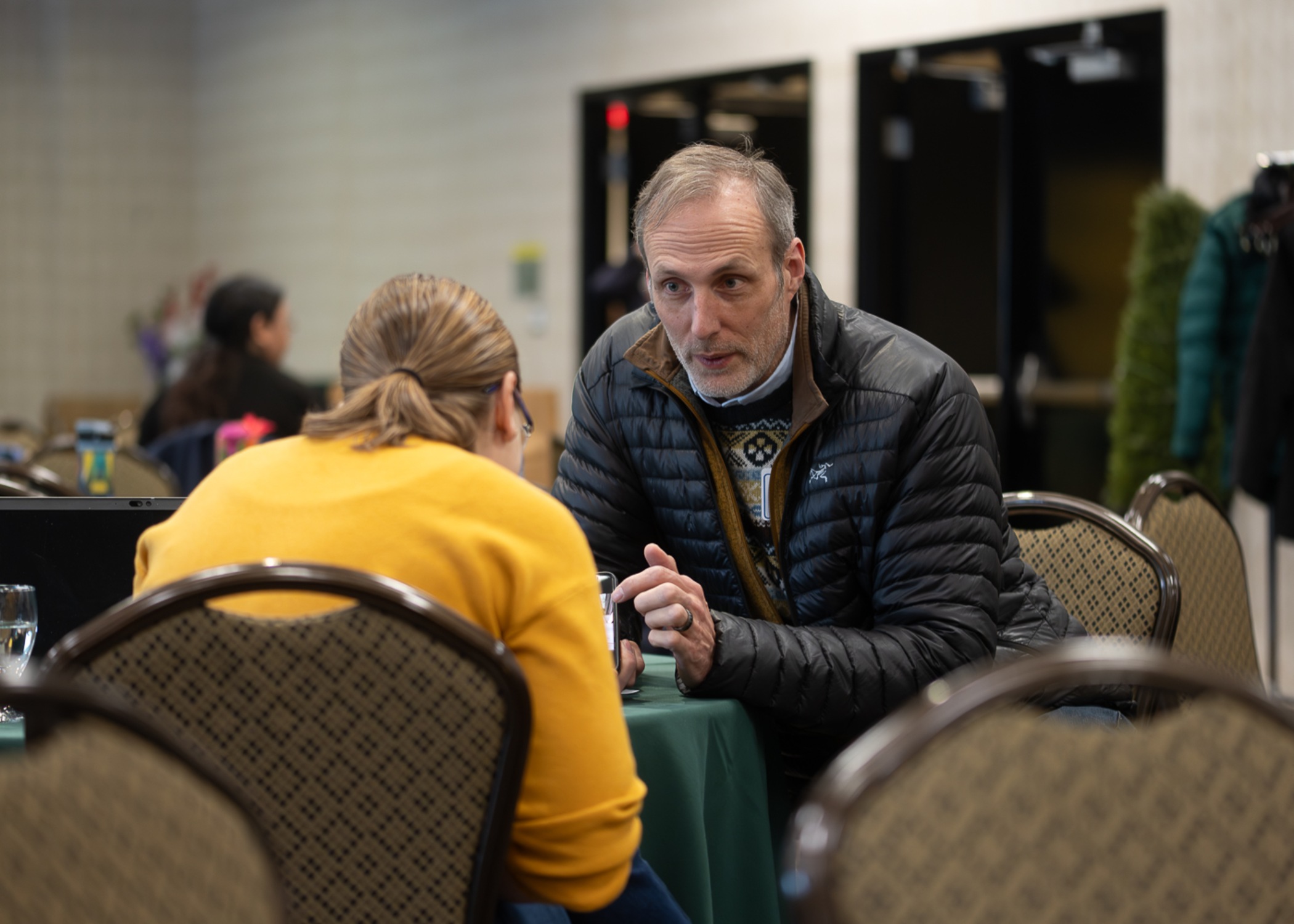
John Simpson, director, Digital Research Services.
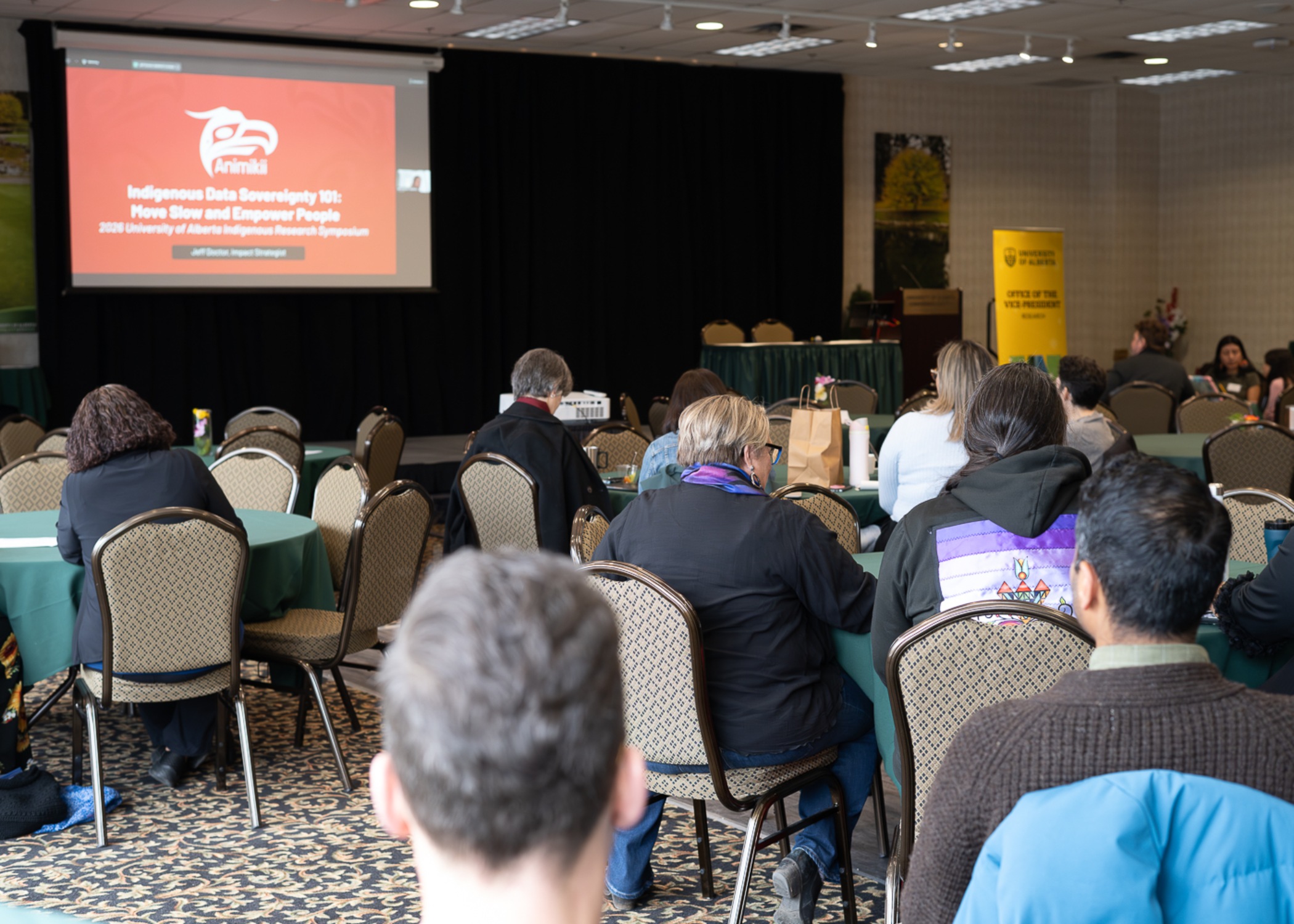
Jeff Doctor, Impact Strategist, Animikii, Zoomed’ in to join us.
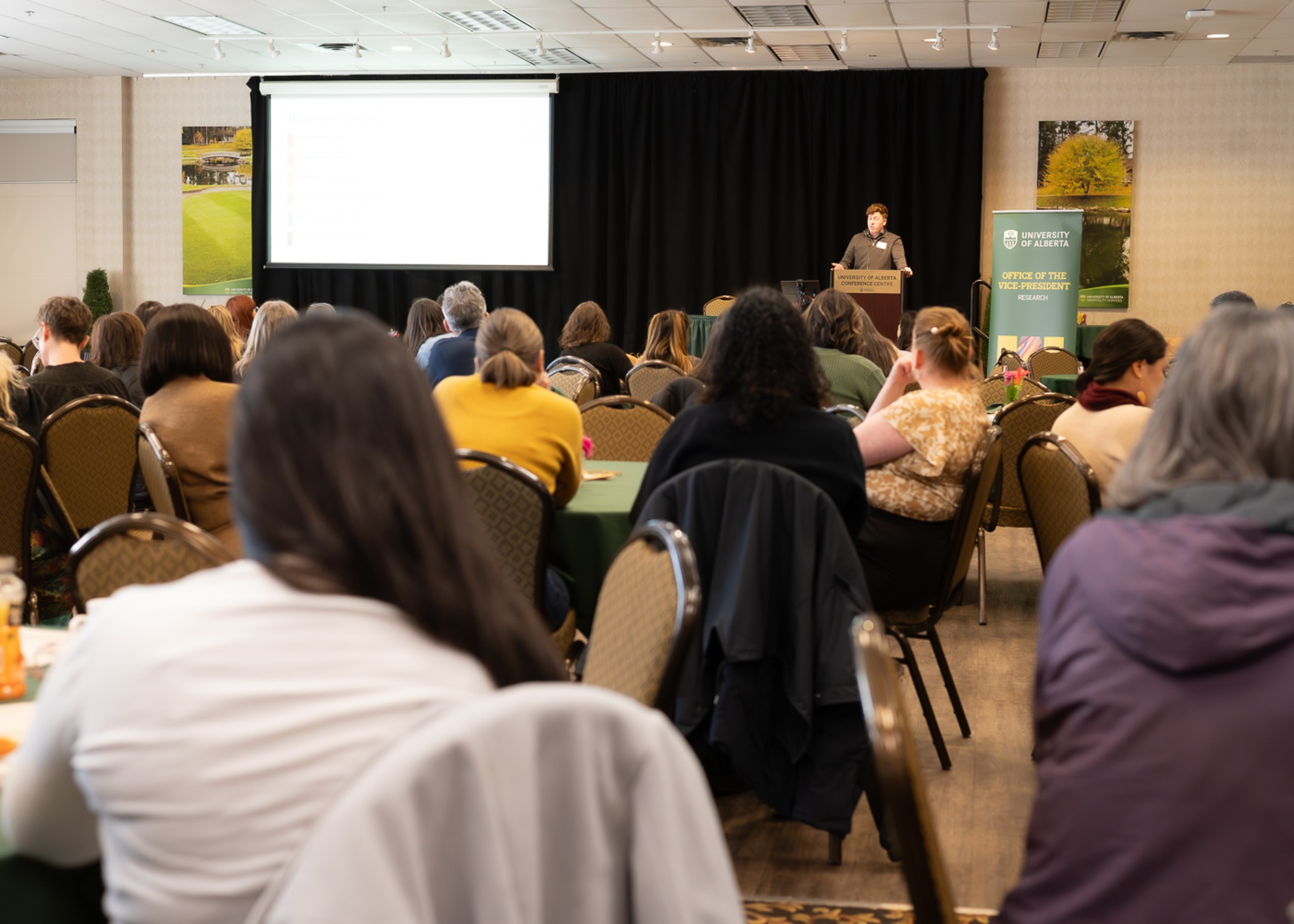
Presentations with Zam DeSheilds, Consultant (Indigenous Data, AI, and Governance).