
I write this from Inuvik, my hometown, where my work has brought me together with residential school Survivors, families and community members. Being here reminds me of the relationships that sustain this work, and why I remain hopeful about what we can accomplish together. As we approach the National Day for Truth and Reconciliation, I want to share some of that hope with our university community.
Eleven years have passed since the Truth and Reconciliation Commission of Canada released its 94 Calls to Action in 2015. That is a short time in the histories I study, although it can feel painfully long when we consider the changes that Survivors and their families have spent decades seeking. I also believe we have made meaningful strides. I find that encouraging, and I want us to keep going.
There are well-founded critiques of the pace of reconciliation, including the implementation of the Calls to Action. Accountability matters. We should ask difficult questions about what governments, universities and other institutions have committed to, and what they have delivered. Alongside those questions, I want us to recognize the learning and relationship-building taking place, and the people whose sustained efforts make change possible. We need to be able to recognize progress while continuing to expect more.
The late Murray Sinclair, who chaired the Truth and Reconciliation Commission, reminded us that reconciliation is the work of generations. It asks us to understand the scale of what needs to change and to take responsibility for our part in it. The work we do now will shape what becomes possible for our children and grandchildren. They will inherit the relationships we build, the decisions we make and the responsibilities we leave unfinished.
In a recent conversation, Marie Wilson, who served as a commissioner alongside Sinclair, reminded me that the 94 Calls to Action are not simply a checklist. They are meant to generate conversations, encourage critical thinking, and change society and its systems at their core. That conversation has stayed with me. What changes in our thinking, our practices and our relationships because we have taken this work seriously?
At a university, these are questions we are well placed to explore. We have opportunities to read, listen, debate and reconsider what we thought we knew. We can bring that learning into classrooms, research partnerships, administrative decisions and conversations with colleagues. September offers many invitations to begin. My hope is that we carry the curiosity and commitments arising from this month into the rest of the year.
The 150th anniversary of Treaty Six offers one such invitation. Take time to engage with its histories: read the written treaty alongside First Nations’ accounts and understandings, participate in a public anniversary gathering when invited or pick up a book about treaty relationships. A short article can also be a useful beginning. Learning does not have to start with an ambitious reading list. It can start with a question you want to understand better.
Reading about Treaty Six alongside the history of the Indian Act can help us consider the relationship between treaty promises and the policies Canada pursued. These histories give us tools to understand the political context we live in today. They help us ask better questions about land, governance, education and the responsibilities that come with living and working here. That learning matters when we encounter a news story, listen to a political argument or decide how to respond.
When I co-authored 150 Acts of Reconciliation in 2017, we wanted to offer accessible ways for people to begin. I still believe in the value of those beginnings. Read Indigenous scholarship and think about how it might change your teaching. Learn about the nations whose territories are connected to your research. If you invite an Elder to campus, prepare thoughtfully, ensure they are compensated and follow up afterward. Give relationships the time and care they need to continue.
We can also help one another keep going. Spend time with Braiding Past, Present and Future: University of Alberta Indigenous Strategic Plan, and consider where you can contribute through your own work. Discuss it with colleagues. Ask whether a commitment made in September has found its way into a course, a budget or a plan for the coming year.
My hope comes from the people doing this work, and from the opportunities I see for more people to join them. As September ends, choose something you want to carry forward. Return to it in November, February and June. We have work to do, and good reasons to be hopeful about the year ahead.
A hopeful invitation to our university community
September 24, 2026 By Dr. Crystal Fraser
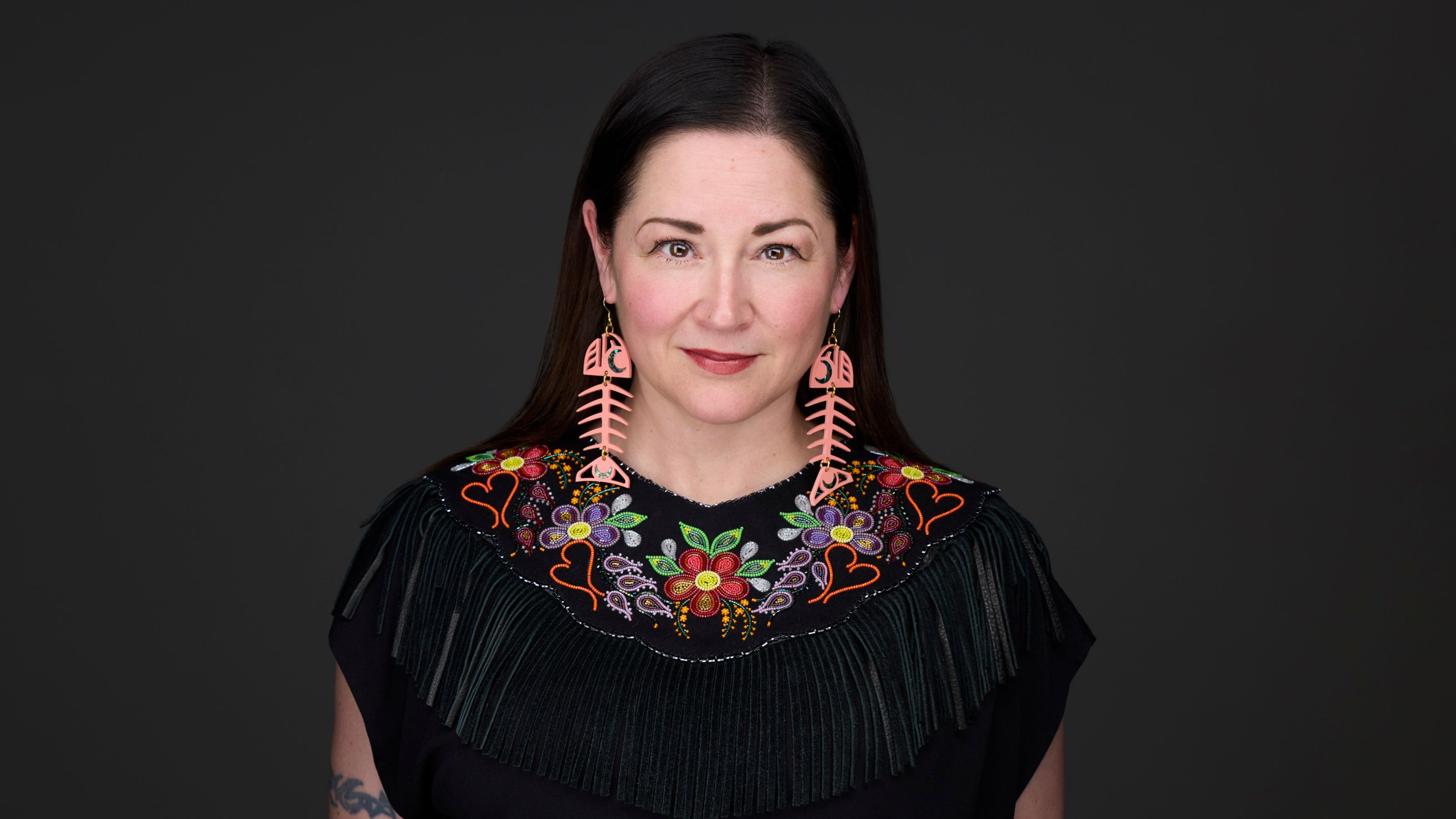
Dr. Crystal Gail Fraser, historian and Indigenous studies scholar at the University of Alberta.
About Crystal
Dr. Crystal Gail Fraser is a historian and Indigenous studies scholar at the University of Alberta whose work centres on Indigenous histories of colonial schooling, oral history, governance and community-driven research in the Canadian North. She is the author of By Strength, We Are Still Here: Indigenous Peoples and Indian Residential Schooling in Inuvik, Northwest Territories and co-author of the national bestseller Talk Treaty to Me: Understanding the Basics of Treaties and Land in Canada. Her scholarship and public engagement were recognized with a Governor General’s Award for Scholarly Excellence (2025). She leads Survivor-centred, community-engaged projects that support public education, Indigenous methodologies and truth-telling grounded in Indigenous knowledge systems.