
In the Community
Meet the U of A's Fall 2026 Canada Research Chairs
October 23, 2026
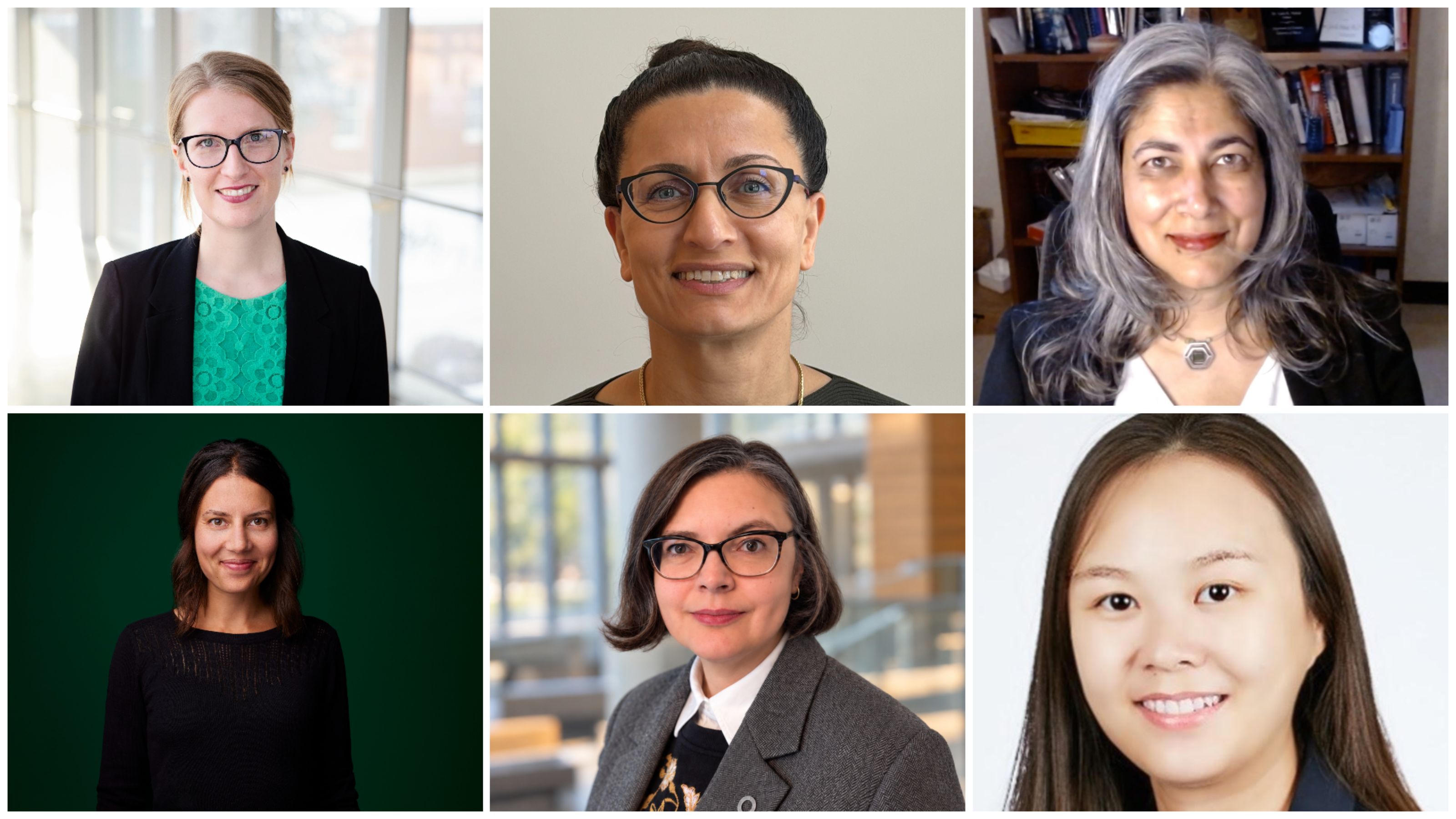
Sherilee Harper
School of Public Health
Tier 1 Canada Research Chair in Climate Change and Health Equity
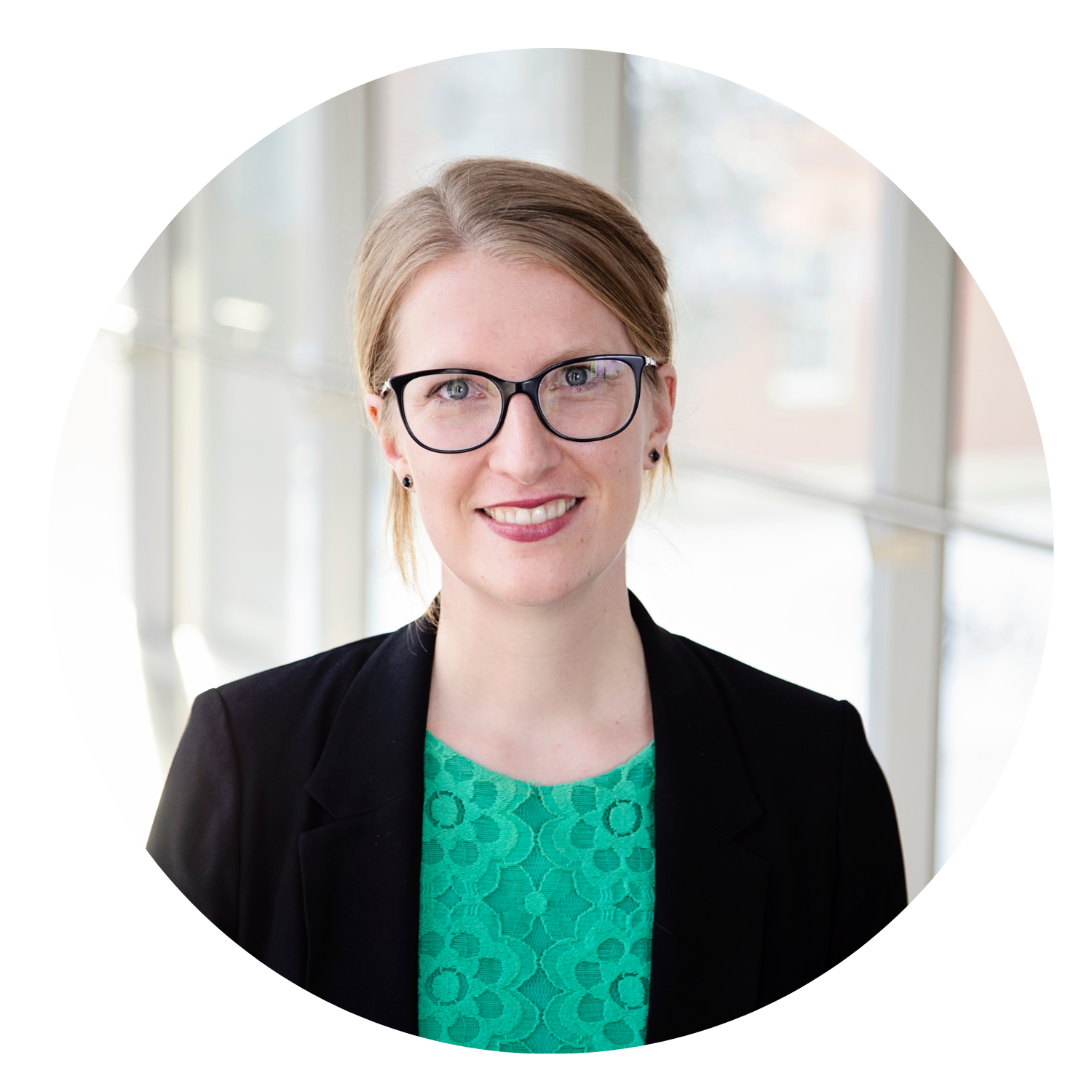
Climate change poses severe, widespread risks to both physical and mental health, with the hardest hit communities often facing the greatest inequities. Dr. Sherilee Harper leads international research to help the health sector understand and respond to these challenges. By working directly with local communities and equity-deserving groups, her work brings local voices and priorities into global decision-making.
Her research team focuses on four key goals: developing innovative collaborative methods to study climate health impacts, training future leaders, shaping government policy and connecting scientists with public decision makers. Through collaborative and community-led research, Sherilee creates practical, science-backed solutions that protect public health, promote equity and build long-term resilience against climate change worldwide.
Zamaneh Kassiri
Faculty of Medicine & Dentistry
Tier 1 Canada Research Chair in Cardiovascular Extracellular Matrix
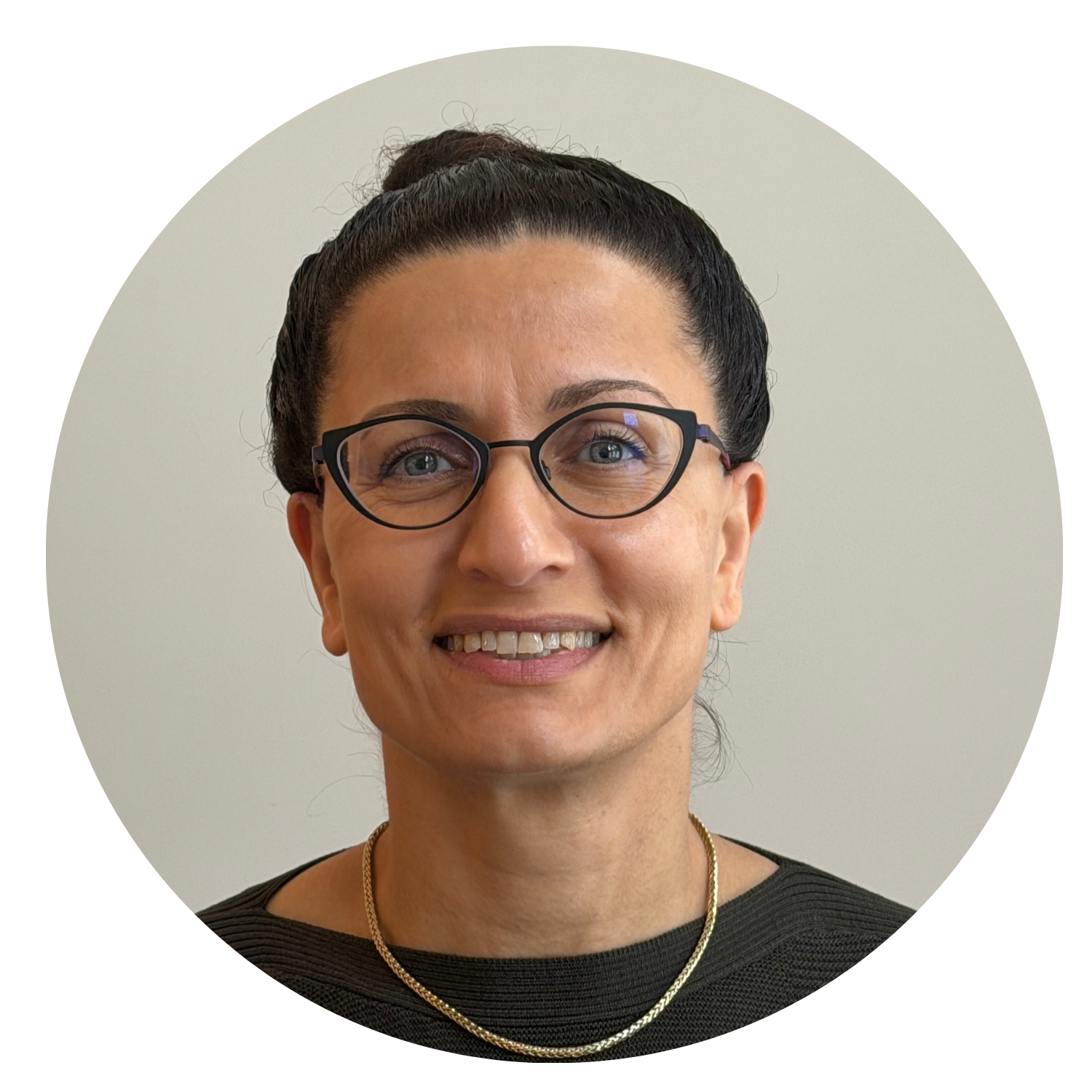
Dr. Zamaneh Kassiri investigates how remodeling of the extracellular matrix in the heart and blood vessels affect the progression of cardiovascular diseases. Her team creates animal models of human conditions like heart attacks, high blood pressure, atherosclerosis and aortic aneurysms. By altering specific genes at different stages of illness, her lab pinpoints exactly how individual proteins contribute to disease outcomes.
Instead of broad treatments that cause unwanted side effects, Kassiri Lab uses targeted therapies, including specialized inhibitor drugs and nanoparticle delivery systems. By collaborating with scientists, surgeons and cardiologists while utilizing human tissue banks, her research bridges the gap between laboratory discovery and precise treatments for patients with heart and aortic disease.
Lara Mahal
Faculty of Science
Tier 1 Canada Research Chair in Glycomics and miRNA
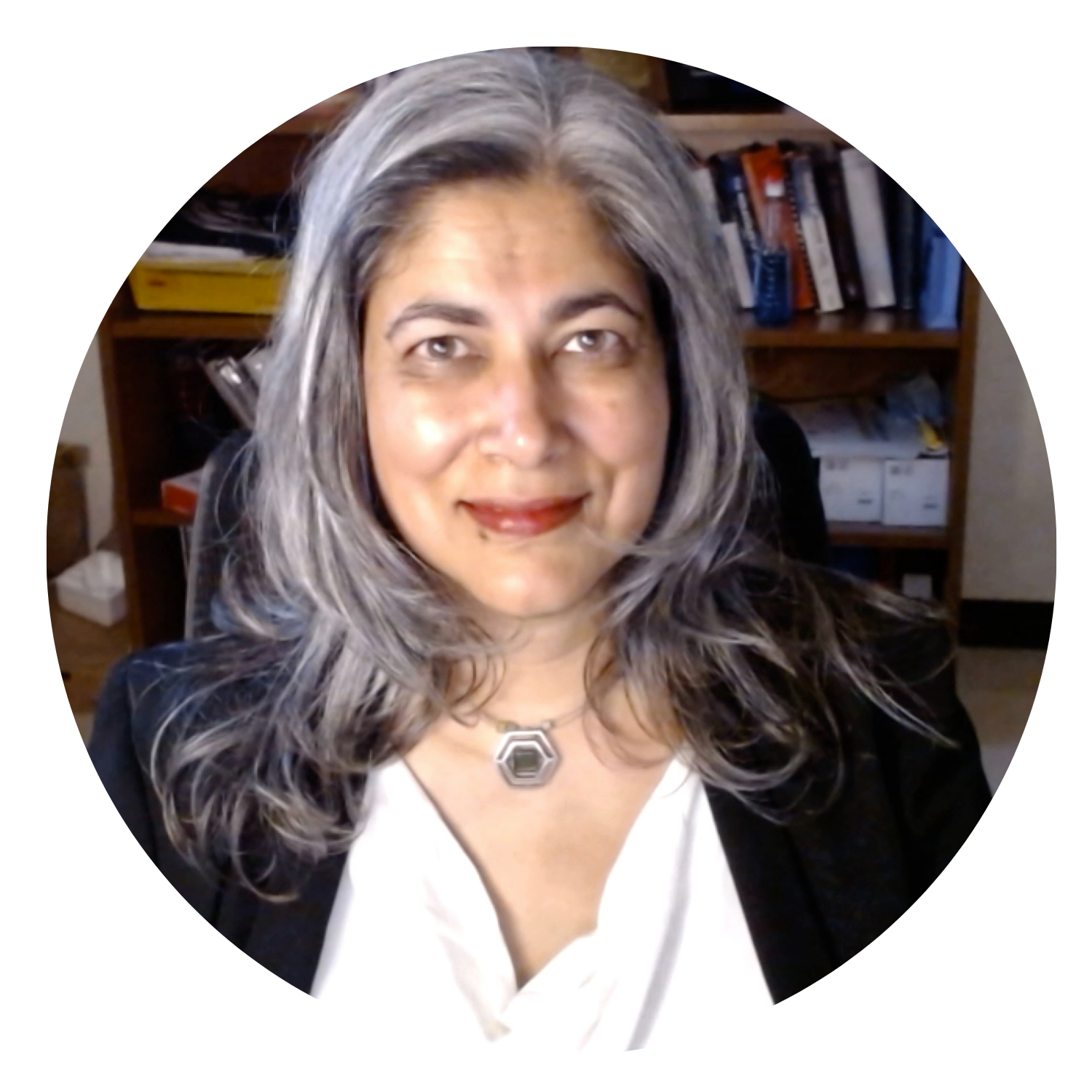
Dr. Lara Mahal focuses on glycomics, which is the study of complex sugars known as glycans to advance personalized healthcare and precision medicine. Her research team works to understand how these complex carbohydrates influence disease mechanisms and overall human health.
Her program centres on three key goals: analyzing complex sugars in patient groups to guide customized care, creating high-speed technology to study glycan changes in diseases and unraveling how specific molecules called miRNAs regulate these processes. By combining chemical biology, biochemistry and clinical research, Lara identifies new markers and targets for disease. This work paves the way for effective next-generation medical treatments.
Hannah O’Rourke
Faculty of Nursing
Tier 2 Canada Research Chair in Applied Quality of Life Research in Aged Care
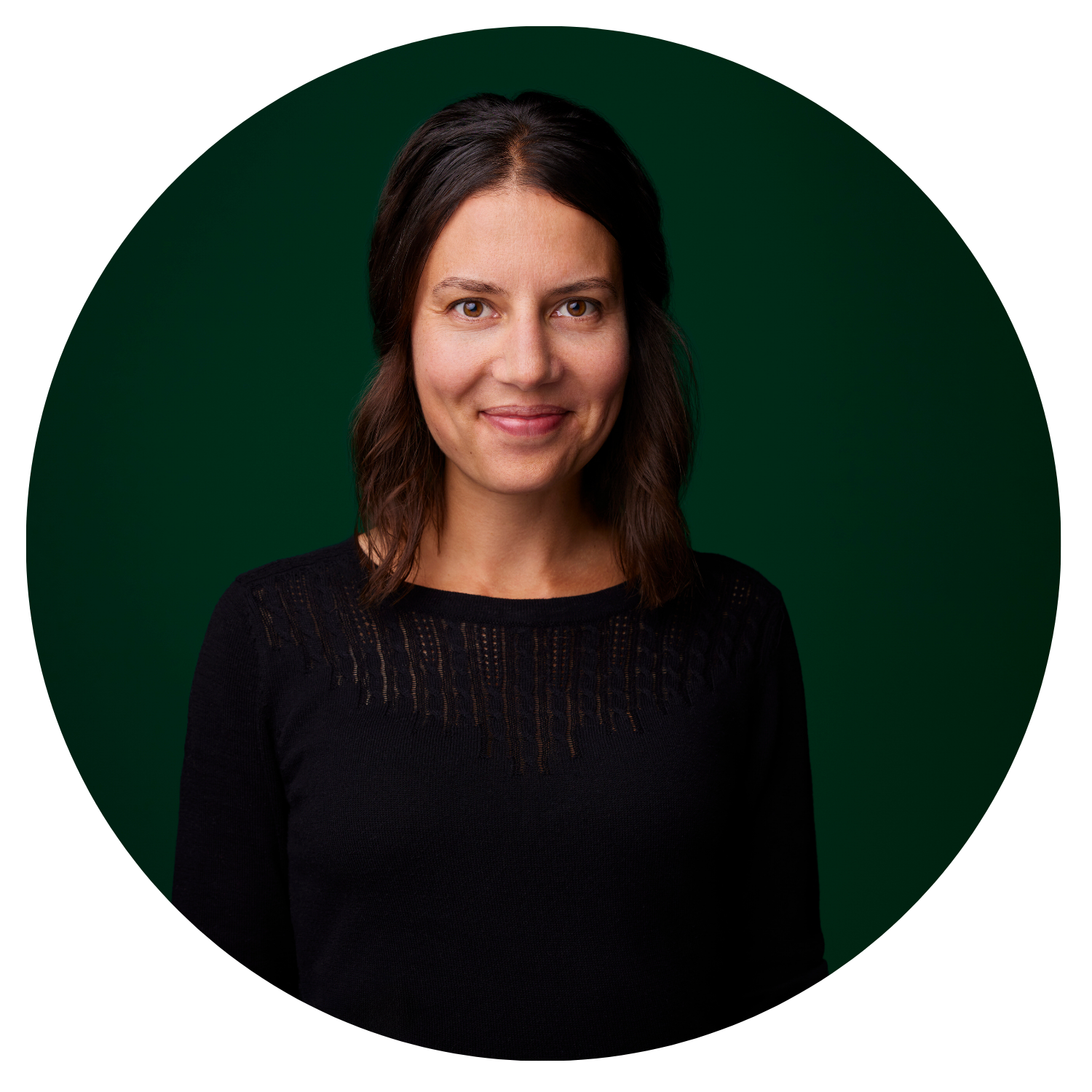
Dr. Hannah O’Rourke leads research to reduce loneliness and improve the quality of life for older adults living with dementia in care homes and their intergenerational networks. This group faces a high risk of loneliness, which is a major public health concern. To address this issue, Hannah develops flexible programs centred on music, personal contact and accessible social support.
Her team follows a step-wise process to rigorously design, adapt, test and roll out these care programs on a wider scale. By partnering directly with care homes, community groups and people with lived experience, Hannah creates effective, tailorable solutions to shape healthcare practices and policies and support older adults and their family and friend networks.
Peggy St. Jacques
Faculty of Science
Tier 2 Canada Research Chair in Cognitive Neuroscience of Immersive Memory
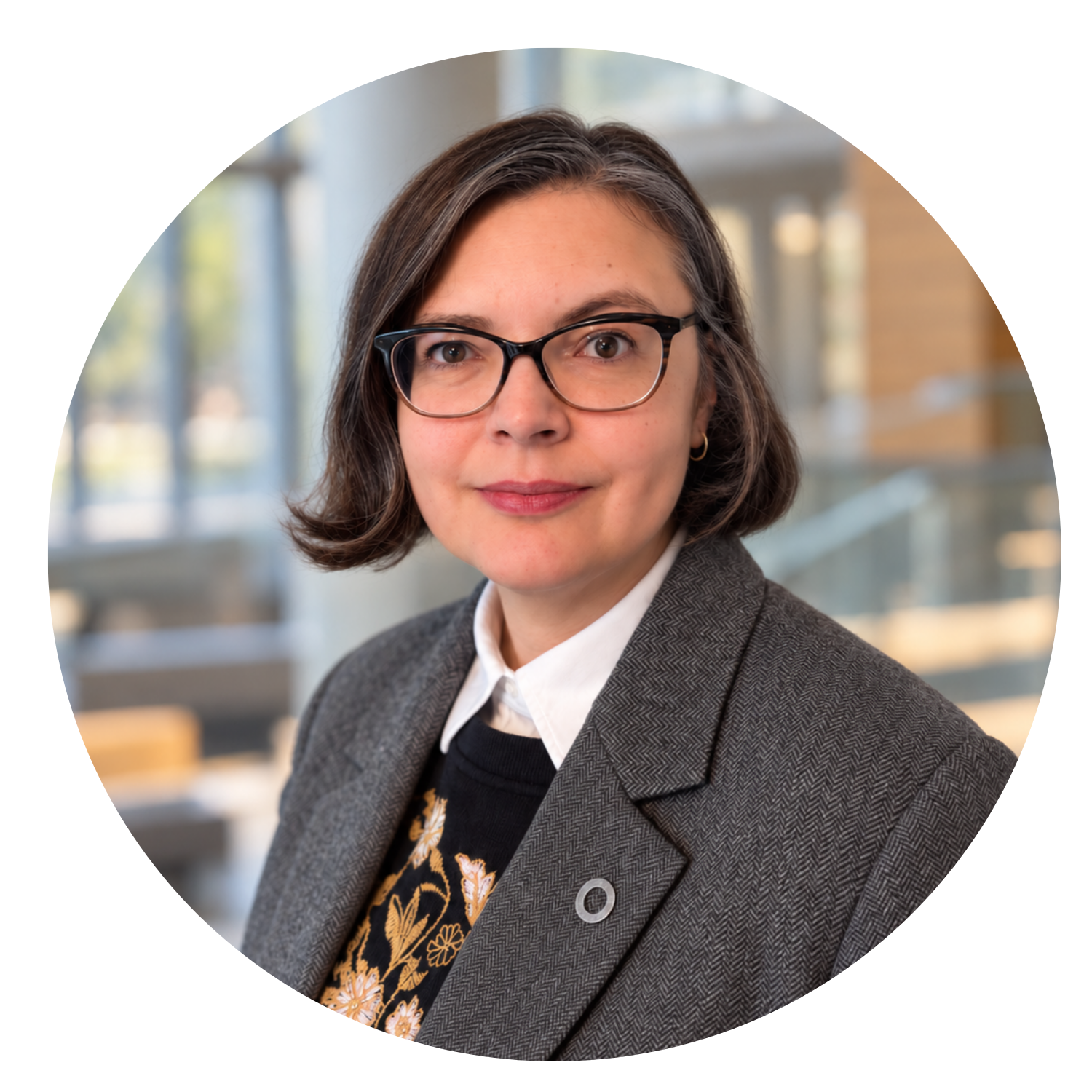
Dr. Peggy St. Jacques investigates how the human brain forms, recalls and transforms memories of our personal experiences. Her lab uses cutting-edge virtual reality technology inside MRI scanners to recreate lifelike events in controlled laboratory settings. This approach allows researchers to investigate how the brain represents the spatial details of experiences and why our memories, including the perspective from which we remember them, can change over time.
Her research combines neuroscience, psychology, virtual reality and artificial intelligence to analyze how people reconstruct and describe their past. By understanding how real-world memories are formed and altered, Peggy aims to advance our understanding of how memory supports everyday life and why it becomes disrupted in conditions such as Alzheimer’s disease and post-traumatic stress disorder (PTSD).
Ning Xiang
Faculty of Agricultural, Life & Environmental Sciences
Tier 2 Canada Research Chair in Cellular Agriculture

Dr. Ning Xiang is building a research platform to address key challenges in cellular agriculture and food biomanufacturing, particularly cultivated meat production. Her program aims to strengthen Canada's leadership in sustainable food production by developing scalable technologies for next-generation food manufacturing. Her team develops animal cell culture technologies, food-compatible scaffolds and advanced bioreactor systems to enable the scalable production of cell-based foods.
To make production affordable and resource-efficient, Ning designs advanced recycling strategies that remove waste and reuse cell culture media. Her holistic approach combines cell biology, materials science and bioprocess engineering. This work aims to reduce resource consumption, creates opportunities for Canadian intellectual property and trains future scientists to support long-term food security and economic growth.