
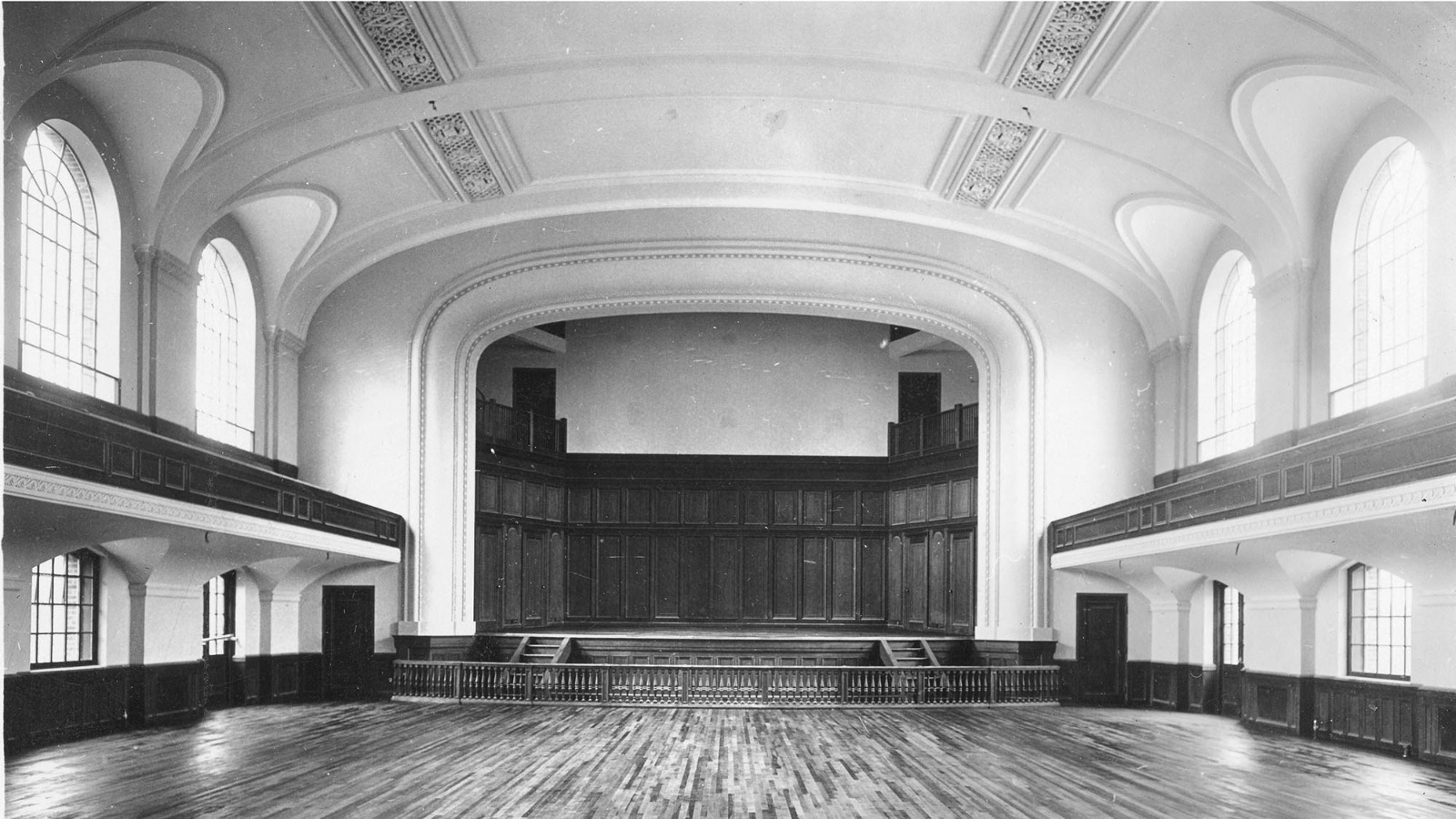
In recent weeks, many in our community have expressed concern about the future of the Casavant organ in Convocation Hall. Those concerns are sincere and reflect a deep appreciation for the instrument and the role it has played in the life of the university and the city. That attachment is very real and deserves the utmost respect.
At the same time, we have a responsibility to ensure that Convocation Hall effectively serves students and community members today and into the future. While its name reflects its history, the hall is no longer used for convocation ceremonies. It now functions primarily as a performance and teaching venue for the Department of Music in the Faculty of Arts, as well as a space for community events.
It is important to note that Convocation Hall is not being repurposed. Following the renovation, it will continue to serve as the primary performance venue for the Department of Music and as a space for community events. The renewal of the hall – which will include the professional removal and rehoming of the 1978 Casavant organ – is intended to enhance the experience of students, performers and audience members.
We hold a deep appreciation for the organ, particularly its role in the education of Department of Music alumni. While we no longer have a formal organ stream in the BMus program, we recognize that the removal of the organ will impact other aspects of life in the music department, and we look forward to working with the department on ways these can be meaningfully addressed.
Three considerations are paramount in the renovation of Convocation Hall, each grounded in our responsibility to provide an exceptional student experience, ensure broad community access and honour the history entrusted to this space.
First, accessibility. Convocation Hall does not meet current building codes and standards, including life safety and accessibility requirements. In particular, the presence of the organ covers the only feasible point of access between the Convocation Hall balcony and the second level of the Old Arts building, which provides the sole elevator access. Because of this, the organ’s location and structural integration make the balcony inaccessible to individuals with mobility challenges – particularly those who rely on wheelchairs or walkers – as it can currently be reached only by stairs.
The building code also sets out minimum, mandatory requirements for features such as adaptable seats for wheelchair users, access to washrooms, fire safety and emergency exits. These standards must be met in the context of any construction on the balcony level.
The current accessibility restrictions are not acceptable for a central performance and gathering venue for our university and community, and we have a responsibility to address these. A space used for performances, teaching and community events must be safe and fully accessible for all, not just some.
Second, capacity and functionality. The renovation will increase seating by 40 per cent, adding approximately 150 seats, including many that offer optimal viewing and acoustics. Demand for this space has long exceeded its capacity. The renewal will allow more people to participate while restoring the hall as closely as possible to its original 1915 Beaux Arts design.
These first two objectives cannot be achieved while retaining the organ. That is the difficult reality at the centre of this decision.
Third, is our commitment to remembrance. The entrance to Convocation Hall includes a memorial to members of the University of Alberta community who died in the First and Second World Wars, and that history carries deep significance. We understand the strong connection to the 1978 Casavant organ, and we recognize the depth of that association.
While the organ will be removed, we are working with partners – including the Royal Canadian Legion – to ensure this history is not only preserved but meaningfully strengthened. This will include the development of an expanded and formally rededicated memorial within Convocation Hall that honours both the organ’s commemorative role and those who have served Canada, including in conflicts since the Second World War. Our commitment is to ensure that the hall remains a dignified and enduring place of remembrance.
The university is fully committed to finding a new home for the organ where it can continue to be played and appreciated. Several serious inquiries have been received and will be assessed responsibly. The removal is not imminent, and when it occurs, it will be carried out to the highest professional standards. The instrument will be carefully dismantled and stored until a suitable home is secured. Our goal is to gift it to a charitable or not-for-profit organization that can act as a good steward of the organ and support its next chapter.
As the renovation progresses, we will consult closely with the Department of Music about the program and performance-related aspects of the hall, including stage redesign, acoustical upgrades, technological enhancements and improved dressing rooms. This will occur primarily through departmental leadership representation on the project design committee, as well as direct updates and consultations with the Music Department Council.
Convocation Hall will emerge from this renewal as a more accessible and functional space – one that better serves students, performers and audiences while respecting its history.
Dr. Robert Wood
Dean, Faculty of Arts
Dr. Chris Andersen
Vice provost and dean, College of Social Sciences & Humanities
Read the original op-ed in the Edmonton Journal.