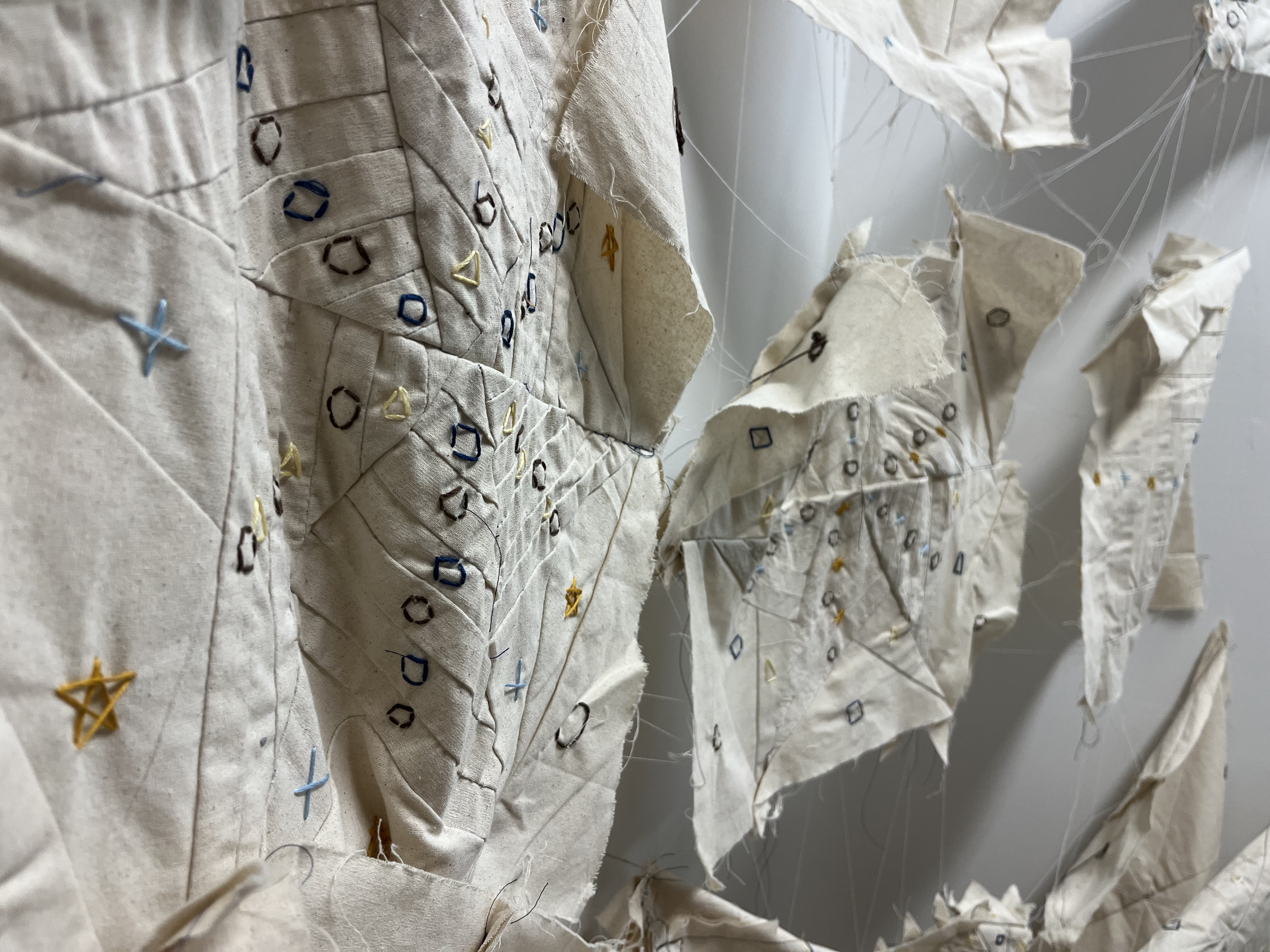
When I first started my career in art, I was completely captivated by artists with distinct and unique styles. Often, when an artist has a unique way of creative expression, their work becomes instantly recognizable. This was something I wanted to achieve in my own practice.
Having a signature method of creating not only makes your work recognizable in a gallery, but it often means something more. It means you understand who you are as an artist, what you stand for and what your message is to the world.
When I started my undergraduate degree, I had only a vague sense of my interests and what themes I wanted to focus on. If you’re at this stage now, it's really important to understand that the process is individual and that it takes time. For some, it comes naturally and easily, but for many others, it takes patience, dedication and, most importantly, continuous effort.
When you first start, art-making can be really intimidating. But keep in mind that the art form you begin with doesn't have to be your practice five years or even six months from now. You’re allowed to shift your practice completely, however many times you need to, to find what sticks.
For me, it meant a lot of trial and error, and my art looked different month to month. I often felt disconnected from my work. I second-guessed myself a lot and that's okay. This form of research and information-gathering helped me not only find my positioning but also gain a lot of knowledge and experience. I’m a better artist because of it.
One of the most helpful shifts for me was realizing that developing your own personal style isn't necessarily about what art you like or admire. Your voice and message as an artist are not the same as your taste 100% of the time. For example, I love and admire multiple forms of art, but when I tried landscape painting, something didn't fit thematically and materially. I was feeling called to different subject matter and eventually, I started developing multiple bodies of work.
Your voice is unique to you and only you. No one else has your perspective and your lived experiences. The question you should ask yourself is: What do you want to communicate?
Another huge turning point was immersing myself in community and art history. Exposure to different art movements, artists' experiences and ideas really expanded my vision of what was possible. I strongly recommend going to gallery receptions, talking with fellow artists and surrounding yourself with the art community where you live. Find areas of art that interest you and find a community that shares your interests. Create connections and relationships — ask questions. This exposure is invaluable.
If there's one thing I’ve learned, it’s that you have to give yourself permission to explore and experiment. This simple habit can be one of the best things you do for your practice. Give yourself grace and trust that you will find your way and find where you fit.
Many artists go through periods of burnout or block. It’s a real thing and not uncommon for artists to shift their practice to fit their life. Through consistent reflection and refinement of your craft, your voice as an artist will shine through and your chosen art form will come together, along with your message.
Be patient with yourself. Art is a journey — partially of self-discovery — and this takes time.
 YouAlberta