 YouAlberta

If I’m being honest, I hadn’t considered the differences between rabbits and hares to be substantial. Long ears, likes clover and hops — that’s all I thought it took to be one.
As I’ve come to learn, however, they are indeed different beings with different attributes, preferences and behaviour. This summer I saw a rabbit and the difference couldn’t have beene more obvious. The ear size for one, but another major difference is the general “cuteness” of rabbits as opposed to hares. As someone who’s grown up in Edmonton, however, I’ve always seen hares (and called them rabbits) and drawn comfort from their presence, so I still think they’re cute.
I always feel better when I see one, like things are going to be alright.
I can’t exactly give a logical explanation to this sentiment, but it’s something my dad passed down to me. Things are going to be ok when you see a rabbit – well, a hare.
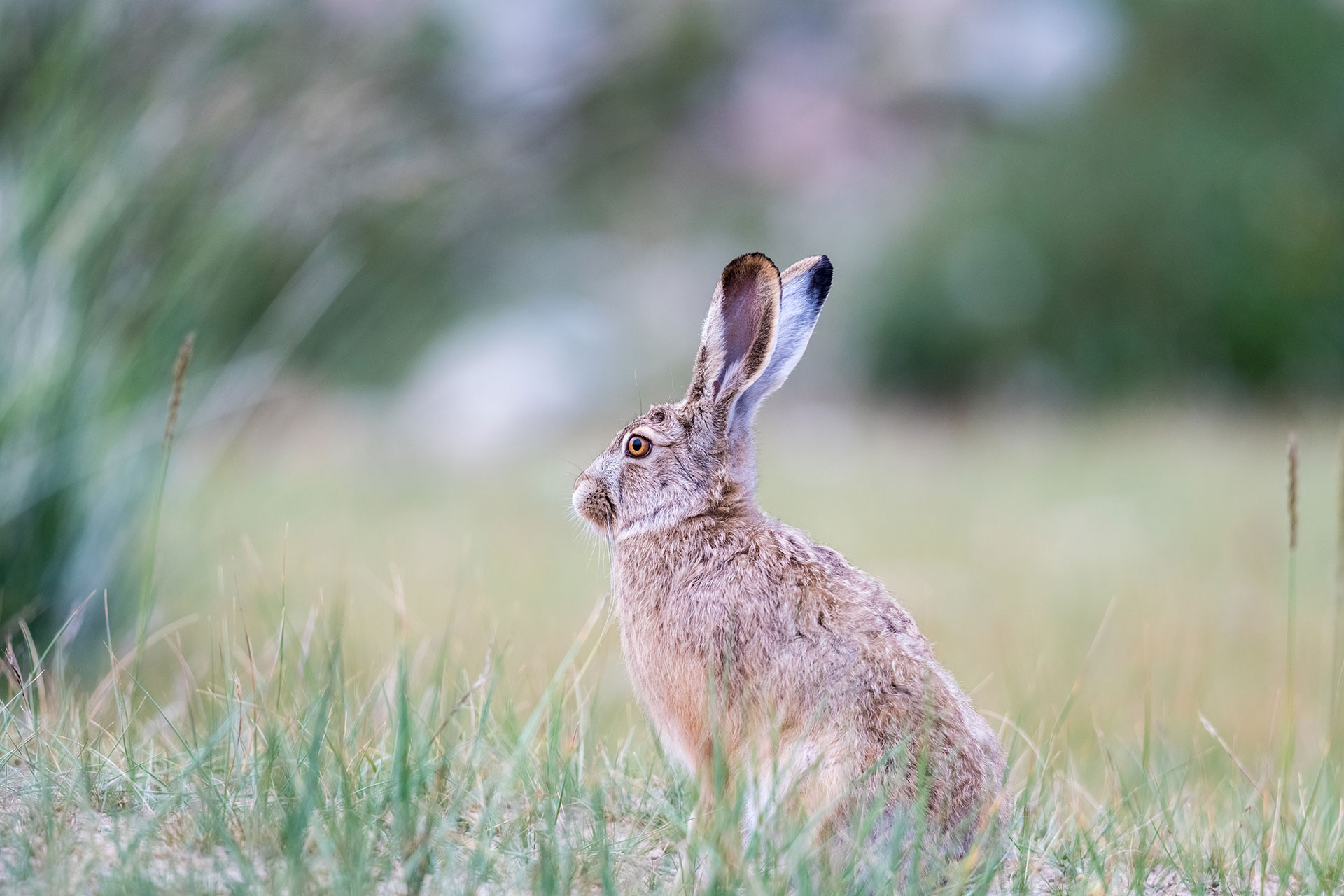
On campus, what you might colloquially refer to as a rabbit is most likely a hare – more specifically, a white-tailed jackrabbit or a snowshoe hare. Both change their fur colour to white in the winter, but the white-tailed jackrabbit tends to be a grey-brown in the warmer seasons, while the snowshoe hare is typically a deeper brown. They’re both part of a class of mammals called lagomorphs, but I’m not certain how colloquial of a term that is (except for among animal science majors, perhaps).
To identify the particular type of hare you’re seeing enjoying a patch of clover, all you have to do is remember the names. White-tailed jackrabbits have distinctive white tails, while snowshoe hares have large, snowshow-esque feet.
The hares on campus are one of my first indicators for the changing seasons.
In the fall, it’s bittersweet as I see white patches of fur join the soft brown, but it also eases me into the change.
Their fur changes colour before the snow falls too much, so I have a few moments to brace myself (and dig out my toque!) before winter comes full force. I typically come across jackrabbits in any grassy spot on campus, and have seen groups of hares hop from Cameron Library to the Humanities Centre. I’ve seen snowshoe hares on fewer occasions – they are smaller than jackrabbits and tend to prefer shaded areas with foliage to hide beneath.
If I notice a hare enjoying a particularly lush patch of clover, I go out of my way to give them a wide berth so as not to interrupt their munching. They frighten easily, and campus has a lot of potentially startling things going on already with the hustle and bustle of foot traffic between classes, so I figure it’s the respectful thing to do to let them have some peace and quiet sometimes.
They also make pleasant study buddies.
I’ve spent hours working on homework near the Humanities Centre pond with hares hanging out nearby.
Campus hares enjoy all sorts of vegetation found on campus. While clover is a classic snack, they also enjoy dandelions, plantain and vetch, which tend to grow amidst grass in lawns. They also enjoy some of my favourite wildflowers! I’ve never seen a hare eat aster, fireweed or goldenrod, but be on the lookout for hungry hares amidst the remaining campus wildflowers!
They like to hide out in shrubbery – when I was working on the first floor of the Katz building, there was a week when a hare ‘came to work’ with us at the Learning Design Studio by hanging out in the shrubs against the side of the building, visible from the shared window. It was wonderful to look out the window mid-workday and see this hare sharing space with us.
Anytime I see a hare on campus, it reaffirms my connection to the prairies and they remind me to stop and listen. I see their huge ears and wonder how they hear campus — what do the thousands of footsteps sound like to the campus hare? I’ll never know the answer, but I’ll keep pondering. I hope you do too.
For more information about hares in Edmonton, check out this website.