YouAlberta


I can feel the seasons changing. The leaves are exploring new shades of yellows and reds to accompany the green foliage I love so much.
Sometimes it feels counterintuitive — the world seems to be slowing down and preparing for winter, while my classes are ramping up with projects, midterms and more.
This time of year can be difficult for many reasons. The amount of daylight we have is shifting, it’s getting colder and seasonal depression is beginning to poke its head up. Something I do to ease the transition is to focus on the ladybugs.
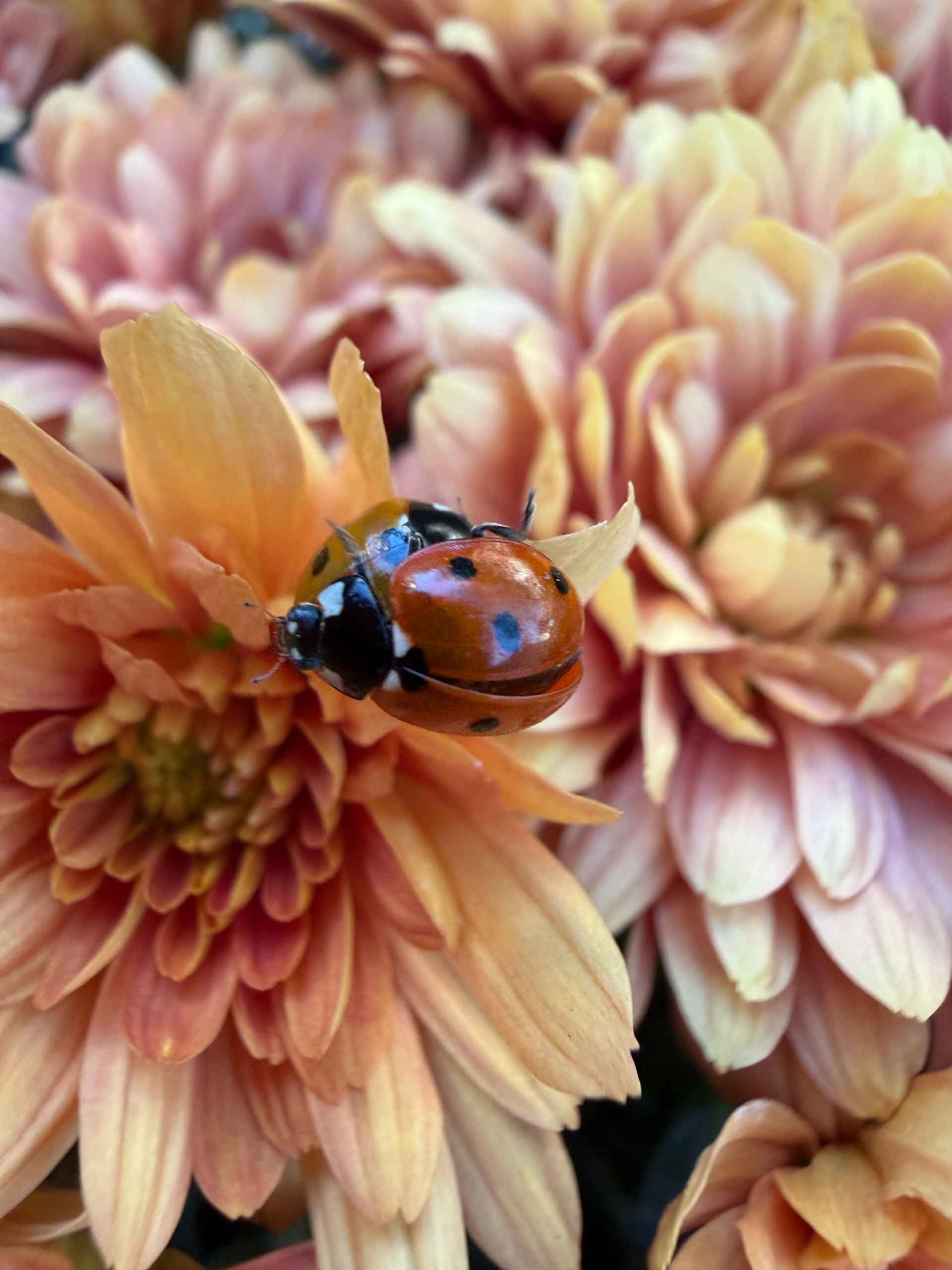
There are 75 species of ladybugs in Alberta — I’ve seen two different kinds on campus. Everyone knows the classic ladybug look; red elytra (the hard shell covering their wings), black spots. The most commonly found ladybug in Alberta is the seven-spot ladybug, an introduced species that has become ubiquitous with the average person's idea of what a ladybug is.
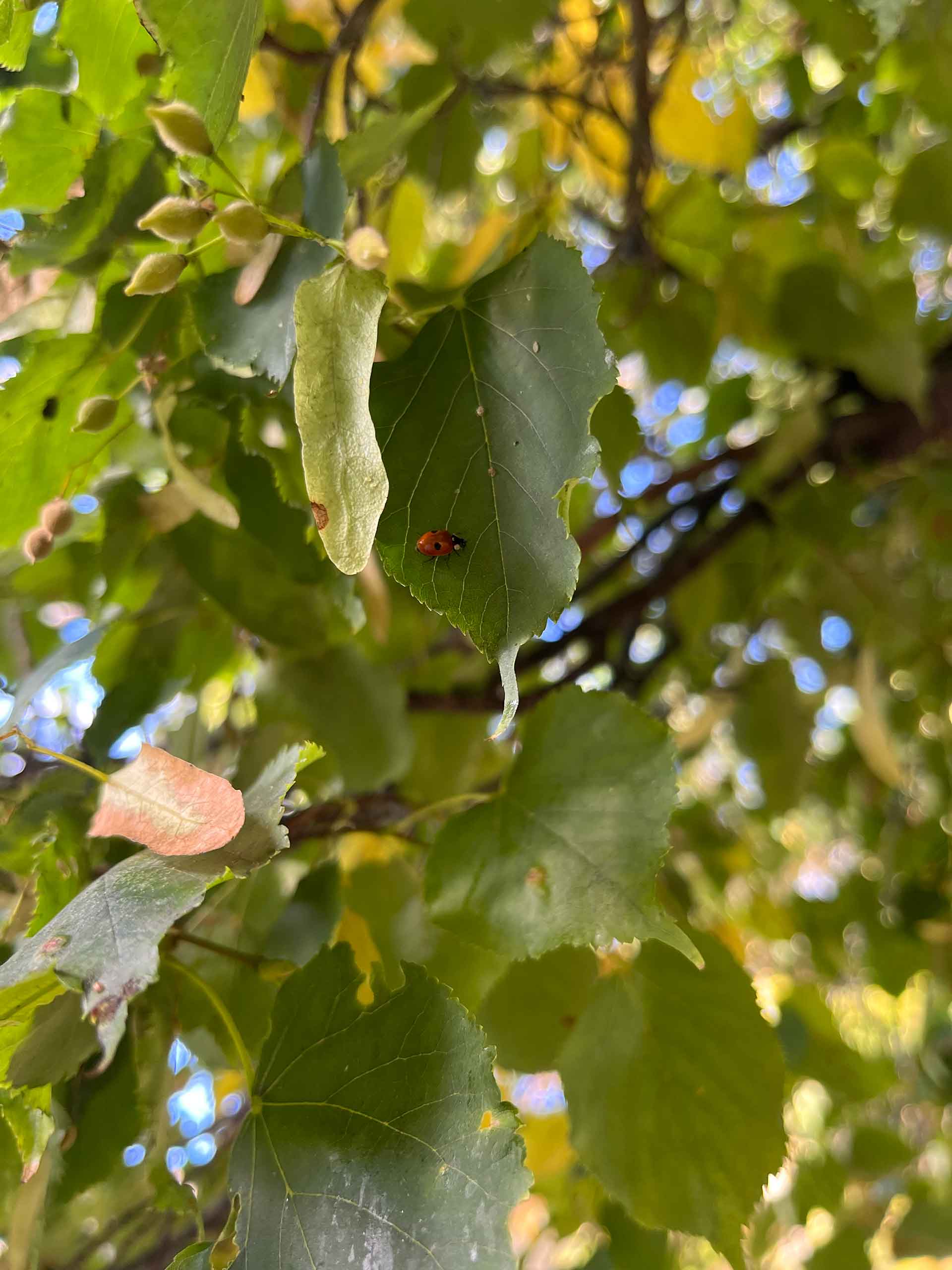
While seven-spotted ladybugs are by far the most common kind you're likely to see amongt the dogwood or snowberries on campus, I've seen quite a few two-spot ladybugs this year — mostly in trees.
They’re smaller than the seven-spot, and have a slightly more oblong body. Instead of seven spots, they have — you guessed it — two spots!
After I spend some time looking at ladybugs, I feel that my brain’s quieter. It's the exact opposite feelingI get after doomscrolling.
I feel grounded and ready to face the challenges and tasks ahead of me. I love noticing details about the ladybugs — how they move, the way they find a sunny leaf and stretch out their wings, the way their legs stretch to reach where they're going.
If you see a ladybug, spend a little bit of time watching how they move. Allow yourself to be curious, and let yourself focus on the bug. Notice the patterns on the elytra — you can tell if a ladybug hatched recently by observing the colour of their elytra — orange is younger, red is older.
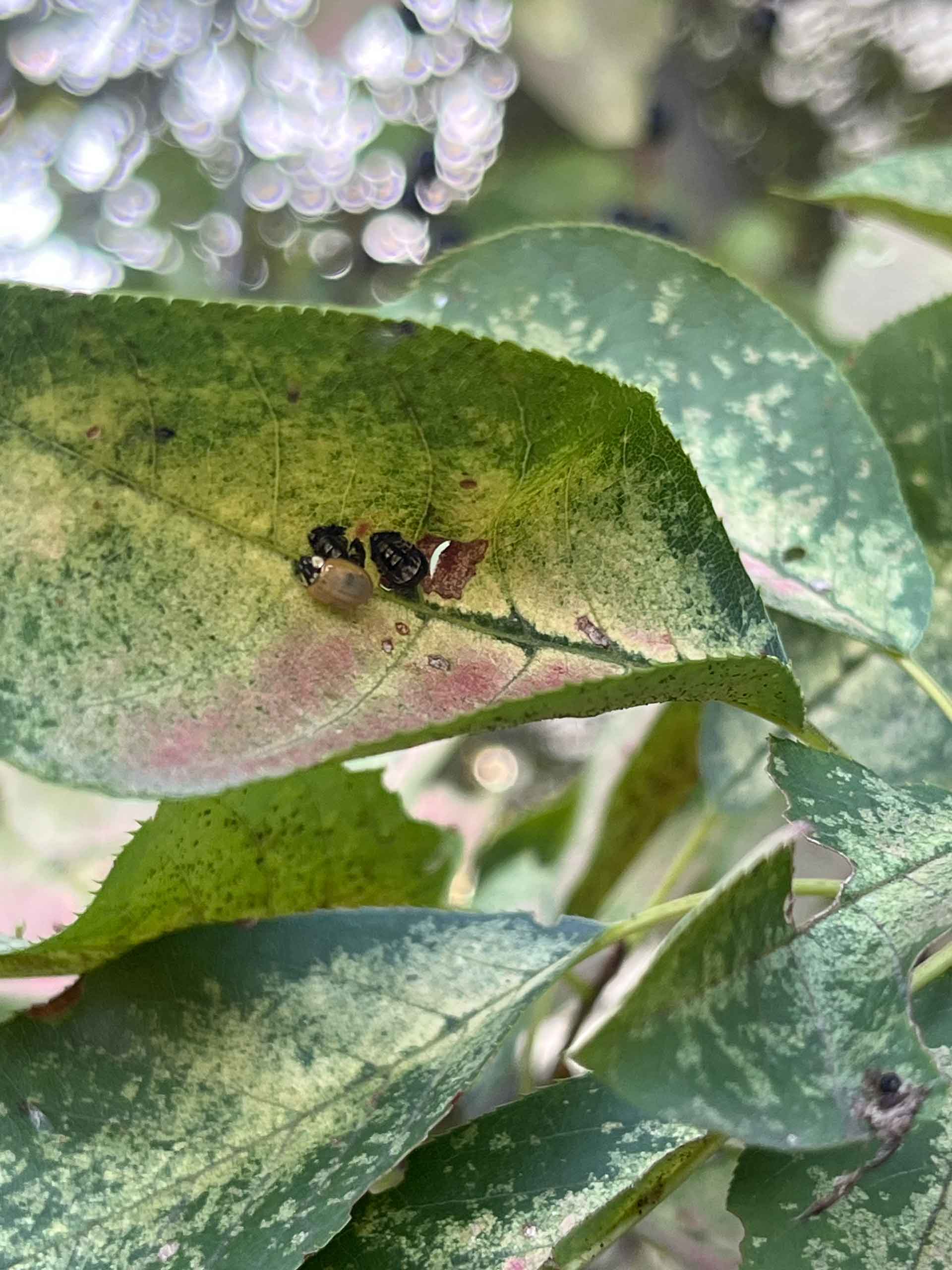
Something I’ve appreciated lately is seeing pupae, where ladybug larvae become their beautiful hard-shelled beetle selves. When they emerge from their pupa, they are pale and don’t have spots yet, and need some time in the sun to gain colour. After a few hours, they gain their classic red hue, and are off to find aphids.
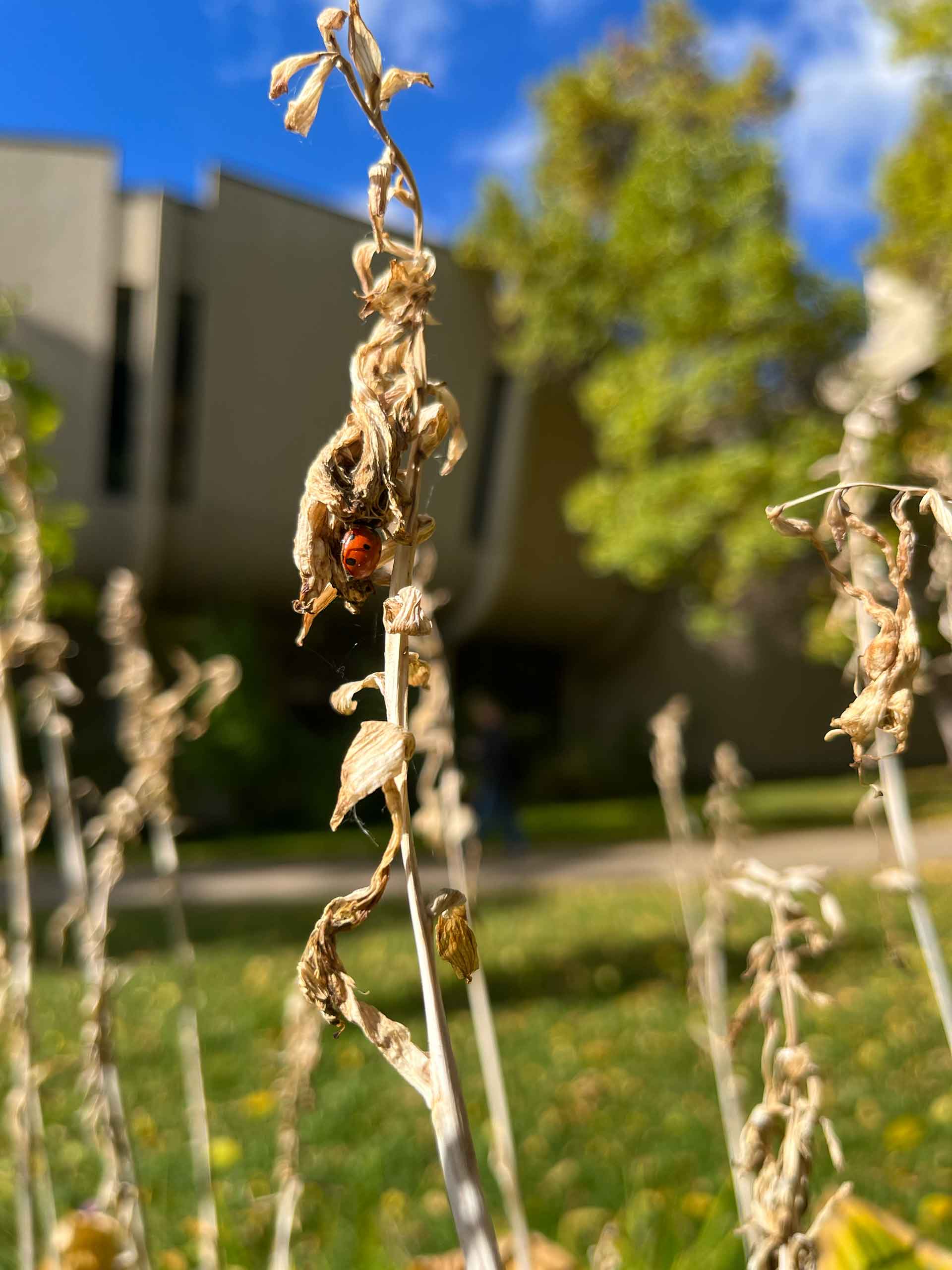
Ladybugs enter a period similar to hibernation, called diapause, over the winter. Their metabolic processes slow down, and the insects remain in standby mode until it warms up again. Right now many of them are bulking up on aphids to prepare.
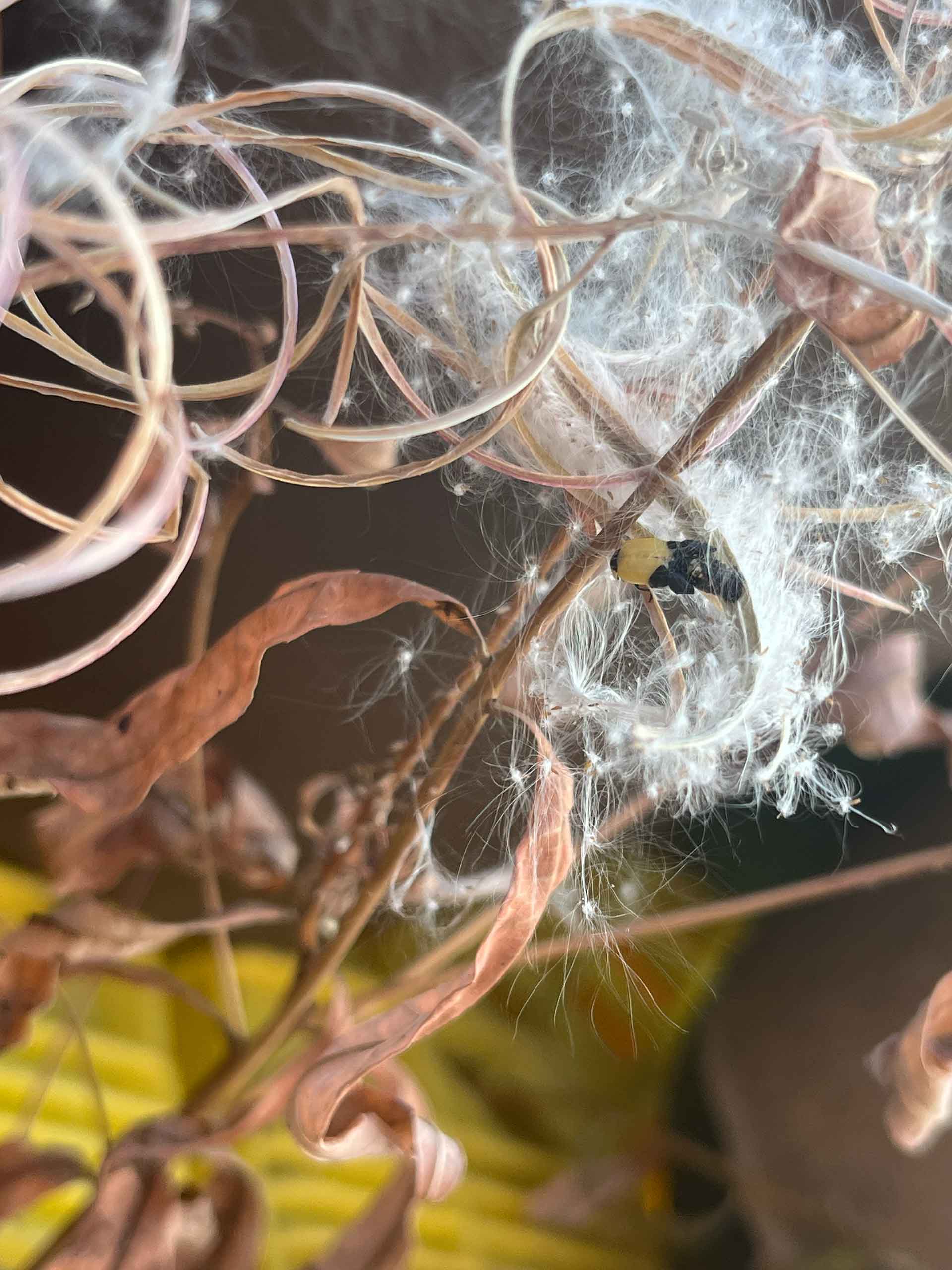
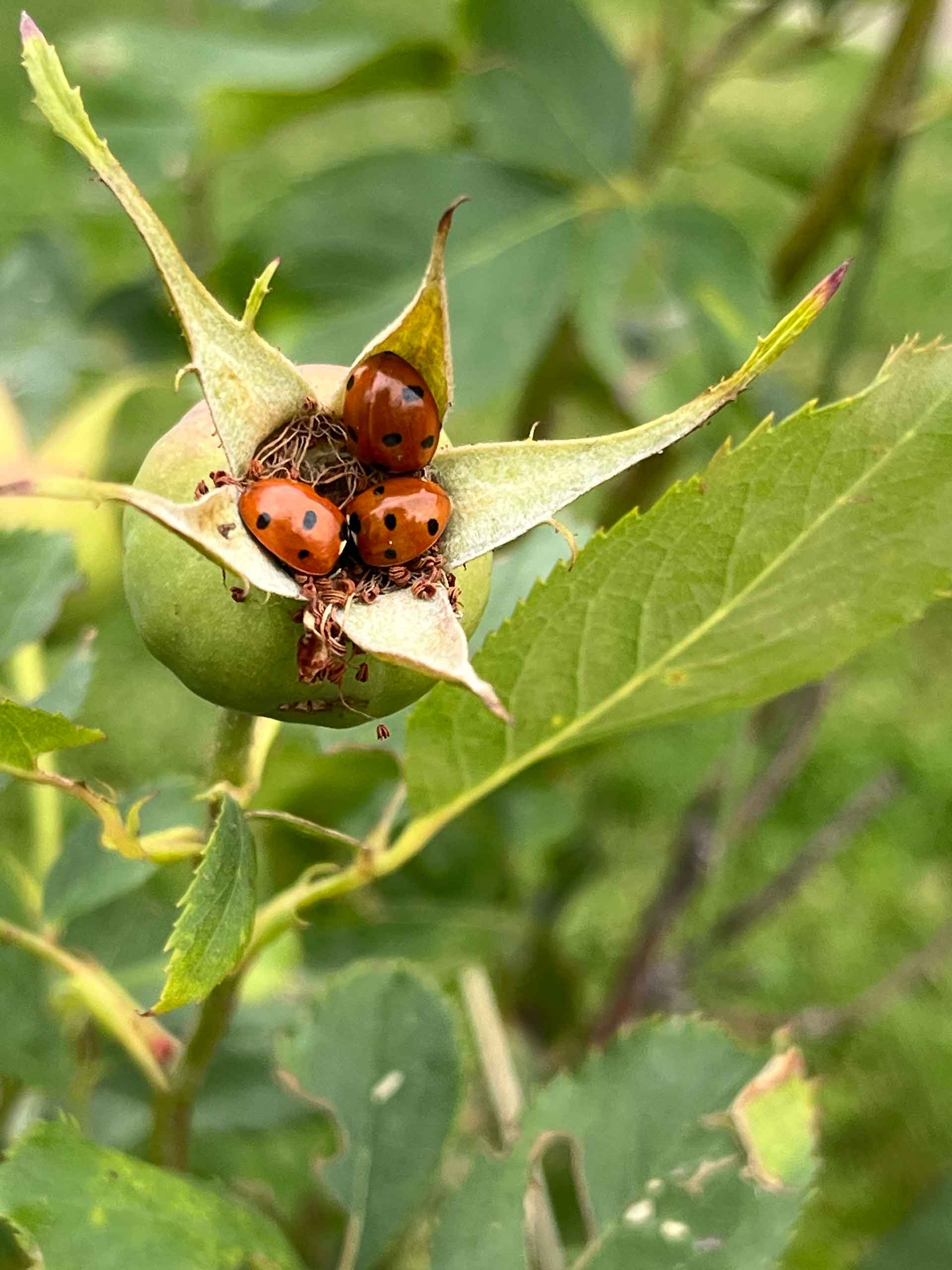
I have plants on my balcony with ladybugs, and while they're still active in the middle of the day, lately they've been slowing down and finding shelter earlier in the evenings. When I walk home from campus I keep an eye on the sidewalk for any wandering ladybugs, and I try to move them somewhere safer, like a patch of tall grass or a shrub. Just because something is small doesn't lessen its value; stopping to care for the bugs reminds me of this.
They like to hibernate close to the ground in groups to preserve energy, amongst fallen leaves. If you’re someone who gets to make decisions about lawn care, a great way to give your garden a leg up in the spring is to rake your leaves to an out-of-the-way place (perhaps around a shrub or in a back corner no one uses). This will give ladybugs and other hibernating insects a place to call home for the winter.
I don't have a yard of my own, but I do have a balcony, and I've decided to keep a lot of my dead plants in pots over the winter to provide a small place for ladybugs in diapause. In a world where climate crises are becoming more and more common, I find it helps ease some of that climate anxiety to take a small, actionable step on my own. Insects are vital members of our ecosystems, and helping them overwinter helps our ecosystems thrive.
As the leaves change colour and fall to the ground, keep an eye out for the ladybugs. There are so many big things in the world that we’re asked to focus on. It's worth choosing to focus a little bit on the little things.