Outreach with Future Energy Systems retrospective
19 August 2026
In November of this year, the Canada First Research Excellence funded Future Energy Systems (FES) will conclude operations after nine years of enabling valuable advancements in energy research in Canada.
One of FES’s many contributions to the field of energy and environmental research was their educational outreach activities. These activities provided opportunities for researchers to bring their findings to the public.
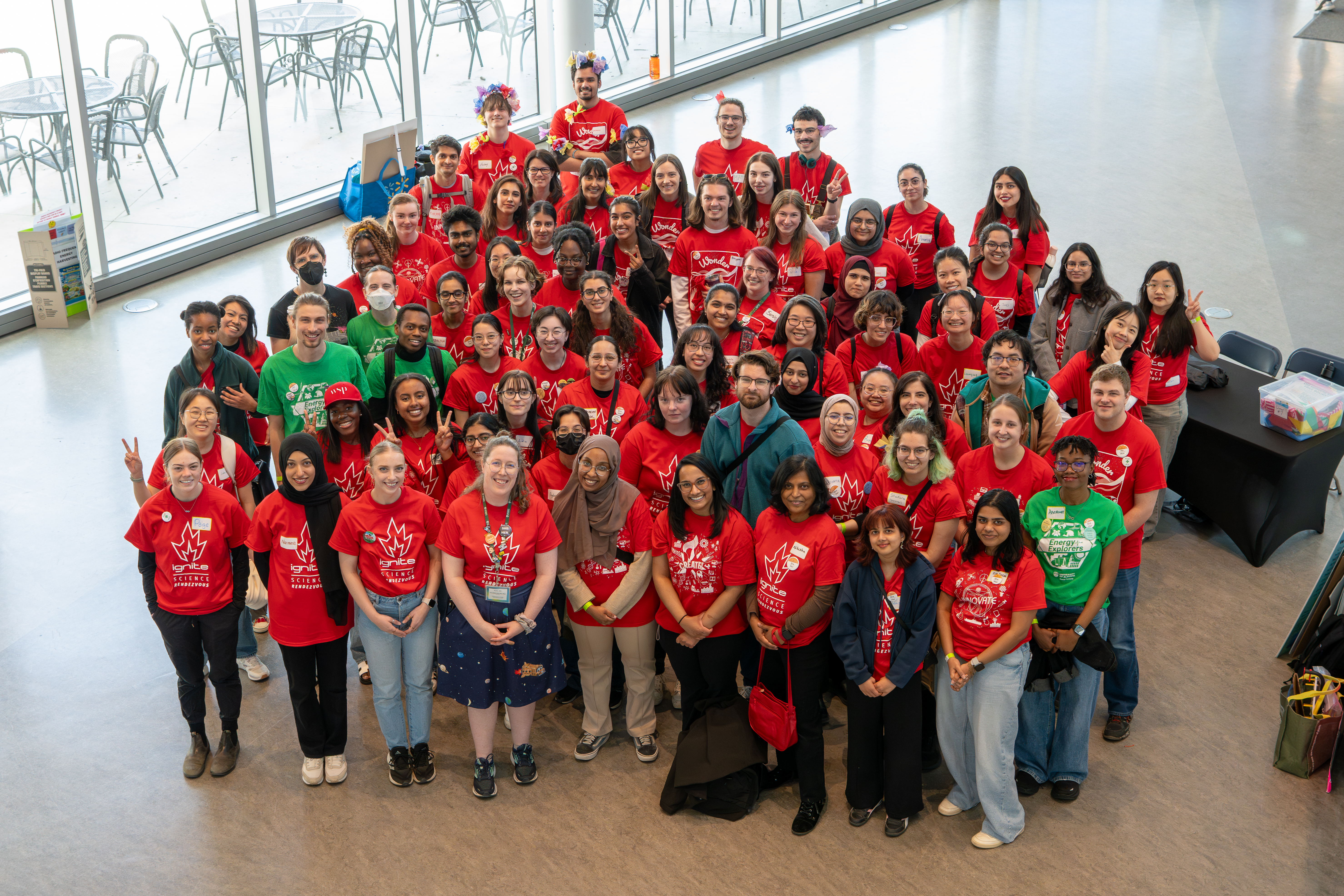
For the last three years, ALI had the honour of joining FES’s team at multiple events: the Science Rendezvous at the TELUS World of Science, the K Days Innovation Zone and the Energy Explorers in Red Deer.
In honour of FES’s final season of outreach activities, the ALI team reflected on our experiences and takeaways from participating in these amazing events.
Year 1
Theme: Benefits of Urban Trees
Research:
The role of urban forests in community adaptation and resilience
Activities:
- Sticker Sheets
- Terrariums
Reception:
For ALI’s very first year participating in the Science Rendezvous, the team put together an activity that highlighted the benefits of urban trees. The Institute's communications officer, Aysha Wu developed sticker cards with custom artwork of the iconic Edmonton skyline. Attendees had the opportunity to become urban planners and add trees, greenery, insects and animals to the city from a large variety of colorful stickers.
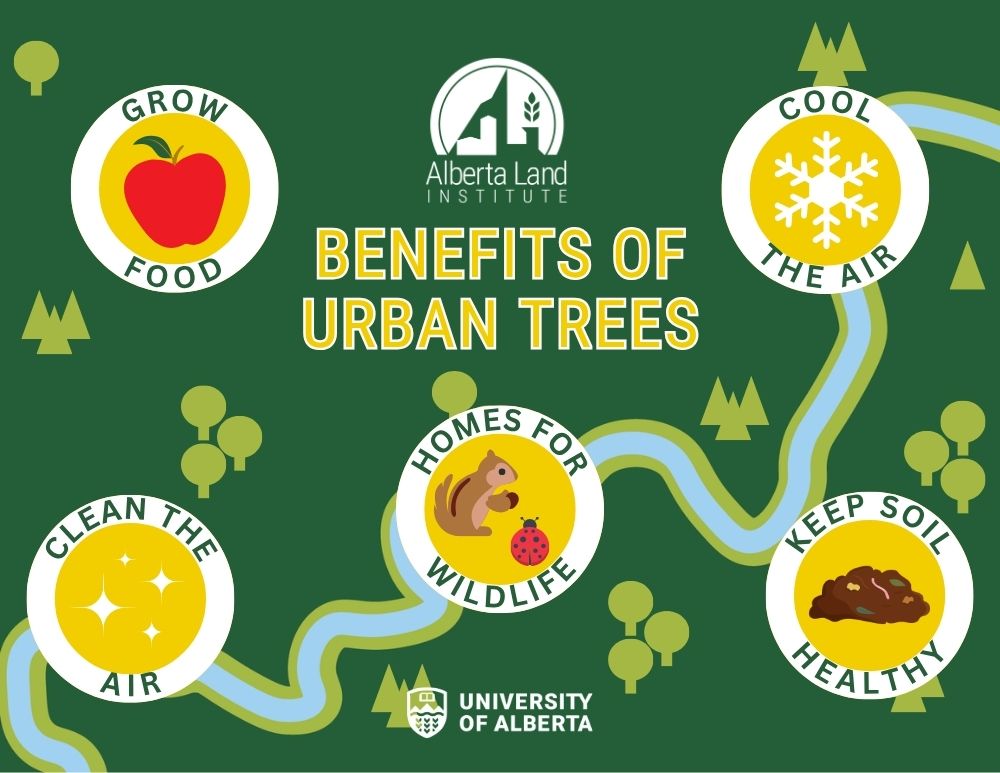
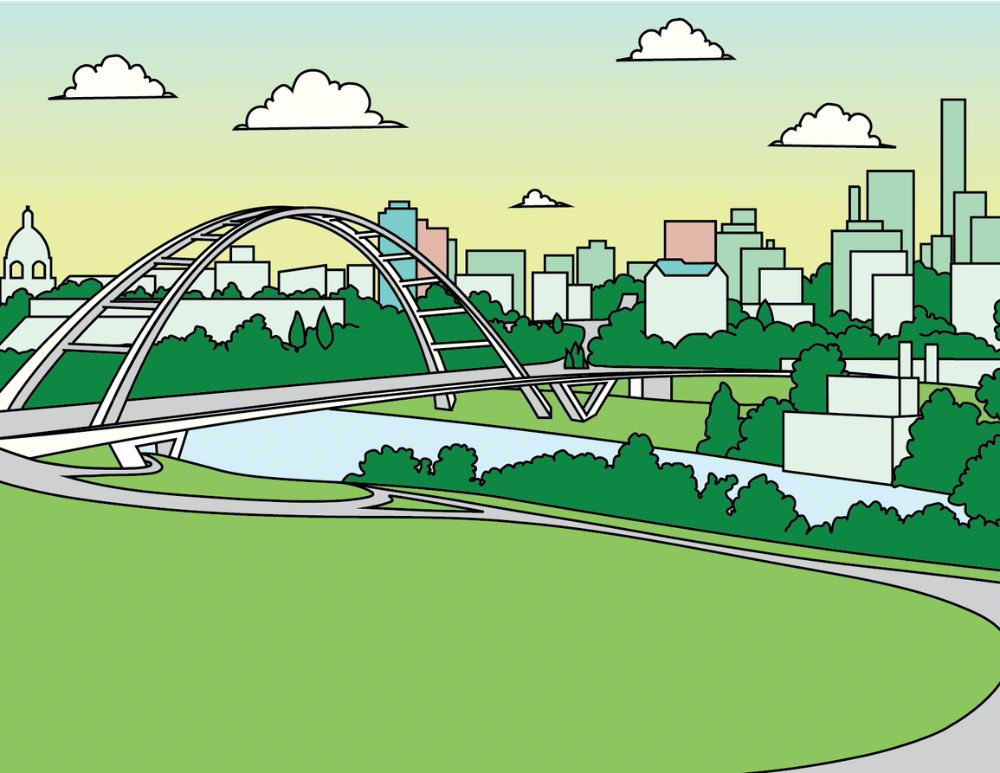
It turns out everyone loves stickers! Children recognized the iconic Edmonton scenery and loved the idea of adding plants, animals and insects to a familiar landscape. Participants got to take home their decorated sticker sheet with a list of ways that urban trees benefit cities on the back.
“A lot of the kids were just excited about getting to add their favourite animal or flower to a familiar landscape” says Aysha, “but it also helped them understand that their actions affect the world around them.”
While the activity was simple, it helped enable participants to take action on environmental issues by demonstrating the positive effects that come from simple actions like tree planting.
“The activity helped improve knowledge about protecting and changing the environment.” says Nilusha. “Hopefully it helped to expand their way of thinking about environmental issues.”
For K Days, the activity was adapted to communicate with an older audience incorporating more advanced information and findings.
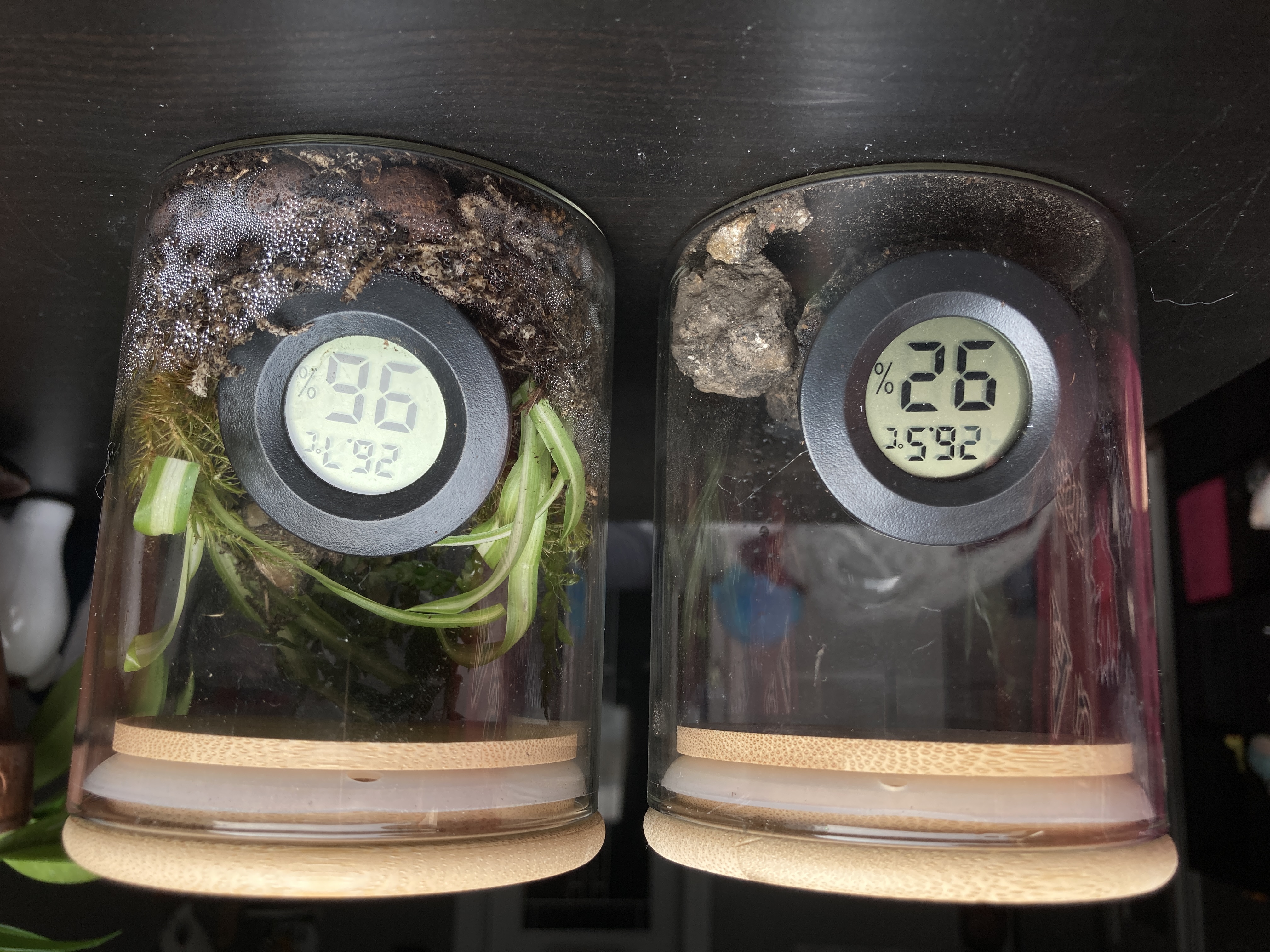
The team built terrariums to demonstrate the effects of urban trees on temperature and moisture in real time. Both terrariums contained a piece of asphalt, but only one terrarium also contained living plants to simulate the effects of urban trees. To measure temperature and moisture, thermometers and hygrometers were added to each terrarium. During the event, the terrariums were placed under a grow light to simulate sunlight.
As predicted, while both terrariums received equal water and light, the terrarium with added plants remained cooler and maintained a higher moisture content.
Members of the general public and professionals from various industries stopped to engage with the experiment. Many of the attendees remarked on noticing the temperature differences between areas of the city with less greenery and areas of the city with more greenery. Others shared their personal feelings towards urban trees or issues that they had encountered around trees in the city.
“Even though there are trees, people didn’t know about the benefits, why we need them and how they protect and benefit us,” says Nilusha.
Engagement with the activity emphasized how engaged Edmonton residents are in issues surrounding trees in the city.
Year 2
Theme: Soil health
Research:
Soil health: Policy, science and law in action, Protecting food security and mitigating climate change: Exploring the advantages of sewage sludge biochar and K-feldspar
Demo:
- Soil microbes colouring book and sensory bin
- Biochar moisture demo
Reception:
The following year, the team chose to highlight research on soil health. The Science Rendezvous activity demonstrated the complexity of soil composition. With more custom illustrations and graphics created by Aysha, the team constructed a sensory bin full of soil (water beads), hundreds of handmade organisms and five handmade tokens representing different components of healthy soil.
After receiving a brief education about healthy soil from Walter the Worm, attendees got to dig through the soil bin to locate the five components of soil health. Each participant got to take home a colour book of all 5 original soil organism characters and Walter the Worm.
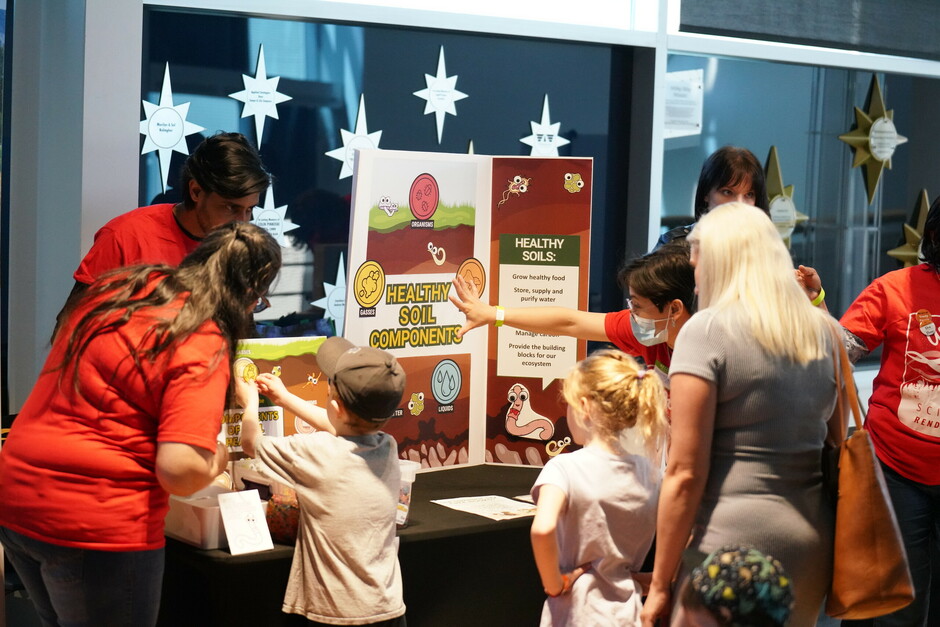
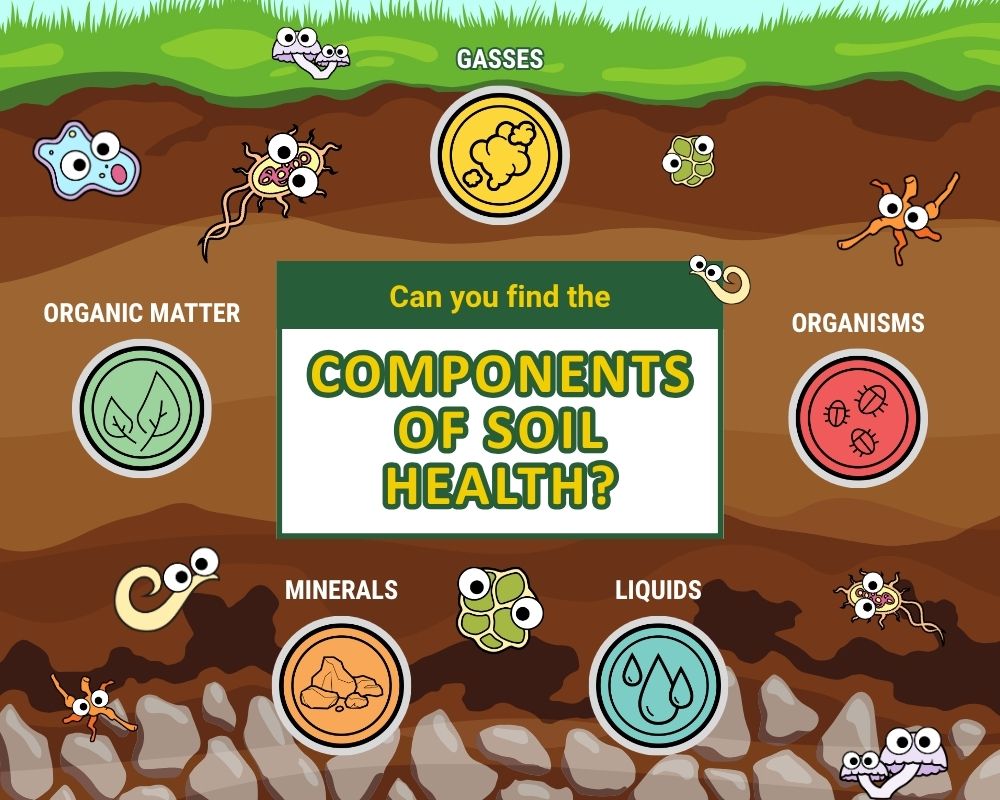
For the Rendezvous, ALI’s team was joined by volunteers Shaheena Merchant and Neeraj Nerlekar.
“As we had hoped, a lot of kids were very excited about the sensory bin.” Aysha says. “A few of them shared with us their own experiences of interacting with soil through gardening at home.”
Volunteer, Shaheena Merchant, noted that the hands-on activity was a great way to engage young learners with scientific findings in a fun way.
“It is easier for them to retain information with live experiments and games,” Shaheena says.
ALI also had the pleasure of bringing the activity to Red Deer students through FES and the Energy Explorers. The team got to teach over 400 elementary and junior high school students about soil health.
For K days, Postdoctoral Researcher, Yuge Bai, joined the ALI team to share some preliminary findings from her research, led by Daniel Alessi, on the use of sewage sludge biochar as an agricultural soil additive.
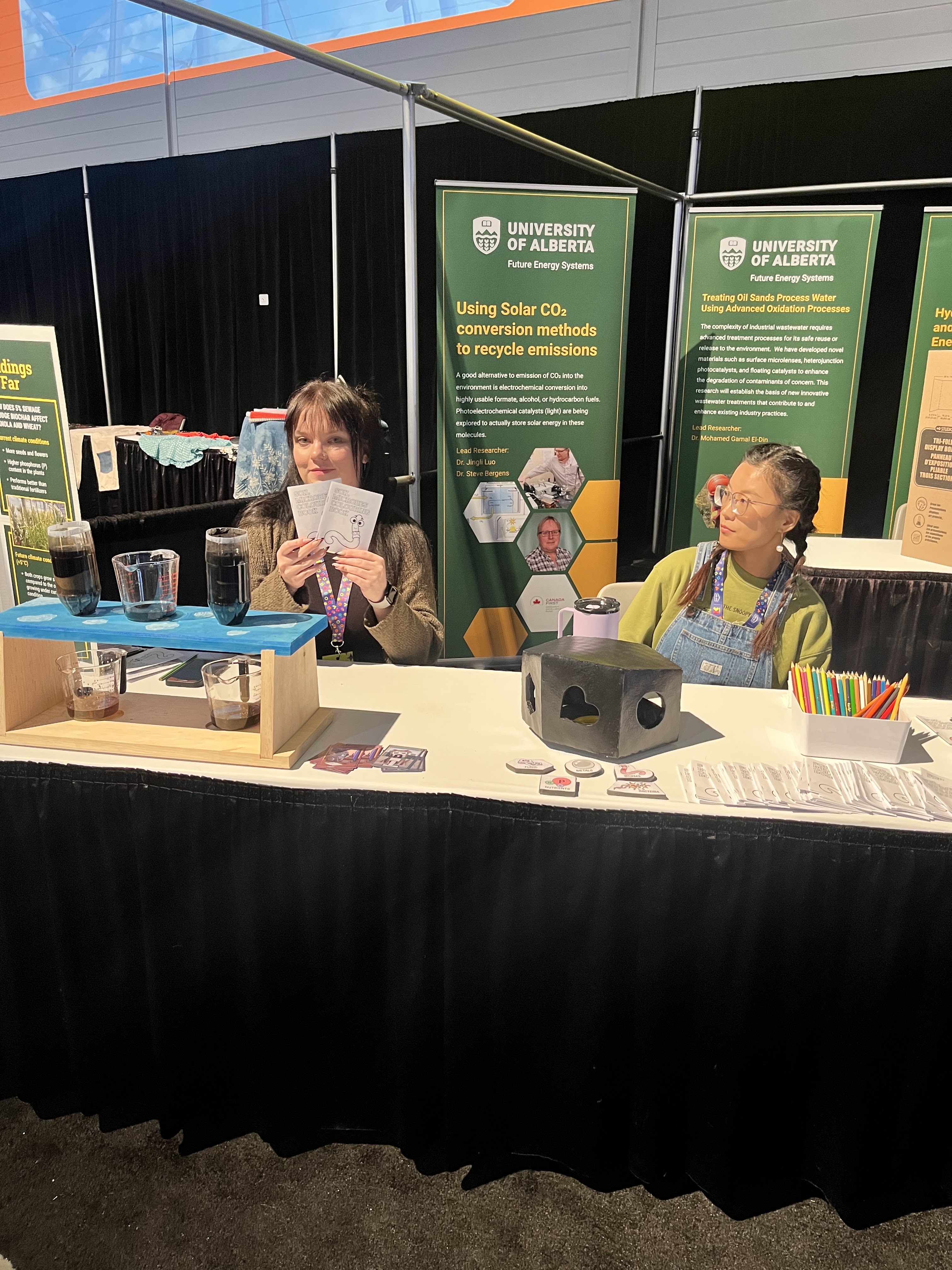
By pouring water through two containers, one filled with sand and one filled with a mix of sand and charcoal, the team and Yuge demonstrated the moisture retaining properties of biochar. The team, plus Yuge, also built a shape matching activity for younger attendees where different shapes representing microbes and nutrients had to be inserted into matching holes in a giant model of a piece of biochar. The matching activity demonstrated biochar’s ability to absorb a wide variety of microbes and nutrients.
“Both activities helped emphasize the interactions within soil,” says Nilusha, “as well as the complexity and the responsibility to keep it alive.”
Year 3
Theme: Wildfire management
Research:
Forest fire induced risks and community resilience
Demo:
- Save Pawbrook
Reception:
This year, the team created their most ambitious activity to date. The activity focused on fire mitigation for forest communities, highlighting research by Quazi Hassan from the University of Calgary. With a fresh set of hand drawn forest characters created by Aysha, the team constructed a representation of a forest town and various mitigation measures out of a shallow bin, foam 3D printed pieces and hours of cutting, glueing, modeling and painting.
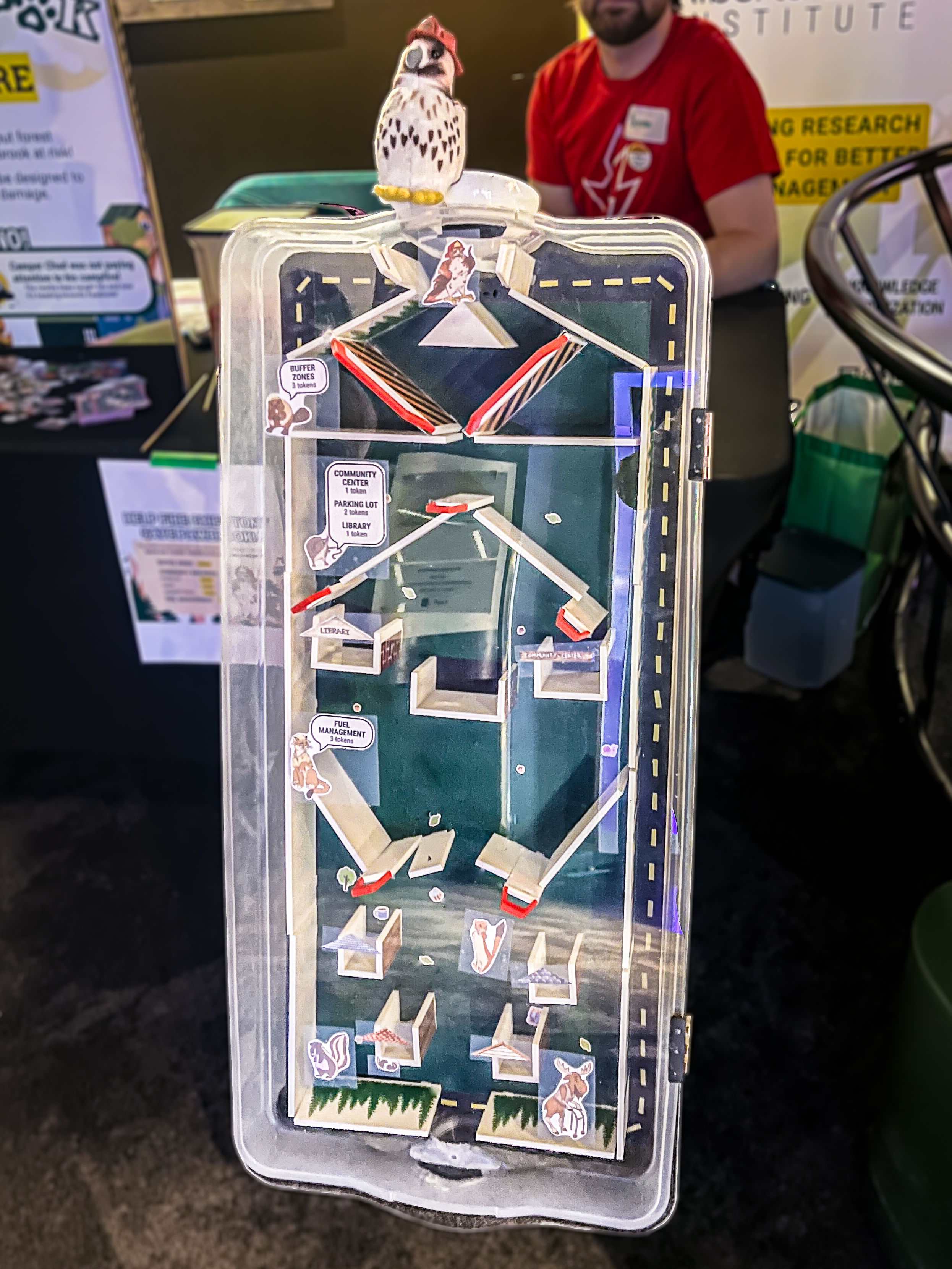
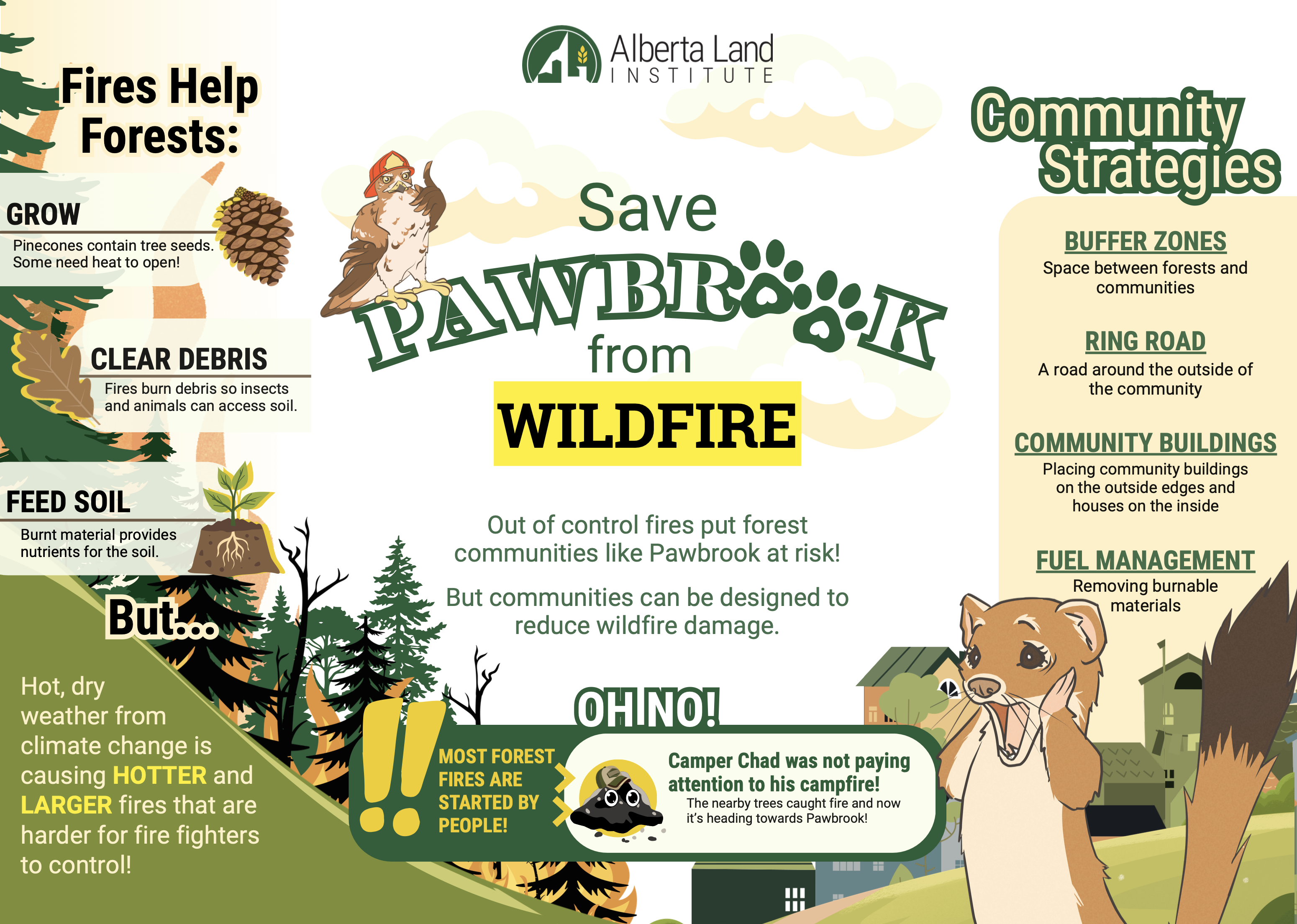
The vertical demo, resembling a plinko machine, depicted the fictional forest town of Pawbrook at the bottom with four different wildfire mitigation techniques at the top. The wildfire, represented by orange and red coloured beads, was poured into the container from the top. In order to prevent all of the beads from reaching the town at the bottom of the bin, participants could purchase mitigation techniques that acted as containers to hold the beads. More or less of the beads would make it to the town depending on which techniques were purchased.
“Building the activity was definitely more work than we expected,” Aysha says “but because this is such an important issue that impacts people's lives, we wanted to make sure that we designed a hands-on activity that would leave a lasting impression.”
The ALI team was joined this year by volunteer, Brandon Dyck, who also provided 3D printing services and expertise for the demo. During the Science Rendezvous, the team noted that this particular demo appealed to an older audience. Some of the younger attendees had a harder time understanding the complex activity, but the older kid, teenagers and adults in attendance were very engaged and had a lot of additional thoughts and questions about the research.
Nilusha noted that while there was no lack of knowledge about forest fires, very few people had any prior knowledge of how municipalities manage wildfires.
“People were really interested about mitigation measures at city level,” says Nilusha. “The demo helped them understand the benefit of using multiple mitigation measures.”
“I feel this is an issue people felt very strongly about,” Aysha says. “Quite a few parents encouraged their kids to pay attention, try the activity and ask questions about it in a way that we didn’t really experience in previous years.”
Based on the audience reception, the team chose not to change the activity for K Days as it seemed to appeal to an older audience already.
The ALI team would like to express our deep gratitude to Elyse Dzenick, Valerie Miller, Charlie Amason and the rest of the amazing FES team for the incredible opportunities they have provided the institute and so many young researchers.
“FES gave us a good opportunity to take our research to the community and bridge the gap between research and the public, especially for the younger generation” says Nilusha.
“It’s so important to be able to enable the younger generations to learn about the environments and lands that they live on,” says Aysha. “Maybe it’s cliche to say, but they are the ones who will shape Alberta’s future.”
You can download some of ALI's activities below.