We live in a world where misinformation and fabrication thrive, and where the “authentic” seems harder to determine than ever before.
To see this as purely a function of the digital age, however, could be misleading, says Linda Quirk, a librarian with the University of Alberta’s Bruce Peel Special Collections. She would like to remind us that fake news, forgeries and all manner of deception and identity theft have been with us since we first held a quill.
“This is nothing new,” says the curator of a new Bruce Peel exhibit called Forgers, Fakers and Publisher-Pirates. “Whether print or digital, text or image, artistic or scientific, rare or common, historic or contemporary, most of the content we encounter contains accidental mistakes. A significant proportion of it also contains deliberate misinformation resulting from various forms of forgery, fakery and piracy.”
To dispel the notion that “just because you have an old book in your hands, that means it’s reliable,” Quirk has assembled a treasure trove of historical documents — some in the U of A’s rare-book collection, and some not — to highlight the so-called experts and authors who have faked identities, counterfeited content or simply duped their reading audiences for fame or profit.
Here are six standout items from the exhibit.
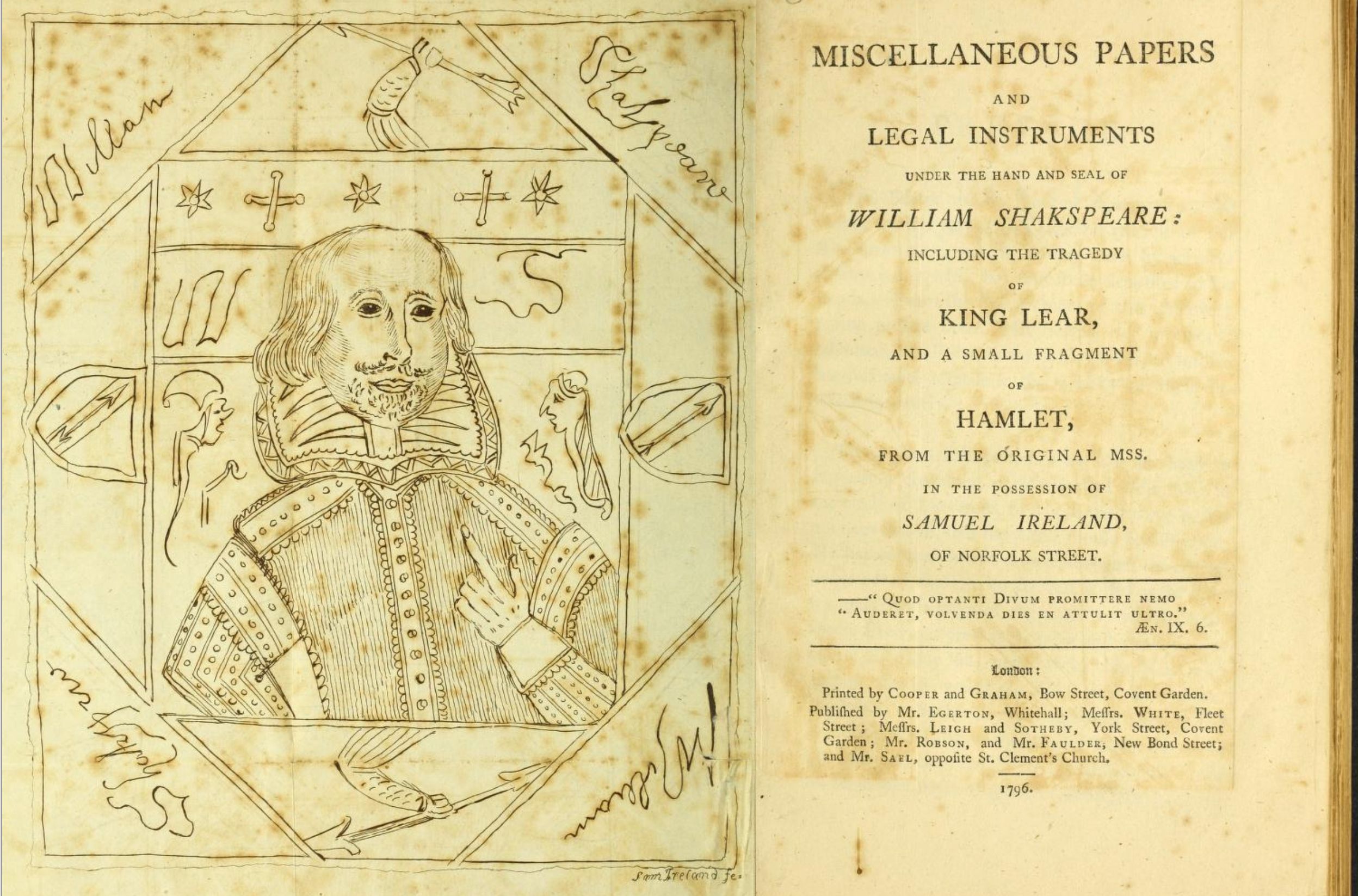
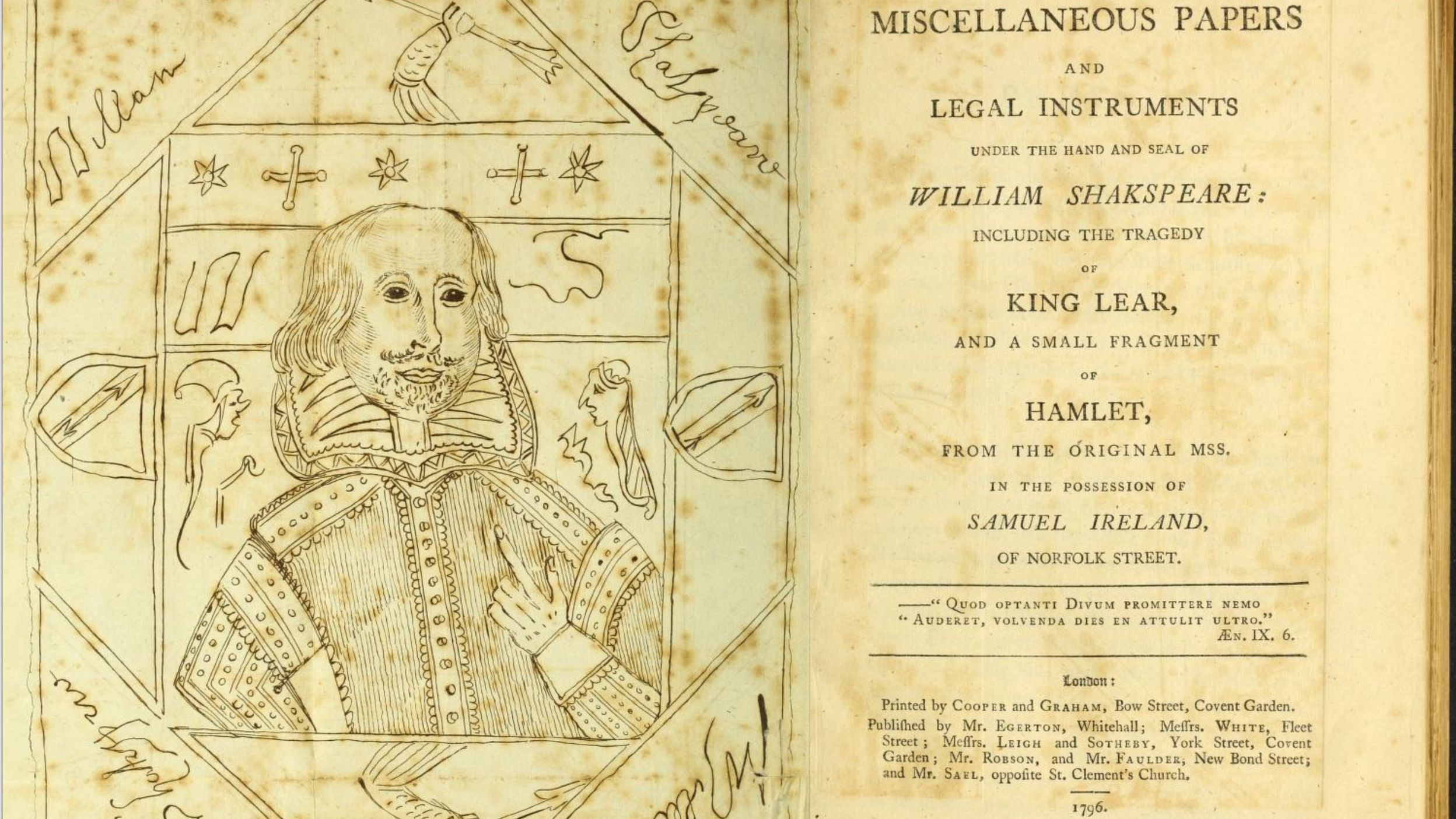
Starting at just 19 years old, William Henry Ireland forged a whole cache of fake legal and personal Shakespeare documents in the late 1500s, along with what looked like an “original manuscript” of King Lear and a fragment of Hamlet. Scholars of the day viewed them with “awe and reverence” despite their obviously questionable authenticity, says Quirk (see above). Inspired by his success, Ireland went on to forge two “never-before-seen” plays by Shakespeare: Vertigern and Rowena and Henry II. Once they were finally staged, people doubted their authenticity.
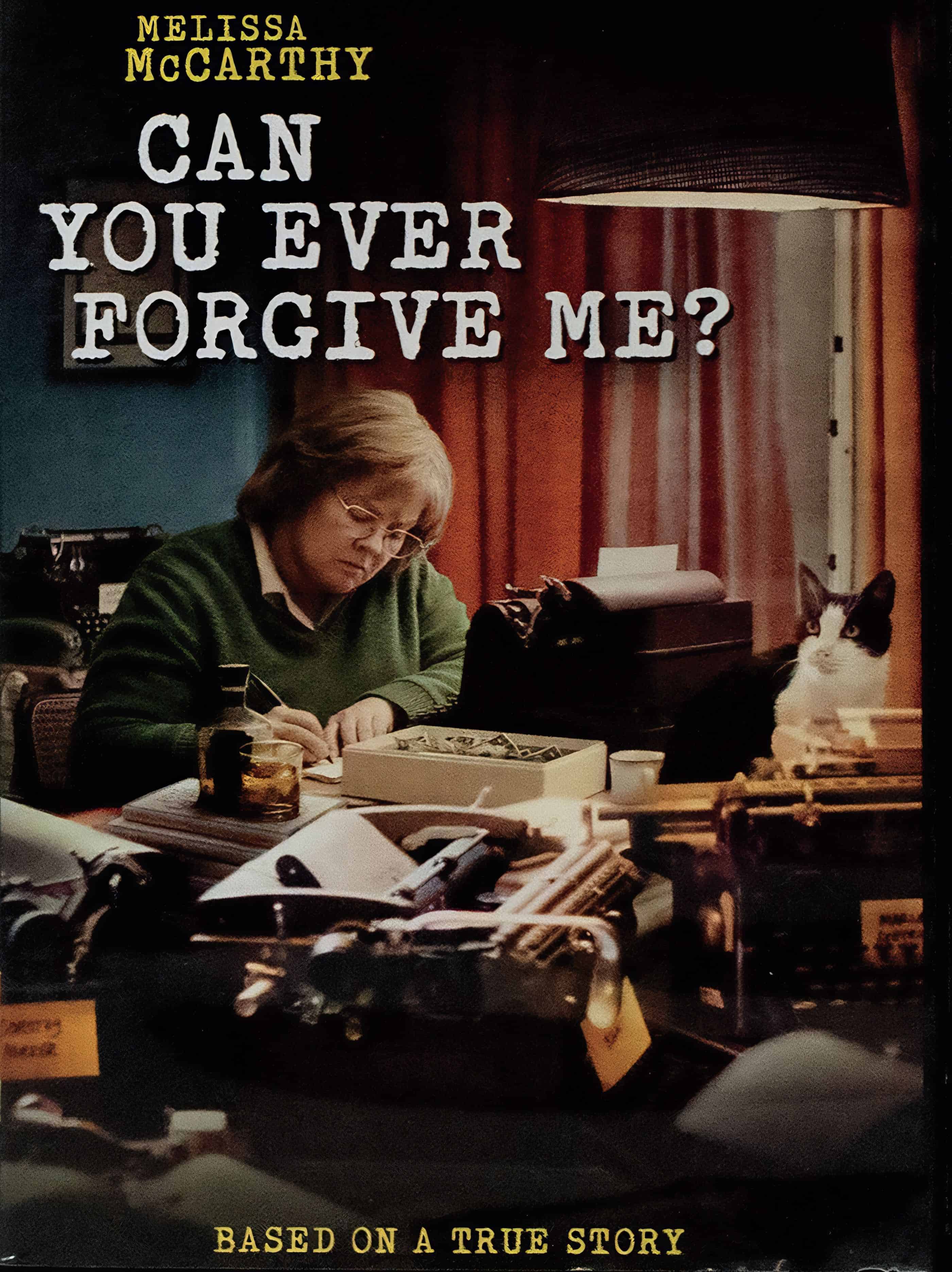
One of the most famous literary forgers of the 20th century, Lee Israel, embarked on a crime spree that was turned into the Hollywood film Can You Ever Forgive Me? in 2018. When her own writing career stalled in the early 1990s, Lee successfully forged more than 400 letters by deceased actors and literary figures such as Dorothy Parker, Noël Coward and Ernest Hemingway. She later stole actual letters and autographed papers from libraries and archives, replacing them with her own forged copies. She was eventually caught in the ’90s, serving six months under house arrest and five years of federal probation. Some of her forgeries continued to circulate, sold by dealers for more than she was originally paid.

Raised in England and immigrating to Canada in 1905 at the age of 17, Archie Belaney is often cited as the first “pretendian,” having claimed to be the son of a Scottish father and Apache mother. Adopting the name Grey Owl, Belaney learned wilderness skills from Indigenous friends and was able to support himself through trapping, later becoming a renowned writer, lecturer and conservationist. While adopting a Native American Indian identity, says Quirk, he might not be considered a pretendian in the modern sense, since “his false identity was less about seeking personal advantage and more about seeking to embrace (and promote) Indigenous values.”
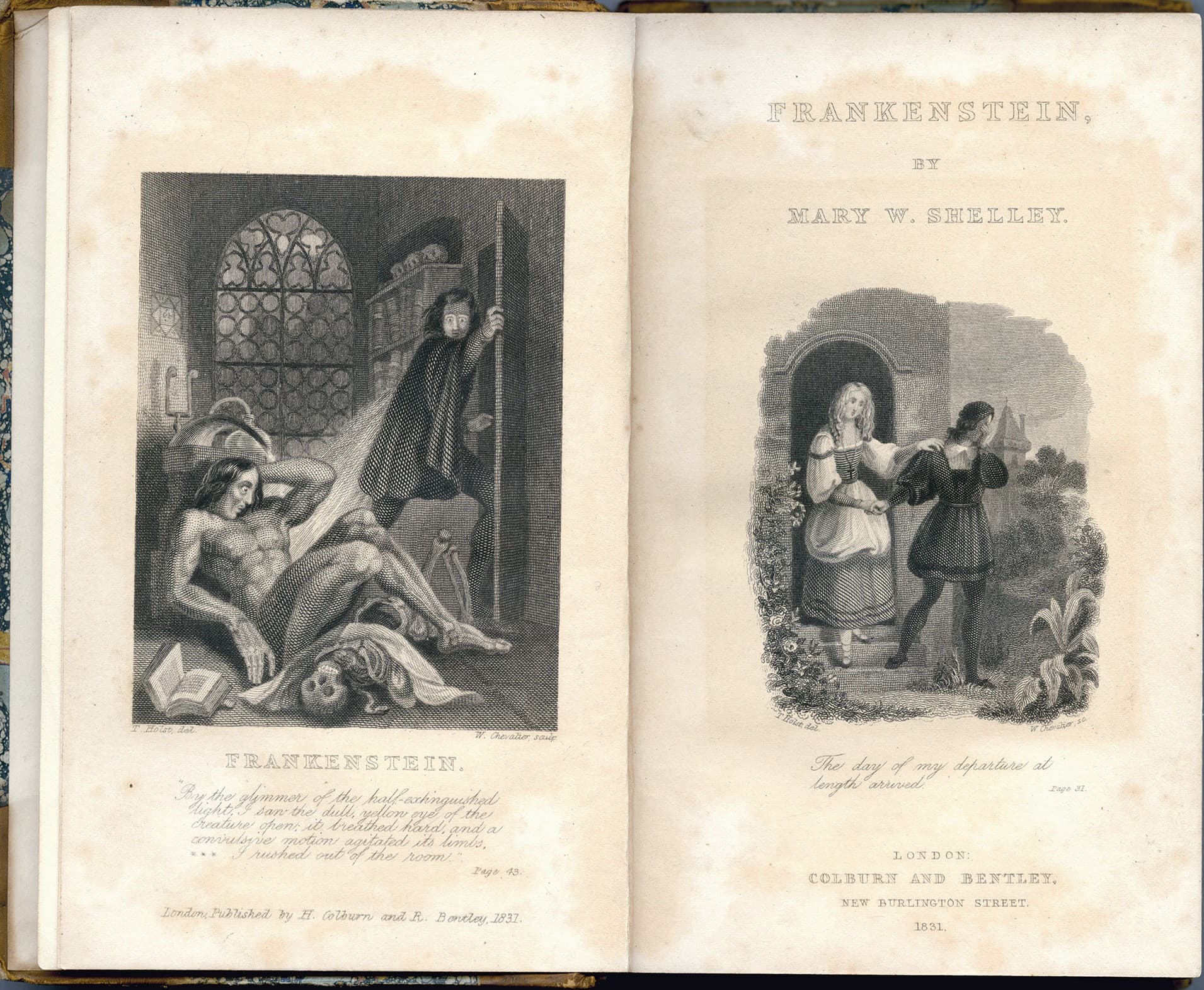
When it was first released anonymously in 1818, many thought Mary Shelley’s Frankenstein was written by her husband and poet, Percy Bysshe Shelley, since he wrote the first preface to the novel. It wasn’t until the third edition that the misconception was cleared up and Mary was identified as the author. The reprint included a new preface responding to the oft-asked question: How does a young woman come up with “so very hideous an idea”? Shelley explained that a taste for ghost stories and an interest in the latest scientific discoveries were all she needed for inspiration.
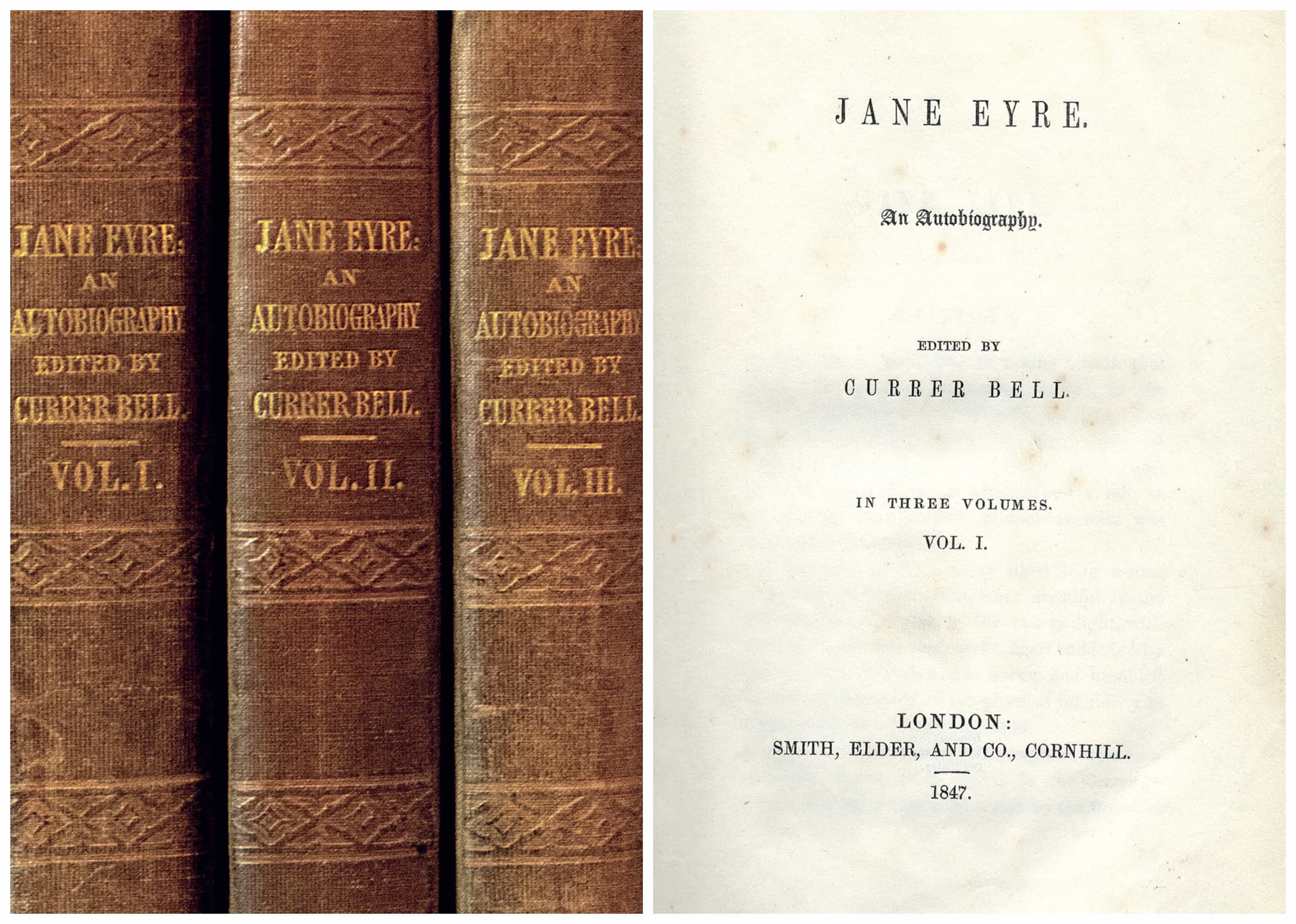
The title page of the first edition of Charlotte Brontë’s classic Jane Eyre presents the novel as an autobiography, narrated by the real-life Jane herself with the help of editor Currer Bell, Brontë's male-gendered pseudonym. It’s unclear why Brontë embraced the ruse, but it could be that it allowed her to more authentically weave some of her own personal experiences into Jane’s fictional tale, using a woman’s first-person voice. “Whatever the reason,” says Quirk, its remarkable success paved the way for the publication of novels by the other Brontë sisters, Emily and Anne, very soon after.
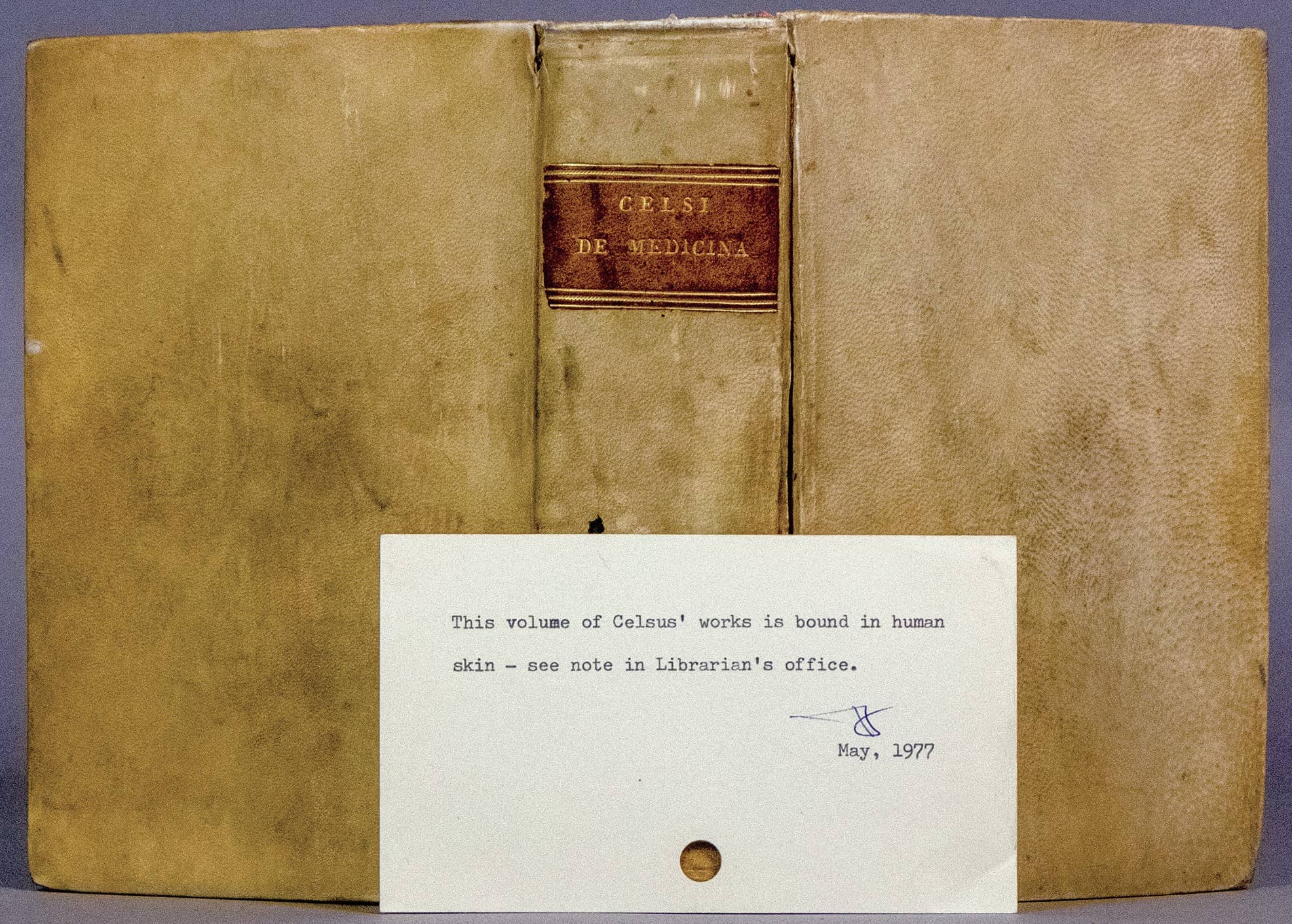
Since at least the 1970s — when the Celsi de medicina libri octo was acquired by the U of A Library — rumours persisted that this second-century medical treatise by Aulus Cornelius Celsus was bound in human skin. The local legend was based on rather flimsy evidence, admits Quirk, based on no more than an index card promising more information on a note in the librarian’s office. “No such note exists,” she says.
The book was recently analyzed and found to be bound in sheepskin. It remains a mystery whether this gruesome legend was the result of an error, “or the actions of an unscrupulous book dealer seeking to fraudulently inflate the book’s market value based on our collective fascination with the macabre,” says Quirk.
Forgers, Fakers and Publisher-Pirates runs until March 31 at the Bruce Peel Special Collections. Many of the rare books shown in the exhibition can also be viewed online through the digital resource.