A partnership rooted in belonging — and built to last
Erik Einsiedel - 16 April 2026
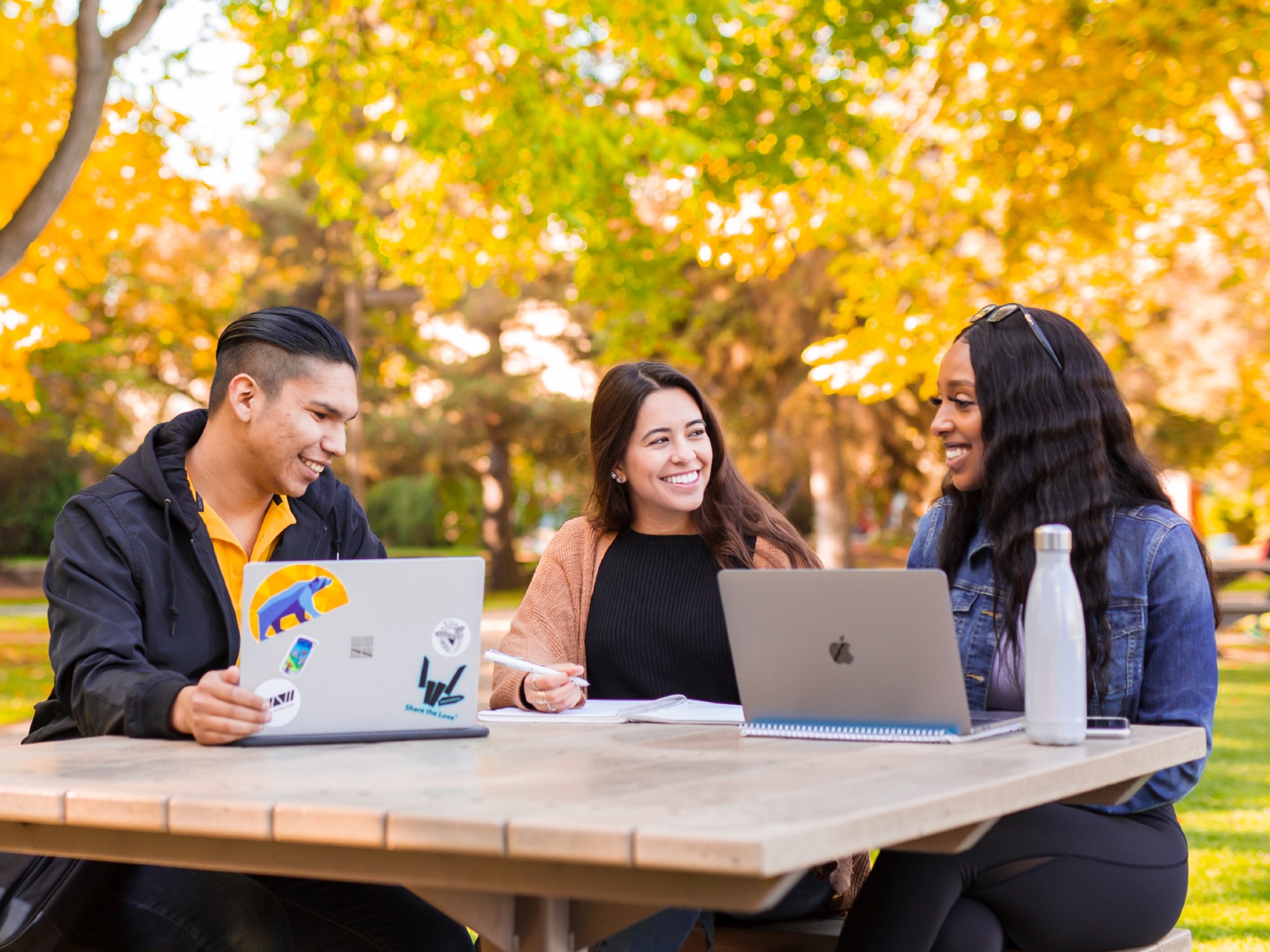
Métis students connect, learn and build their futures at the University of Alberta — supported by a partnership rooted in community and opportunity.
Long before it was reflected in the University of Alberta’s University Commons Atrium, this partnership was already creating opportunity.
For decades, the Rupertsland Institute (RLI), the Otipemisiwak Métis Government (OMG) and the University of Alberta have worked together to support Métis learners — grounded in a shared responsibility to expand access to education, strengthen research and build a lasting Métis presence on campus.
This relationship was formalized through a 2007 memorandum of understanding between the University of Alberta and the Métis Nation of Alberta, which established a foundation for long-term collaboration. That agreement led to two defining elements of the partnership: representation from the university on RLI’s Board of Governors — bringing academic insight into its strategic direction — and the creation of the Rupertsland Centre for Métis Research (RCMR), a dedicated academic space that continues to advance Métis-focused research and knowledge.
“Partnerships like this show what's possible when there is a sustained investment in Métis students,” says Chris Andersen, dean and vice-provost of the College of Social Sciences and Humanities and former dean of the Faculty of Native Studies. “With leadership from organizations like the Rupertsland Institute, that support translated into real outcomes — more students completing their degrees and building futures that benefit their communities.”
That commitment has led to enduring supports for students, from broad post-secondary and employment programming delivered by RLI to targeted awards like the Métis Scholar Awards, administered through the Métis Education Foundation, and a partnership that continues to shape generations of Métis learners and leaders.
“The vision behind endowments was to ensure the Métis Nation continues to have access to post-secondary support long after government-funded labour market development programs end,” says Lorne Gladu, founding CEO of RLI. “Endowments are investments in perpetuity.”
For Tyler Hart, ‘18 BCom, a Métis Scholar Award recipient, that support helped shape both his path and his perspective.
“True partnerships are about coming together and looking at the long term,” he says. “It is great to see the strong partnership continue to have a major impact, and I want to express my gratitude for being a Métis Scholar Award recipient.”
Today, Hart works as a business development manager with Acden, one of the largest First Nations community-owned companies in Canada, where that same philosophy guides his work — building partnerships rooted in trust and shared success.
He sees the impact of programs like the Métis Scholar Awards not just in financial support, but in the doors they open.
“There’s a huge opportunity for Indigenous students in business,” he says. “It gives you a foundation — and there are so many different ways to take it.”
For others, the impact is felt even more immediately.
Jacqueline Bellerose, '09 BA(NativeStu), recipient of the 2025 Rupertsland Centre for Métis Research student fellowship in Métis Studies and graduate student in the Faculty of Native Studies, describes education as “the new buffalo” — a source of stability, opportunity and survival for Métis families today.
“Historically, we relied on the buffalo for everything — food, shelter, clothing,” she says. “Today, we turn to education to provide for our families in those same ways.”
Receiving the fellowship came at a critical moment in her life, helping her support not only her studies, but her family.
“It’s people taking care of people. It’s wâhkôhtowin — a Cree and Métis practice of taking care of our human and non-human relatives,” she says. “That’s what’s so beautiful about it.”
That sense of care — of community supporting community — is at the heart of the partnership being celebrated on April 17.
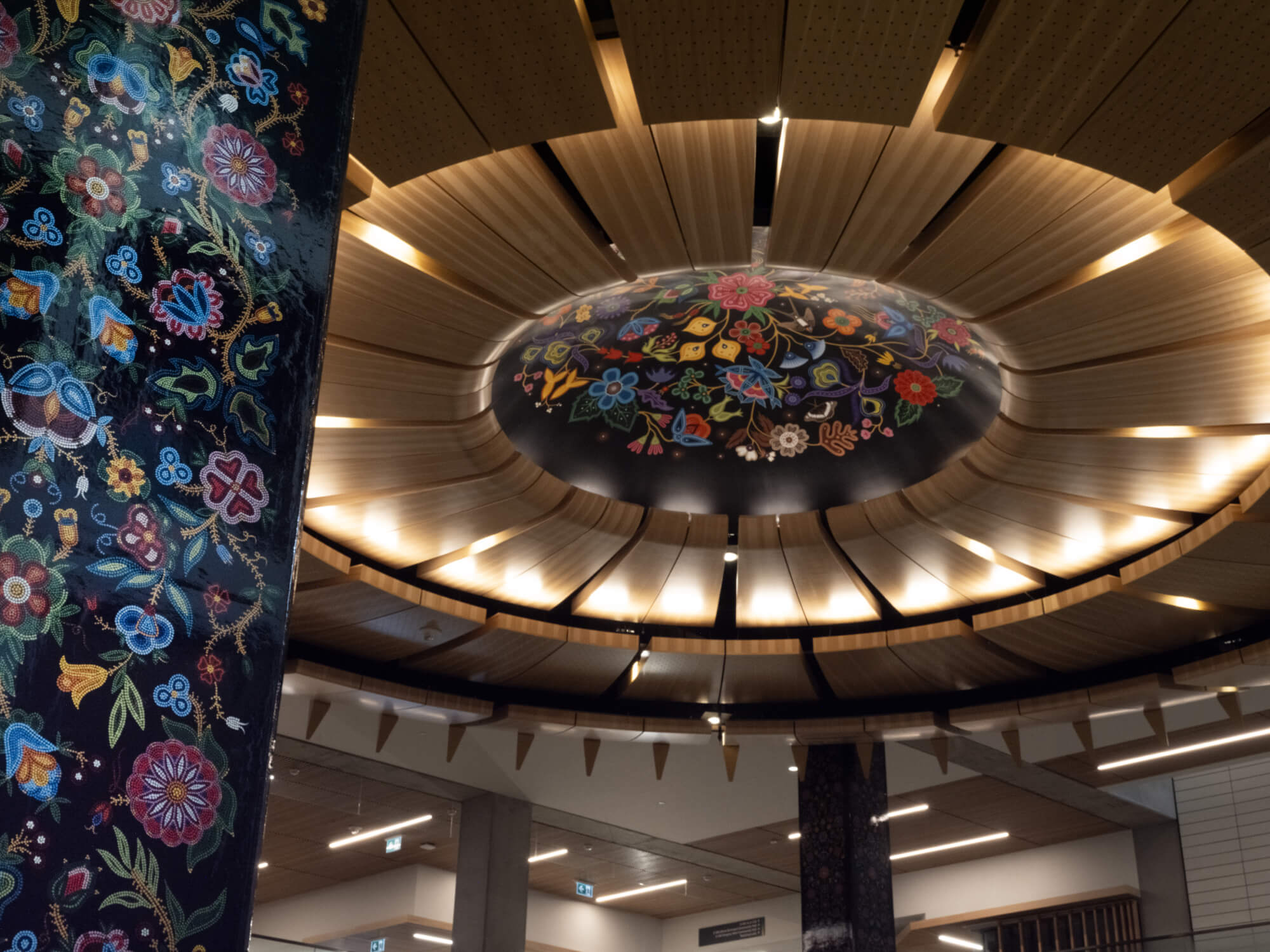
Over the years, the collaboration between RLI, OMG and the U of A has expanded opportunities for Métis students and created space for Métis knowledge and culture to be visible on campus.
For Bellerose, that visibility matters.
"It’s really significant that Métis students have access to their own support,” she says. “Without it, you wouldn’t have as many Métis students graduating, finishing their degrees and moving on to be successful.”
Just as importantly, she says, it allows students to think beyond survival.
“You’re not just thinking about making it through your degree and paying off loans,” she says. “You’re thinking about what our people need, the research that needs to be done, and how you can be a part of that.”
That shift — from getting by to giving back — is exactly what Gladu hoped to make possible.
“The ultimate outcome is that Métis grads are able to give back,” he says, “to support the next generation.”
That cycle of support, rooted in shared responsibility and carried forward through each new generation of students, is what gives this partnership its strength.
That partnership is now reflected in a new art installation in the University Commons Atrium — Christi Belcourt’s In My Grandmother’s Time, commissioned to honour the relationship and its impact.
And it’s what makes Belcourt’s installation more than a work of art — it is a visible expression of a partnership built over decades.
It is a declaration: Métis presence on campus is lasting, this relationship is lived, and for Métis students, this is a place where they belong.