What thriving looks like
4 May 2026
A historic $93.5-million gift from the Stollery Children’s Hospital Foundation (SCHF) and the Alberta Women’s Health Foundation (AWHF) to the Women and Children’s Health Research Institute (WCHRI) will help shape the next decade of research at the University of Alberta — including $70 million from SCHF and $23.5 million from AWHF. While the number is historic, the true impact is best understood through the people living it.
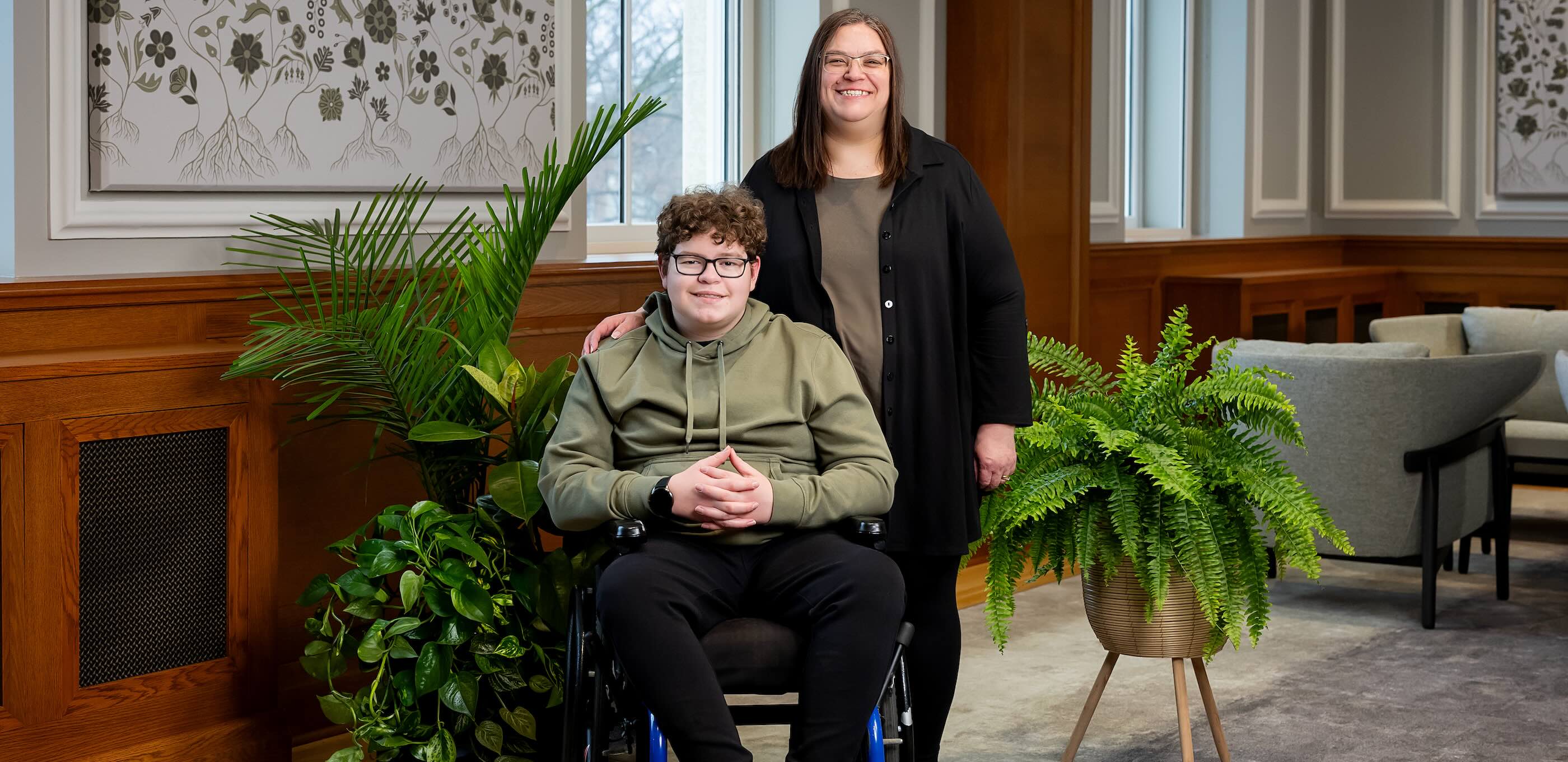
For Dana Nagel, that impact is visible in the way care has changed for her son, Cameron, who has navigated more than 70 surgeries.
Over years of hospital visits, procedures and surgeries, the family has seen a profound shift in how children are treated. “We went from having to hold our children down for procedures,” Dana says, “to our children having a voice in the room and letting clinicians know what they need and how they can be helped.”
That change matters. Cameron, once a “Stollery baby,” is now a teenager helping researchers like Samina Ali and other Stollery Children’s Hospital clinicians move toward world-class pain management standards where the child’s comfort is the priority.


Ensuring a child has the best possible start begins long before they enter a hospital room. Researcher Meghan Riddell, a former WCHRI graduate student, returned to the U of A after training in Germany to lead placenta research — an area of health that holds the secret to lifelong wellness.
“The placenta is one of the most understudied organs — everybody has had one, yet it remains a mystery,” she says. With SCHF and AWHF support, she is uncovering how placental health dictates the health of both mother and baby, turning early-career curiosity into a global program focused on long-term vitality.
That ability to nurture promising ideas is exactly what sustained partnerships make possible. As WCHRI executive director Sandra Davidge says, “It reinforces that women’s and children’s health is not a niche interest but a top-tier academic and clinical priority for the next decade and beyond.”
For Kathleen Shearer, that priority comes to life through collaboration. A longtime parent partner with children’s health researchers Shannon Scott and Lisa Hartling, Shearer has helped ensure research tools are shaped by the families they are meant to support. Today, she is a WCHRI-supported PhD student in nursing.
“To me, the funding support WCHRI receives from its partners means opportunity,” she says — for students, for researchers and for the families who benefit from the work. She has seen first-hand how involving parents from the beginning leads to resources that are more useful, more meaningful and more likely to make a difference in children’s lives.
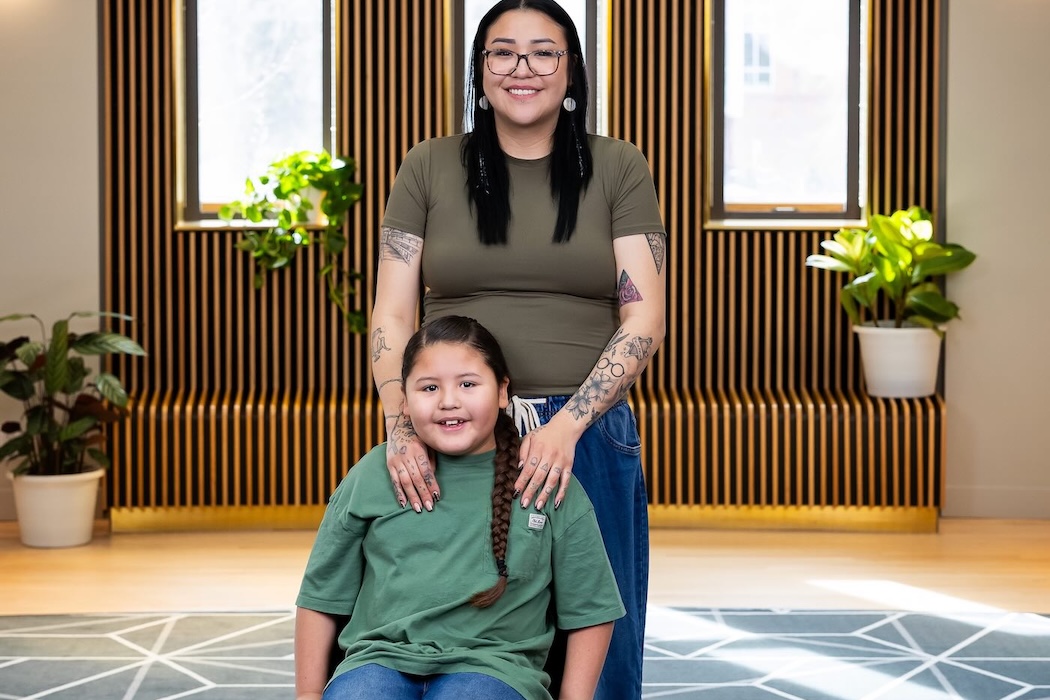
In Maskwacîs, Kerrin Simon is seeing how research builds community support systems needed for families to flourish where they live. A parent and community partner from Maskwacîs working alongside researcher Grant Bruno, Simon helps lead autism and neurodiversity programming that respects traditional knowledge.
For families navigating autism on reserve, support can be hard to find. Through this work, she has found not only practical resources but a stronger sense of belonging. “It really brought a community together,” she says. “I didn’t know that so many other people were dealing with the same things we were.”
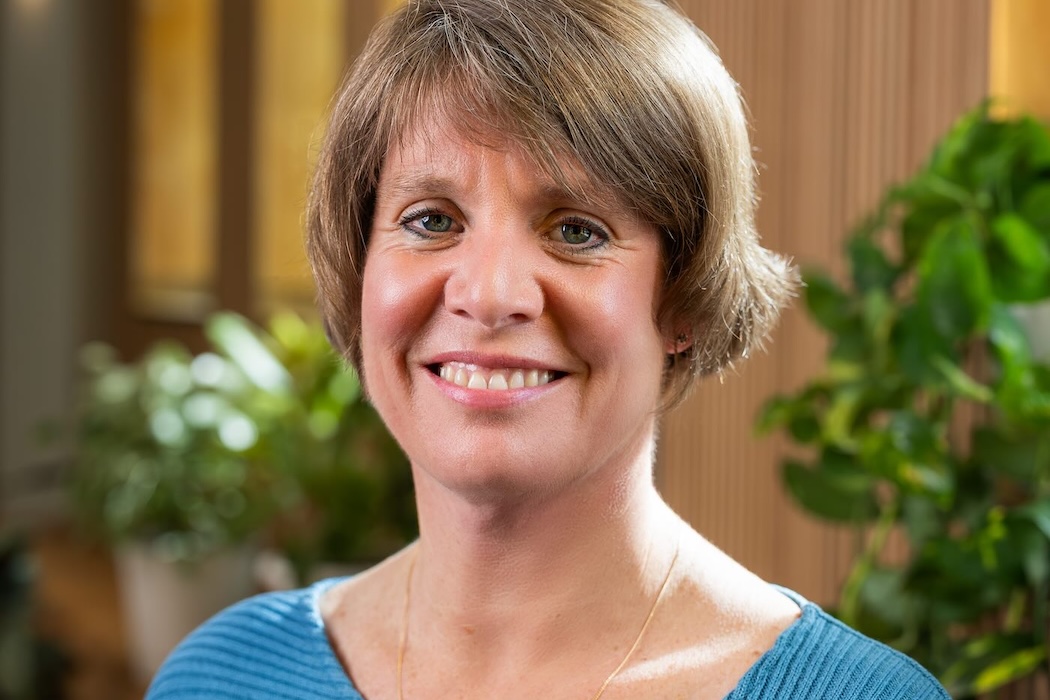
Similarly, Theresa Ramsfield is helping women find power in life transitions that have historically been dismissed. As a patient partner working with researcher Colleen Norris on AURA — an online program supporting women through reproductive aging — Ramsfield is helping shape tools that offer trustworthy, practical information during a stage of life often overlooked in care and research.
“This funding is allowing Dr. Norris to develop this app,” she says, “providing unbiased education and resources that empower women to understand and advocate for their health at this stage of life. It is a platform they can use to improve their health, with resources they may not have access to in their community.”
Together, these stories show what thriving looks like in action: children who are heard, families who help shape care, communities gaining access to support, women finding answers and researchers turning bold ideas into real-world change.
The announcement may be historic, but its meaning is deeply human. Through WCHRI, partnership becomes impact — and impact becomes healthier futures for women, children and families across Alberta.