U of A Space Science is Reaching New Heights!
Kati Kovacs - 27 November 2025
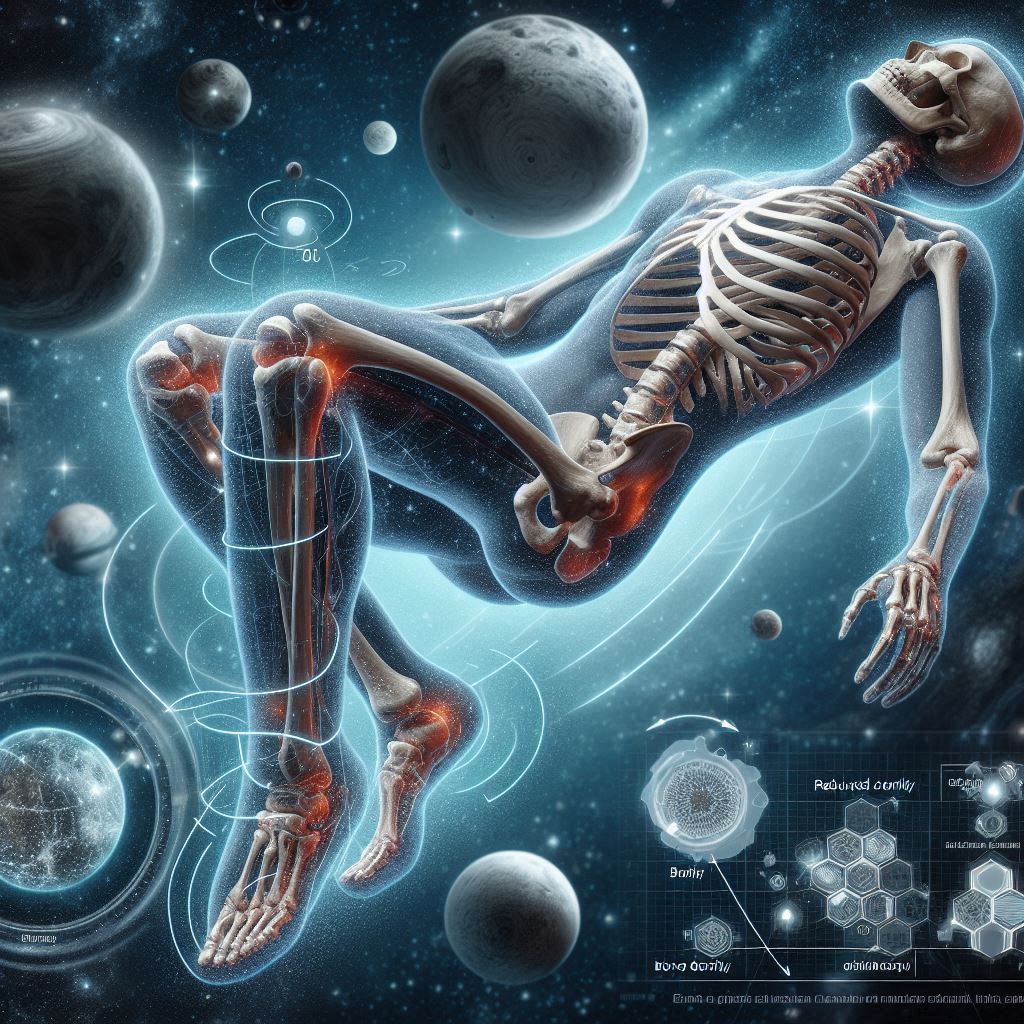
Dr. Komarova is aiming to understand the nature of bone mass and structure under the context of microgravity, which is incredibly relevant to human space travel. It has been known since the 1970s that astronauts lose bone mass in space, it is one of the most significant risks to astronaut’s health. Her experiments are also looking at the effects of radiation on bone mass and density. The amount of bone mass lost per month is about 1%. “It’s non-linear though”, Dr. Komarova assured. “Its not as if you went to space for 100 months you would lose all your bones”. Examining this relationship, and the variable degrees of bone mass recovery upon an astronaut’s return to Earth is a pressing concern for both the CSA and NASA, as longer spaceflights and lunar missions are being planned.
Visit here for more information on Dr. Adiseda’s joint and cartilage research
Visit here for more information on Dr. Komarova’s bone mass and density research
Listen to the full CBC Radio Interview here.