Oleksandr Pankieiev Addresses Russian Propaganda at FIMI Conference in Buenos Aires
29 April 2026
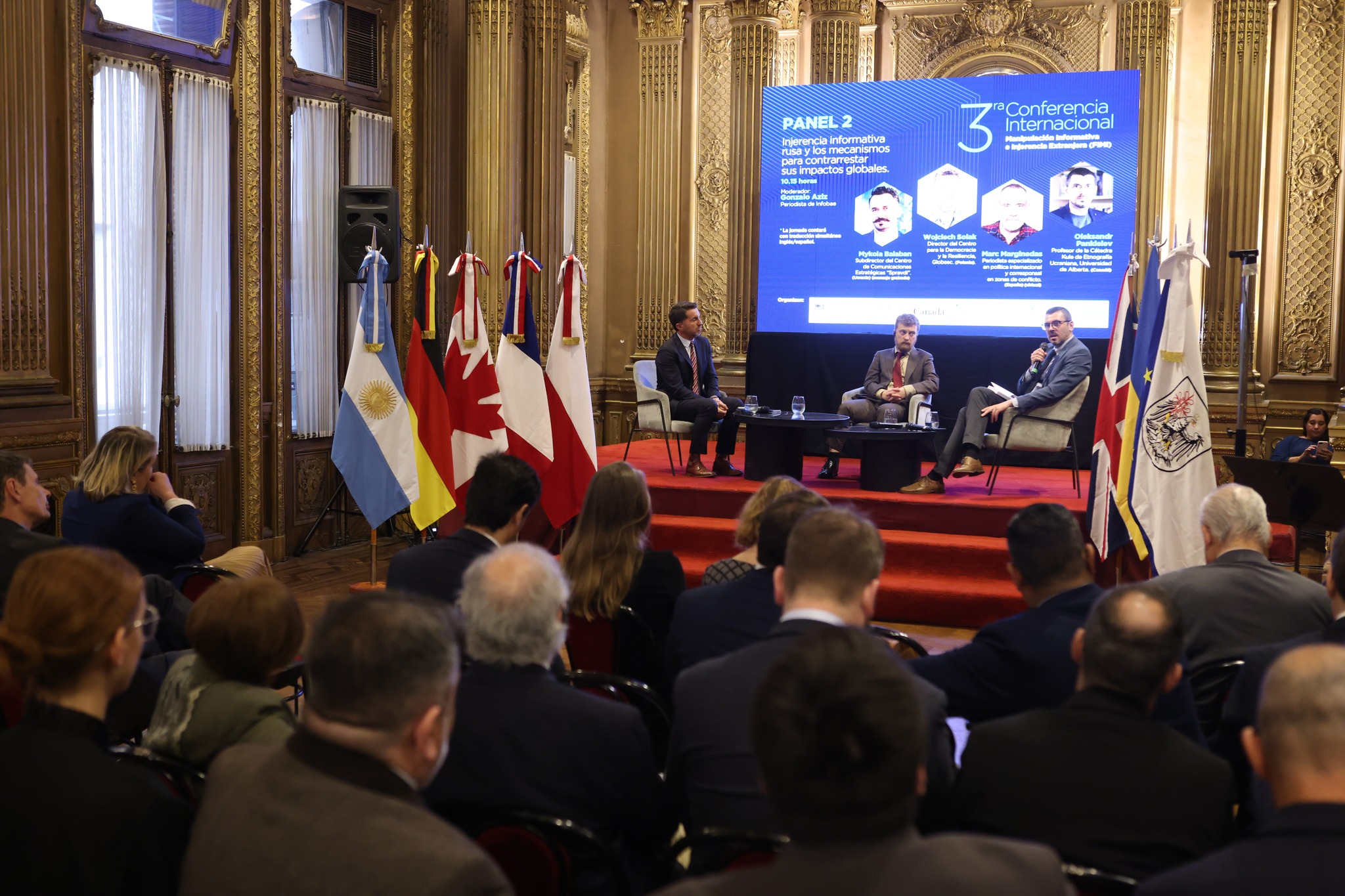
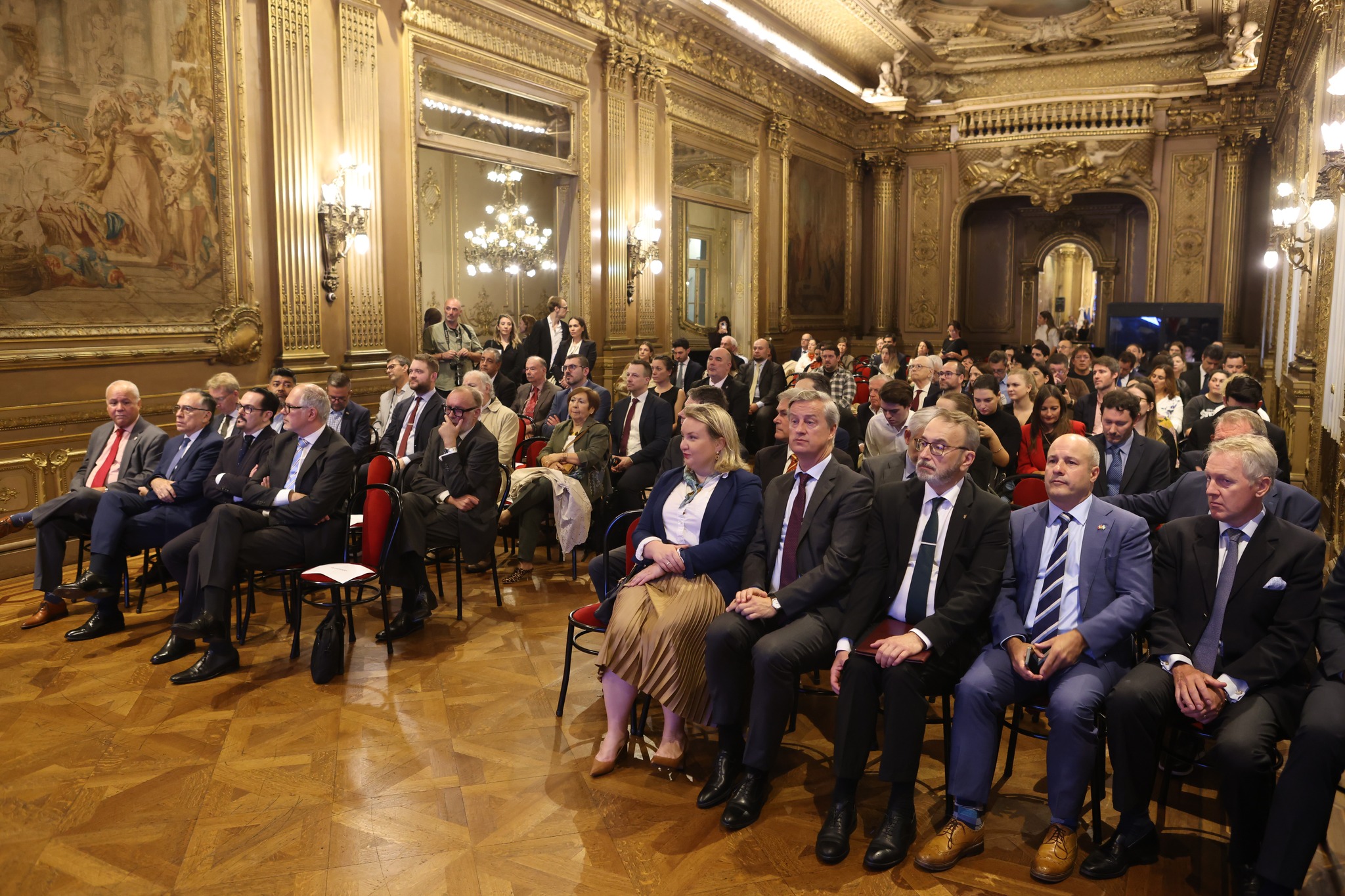
Dr. Oleksandr Pankieiev, Director of the Kule Folklore Centre and Associate Professor and Kule Chair of Ukrainian Culture and Ethnography in the Department of Modern Languages and Cultural Studies, University of Alberta, was in Buenos Aires presenting at the “International Conference on Information Manipulation and Foreign Interference (FIMI)”, held on April 15. The conference was organized by the embassies of Germany, Canada, France, Poland, the United Kingdom, and Ukraine in collaboration with the Delegation of the European Union in Argentina.
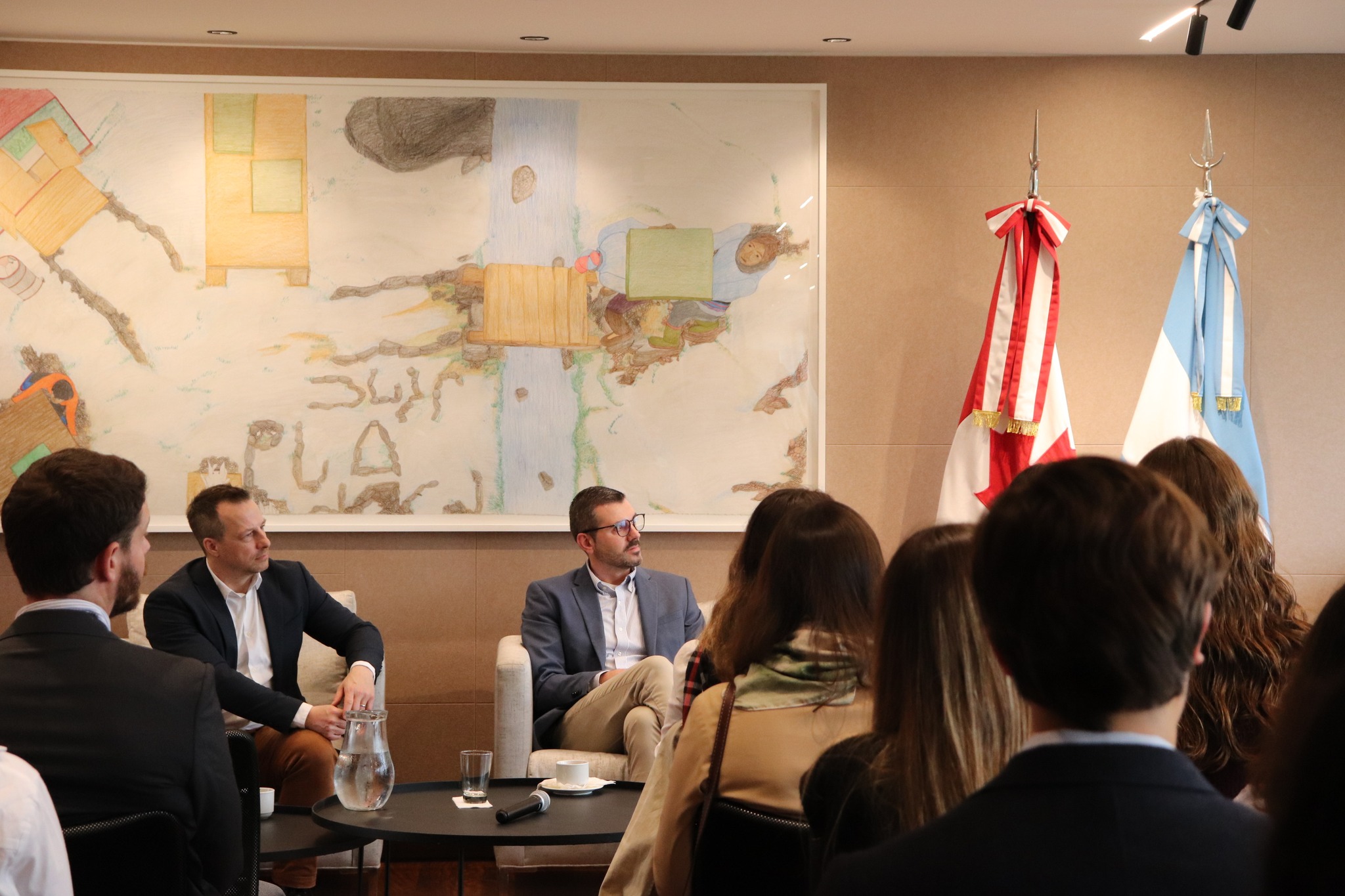
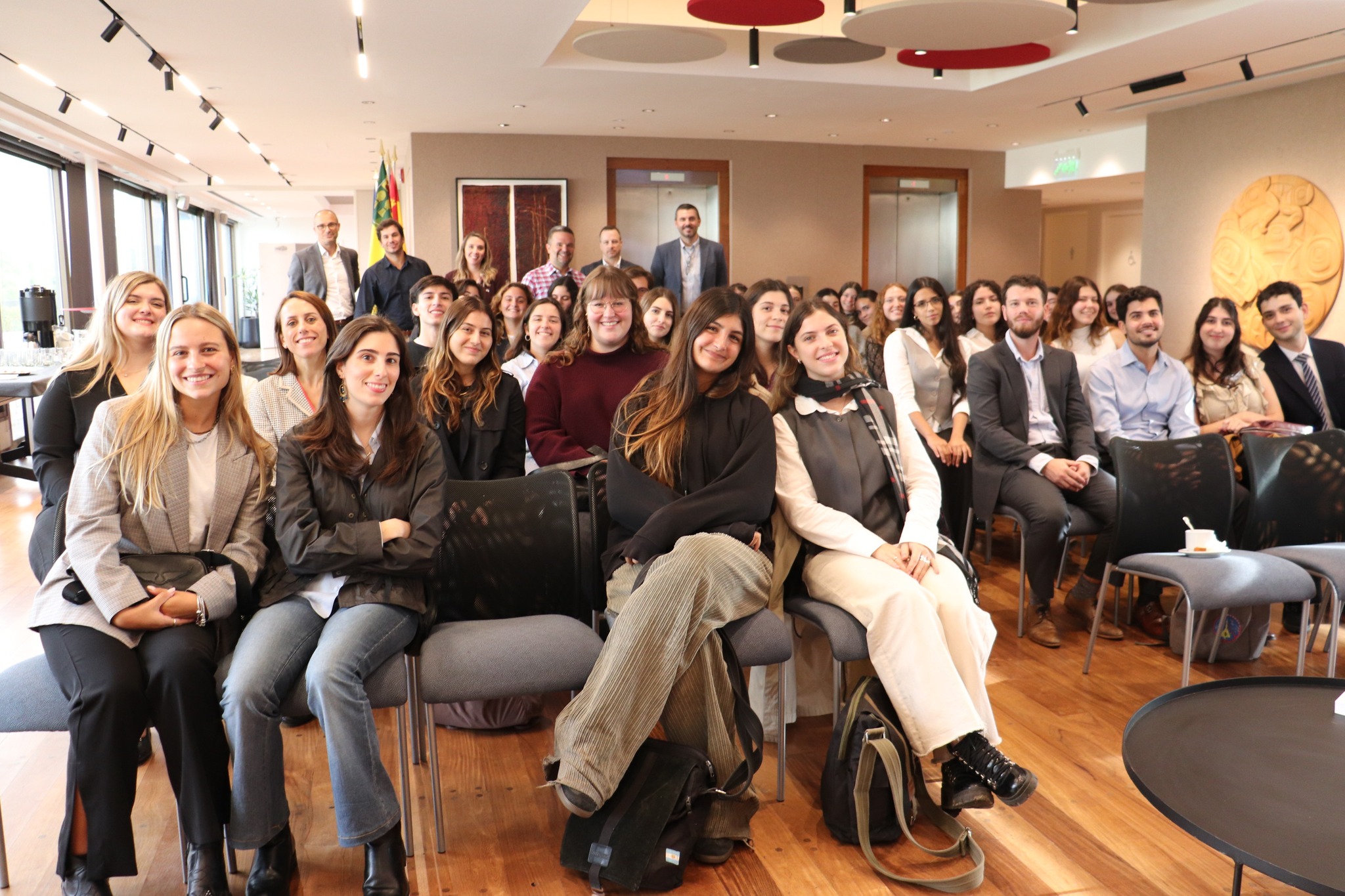
On the margins of the conference, Dr. Pankieiev participated in several additional events. Notably, alongside Dr. Jean-Christophe Boucher, Associate Professor of Political Science at the University of Calgary, he delivered presentations and engaged in discussions with students from the Universidad Torcuato Di Tella. This event was hosted at the Embassy of Canada to Argentina. He also held meetings with key institutions, including the Argentine Council for International Relations and Chequeado, a leading Argentine fact-checking organization.
In his presentations, Dr. Pankieiev emphasized that propaganda should be understood and treated as a “weapon of mass distraction.” While its effects can be difficult to quantify, its consequences are significant—distorting public discourse, shaping public opinion, and leading to real human costs.
He argued that the Russian invasion of Ukraine is, in part, the result of propaganda which went largely unchallenged for decades, both within Russia and internationally. He also highlighted that academia is not immune to propaganda either. Scholars and institutions have been targets of propaganda, and at times they have, both unintentionally and intentionally, contributed to its dissemination. He also emphasized the importance of decolonizing the field and pointed out that in Latin American countries, Russian propaganda has sought to hijack the decolonial narrative, presenting itself as a decolonial power.
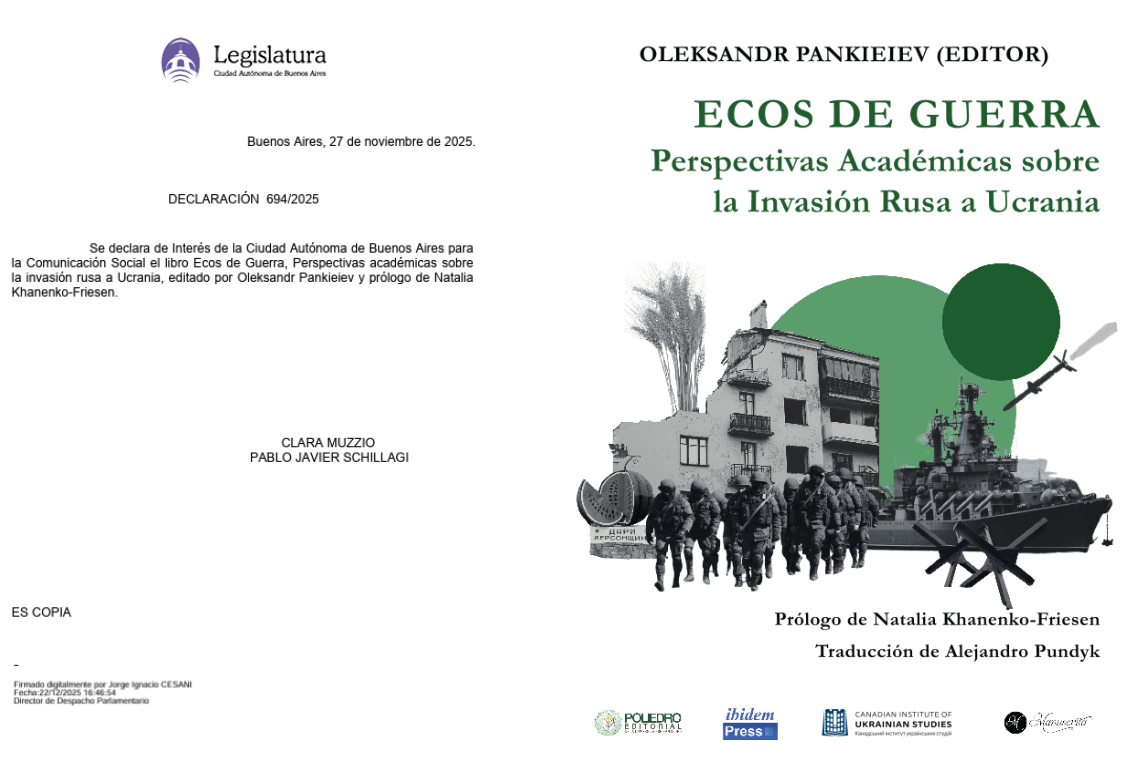
Pankieiev’s presentations drew heavily on the 2025 edited volume Narratives of the Russo-Ukrainian War: A Look Within and Without, for which he selected essays and interviews with scholars and experts who analyze the war from multiple perspectives. The book’s Spanish edition, Ecos de Guerra: Perspectivas Académicas sobre la Invasión Rusa a Ucrania, received formal recognition from the Government of the Autonomous City of Buenos Aires for its contribution to the field of social communication.
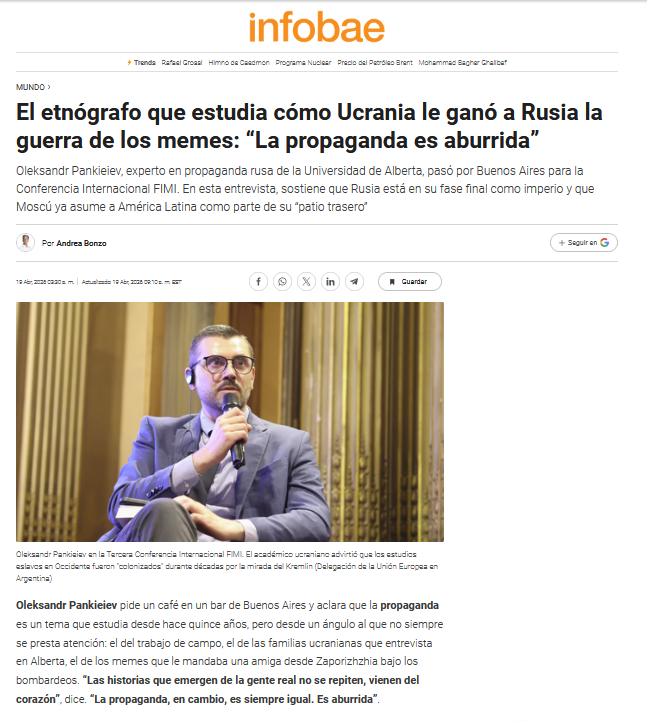
During his visit, Dr. Pankieiev was interviewed by Andrea Bonzo for Infobae, sharing insights from his research. In the interview, titled “The ethnographer studying how Ukraine won the meme war against Russia: ‘Propaganda is boring,’” Dr. Pankieiev underscored the importance of community-engaged scholarship and ethnography as key strategies for addressing propaganda. Through creative practices and storytelling that are more engaging and diverse than malign propaganda narratives, communities can limit the spread of such narratives and remedy their harms.
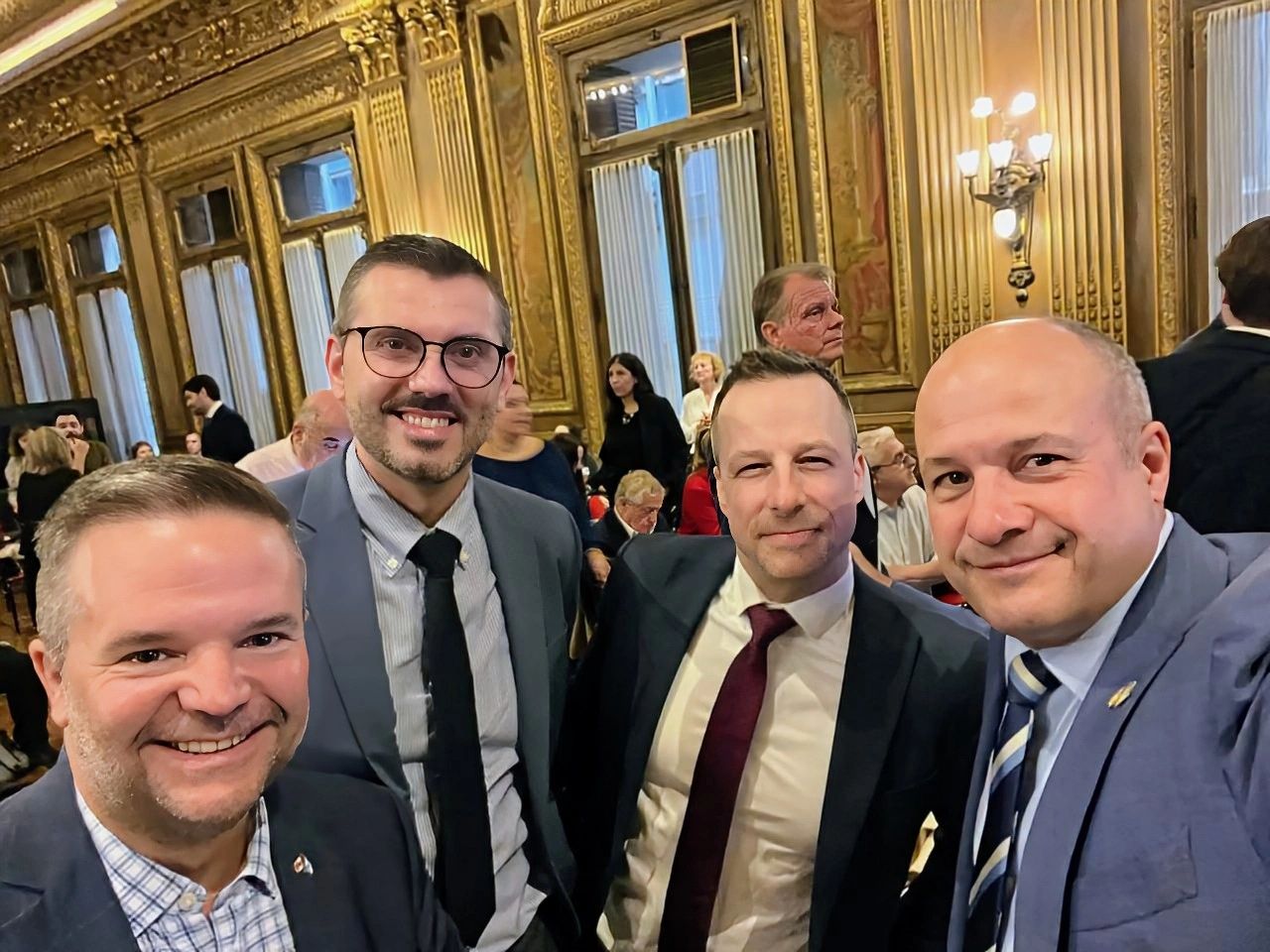
From left to right: Jonathan Sauvé, Embassy of Canada; Oleksandr Pankieiev, University of Alberta; Jean-Christophe Boucher, University of Calgary; Stewart Wheeler, Ambassador of Canada to the Argentine Republic.