KuFC at the conference of the International Society for Folk Narrative Research
19 June 2026
In June, the Kule Folklore Centre team travelled to Reykjavik, Iceland, to take part in one of the most significant events in the world of folklore studies — the biennial conference of the International Society for Folk Narrative Research (ISFNR).
The four-day event, held at the University of Iceland, brought together hundreds of scholars from across the globe to explore this year’s theme: “Nature(s) in Narrative.” Iceland proved a fitting host for such a gathering — a country where attention to oral tradition, folklore, and the written word runs especially deep and whose breathtaking natural landscape inspired many meaningful discussions both during and between sessions.
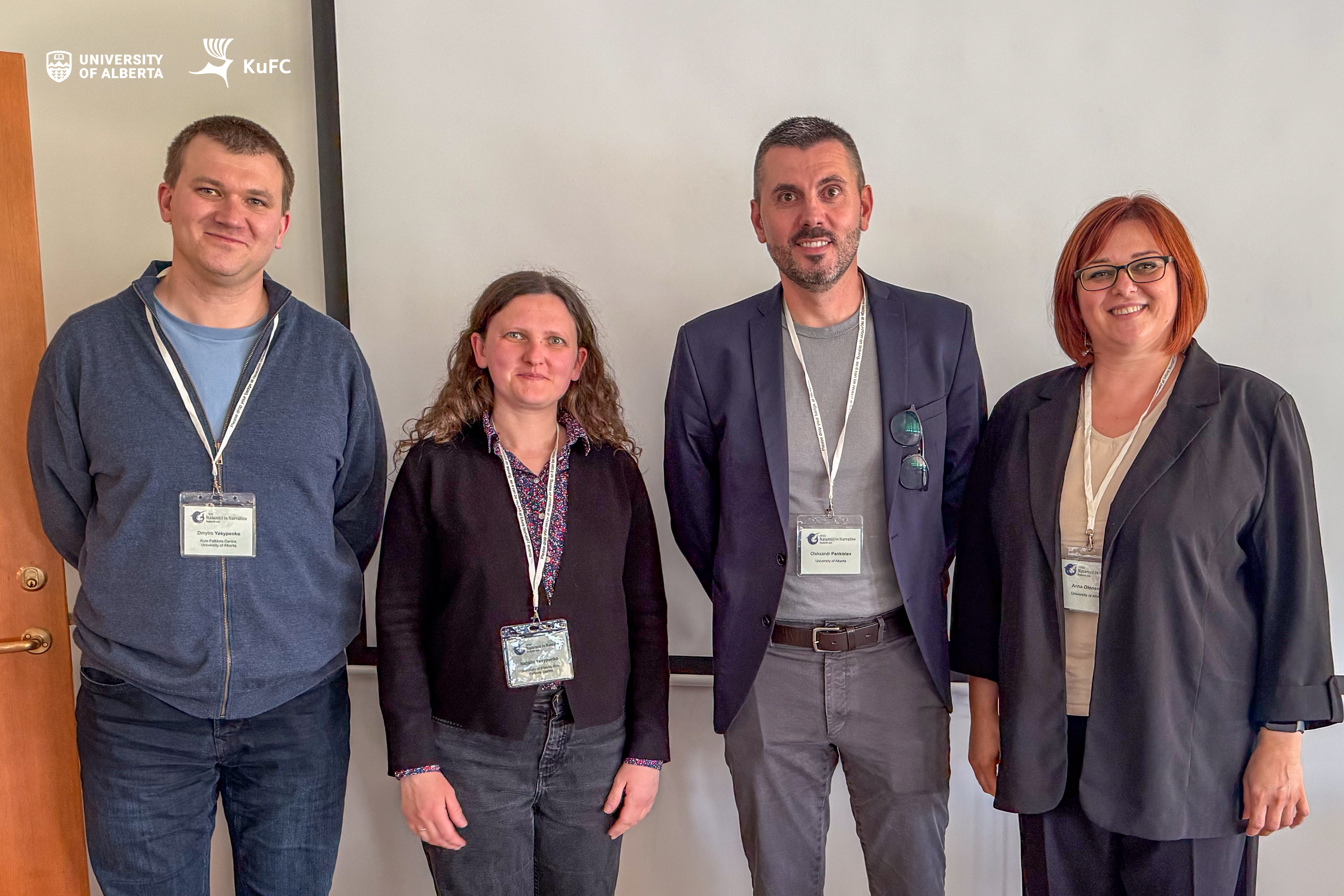
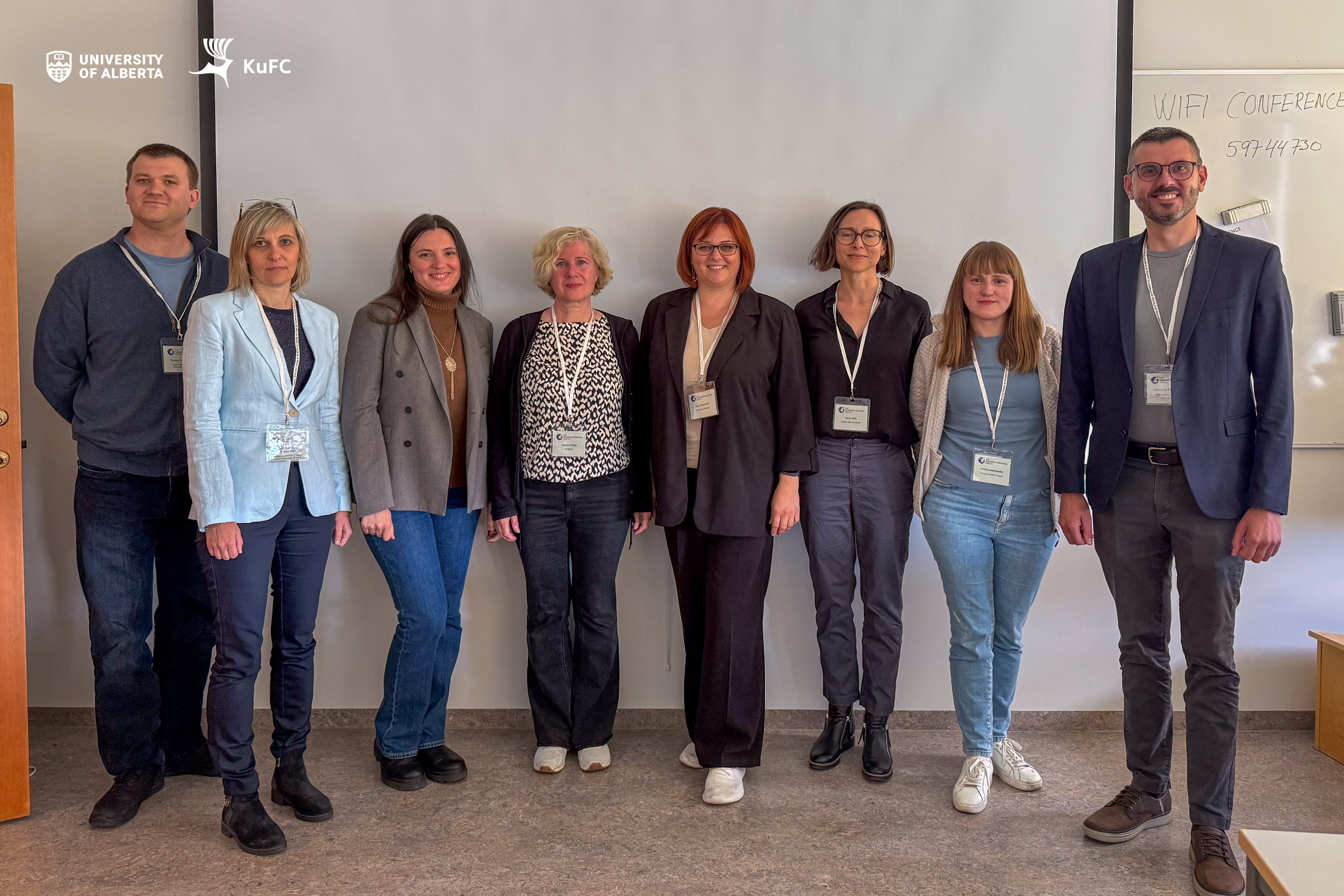
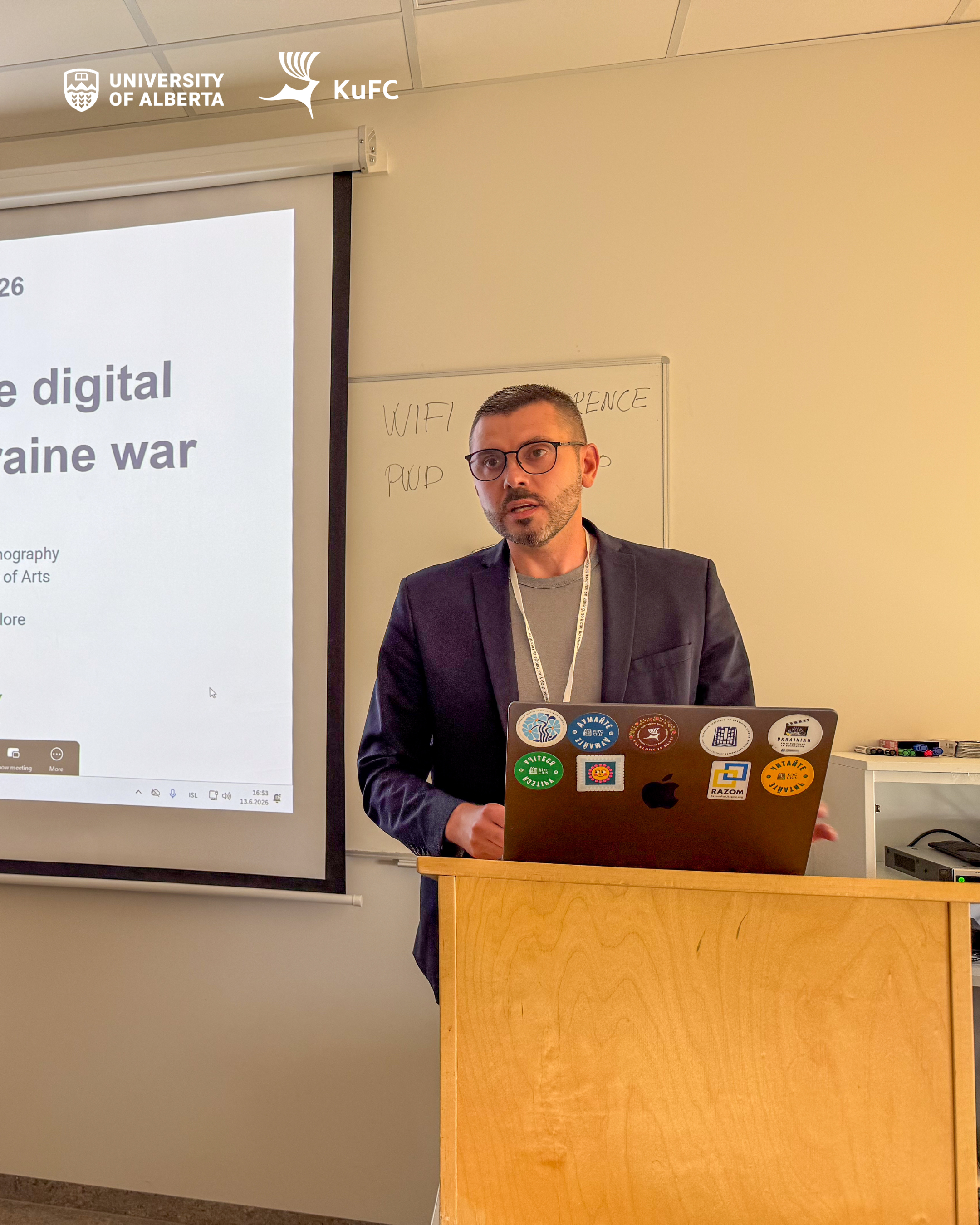
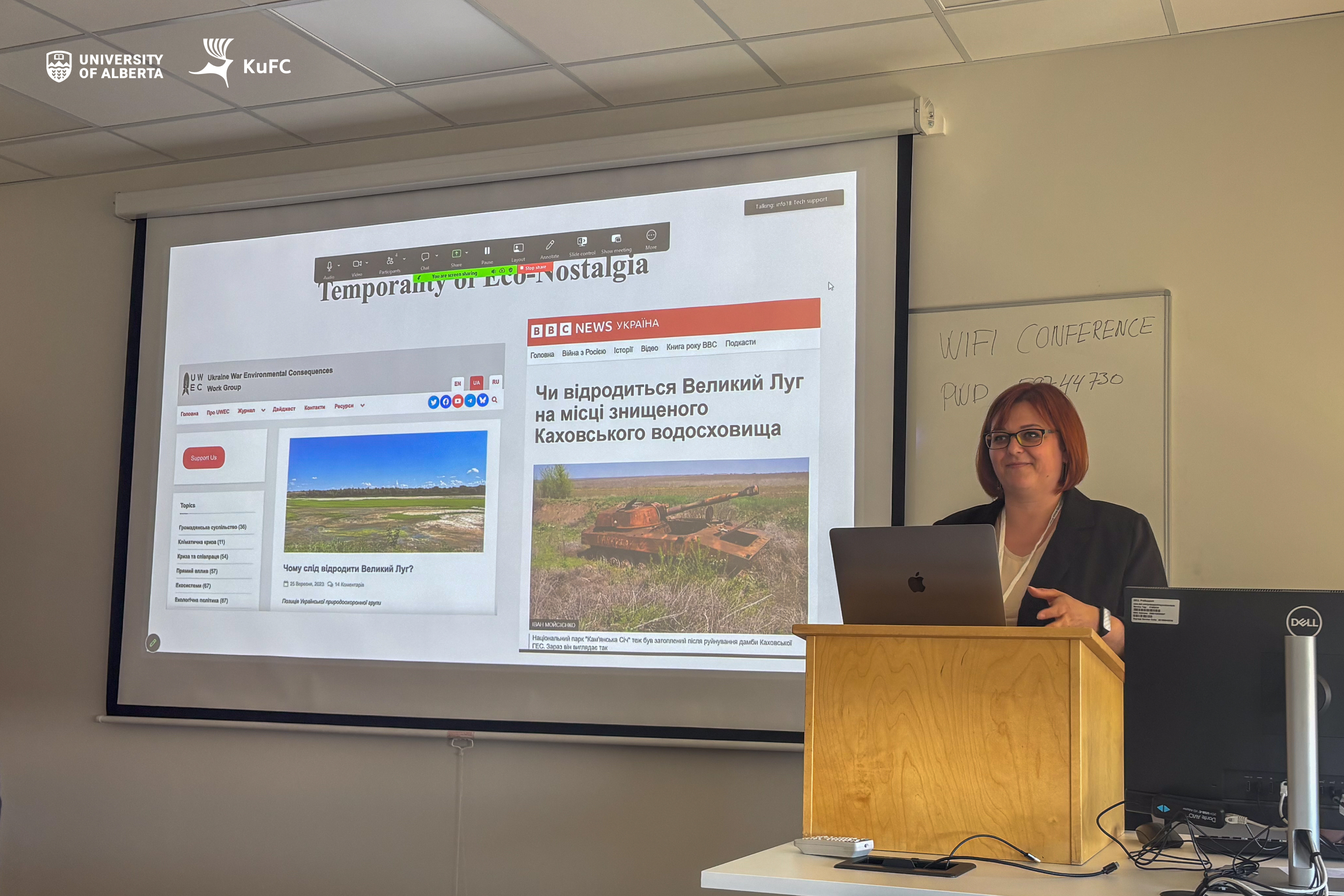
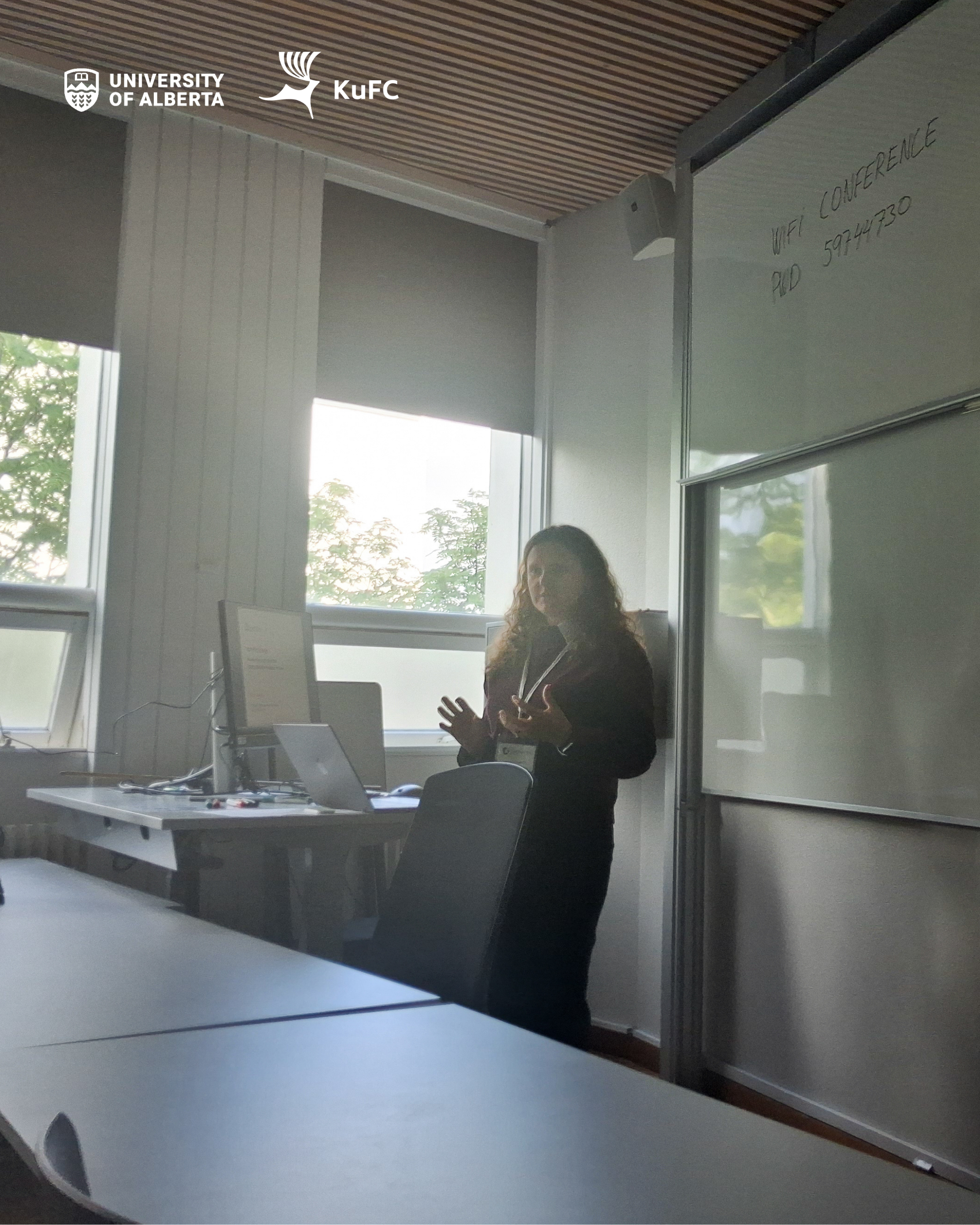
The KuFC team organized two full panels, spanning three sessions and bringing together participants, both in-person and online, from across Europe and North America. Panel P29, Narrating Nature in Times of War, was co-convened by Dr. Oleksandr Pankieiev and Anna Olenenko. Oleksandr presented on the construction of nature imagery in the digital folklore of the Russo-Ukrainian war, tracing how memes have become a primary vehicle for ecological and national symbolism in wartime; Anna examined how the destruction of the Kakhovka hydroelectric station in 2023 has reshaped public narratives around the Dnipro wetlands, situating them within emerging discourses of conservation and national identity. Dmytro Yesypenko, in turn, explored how Ukrainian Eurovision entries have mobilized folkloric and nature-based narratives as tools of cultural resilience and national self-presentation. Panel P27, Narrating Nature, Performing Identity: Ukrainian Folklore in Domestic, Digital, and Diasporic Worlds, was co-convened by Dr. Pankieiev and Dmytro Yesypenko, and featured KuFC archivist Nataliia Yesypenko. Nataliia examined how the transfer of the Ukrainian Canadian Archives and Museum of Alberta’s collections to the Bohdan Medwidsky Ukrainian Folklore Archives influenced the latter mission and narrative. Former KuFC postdoctoral researcher Dr. Olga Zaitseva-Herz rounded out the team's presence with an online presentation on how Ukrainian musicians have responded to what she called “wartime ecocide” through song, documentary imagery, and digital activism.
Beyond the panels, coffee breaks, working group meetings, committee sessions, and cultural tours provided excellent opportunities to build new connections with scholars whose work intersects with the KuFC themes of narrating nature, Ukrainian folklore, and wartime ecocide. Attendees who stopped by the centre’s sessions learned more about our work, and many left with KuFC brochures and stickers. Local Ukrainian volunteers helping at the conference also noted, with cautious optimism, a growing interest in Ukrainian topics within Iceland’s academic and cultural scene, and the KuFC was honoured to contribute.