We Cannot Open The Gates!
Dr. Adrianne Watson - 27 April 2026
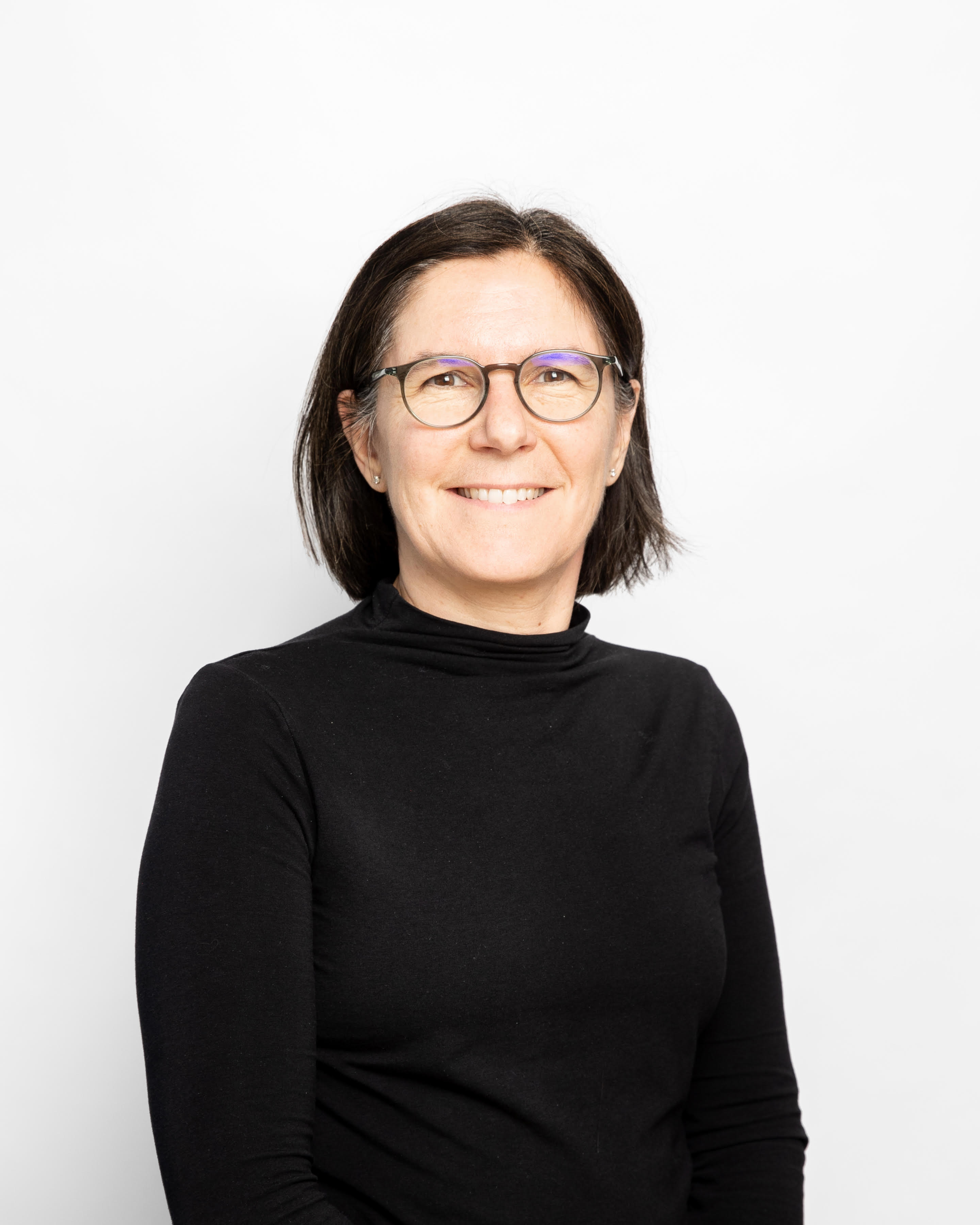
Dr. Emmanuelle Cordat
This is a story about the humble kidneys. The health of these fist-size, bean-shaped organs is quintessential for our well being. You may be familiar with some of their functions, like filtering blood and producing urine. But perhaps the most important role of the kidneys is to maintain acid-base balance in our blood. If the kidneys fail to do this, our blood acidifies and we are in serious trouble.
Unfortunately, this is what happens for people with distal renal tubular acidosis, or dRTA. dRTA is a rare and serious kidney disorder affecting 1 in 100 000 people worldwide. dRTA is caused by malfunction of the cells in a specific region of the kidney (renal) called the distal tubule. This results in acidosis, or the overabundance of acid in the blood. In babies, this can stunt growth or cause developmental deformities, while in adults, this may cause kidney stones, muscle weakness, confusion, or hearing loss. It requires lifelong treatment.
One of the causes of dRTA is mutations in the gene solute carrier family 4 member 1, better known as SLC4A1. This gene encodes the protein called kidney anion exchanger 1, or kAE1. It works in combination with another protein called hydrogen adenosine triphosphatase or H-ATPase. Together they act as gates for acids and bases.
Here’s how it works. In certain kidney cells, kAE1 is situated on the basolateral or “blood-facing” side of the cell and allows bases to enter the blood. As for H-ATPase, it sits on the other side of the cell, known as the luminal or “urine-facing” boundary. It actively pumps acids into the urine. Under normal conditions, there is no problem with maintaining the right balance of acids and bases in the blood. But in people with dRTA, the mutations in SLC4A1 prevent the bases from going into the blood causing the acidosis.
As much as we know what happens in the blood of people with dRTA, there are still questions about what is happening at the cellular level during the malfunction of the kAE1 system. This is where UAlberta researcher Dr. Emmanuelle Cordat comes in. Her research led by PhD candidate Grace Essuman helped to uncover how newly identified mutations from dRTA patients impact kAE1 function and send the entire acid-base system into dysfunction.
They focused on mutations previously discovered in dRTA patients. In all cases, the kAE1 protein was doing everything right - it seemed to be the right size, it was showing up in the cell as usual, but for some reason, it wasn’t sending the bases to the blood.
Upon further analysis, they found that the balance of acid and base in the cells was off. It was too basic and not acidic enough inside the cell. This caused several issues. First, they found problems with a cell recycling process called autophagy. Autophagy is a self-cleaning mechanism (literally meaning “self-eating”) by which the cell breaks down and recycles pieces of itself that are broken. Autolysomes engulf the broken part of the cell, and fuse with lysosomes to become an “autolysosome”, which recycles the broken components.
Unfortunately, this process requires an acidic environment and in these now more basic cells, it was inefficient. Inside the mutant cells was a surplus of autophagosomes and autolysosomes leading to an accumulation of unprocessed cell “junk”.
But that wasn’t all. Normally, healthy cells can moderate pH by upping energy production, increasing activity of H-ATPase. This increases acidity and allows for normal autolysosomal function. The mutant cells were unable to do this, further exacerbating the problem.
This paper highlights how this breakdown can happen in one of the body’s most important cells. Finding possible options to improve the situation may not be as easy as resolving one mutation in the kAE1 protein. A more systematic approach may be needed. Now that we have this new information from the Cordat lab, we may be able to start investigating how we can help the cells deal with a small change that causes a systemwide failure.