Symposium on the Science of Vaccine Safety
10 December 2025
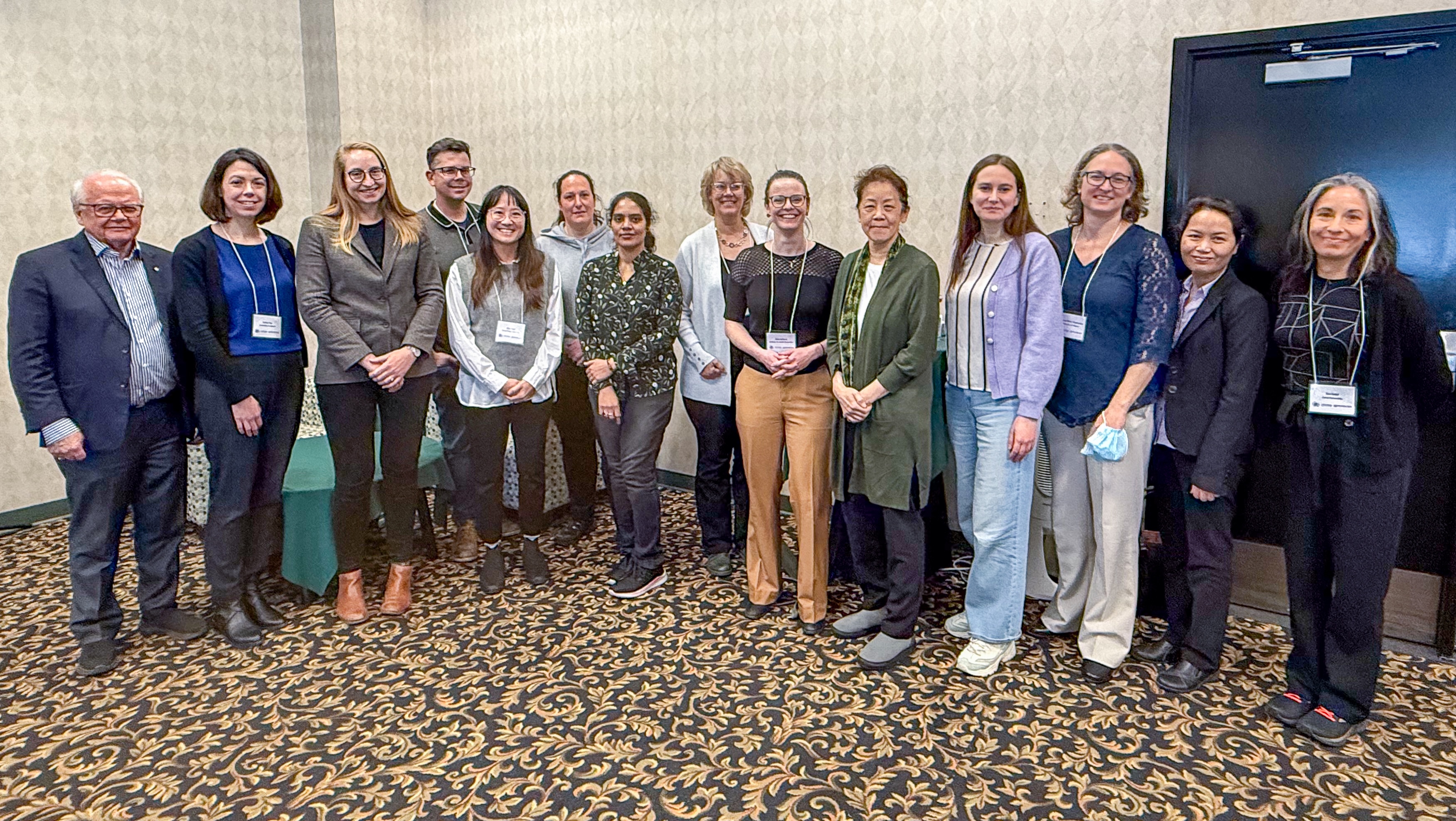
Speakers at the Symposium on Vaccine Safety. From left to right: Dr. Lorne Tyrrell, Dr. Karina Top, Dr. Anna Blakney, Dr. Ryan Noyce, Dr. Anh Pham, Dr. Ulrike Strunk, Dr. Reshmi Ramakrishnan, Dr. Shannon MacDonald, Dr. Ellen Rafferty, Dr. Kelley Lee, Kira Sviderskaia, Dr. Vanessa Meier-Stephenson, Dr. Hoa Le, and Dr. Ève Dubé.
The Li Ka Shing Institute of Virology and the PRAIRIE Hub for Pandemic Preparedness co-hosted a Symposium on the Science of Vaccine Safety at Lister Hall on October 28-29, 2025.
Dr. Shannon MacDonald (University of Alberta) opened the symposium with a talk on vaccine safety in the landscape of vaccine science. She discussed how vaccine safety permeates across the vaccine life cycle and touched on topics like public perception, provincial differences, and the 4 CIHR pillars.
Day 1
Dr. Ève Dubé (Laval University) delivered a keynote address titled Vaccine Safety: Bridging the Gap Between Science and Public Perception. She highlighted the influence and risk of social media, artificial intelligence, and predatory journals, noting that science “hype” can lead to embellished headlines and subsequent distrust in science communication. It can take much longer to debunk disinformation than it does to create and share it. She advised that using storytelling, visual aids, and balanced positivity can be effective strategies in improving public perceptions of vaccine safety.
The next segment explored how vaccine safety is considered in each of the four CIHR pillars in a segment called Overview of Vaccine Safety Research Across the Pillars.
Pillar 1 Biomedical was represented by Dr. Ryan Noyce (University of Alberta) in his talk, Driving Next Generation Vaccine Development Using Viral Vector Platforms. He discussed how different vaccine vectors can protect against poxviruses and emerging pathogens.
Pillar 2 Clinical was represented by Dr. Karina Top (University of Alberta) in her talk, Clinical and Translational Research in Vaccine Safety. She spoke on vaccine-related myocarditis, subsequent vaccinations, and individual risk-benefit analysis and monitoring.
Pillar 3 Health Services was represented by Dr. Ellen Rafferty (Institute of Health Economics) in her talk, Integrating Vaccine Safety into Health Services Research and Economic Evaluation – Current Practice and Future Directions. She described how economic analysis of vaccines weigh health outcomes associated with immunization, how health services are used, associated health care costs, and productivity loss.
Pillar 4 Social, Cultural, Environmental, and Population Health was represented by Dr. Kelley Lee (Simon Fraser University) in her talk, An Overview of Social, Cultural, Environmental, and Population Health Research on Vaccine Safety. She addressed vaccine hesitancy in Canada and how overcoming these barriers requires understanding how social and cultural identities intersect with health.
The 4 Pillars speakers also participated in a panel discussion moderated by Dr. Stephanie Yanow on bridging vaccine safety research across pillars. Since the last pandemic, we’ve made improvements in building networks, bridging pillars, and increasing sustainability. We closed out the day with a poster session and reception for networking.

Panel discussion moderated by Dr. Stephanie Yanow with Dr. Karina Top, Dr. Ryan Noyce, Dr. Ellen Rafferty, and Dr. Kelley Lee
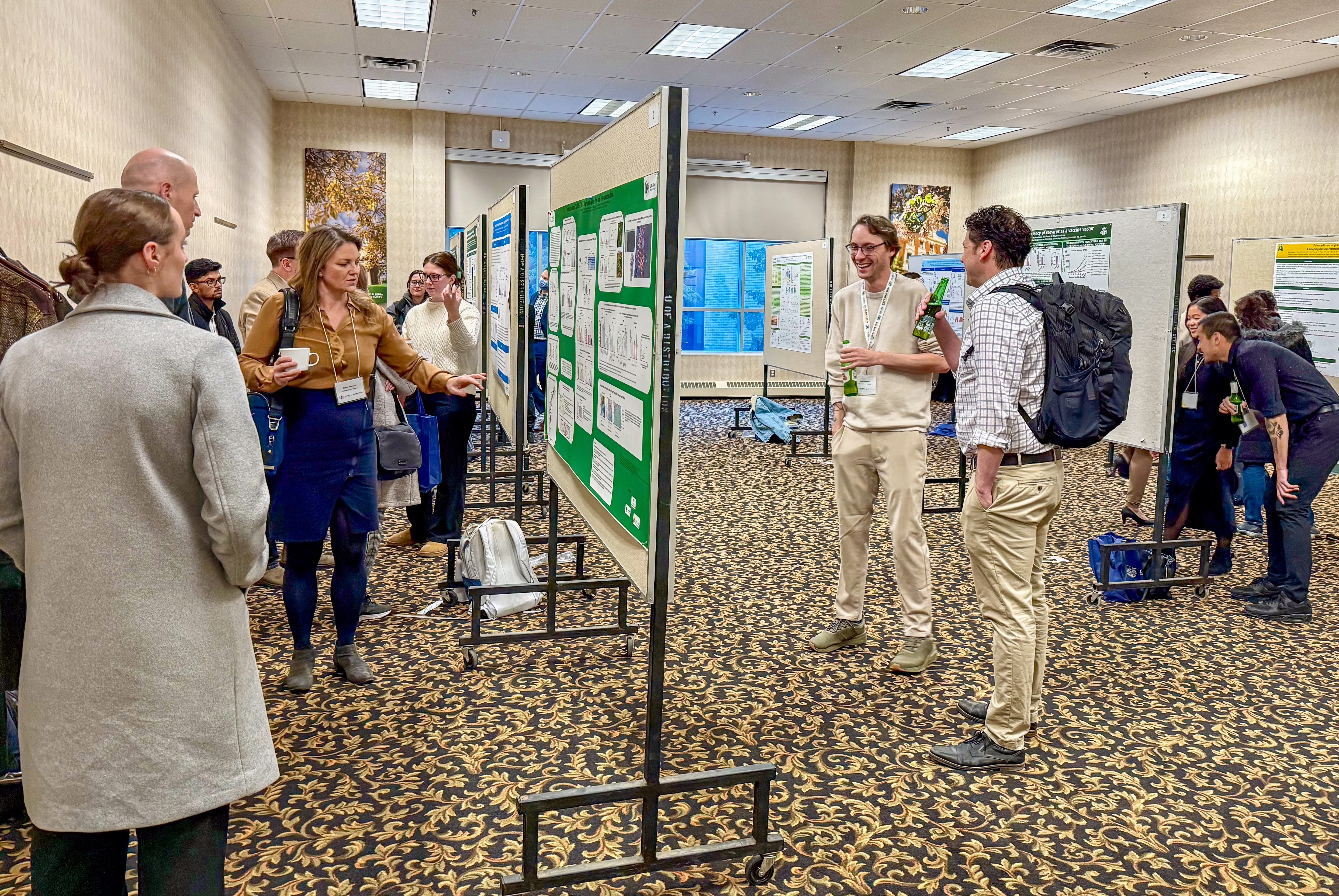
Poster session and reception on Day 1
Day 2
Dr. Anna Blakney (University of British Columbia) delivered a keynote address titled Next-Generation RNA Vaccines & Therapies. She presented the novel mRNA vaccine technology called self-amplifying RNA (saRNA) and highlighted its advantages compared to conventional mRNA, including use of lower does, reduced side effects, and longer lasting immunity. She explored the effects of using different viral backbones, delivery vehicles, and routes of administration. Optimizing these components can lead to more effective vaccines and therapies.
We heard talks from trainees and ECRs: Dr. Ulrike Strunk (LNP saRNA candidates for HPAI), Dr. Reshmi Ramakrishnan (databases and machine learning for predicting antiviral strategies), Kira Sviderskaia (measles seroprevalence and immunity in Edmonton population), Dr. Hoa Le (HCV saRNA vaccine development), Dr. Vanessa Meier-Stephenson (Group A Strep vaccine clinical trial), and Dr. Anh Pham (demographic differences in vaccine confidence).
After the symposium concluded, Drs. Ève Dubé and Kelley Lee hosted an interactive workshop on Public Engagement, Hesitancy, & Disinformation. Groups were challenged with anti-vaccination arguments and encouraged to uncover potential underlying motivations and tactics for combating these views. A key takeaway was that engagement and understanding alternate perspectives can be as important as expert information. Connection and empathy should be a focus, and the goal should be to foster resilience and minimize the spillover effect of misinformation. Attendees were directed to JitsuVAX for more resources. This is an international team led by the University of Bristol, made up of psychologists, scientists, clinicians, and experts finding new ways to understand and address vaccine misinformation.
This was a successful joint venture organized by the Li Ka Shing Institute of Virology and the PRAIRIE Hub, and we look forward to hosting more events like this in the future.
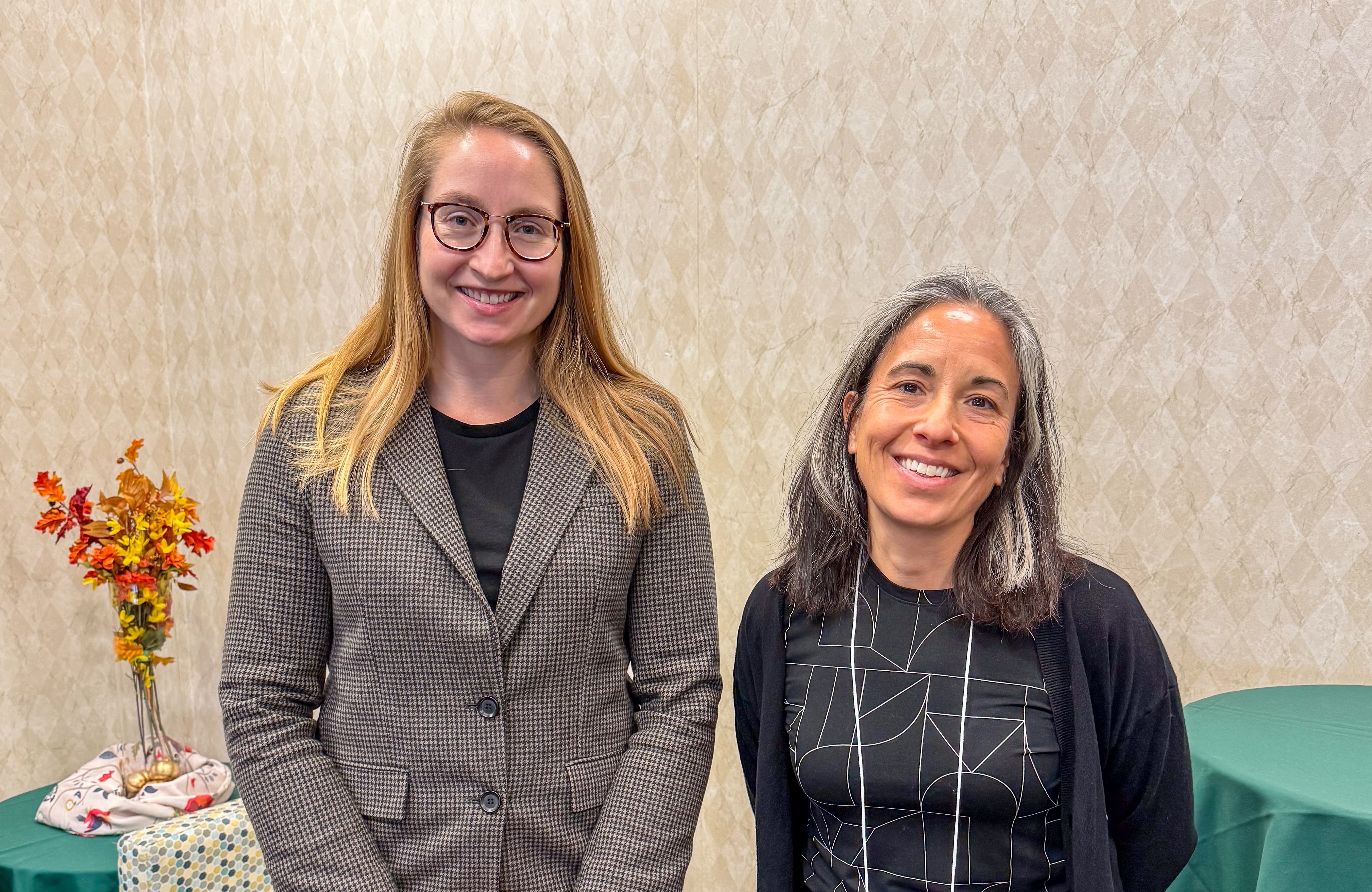
Keynote speakers, Dr. Anna Blakney and Dr. Ève Dubé
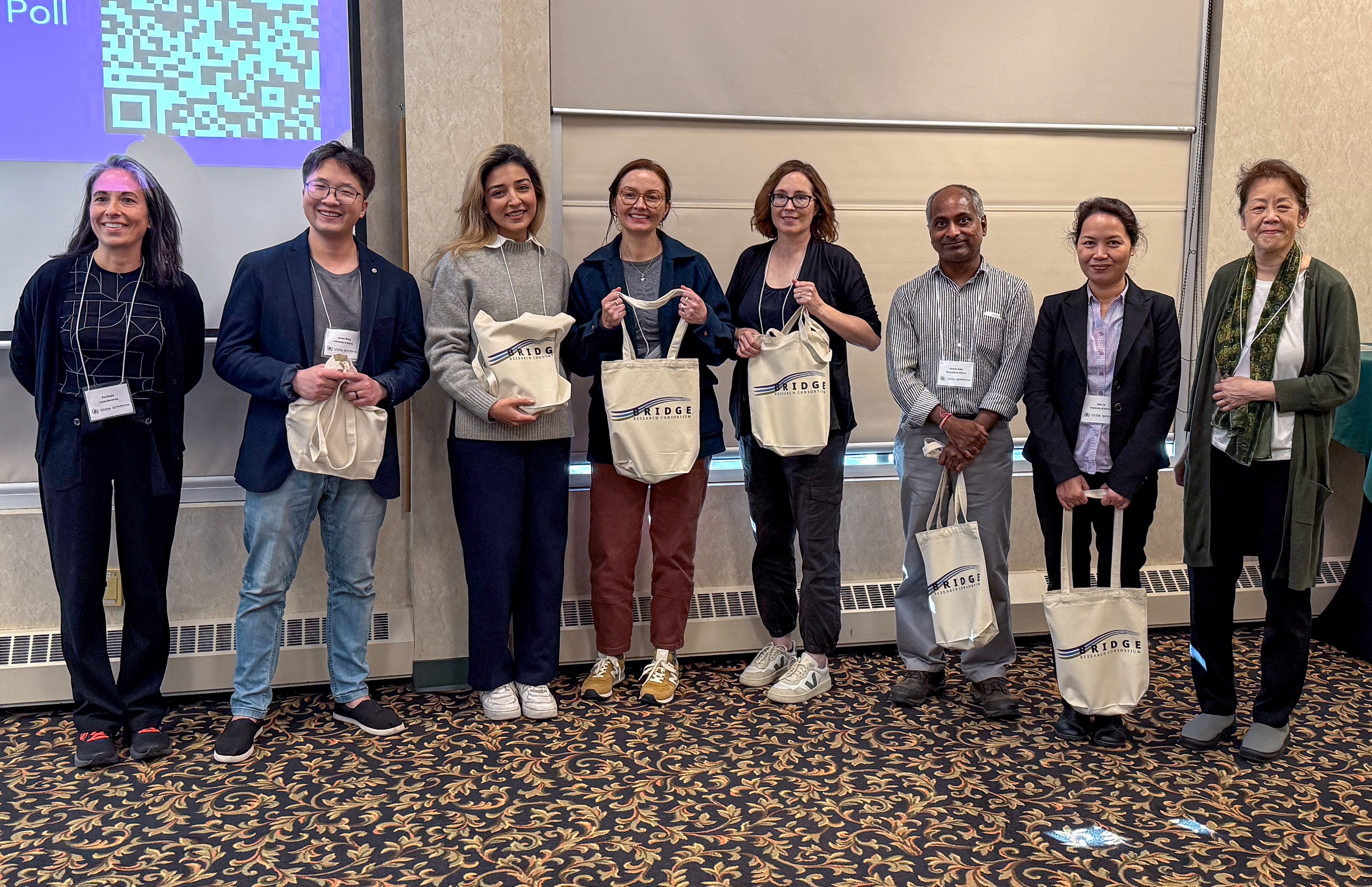
The winning group from the interactive workshop on Public Engagement, Hesitancy, & Disinformation with hosts Dr. Ève Dubé and Dr. Kelley Lee.