New Study Reveals Stark Prostate Cancer Disparities for First Nations Men in Alberta
19 December 2025
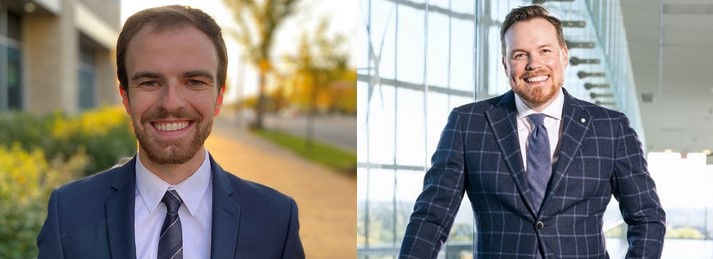
Dr. Patrick Albers (left) and Dr. Adam Kinnaird (right)
A landmark study published in The Lancet Regional Health – Americas has revealed significant and long‑standing disparities in prostate cancer outcomes between First Nations and non–First Nations men in Alberta. The 27‑year population-based cohort study—covering more than 39 million person‑years of data—shows that First Nations men are diagnosed younger, more often at advanced stages, and die an average of 4.5 years earlier from prostate cancer.
The research team found higher age-adjusted prostate cancer mortality and worse disease-specific survival among First Nations men, underscoring systemic barriers that continue to shape cancer outcomes.
Primary author of “Disparities In Prostate Cancer Outcomes Between First Nations And Non-First Nations Men In Canada – Cohort Study” Dr. Patrick Albers emphasized the urgency of the findings, stating: “The findings highlight an urgent need for culturally appropriate, Indigenous-led initiatives to support earlier detection, improve access to care, and address systemic inequities driving these disparities.”
Project supervisor Dr. Adam Kinnaird said, “These findings highlight the need to have more accessible screening programs for prostate cancer, so that the cancer is detected at a localized and curable stage.”
The study shows that First Nations men are more likely to be diagnosed at a younger age and at later stages of prostate cancer, when treatment options are more limited and outcomes are poorer. Researchers point to reduced access to primary care, lower screening rates, and longstanding mistrust of the health system as contributing factors.
The project was conducted in close partnership with the Alberta First Nations Information Governance Centre, ensuring adherence to First Nations data sovereignty principles. Additional collaboration came from the Health Analytics Branch of Alberta Health Services and the Department of Oncology, reflecting a broad, multidisciplinary effort.
The study received funding from the Movember Equity Grant, part of a national initiative aimed at reducing prostate cancer disparities and improving outcomes for underserved populations.