15 Years of Innovation at the Surgical Simulation Research Lab
Nick Wilson - 29 October 2026
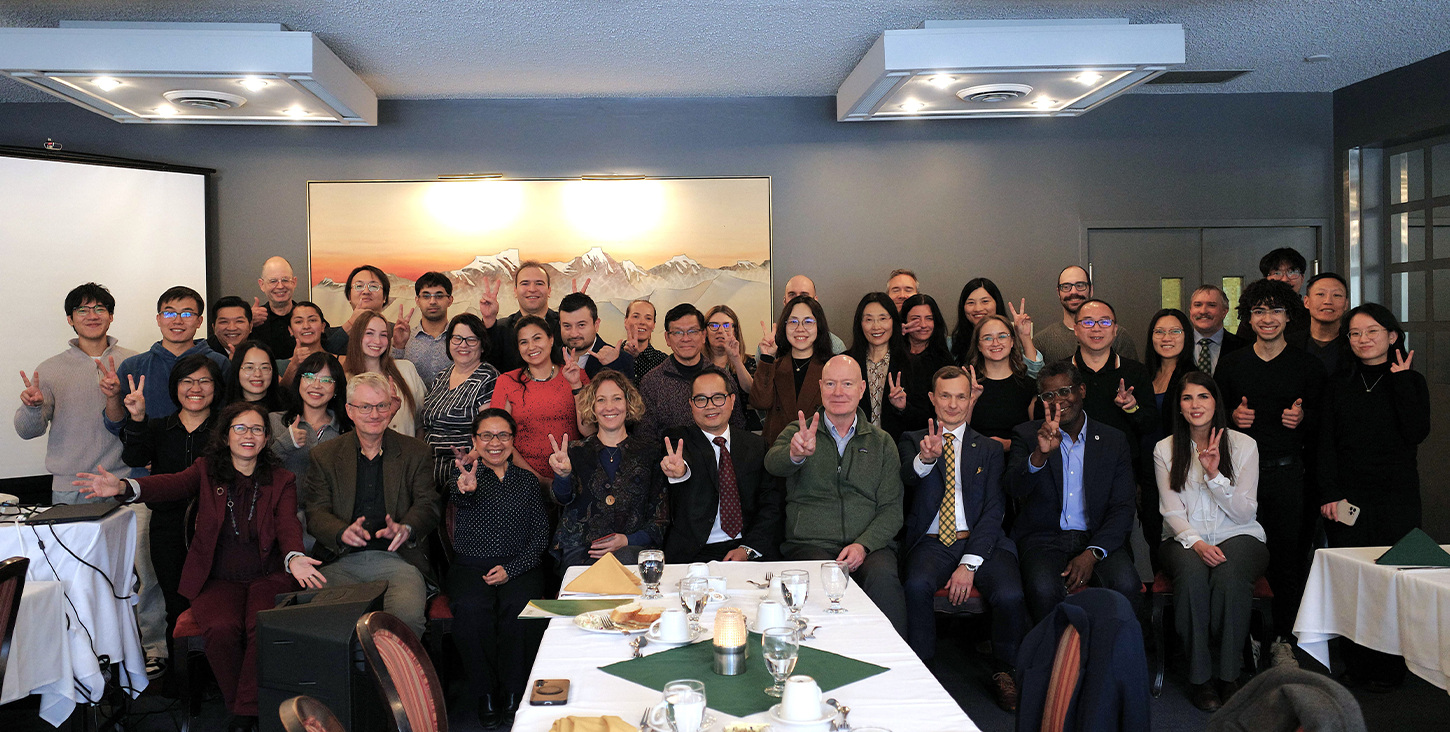
Celebrating 15 Years of Surgical Education Research and Technology
The Department celebrated 15 years of the Surgical Simulation Research (SSRL) Laboratory, which operates at the intersection of advanced medical technology and educational science, serving as a dedicated hub for advancing how surgical skills are taught, evaluated, and refined. The celebration was attended by Dr. Tom Stelfox, Deputy Dean for the Faculty of Medicine & Dentistry, Dr. David Williams, Chair of the Department of Surgery, Dr. Bin Zheng, Director of the SSRL, alumni, current students, and research partners. Videos and messages of thanks, tributes and congratulations from collaborators and alumni came from across the globe. Dr. Stelfox said he is impressed by how much the SSRL leans into the human side of research. While the laboratory relies heavily on high-tech simulators, eye-tracking systems, motion analysis, and virtual reality, its ultimate research focus remains deeply human-centered.
Empathy for the Learner: The SSRL explicitly studies the human limitations, cognitive loads, stress levels, and emotional dynamics of surgical trainees. By understanding difficulties in processing information in the operating room, how fatigue, high-stakes pressure, and complex environments affect decision-making, the lab designs training environments that build confidence, resilience, and mastery before a trainee ever touches a patient.
Patient Safety & Harm Reduction: At its heart, the lab’s goal is to create a "harm-free" environment where clinicians can practice, make mistakes, and learn without risking human lives. Simulation and training models in various types have been invented at SSRL, moving the learning curve away from the operating table, directly shielding real patients from preventable risk.
Human Factors & Teamwork: Surgery is never a solo effort. The SSRL examines team dynamics, communication and collaboration patterns, and situational awareness among entire operating room teams—addressing how real human beings interact under pressure to deliver seamless, compassionate care.
Embracing Technologies for the Future of Surgery: Emerging technologies are increasingly being integrated into surgical practice. SSRL has built strong collaborations with engineers to develop innovative surgical technologies and evaluate their usability, efficiency, and safety for surgical users. At the same time, these cross-disciplinary collaborations have helped train highly qualified personnel equipped with cutting-edge knowledge and skills at the intersection of surgery, engineering, and computer science.
Dr. Zheng said,“Bringing everyone together today is not simply about celebrating what we have achieved. It is also a reminder that we are moving in the right direction,” said Dr. Bin Zheng in his closing remarks. “Rather than focusing primarily on patients and diseases, we focus on the surgeons and physicians who deliver patient care.” The end product of the lab's research is not just better equipment or metrics, but better-equipped human practitioners—surgeons who enter the operating room grounded in deep procedural confidence, self-awareness, and an unwavering commitment to patient wellbeing."