Funding Winners 2025/2026
14 May 2026
The Alberta Land Institute's 2025/2026 Call for Proposals received many fantastic applications, 5 of which were selected for funding. Learn more about the funding winners and their projects below.
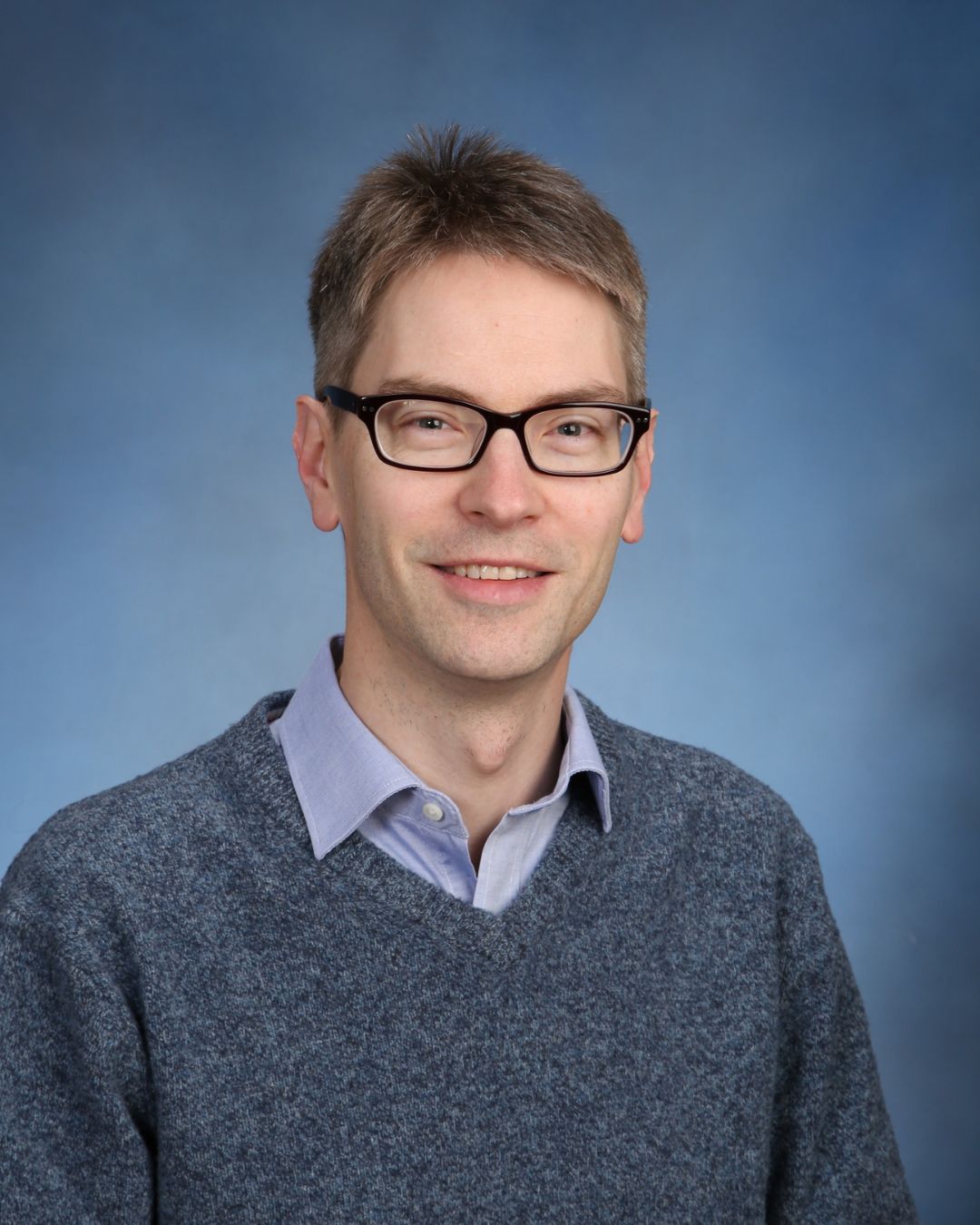
Evan Davies
Professor, Faculty of Engineering - Civil and Environmental Engineering Dept, University of Alberta
Davies’ research focuses on water resources planning and management, and in particular understanding and modelling the complex feedbacks among water availability, use, and quality, and their larger social, economic, and environmental context.
Research
A high-resolution water demand model for assessment of water management policies in a growing Alberta
Factors such as population growth, irrigation expansion, and climate-related hydrological uncertainties have increased water demand on Alberta’s South Saskatchewan River Basin. This one-year research project will help provide policy-makers with evidence-based tools to evaluate water management options through the development of an integrated, basin-scale planning model, with scenario development and interpretation of results conducted in collaboration with Alberta Environment and Protected Areas’ (EPA) Integrated Environmental Modelling and Prediction (IEMP) group.
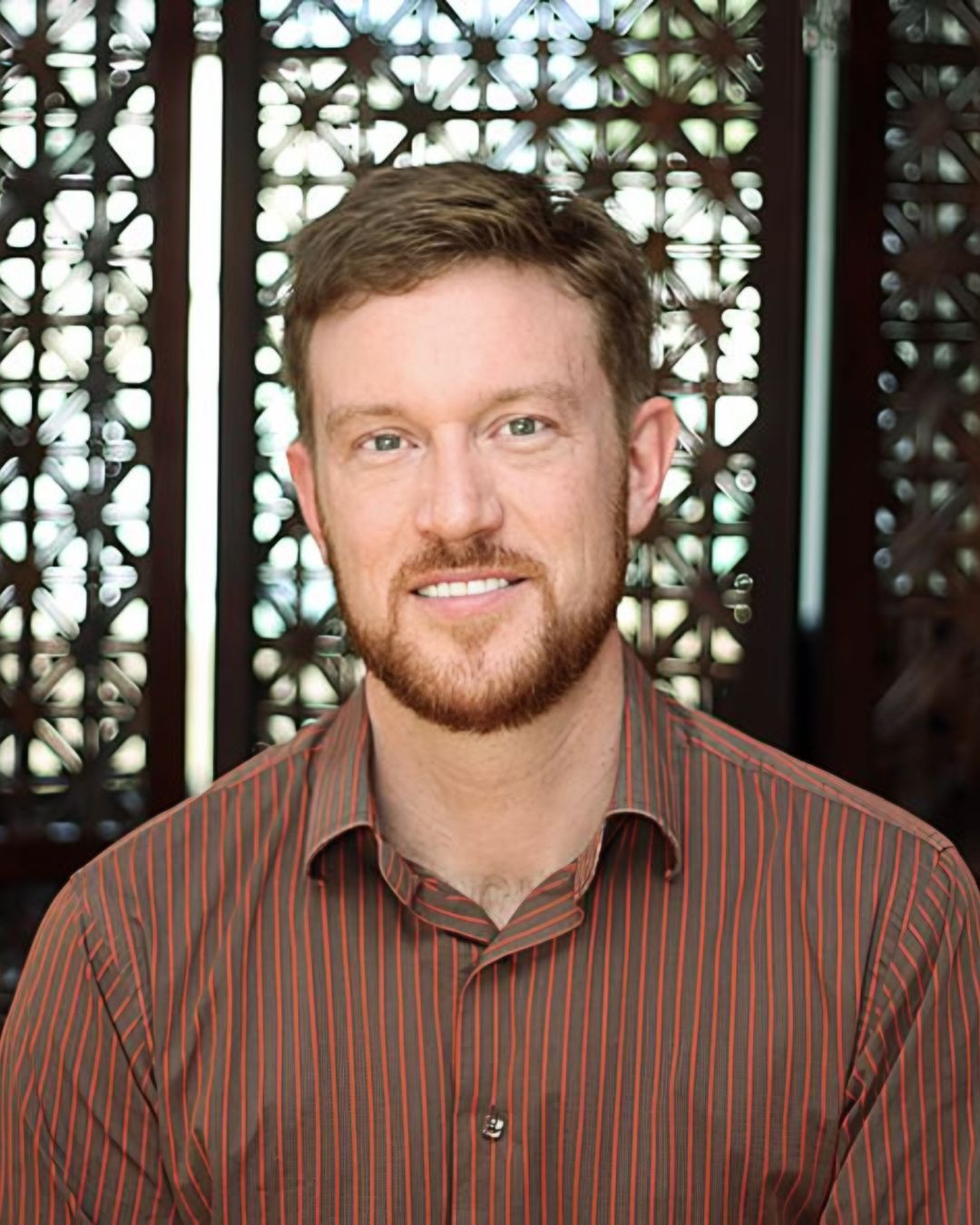
Scott Heckbert
Adjunct Academic Colleague, Department of Science, Augustana Faculty, University of Alberta
Heckbert is an environmental economist at Alberta Innovates Technology Futures, Canada. Scott’s research applies environmental economics using simulation modelling of social-ecological systems.
Research
Alberta Land Stewardship Act (ALSA) Regional Planning Review
This research project will perform a review of Regional Planning in Alberta to
evaluate the Alberta Land Stewardship Act and its implementation from 2009 to the
Present. Heckbert and coinvestigator Jill Blakely will develop and apply an evaluative framework to understand the effectiveness of efforts to date and communicate critical success factors going
forward.
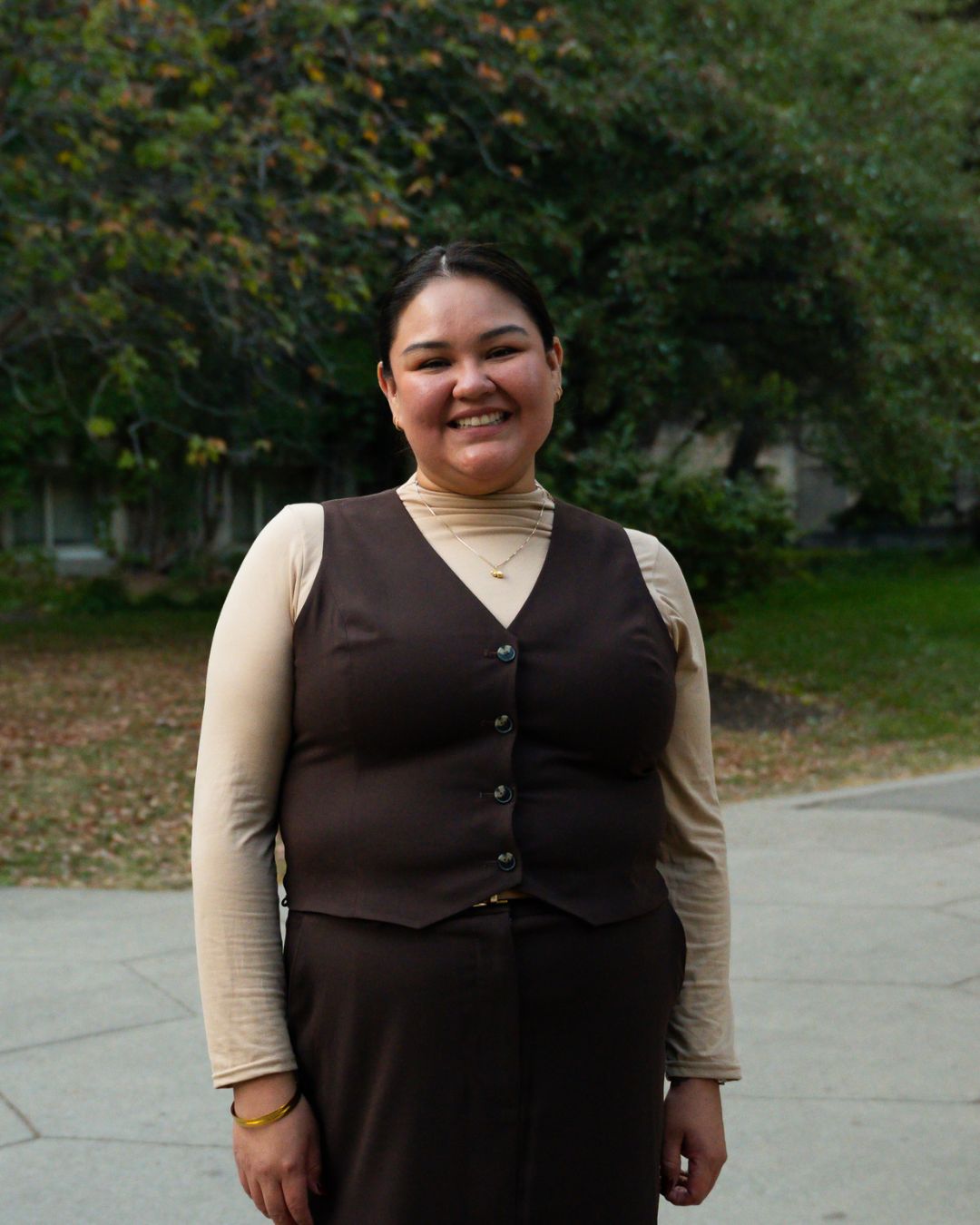
Paulina Johnson
Assistant Professor, Faculty of Arts - Sociology Dept, University of Alberta
Johnson’s current research is focused on Indigenous realities within Climate Change, specifically impacts on Water Security and Traditional Medicines, and sharing how Mother Earth is impacted from an Indigenous Narrative view is vital within the larger societal and academic points of view.
Research
Water Policy, Access, and Climate Change in Central Albertan Indigenous Communities
Access to clean drinking water remains a persistent issue across Indigenous communities despite federal initiatives to remove boil water advisories. Using a community-first interdisciplinary approach, this project aims to understand how water policy and management affect water access of Nêhiyawak (Four-Spirit or Plains Cree) communities in Alberta, specifically Treaty 6. This work is grounded in Nêhiyawak methodologies, emphasizing the deep connection of people to the land and water.
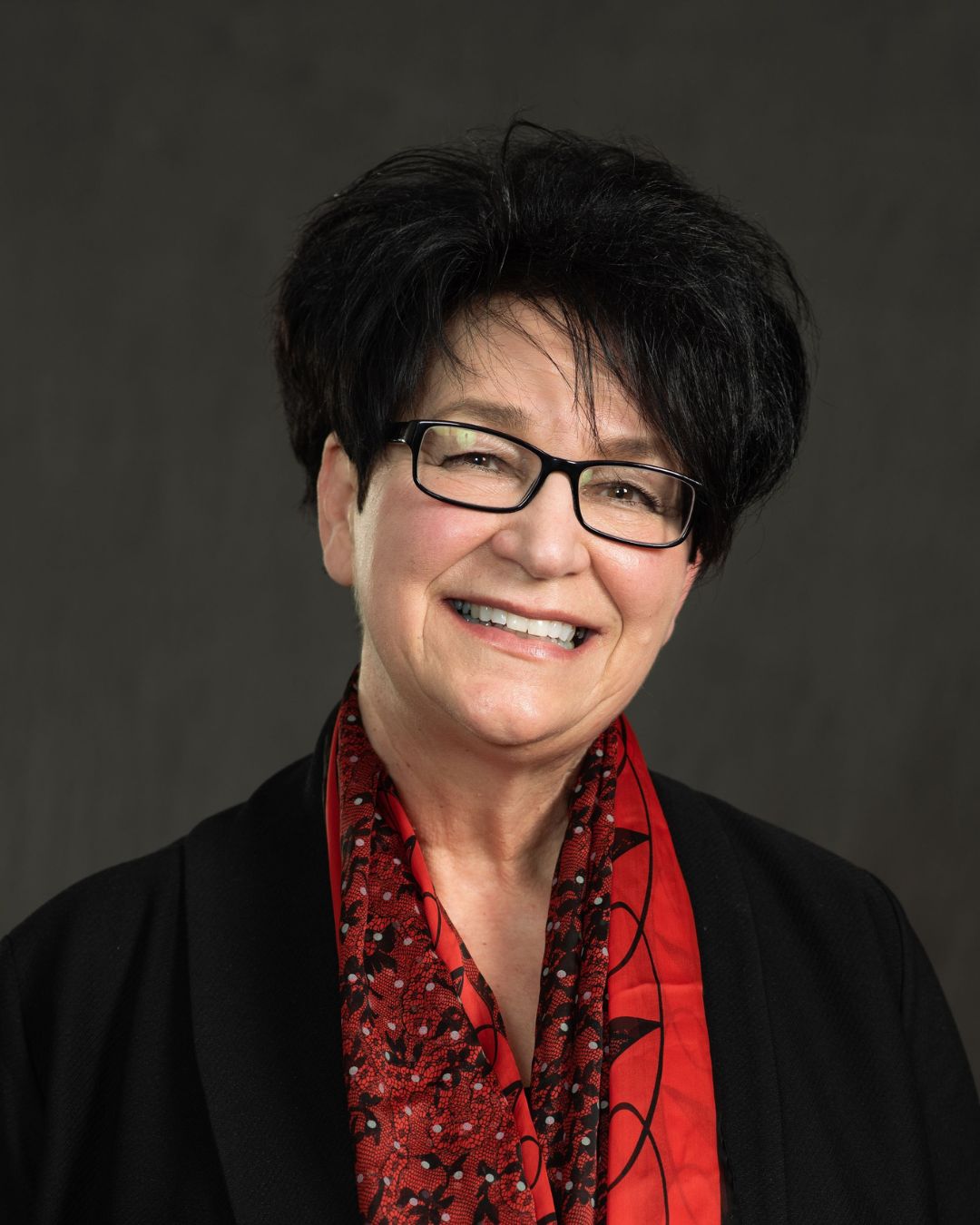
M Anne Naeth
Professor, Faculty of Agricultural, Life and Environmental Sci - Renewable Resources Dept
Director, Future Energy Systems, Vice-President Research Innovation, Land Reclamation International Graduate School, University of Alberta
Naeth has decades of experience conducting research on disturbed and reclaimed ecosystems throughout Canada. Her research program is applied and theoretical and focuses on plant-soil-water relationships, understanding and defining processes inherent in these relationships, their effects on ecosystem structure and function, their response to disturbance and their role in reclamation after disturbance.
Research
Advancing The Alberta Circular Economy Through Reuse Of Agricultural And Mining By-Products For Waste Water Remediation and Concrete
Carbon rich byproducts of the agriculture and mining sectors that are discarded as low value products have the potential to be converted into biofuels, organic fertilizers, natural dyes, pharmaceuticals, packaging materials and adsorbents for waste water remediation. Naeth and team will explore the potential of biochar and coal produced from agricultural waste as an avenue for metals remediation from waste water.
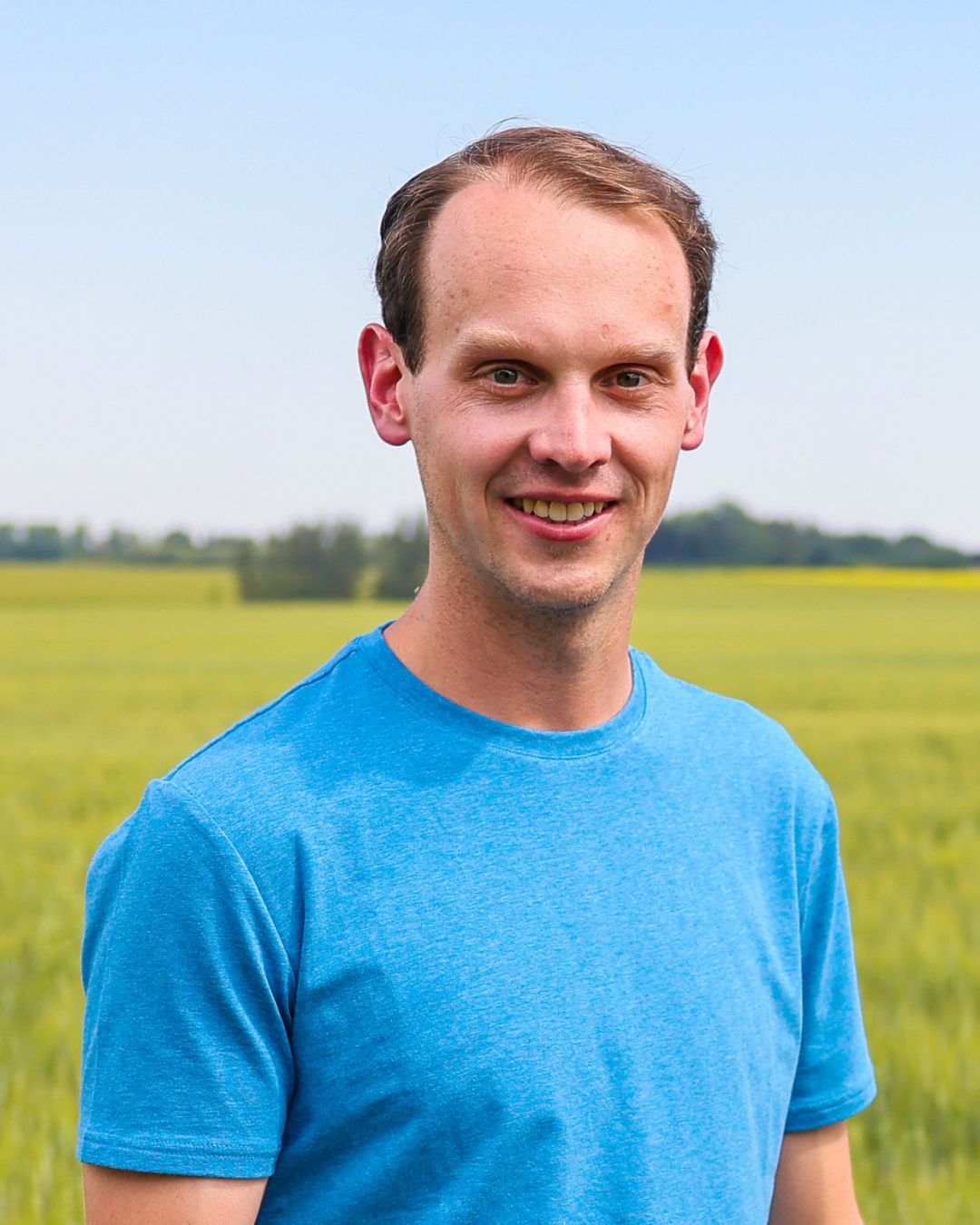
Daniel Stefner (Project Lead)
Project Lead within the Smart Ag Applied Research team, Olds College
Stefner is involved in a multitude of projects that focus on evaluating, validating and developing agriculture technologies, including software testing of user platform applications. Daniel brings an innovative and creative mind to the research team with experience of crop farming from his family's farm and previous employment.
Research
Does precision agriculture variable-rate fertilization improve water quality in adjacent prairie wetlands?
Fertilizer runoff from agricultural fields impacts the plants, invertebrates, and wildlife within wetlands located on agricultural land. In collaboration with Ducks Unlimited, this project will explore the use of variable rate fertilizer (VRF) applications on cropped fields as a way to boost profit and sustainability by examining the impacts of fertilizer application strategies on wetland water quality. If VRF strategies reduce nutrient loading of prairie wetlands, the overarching goal is to inform policy to promote and incentivize VRF within Canadian Agriculture.