Energy Efficiency Day: The state of Alberta renewable energy
7 October 2026
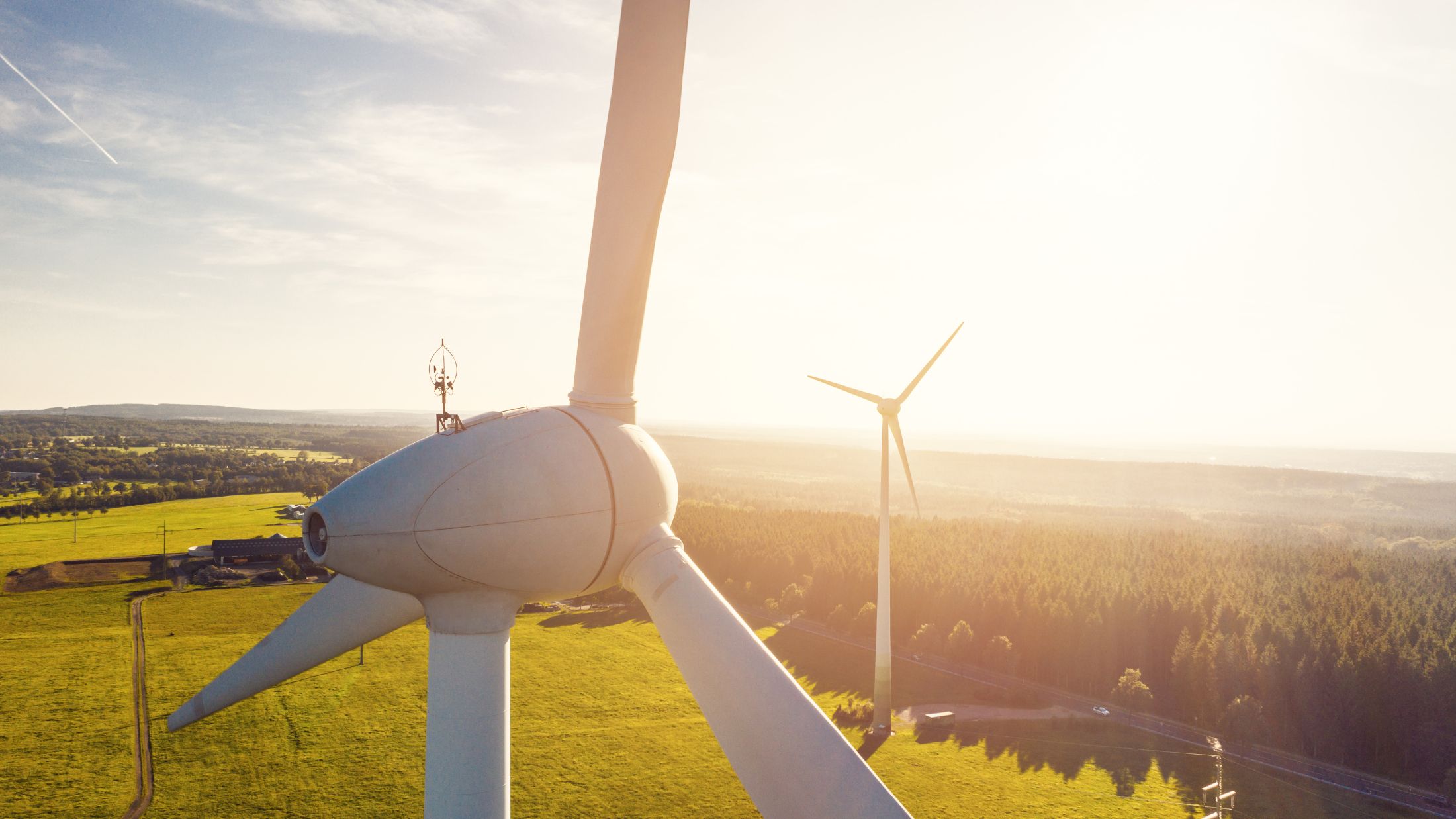
Today is Canada’s Energy Efficiency Day, an annual day of awareness of energy efficiency and the future of clean energy in Canada. The national day is an opportunity to examine the current state of renewable energy and emissions in Alberta.
Studies show that despite renewable energy generation increases in Alberta, the province accounts for 50 per cent of Canada’s emissions from electricity.
At one time, Alberta was considered a leader in renewable energy project growth accounting for 92 per cent of Canada’s renewable electricity generation growth just three years ago.
Between 2023 and 2025, renewable energy deals in the province declined 99 per cent following a seven month moratorium on renewable energy.
For many landowners, the moratorium eased some concerns they had about competing land uses and the aesthetic impact of renewable energy on the landscape.
A study on Albertan landowner perspectives on renewable energy highlighted these concerns but also found that many landowners and communities were in favour of renewable projects.
The study also found that acceptance tended to increase after the completion of projects and with the use of different renewable project ownership models like cooperatives.
Despite the decline in projects, 2025 statistics reflect an overall increase in renewable energy generated in the province, placing Alberta first in solar and wind energy generation.
Additionally renewable energy generated by residents known as microgeneration has increased in the province.
In addition to renewable energy generation, the province has committed to reducing emissions while still growing oil sands production.
Alberta Environment and Protected Areas Minister Grant Hunter says that both emissions reductions and oil sand production growth can happen thanks to technological advances.
Reports from the Alberta government have shown emissions reductions per barrel but environmental groups like Environmental Defence and the Canadian Climate Institute have criticized the use of emissions intensity as an indicator of climate impact.
The state of energy in Alberta has been further complicated by the approval of data center projects which have enormous energy requirements. Existing data centers pull from Alberta's power grid.