Students
Students are an essential part of the Community-University Partnership (CUP). We create a welcoming and inclusive space where students from across the University of Alberta and beyond can get involved in community-engaged projects and apply their academic knowledge to real-world problems.
Ways to get involved
Some of the most common ways to get involved with CUP include:
Practicums, Placements, and Capstone Projects
CUP creates opportunities for students at all levels of their academic career to get hands-on experience with community-based research projects.
Theses, Dissertations, and Directed Studies
CUP faculty members supervise graduate students working on theses, dissertations, and directed studies. Note that the availability of supervision depends on the capacity of CUP faculty.
Research Assistantships (RA)
CUP occasionally has paid opportunities for graduate students to work on active research and evaluation projects as an RA.
Volunteering
In some cases, CUP takes on students in a volunteer capacity, allowing them to build skills and explore community-engaged research while participating in a CUP initiative.
To learn more about these options, contact us at cup@ualberta.ca.
Evaluation
Evaluation is a main focus area of CUP, with most of this work happening through the Evaluation Capacity Network (ECN). The ECN offers hands-on courses, workshops, and other resources for anyone looking to learn more about evaluations from a community-based perspective.
To learn more about opportunities available through ECN, contact us at ecninfo@ualberta.ca or visit the ECN’s website.
Interdisciplinarity
The students who work with CUP come from all across campus. While we are located in the School of Public Health, students from all disciplines can find research, placement, and supervisory opportunities through CUP.
Students interested in community-based research are encouraged to reach out to CUP, regardless of your disciplinary background.
Master of Arts in Community-Engaged Research (MACE)
Students who are looking to complete a graduate degree focused specifically on community-engaged research are encouraged to check out the Master of Arts in Community-Engaged Research (MACE) program within the School of Public Health.
MACE is an interdisciplinary degree program that prepares students for the study and practice of community engagement in a variety of settings. It can be completed as a thesis-based program or as a course-based program and is open to full-time and part-time students.
Student voices
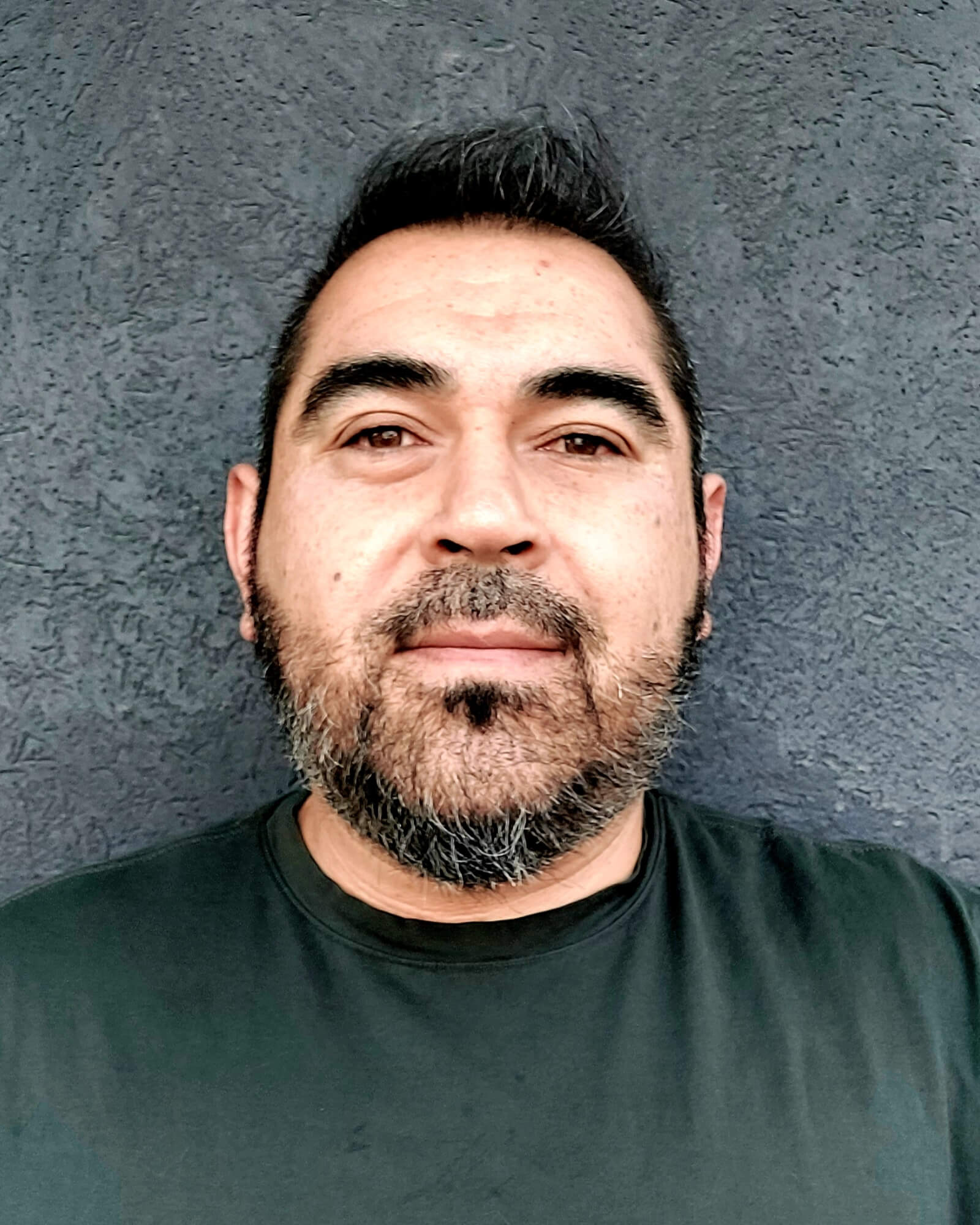
Cristian Neves
“Working as an RA allowed me to move beyond theoretical learning and participate in real-world, community-driven work. CUP emphasized listening to community voices, co-creating knowledge, and respecting the expertise of grassroots organizations, which fundamentally shaped how I understand research and engagement. I learned how to approach research and evaluation not just as a technical task, but as a relational and ethical process.”
U of A Program
Graduate Assistant / Researcher
Where they are now
Mental Health Professional & Senior Business Partner in One Health at Alberta Innovates

Jenelle Libo-On
“Working as a Graduate Research Assistant with CUP’s rural economic development initiatives showed me that there are possibilities to learn everywhere. Facilitating my first in-person community interview with my supervisor made me feel assured of my interests and ability to do community-based research. CUP taught me to always let the data guide you, remain open-minded, and embrace the moments that challenge your preconceived assumptions. That's where the magic of research happens.”
U of A Program
MSc in Health Policy & Graduate Research Assistant
Where they are now
Student Support with the Workers' Compensation Board of Alberta & Program Facilitator at AdaptAbilities

Mary-Frances Smith
“My experience with CUP/ECN provided invaluable opportunities to connect with people from across backgrounds and perspectives who are dedicated to social change. I learned the value of community-based problem solving and the importance of listening to the voices of those most affected by decisions. I also gained a deeper appreciation for strong partnerships and working together to create lasting change. These lessons shape how I approach my role today.”
U of A Program
Master of Arts in Community Engagement (MACE)
Where they are now
Executive Director with Association of Early Childhood Educators of Alberta (AECEA)