x: where our paths cross
Tuesday April 28 | 4-6 p.m.
Studio 2-7 (FAB 2-7), Fine Arts Building and Online via Zoom
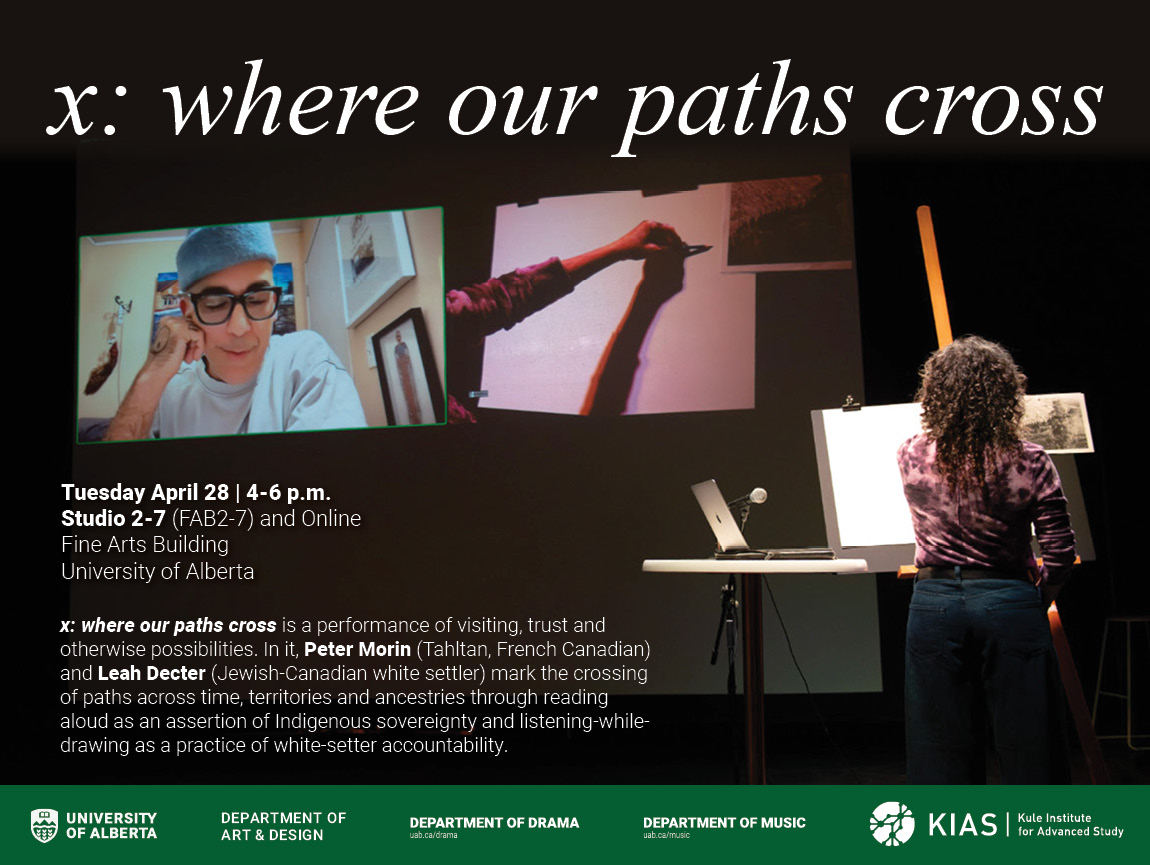
x: where our paths cross is a performance of visiting, trust and otherwise possibilities. In it, Peter Morin (Tahltan, French Canadian) and Leah Decter (Jewish-Canadian white settler) mark the crossing of paths across time, territories and ancestries through reading aloud as an assertion of Indigenous sovereignty and listening-while-drawing as a practice of white-setter accountability.
About the performance
x: where our paths cross is an ongoing series of performances (starting in 2021) that are built in collaboration between artist/scholars Peter Morin (Tahltan Nation, French Canadian) and Leah Decter (Jewish-Canadian white settler). These performances bring together Morin’s work with Tahltan knowledge and sovereignties through embodied activations of Tahltan stories “collected” and transcribed by white anthropologist James Teit in the early 1900s and Decter’s work disturbing patterns of white settler emplacement and settler-state sovereignty, in part through interrogations of the Group of Seven’s landscape painting traditions of the same time period that significantly influenced “Canadian” national identity in celebration of colonial whiteness. The ‘x’ in the title acknowledges the way Indigenous Knowledge Leaders have reconsidered the Xs mark made on treaties by those Indigenous leaders who were present at the signing of treaties. This mark acknowledging physical place and time of that the signatories’ have crossed on the territory, rather than being stand-ins for a signature as a form of personal identification.
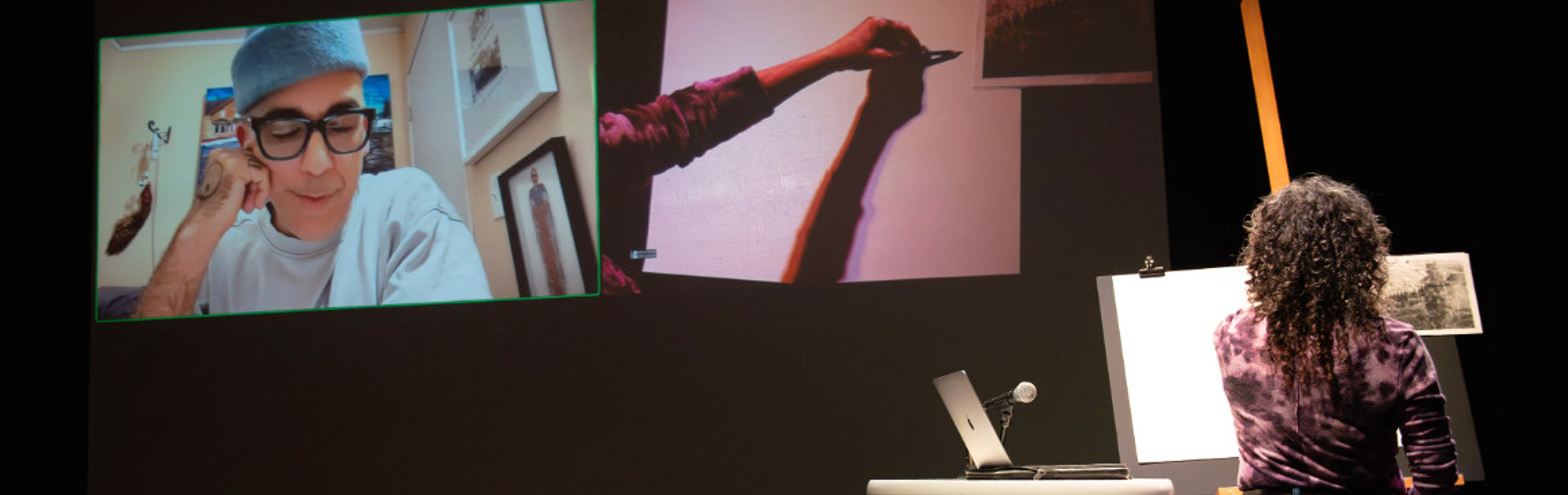
Morin and Decter’s pandemic-times virtual version of the project consisted of recorded zoom sessions in which Morin read Tahltan stories aloud from Teit’s Tahltan Tales while Decter drew images of Tahltan Nation territory from collaboratively selected photographs taken by Morin and his family. In these performance sessions, Morin’s act of reading re(in)forms Teit’s interpretation of Tahltan stories through the assertion of embodied sovereignty, and Decter’s incomplete drawing-while-listening erodes assumptions of white settler authority and entitlement with respect to the land.
Decter and Morin’s actions within these performances, and the project as a whole, metaphorically cross each other like an “X” marking their meeting places in time and on territory. These on-line performances, in territory-free space, have now expanded into live in-person and hybrid performances in which their paths form new Xs by crossing with one another and the audiences in new ways. By working through personal and socio-political scales of relationality and embodiment, this project straddles the varied intimacies of live and virtual “visiting” while activating noncolonial host-guest relations that enact Indigenous sovereignties and confront the certainty of settler emplacement towards otherwise possibilities.
Peter and Leah will be performing this hybrid work in person in FAB Studio 2-7 with cameras focused on each of them creating two live streams that will be channelled through a zoom meeting to accommodate virtual attendances. The zoom feed will also be projected in the performance space so that the performance can simultaneously be viewed by the live audience in its original on-line format. Audience members can come and go throughout the performance.
Co-organized and hosted by Patrick Nickleson (Music), Erin Sutherland (Art & Design) and Selena Couture (Drama) with support from the Kule Institute for Advanced Study.
Performer biographies
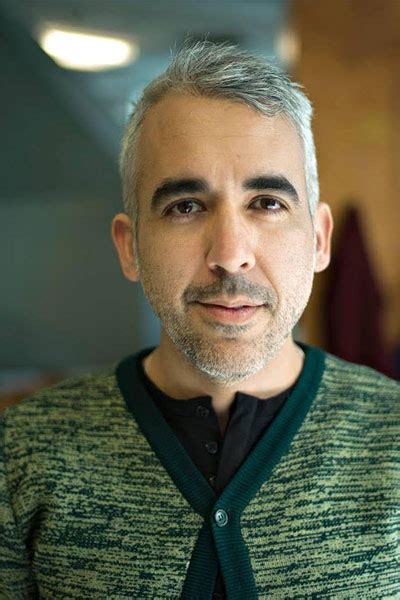 Peter Morin is a grandson of Tahltan Ancestor Artists. Morin’s artistic offerings can be organized around four themes: articulating Land/Knowing, articulating Indigenous Grief/Loss, articulating Community Knowing, and understanding the Creative Agency/Power of the Indigenous body. The work takes place in galleries, in community, in collaboration, and on the land. All of the work is informed by dreams, Ancestors, Family members, and performance art as a research methodology. Morin’s artistic practice moves from printmaking to poetry to beadwork to drum making to installation to performance art. Throughout his exhibition and making history, Morin has focused upon his matrilineal inheritances in homage to the matriarchal structuring of the Tahltan Nation and prioritizes Cross-Ancestral collaborations. In 2016, Morin received the Hnatyshyn Foundation Award for Outstanding Achievement by a Canadian Mid-Career Artist. Morin is a member of artist collectives : BUSHgallery and O’kinādās. Peter Morin currently holds a tenured appointment in the Faculty of Arts at the Ontario College of Art and Design University (OCADU).
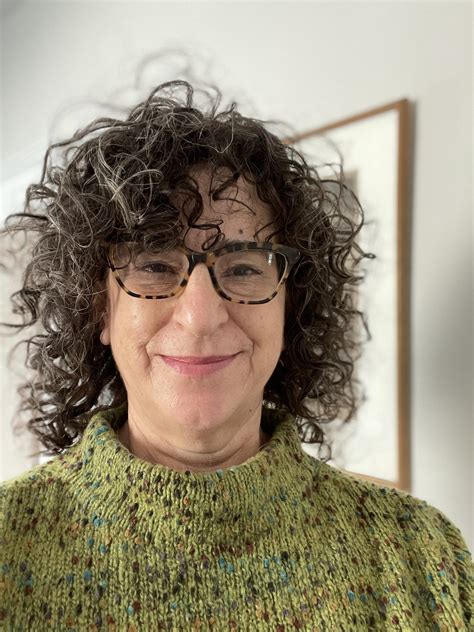 Leah Decter is a Jewish-Canadian inter-media/performance artist and independent scholar based in Treaty 1 territory. Working from a critical white settler perspective her solo and collaborative art and research practices address and disturb social-spatial dynamics of settler colonial whiteness through ethics of intergenerational accountability and being-in-relation. Decter creates work that straddles performance and media arts, textiles and installation as well as academic and creative writing. She has exhibited, presented and screened her artwork widely in Canada, and internationally in the US, UK, Germany, Australia, the Netherlands, Malta, Brazil and India. Decter’s artwork has appeared in publications including Fuse Magazine, Studio, Craft and Design in Canada, C Magazine, Journal of Canadian Art History and Border Crossings. Her recent publications include texts in Qualitative Inquiry and Performance Matters, chapters in Making (Eco)Logical: Locating Canadian Arts in the Environmental Humanities, and, with Carla Taunton, Unsettling Canadian Art History and Settler Responsibilities Towards Decolonisation as well as a special issue of PUBLIC Journal co-edited with Taunton titled “Beyond Unsettling: Methodologies for Decolonizing Futures.” A Canada Research Chair in Creative Technologies in NSCAD University’s Media Arts from 2020-2025, Decter holds an MFA in New Media from Transart Institute and a PhD in Cultural Studies from Queen’s University.