
Dig Deeper | Hedda Gabler
Exclusive Online Content
DIRECTOR'S NOTE | by Giulia Romano
HEDDA GABLER - THE WORLD OF THE PRODUCTION | by Grace Fitzgerald
COMMUNITY OUTREACH - The Queer & Trans Health Collective
INTERVIEWS | Grace Fitzgerald in conversation with the company of Hedda Gabler
- Why Hedda, Why Now? & The Stakes of Hedda
- The Audience & Gender and Queer Reimagining
- Lighting Designer’s Vision
- Meet the Team + Describe the Show in One Sentence
- What Has Been the Most Rewarding Part?
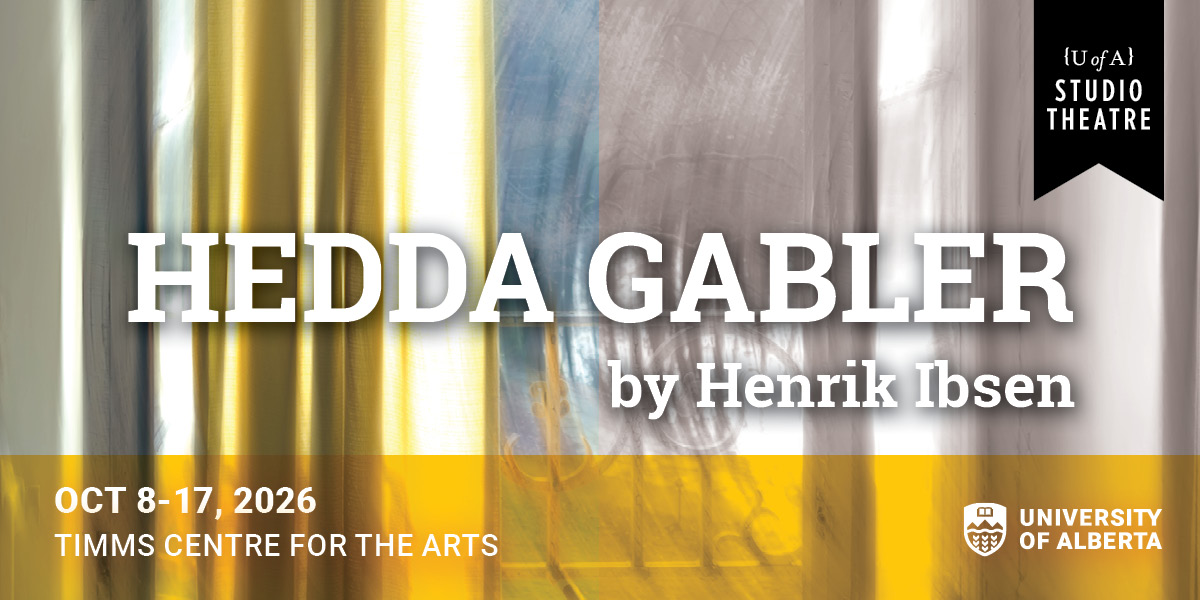
Find Additional Show and Ticketing Info Here
Director's Note | By Giulia Romano
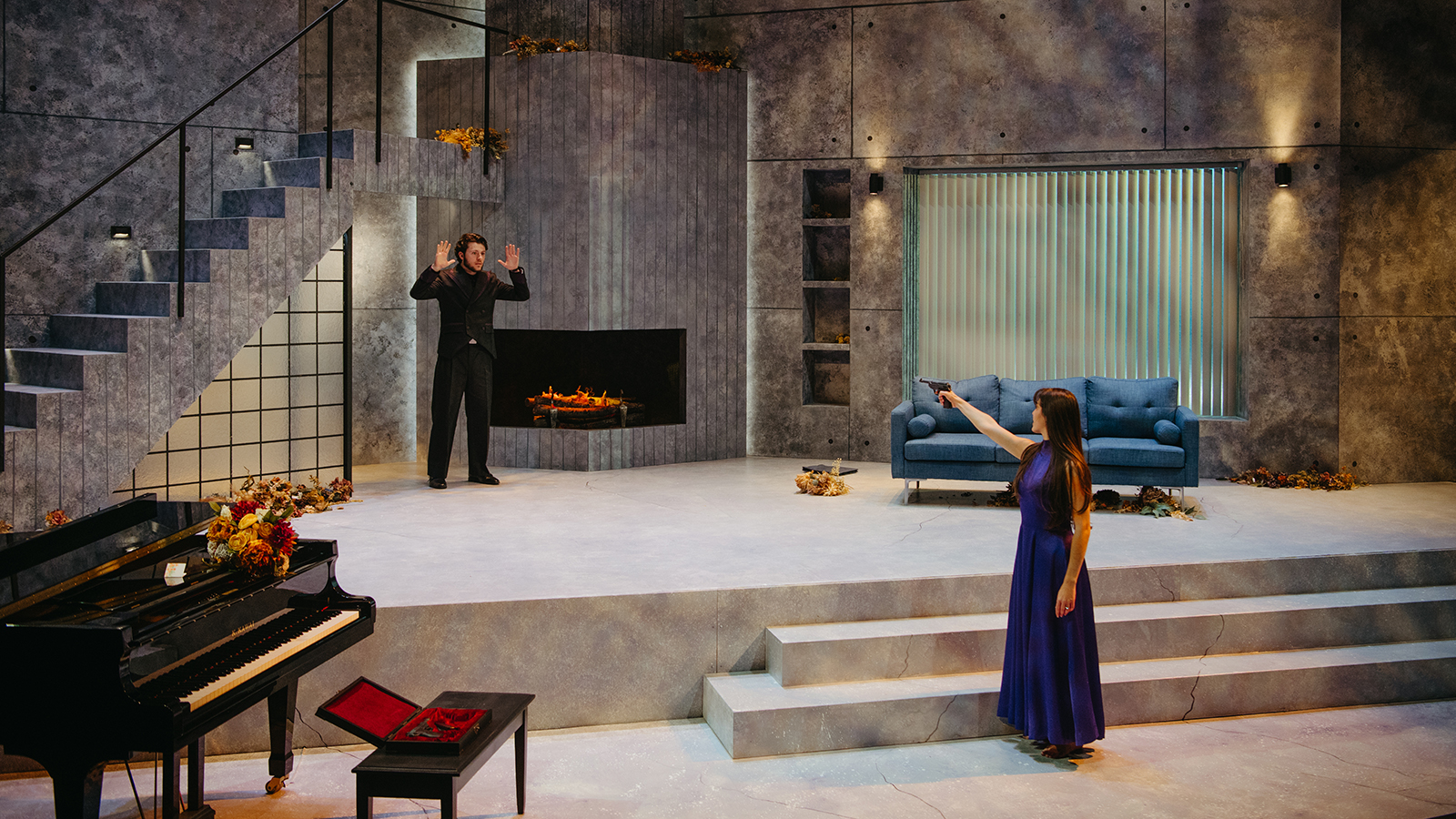
This is a reckoning: the last two days of a woman’s life, an annihilation of life itself, the quest for agency, a scream inside the mouth of a woman gasping for air, longing to be something more than ordinary.
This is a reckoning: love in the face of fear, queerness in spaces it has been denied, female rage at all times, with no questions asked.
This is a reckoning: the aching in my soul, the desperate need for approval, the quest for control, the need to prove my worth, to secure a future, to remain useful, to find my place, to be indispensable, to maintain agency.
This is a reckoning: everything I could ever want but can’t allow myself to have, boundaries and expectations placed on me that I did not ask for.
This is a reckoning: to be named a monster, but only to be deeply, irrevocably, and viscerally human like you.
This is a reckoning: not a sob story, but a tragedy of the shards of glass that are the human condition—the beautiful and grotesque parts of you, me and Hedda Gabler.
This is a reckoning: the need to be something more than I am, but being riddled with shame, an attempt to live in alignment with myself but can’t. Trapped inside a prison I did not build or did not know that was being built around me.
This is a reckoning: to be powerless and have nowhere to go, to turn to destruction because that is the only thing that will get me through, to shut out love when that is the only truth I will ever need.
This is a reckoning: a quest to figure out why, and continue not to know why, the social masks we put on every day and work so hard to keep for fear of not belonging.
This is a reckoning: one that transcends time, space, and culture.
This is a reckoning: one where we gather in the prison together, destroy, put back and turn into something beautiful.
This is a reckoning.
Thank you for coming.
I dedicate these performances to Kristina Penner; may you rest in peace.
Hedda Gabler - The World of the Production | by Grace Fitzgerald, Production Dramaturg
Realism
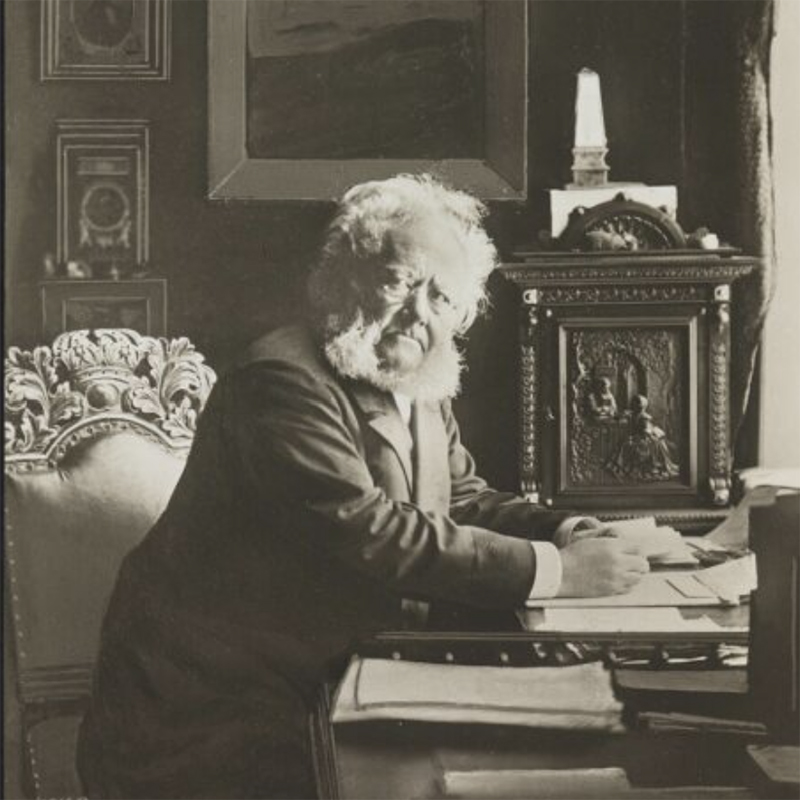
Emerging in the 19th century, realism was an artistic and literary movement that rejected the current status quo, one that defined art as a search for the ideal. Rather than aiming to invent new and extraordinary worlds inhabited by heroes and royalty, realism sought to place ordinary people and everyday life at the forefront. Unafraid of confronting gritty, harsh truths, realist playwrights staged modern life and its trials onstage like never before. Henrik Ibsen, the playwright of Hedda Gabler, tackled complex, everyday topics like family, marriage, and shame, earning him the title of the father of realism.
Realism allowed for audiences to see themselves and the world around them onstage, while still remaining incredibly theatrically compelling. Through realism, the ordinary becomes a site of profound tragedy.
The History of Hedda
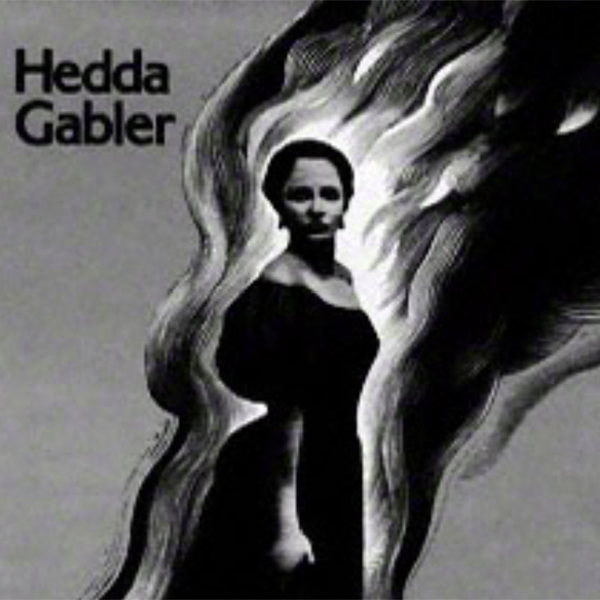
Ibsen’s Hedda Gabler, originally produced in 1891, remains one of the most iconic plays of all time, and its titular character one of drama’s most nuanced. Hedda is often described as the female Hamlet thanks to her great complexity. Her actions are often divisive and unexpected, which was especially controversial during the play’s premiere thanks to her gender.
Hedda consistently negates traditional gender roles, despite the play’s persistence to cage her within her gender. An example of this is her refusal to take on her husband’s last name, while she retains her maiden Gabler instead. Ibsen explained his intention was to “indicate that Hedda, as a personality, is to be regarded rather as her father’s daughter than as her husband’s wife,” highlighting her desperate search for agency right from the play’s title.
Historically, many critics have been unsure of what to make of Hedda as a woman who not only operated outside of traditional femininity, but also acted as an unfavourable heroine. Despite this, Hedda’s defiance of traditional roles continues to fascinate audiences and create conversation about gender and autonomy.
Subverting the Canon
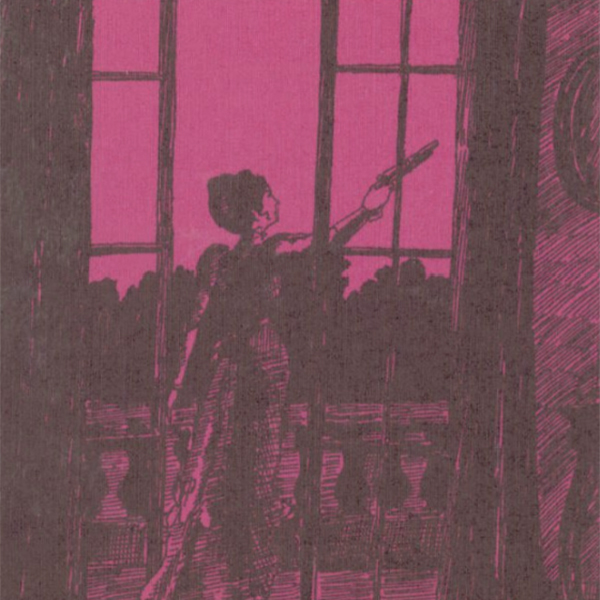
How does one subvert the canon? It is one thing to take traditional texts and place them in a more modern context, therefore highlighting parallels and newfound relevancy. It is an added layer entirely to take established works and turn them on their heads, overthrowing existing hierarchies and introducing a new kind of order. This is what we see in Giulia Romano’s fresh new imagining of Hedda Gabler, which redefines power, secrecy, and shame by introducing a female Eilert Lovborg.
Even in the original text Lovborg inhabits a precarious position while trying to balance his desire and addiction throughout the play. Lovborg understands power because he knows what it is to lose it; he returns at the beginning of the play having recently recovered from a fall from grace, but his shame continues to haunt him. He understands the tightrope that must be walked to attempt to maintain his renewed identity.
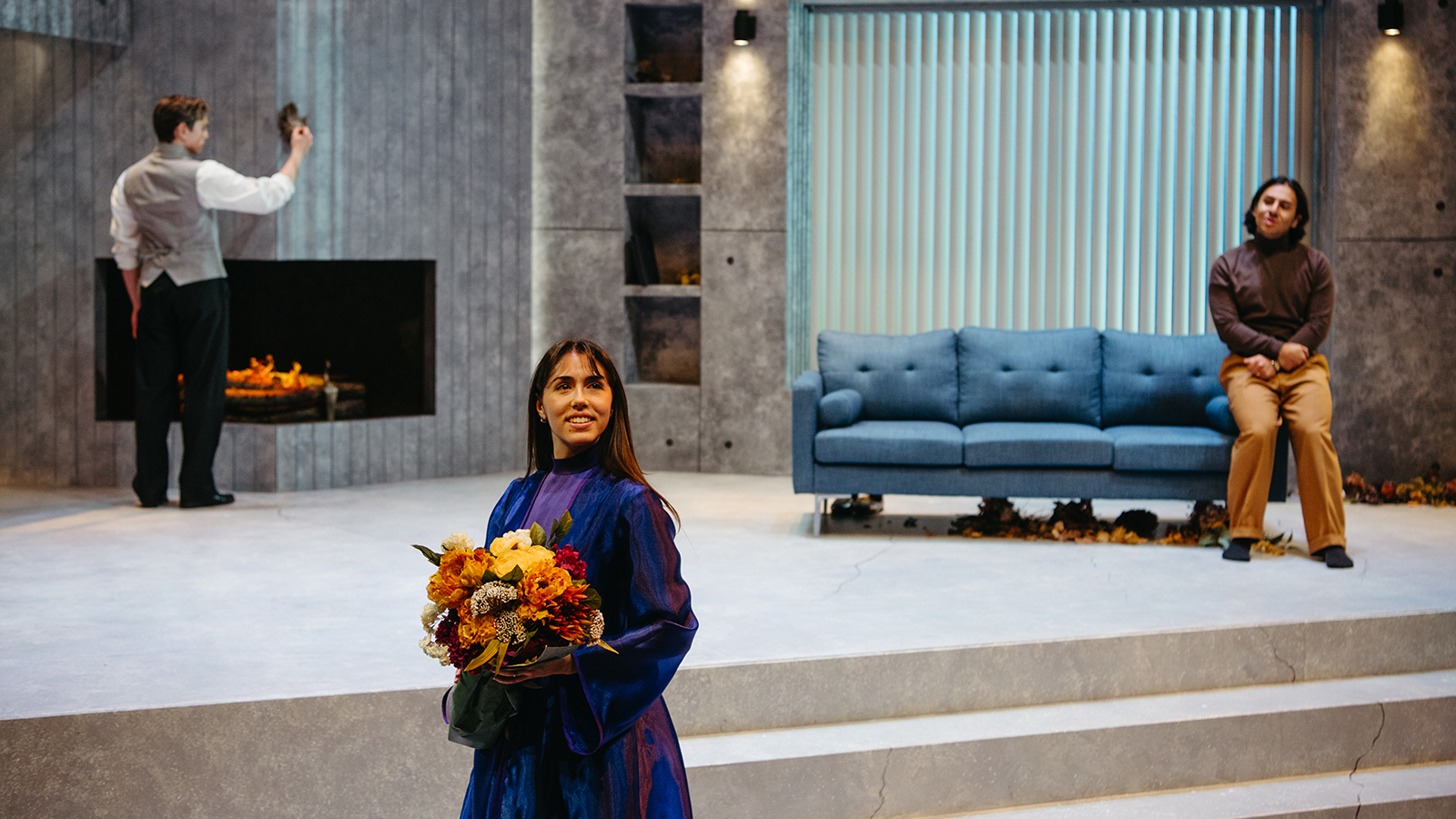
This production’s Lovborg understands not only this perception of power, but also one stemming from gender. She enters the stage interrupting Tesman and Bracht’s boys’ club with her new sobriety and her new book, breaking into their masculine world of academia with achievements of her own. As Lovborg circles these men with her literary capabilities and immense success, the stakes rise not only because of her talent, but also her ability to flourish as a female in the field.
It should also be noted that in this iteration the chemistry between Lovborg and Hedda exists in secrecy. This is not only thanks to Hedda’s new marriage, but also because of this newfound queerness between them. Lovborg captures the attention of the women in this world, but she also allows them to bring out her vulnerability and earnest desire. Queerness introduces a novel idea of freedom, of passion, and of love to not only Lovborg, but also to Hedda, ever constricted by the men in her life. The female Lovborg opens a door to possibility, if only Hedda is able to consider the consequences of holding it open.
Sources
Akram, Z., Imtiaz, U., & Shafiq, S. (2020). Gender subversion: A cultural reconsideration through a fairy tale. Volume V Issue I, V(I), 428–437. https://doi.org/10.31703/gssr.2020(v-i).44
Balanescu, M. (2025, October 25). Monster or victim?: The fascination of Hedda Gabler, the “female hamlet” who divides opinion. BBC. Bbc.Com. https://www.bbc.com/culture/article/20251023-hedda-gabler-the-divisive-female-hamlet
Humanist heritage: Henrik Ibsen (1828–1906). (2017). Humanist Heritage. https://heritage.humanists.uk/henrik-ibsen/
Ibsen, H. (1973). Hedda Gabler.
Playbill. (2015, December 14). Hedda Gabler (Broadway, criterion center stage right, 1994). Playbill. https://playbill.com/production/hedda-gabler-criterion-center-stage-right-vault-0000003822
Community Outreach - The Queer & Trans Health Collective
The whole team of Hedda Gabler is thrilled to partner with the Queer & Trans Health Collective (QTHC). As described on their website, the QTHC is “an Edmonton-based, grassroots health organization run by and for queer and trans community members.” The QTHC provides a variety of programming, services, and resources to empower the city’s LGBTQIA+ community through education on sexual health, harm reduction, and community research. The QTHC is an invaluable organization that ensures queer and trans Edmontonians have equitable access to both health and wellness. They have generously provided us with a collection of resources that you can find in our lobby at every show!
To learn more about the QTHC and support their deeply impactful work, you can check out their website: www.ourhealthyeg.ca.
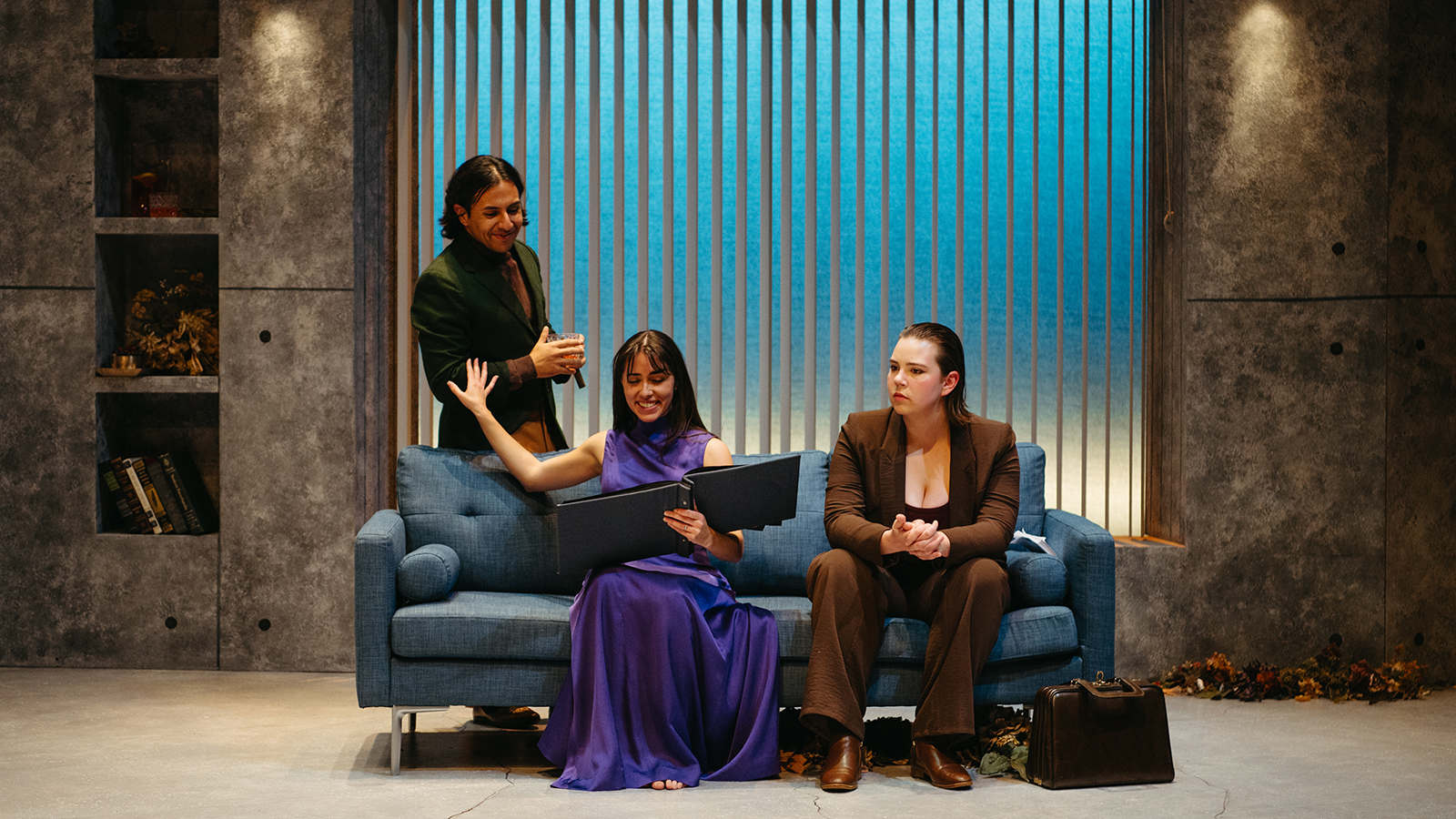
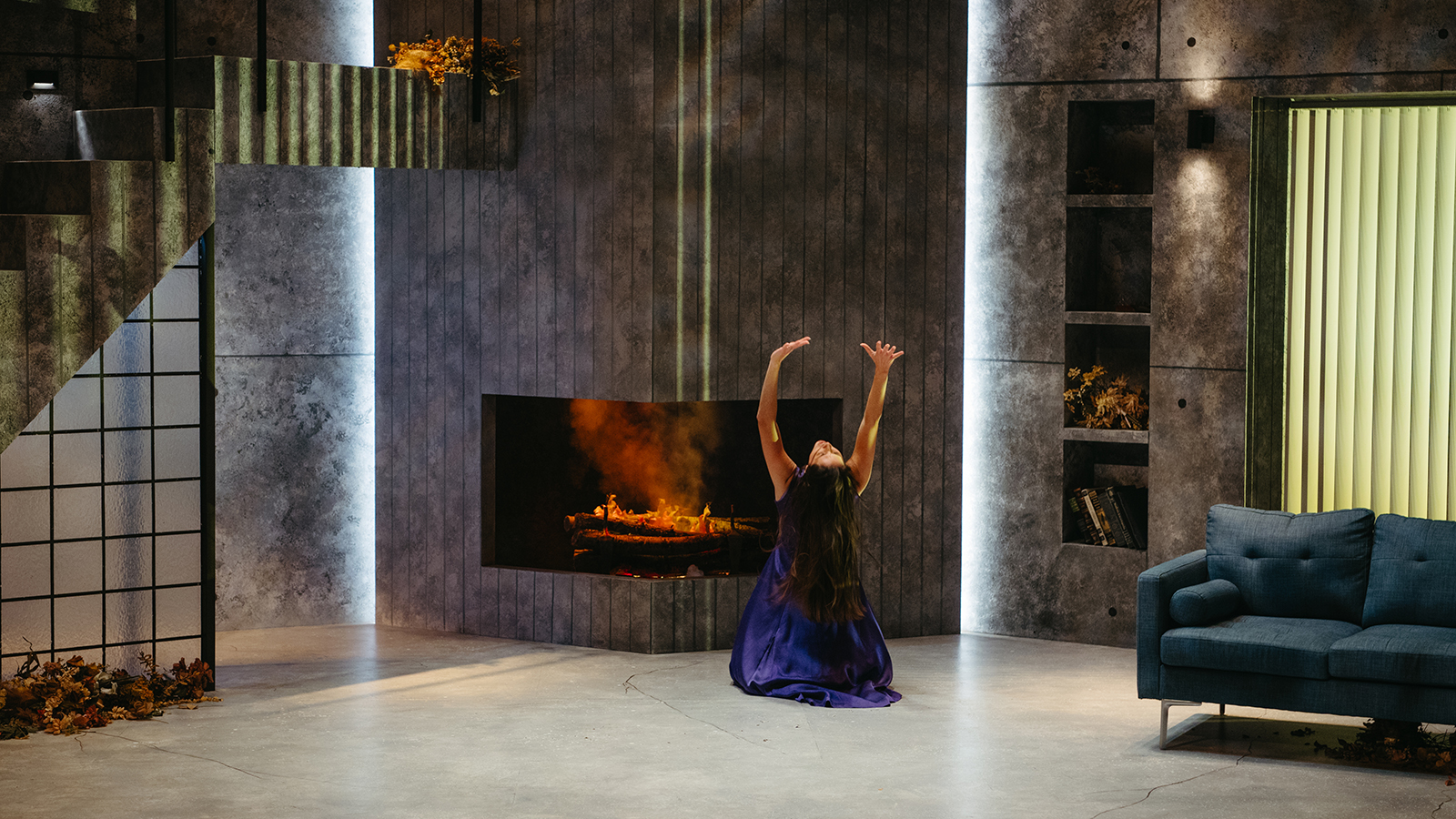
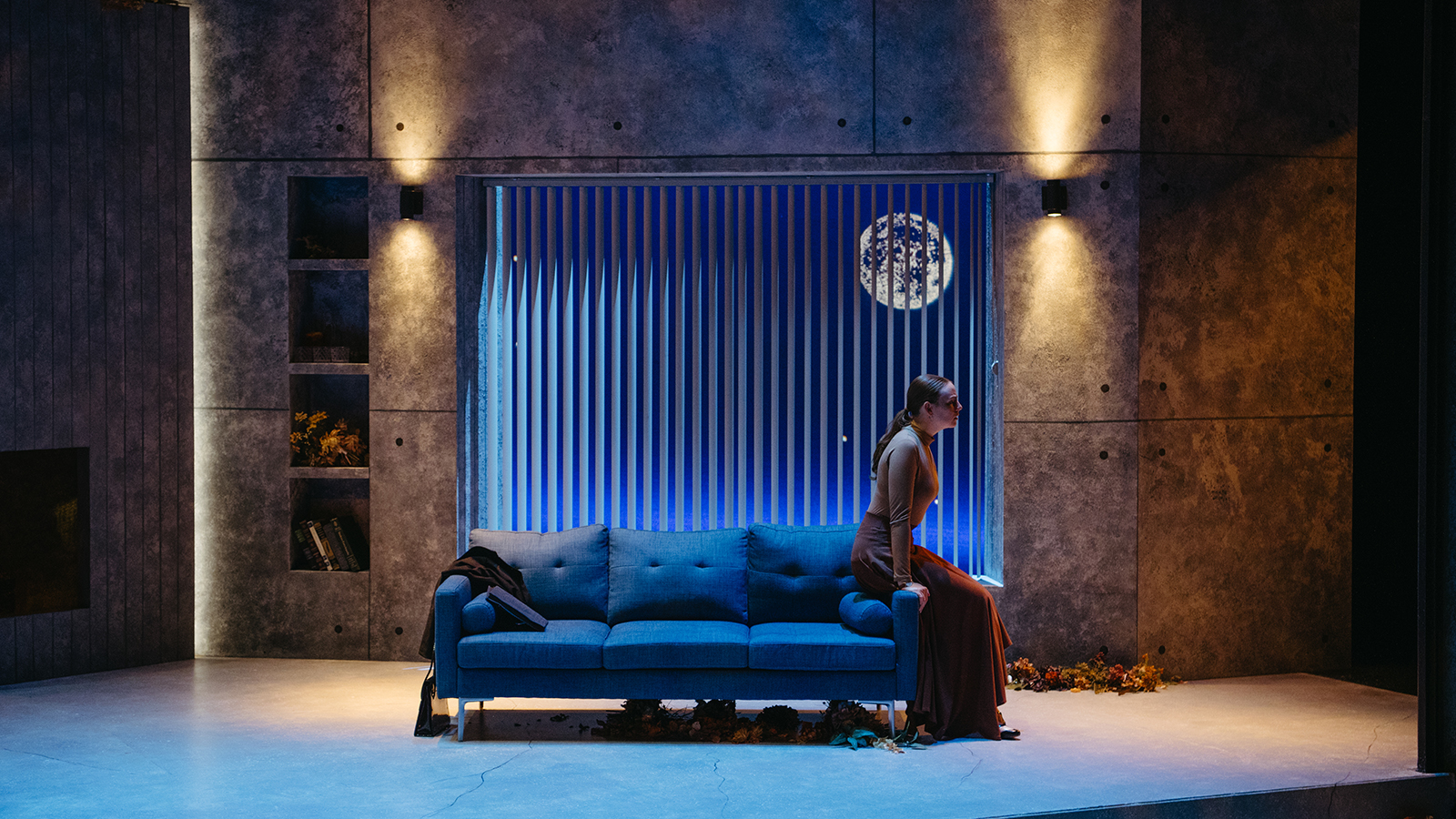
The Company | Alphabetically by last name
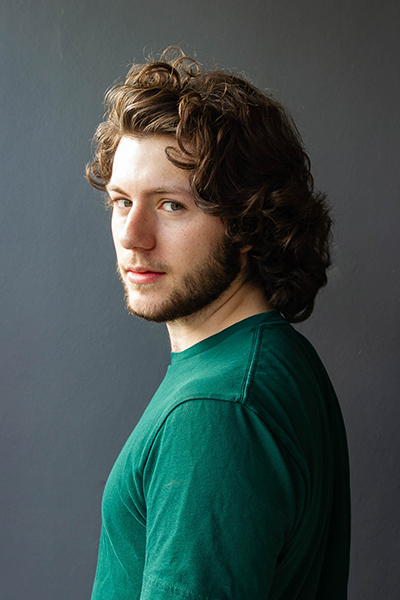
Christopher Armstrong | Brack
Christopher Armstrong (he/him) is an emerging artist based in Edmonton, AB. Originally from Red Deer, Chris is now in his final year at the University of Alberta’s BFA acting program. He’s pleased to join the wonderful cast and crew of Hedda Gabler for his first Studio Theatre production! Chris most recently appeared in Jesus Mary and Jo at the Edmonton International Fringe Festival, as well as Nuova Vocal Arts' Brigadoon and Speed Dating Tonight. Previous University of Alberta credits include: Richard III, A Puzzled Manner, The Seagull, Tomato Girl (New Works Festival) and Love and Information (ABBEDAM).

Amanda Bergen | Intimacy Coordinator
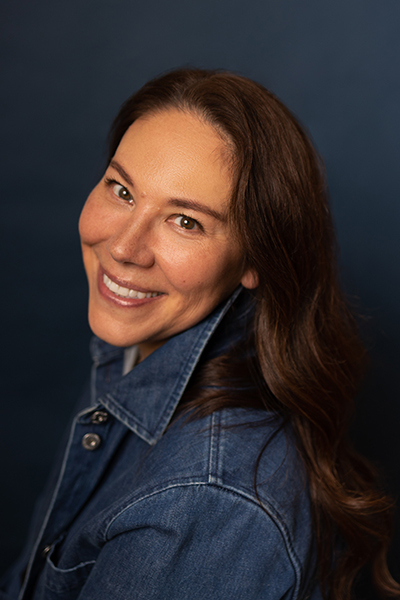
Nadien Chu* | Juliana
Nadien is thrilled to be back at the University of Alberta and performing at the Timm’s Centre for the Arts where she began her journey. She is a proud graduate of the Bachelor of Fine Arts: Acting program and is grateful to be small part of this wonderful ensemble. Special thanks to Giulia Romano for bringing her on to the team!
Select Acting Credits: Pretty Goblins/Sterling Award (Workshop West); The Roommate (Shadow Theatre); The Thin Man (Vertigo Theatre); All the Little Animals I have Eaten (One Yellow Rabbit); Vanya, Sonia, Masha and Spike (Alberta Theatre Projects); Space//Space (Northern Light Theatre); The Winters Tale/The Comedy of Errors, Titus Andronicus/Sterling Award (Freewill Shakespeare Festival); As You Like It (Theatre Calgary,The Grand Theatre); The Vinyl Cafe/Sterling Award, Death of a Salesman/Sterling Award, The Wizard of Oz, Little Women, The Importance of Being Earnest, The Three Muskateers, Pride and Prejudice, Network, Jane Eyre, The Garneau Block, The Tempest, August Osage County, The Penelopiad (Citadel Theatre); Pig Girl, Palace of the End (Theatre Network)
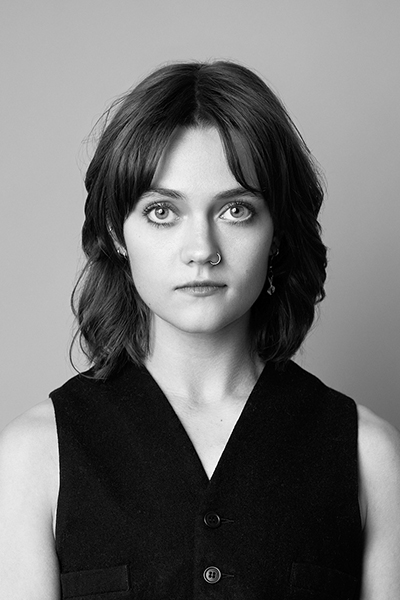
Aidan Collins | Shadow Director
Aidan Collins is a multidisciplinary artist based in amiskwacîwâskahikan / Edmonton. Aidan’s practice is rooted in performance-making, with a focus on directing and dance, often melding mediums moving beyond disciplinary boundaries. She is a recent graduate of the BA (drama)/BeD (secondary) program at the University of Alberta where she cultivated a cross-disciplinary approach rooted in play, bodily precision, and ensemble exploration. Aidan is co-artistic director of DIRTY FISH, whose work Shrute and Tungsta (Artist Pick, Edmonton Fringe 2026) has been performed in public bathrooms across the city.
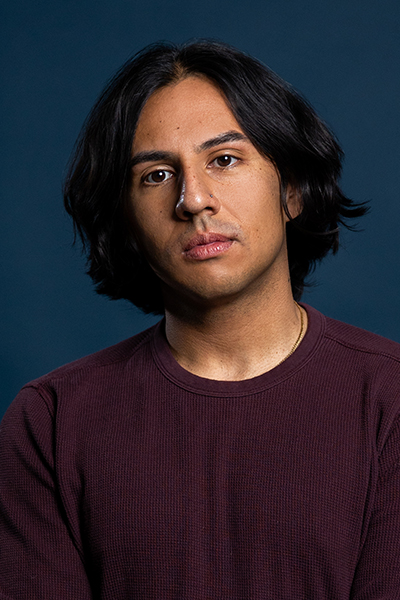
Aldrick Dugarte | Tesman
Aldrick Dugarte is an Edmonton-based artist completing his final year of the University of Alberta's Bachelor of Fine Arts in Acting. His performance interests particularly lie in comedy and dance theatre. At the University, he embodied the roles of Medvenko in Chekhov's The Seagull, Termite in A Puzzled Manor: A Clown Show, and various characters in Shakespeare's Richard III. Outside of school, Aldrick wrote and performed his stand-up show Inherently Disordered at the Edmonton Fringe, and is a repertory improvisor at the Grindstone Theatre. He sends many thanks to the cast and crew of Hedda Gabler for making this experience so incredible.

Chelsea Payne Evason | Costume Designer
Chelsea Payne Evason is an MFA Design student at the University of Alberta, where she continues to develop her practice in theatrical and production design. She holds dual Bachelor of Arts degrees in Theatre and Music Studies from the University of Guelph, grounding her work in both performance and musical scholarship. Her experience spans lighting and set design across theatre and opera, with a focus on collaborative, story-driven environments. Recent credits include Waiting for Godot by Samuel Beckett, The Laramie Project by Moisés Kaufman and the Tectonic Theater Project, and Mermaid by Polly Teale. Chelsea has also worked extensively as a lighting designer and master electrician on theatre and opera productions. Originally from Orangeville, she is now based in Edmonton.
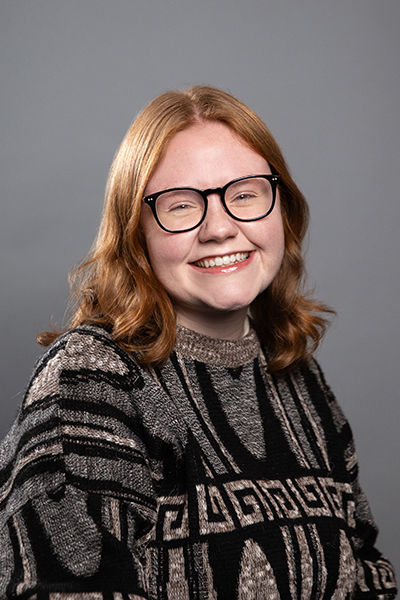
Grace Fitzgerald | Dramaturg
Grace (she/her) is thrilled to be the dramaturg for Hedda Gabler. She is a YEG based artist with a focus on directing and playwriting, currently finishing her BA in Drama at the University of Alberta. Previous directing credits include Gnomon's Land (Staged, 2026), You Can't Take It With You (ABBEDAM, 2025), and The Bone House (Staged, 2025). Grace is so grateful to the entire team for their work on this show!

Jade Foote | Stage Manager Swing
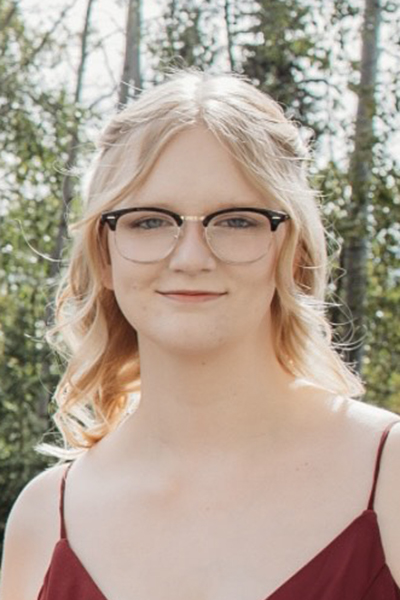
Khalan Fornara | Stage Manager
Kahlan is originally from northern BC and is in her final year at the University of Alberta in the BFA in Drama Production - Stage Management program. Some of the shows she has been a part of are: Tom At The Farm (UOA 2025 ASM), The Laramie Project (UOA 2025 backstage hand), A Gentleman’s Guide To Love And Murder (Grindstone 2025 paint crew). Hyena’s Trail (here for fear 2025 Stage Manager). Antigone (UOA 2025 SM), Tartuffe (UOA 2026 ASM). Edmonton International Street Performers Festival (Production Assistant). She would like to thank everyone for the opportunity to stage manage this show. She is thrilled to have a chance to learn and support it. Please enjoy the show!
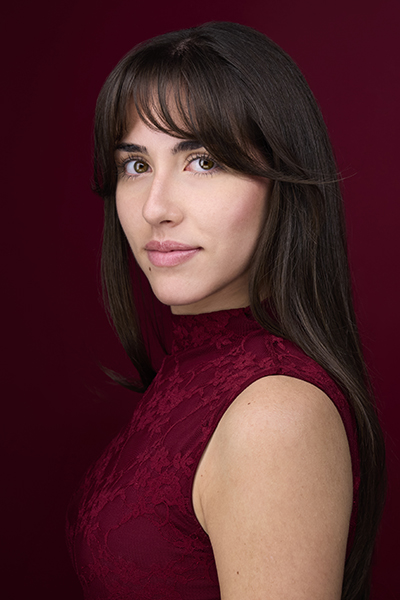
Charley Fruitman | Hedda
Charley is a curious and passionate emerging theatre artist, thrilled to be stepping onto Studio Theatre’s stage in the formidable and rewarding role of Hedda Gabler. Originally from Thornhill, ON, she is completing her final year of the BFA Acting program at the University of Alberta after making a bold leap from nursing to theatre. Charley believes theatre is a service to society and strives to create connected, honest, and meaningful performances that invite audiences to share in the experience. Recent performance credits include Bat Boy: The Musical (SATCO), Brigadoon, Speed Dating Tonight, and Once Upon a Mattress (NUOVA Vocal Arts), as well as Richard III and The Seagull (UofA). Charley extends heartfelt thanks to her family, friends, mentors, teachers, and this incredible cast and crew for their unwavering support. “Day by day!”
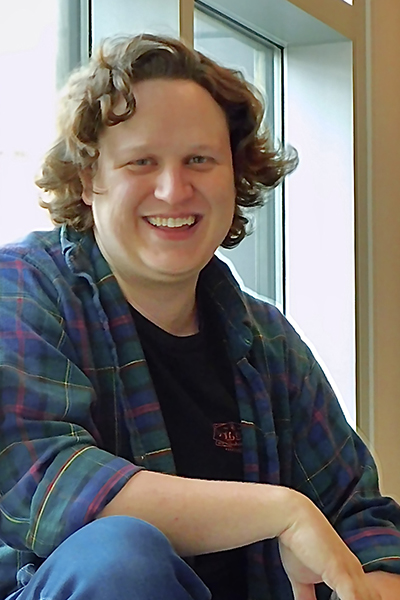
Rory Jewiss | Scenic/Props Designer
Rory Jewiss (he/they) is a theatre artist from Treaty 6 Territory in Saskatoon, Saskatchewan who grew up building elaborate creations out of LEGO bricks. They are currently working on an MFA in Theatre Design and are a recent recipient of a SSHRC grant for their research. Hedda Gabler is (literally) his biggest production to date, and he hopes you enjoy the show!
UAlberta Drama Department credits include Set Design for Caught (2026) and Head of Scenic Paint for Deserters (2026).
Selected other credits include Set Design for Julius Caesar and Much Ado about Nothing (Shakespeare on the Saskatchewan 2026), Set Design for Mustard (25th Street 2025), Props for The Art of War (Hardly Art 2024), Lighting for The Anger in Ernest and Ernestine (Two Bees 2023), and Lighting for The Velveteen Rabbit (Persephone 2023).
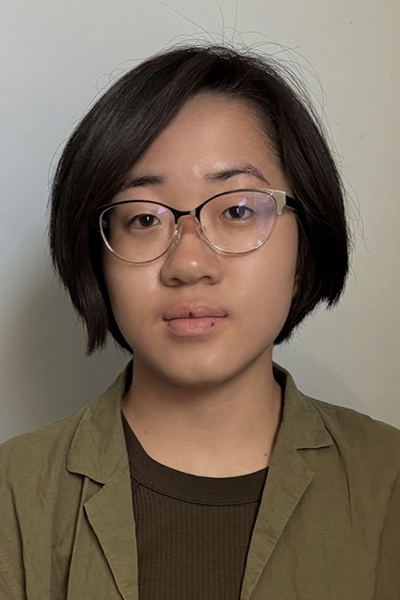
Maddy Lee | Asst. Stage Manager
Maddy Lee (They/She) is an emerging stage manager based in Amiskwacîwâskahikan, colonially known as Edmonton. They are currently pursuing their 3rd year of a BFA in Stage Management at the University of Alberta. They live to support their fellow theatre artists by hiding in dark boxes to help tell stories. She is so grateful to be working with such an incredible team on Hedda Gabler as their first Studio show!
Recent credits are Shams by Rumi (SM: Fringe 2026), Brigadoon (SM: NUOVA Vocal Arts), and Mermaid (ASM: UofA BLT)

Alison Matthews | Vocal Coach
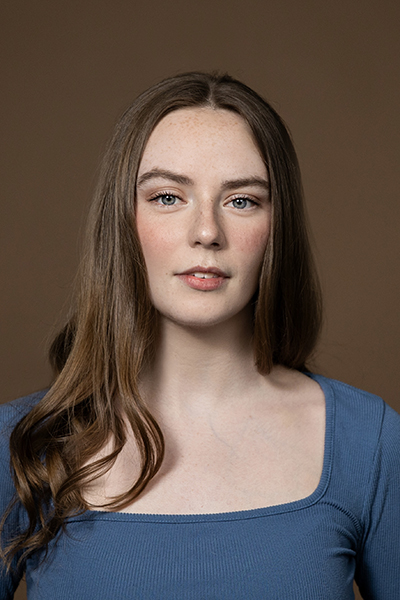
Alexa Rodominski | Mrs. Elvsted
Alexa Rodominski (she/her) is an emerging Edmonton artist in her final year of the BFA Acting program at the University of Alberta. Through the program, she has developed a particular interest in dance theatre, choreography, clown and stage combat. Recent performance credits include: Jesus, Mary and Jo (Three Ring Sucker Punch), Brigadoon (NUOVA Vocal Arts), Richard III and A Puzzled Manner (University of Alberta). She has also appeared in a variety of short films and commercials, including It’s a Girl (PoppyRose Media).
Alexa is thrilled to be taking the stage as Thea Elvsted in Hedda Gabler and can’t wait for audiences to experience the incredible work this team has created!
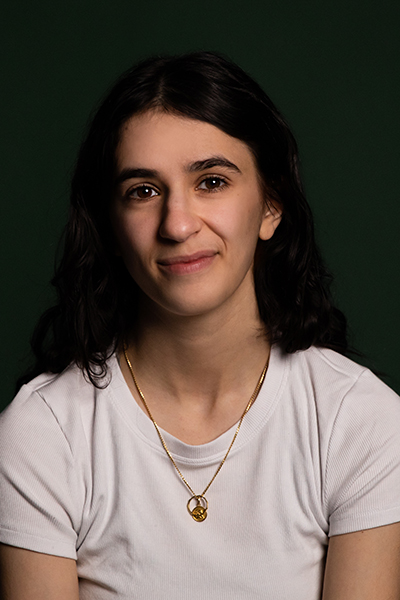
Giulia Romano | Director
Giulia Romano (she/her) is a director, performer, creator, writer, and educator based in amiskwacîwâskahikan (colonially known as Edmonton), Alberta. She is a graduate of the University of Alberta with a BA in Drama and a BEd.
Giulia has a deep affinity for new-play development, classical texts, tragedy, dance theatre, and devised theatre. Her practice is rooted in physical exploration and embodiment, and she is drawn to work that is visceral, rigorous, playful, and unafraid to sit in discomfort in pursuit of something truthful.
At the centre of her practice is a belief in theatre as a communal act. She understands directing as an act of collaboration, care, and service. For Giulia, theatre is a place where we intentionally gather, listen to one another, witness one another, and reckon with our shared humanity.
Recent directing credits include Antigone (University of Alberta), Alphabet Line (Prairie Strange Productions & Fringe Theatre), Tom at the Farm (University of Alberta), and Love & Information (ABBEDAM Productions). She has also worked in theatre administration with Theatre Network, Common Ground Arts Society, and Opera NUOVA.
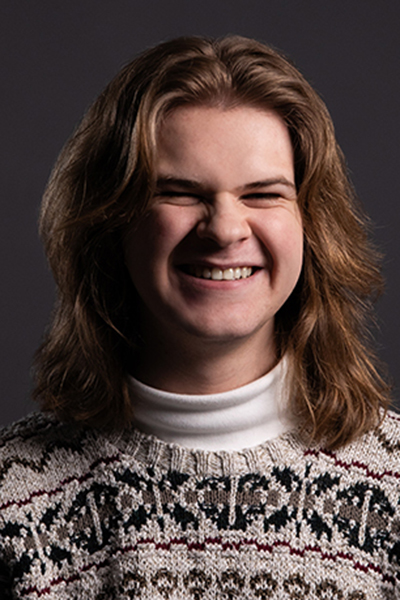
Kalen Sabasch | Shadow Director
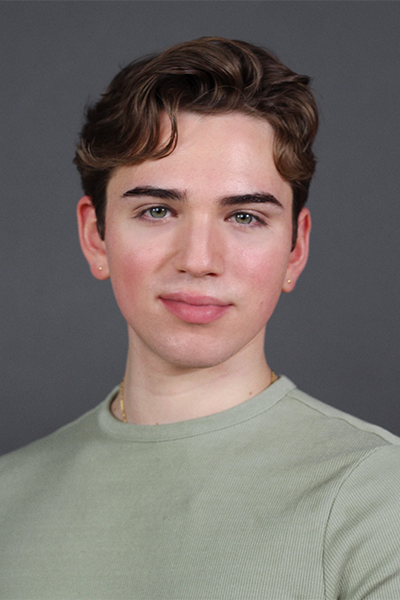
Matthew Sbrissa | Berte
Matthew Sbrissa (he/him) is a bilingual multidisciplinary artist from Montreal, Quebec. In love with acting from a young age, he started by making short films with his sister, who he credits for sparking his passion for acting. He studied Professional Theatre at John Abbott College, where he developed his artistry and later followed in the footsteps of his acting teacher, moving to Edmonton to acquire a BFA in Acting at the University of Alberta. He has a deep love for performance, Shakespeare, writing, film, and making people laugh. He’s grateful for the generous encouragement of his friends, family, and mentors, who continue to support him in overcoming adversity and his blossoming as an artist.
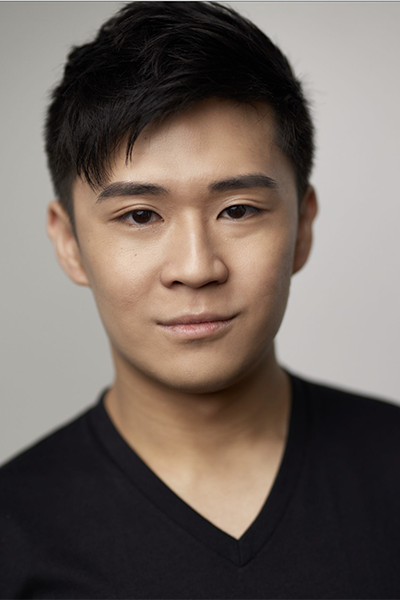
Joel Tan | Shadow Vocal Coach

Rory Turner | Lighting Designer
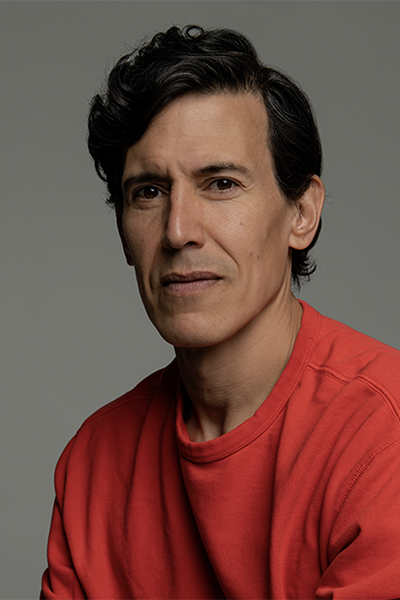
James Viveiros | Movement Coach
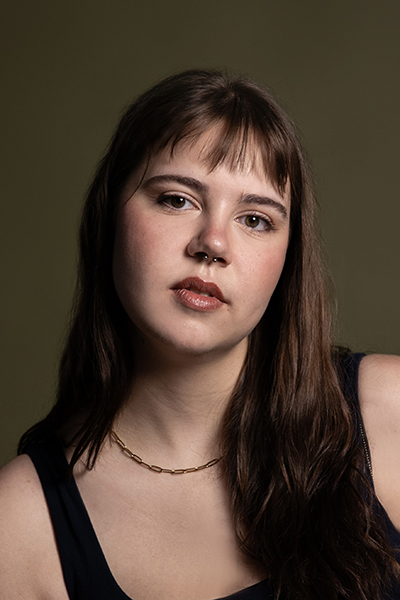
Maya Wright | Lovborg
Maya Wright (she/her) is a multidisciplinary artist born and raised in Edmonton, Alberta. Maya is excited to share her cumulative work from her time spent in the BFA. Recent performing credits include Object of Divinity (Margin Release), Brigadoon (NUOVA), Richard III (University of Alberta), A Puzzled Manner (University of Alberta), The Bone House (Staged Theatre Productions), The Wright Sisters Present: The Wright Brothers (Margin Release). Alongside performing, Maya has an affinity for theatre production, Maya’s most recent designs were seen in Jesus, Mary, and Jo, set/prop design (Three-Ring Sucker Punch), and Gnomon’s Land, projection design (Staged Theatre Productions).
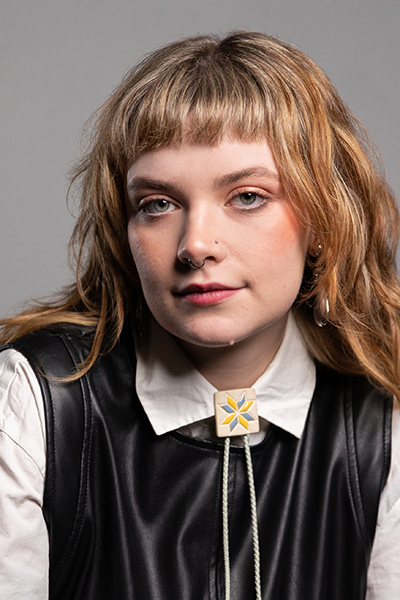
Imogen Wynters | Asst. Stage Manager
Imogen Wynters (she/her) is thrilled to be assistant stage managing Hedda Gabler directed by Giulia Romano. She is currently pursuing a BFA in Stage Management at the University of Alberta. Most recently, Imogen completed her first apprenticeship in stage management with Edmonton Opera’s production of Siegfried. Other recent credits include sound design and composition for the New Works Festival 2026, assistant stage management for Shrek the Musical (NUOVA), Televangelists (Dog Bite Theatre), and Deserters (Studio Theatre), stage managing NUOVA’s Between the Lines and working as a production assistant at Toronto’s Guild Festival Theatre.
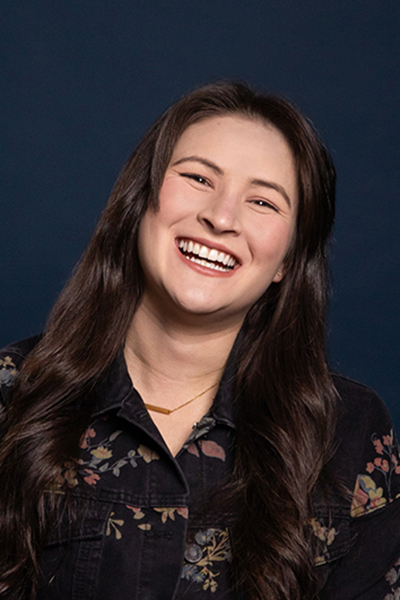
Morgan Yamada | Fight/Intimacy Director
Morgan works as a fight director, actor, arts educator, and Co-Artistic Producer of Azimuth Theatre. A University of Alberta BFA Acting alum and certified FDC (Fight Director Canada) instructor, she has fight directed for theatres across the country and performed with award-winning ensembles.
Credits
Hedda Gabler
by Henrik Ibsen
version by Patrick Marber
Timms Centre for the Arts | October 8-17, 2026
CAST
Tesman | Aldrick Dugarte
Hedda | Charley Fruitman
Juliana | Nadien Chu*
Berte | Matthew Sbrissa
Brack | Christopher Armstrong
Lovborg | Maya Wright
Mrs. Elvsted | Alexa Rodominski
CREATIVE TEAM
Director | Giulia Romano**
Scenic / Props Designer | Rory Jewiss
Costume Designer | Chelsea Payne Evason
Lighting Designer | Rory Turner
Sound Designer | Sylvia Anderson
Stage Manager | Kahlan Fornara
Asst. Stage Manager | Maddy Lee
Asst. Stage Manager | Imogen Wynters
Stage Manager Swing | Jade Foote
Fight Director | Morgan Yamada
Intimacy Coordinator | Amanda Bergen
Movement Coach | James Viveiros
Vocal Coach | Alison Matthews
Shadow Directors | Kalen Sabasch & Aidan Collins
Dramaturg | Grace Fitzgerald
Shadow Voice Coach | Joel Tan
PRODUCTION TEAM
Production Coordinators | Erin Birkenbergs & Isabelle Martinez
Technical Director | Lee O’Reilly
Asst. Technical Director | Nirvana Atarodifard
Asst. Production Manager | Davie Kozak
Costume Shop Supervisor | Josée Chartrand
Cutter | Julie Davie
Master Carpenter | Darrell Cooksey
Scenic Carpenter | Ava Graham
Properties Master | Jane Kline
Lead Paint | Annika Schultz
Painting Crew | Sam Adamson, Tia Anderson, Aiden Brulotte, Ray Dalstra, Megan Eulert, William Friel, Emery Greffen, Johanna Hecker
Sound Supervisor | Matthew Skopyk
Head of Sound | Avery London
Sound Operator | Emersyn Mcdonald
Lighting Supervisor | Jeff Osterlin
Head of Electrics | Kennedy Burriss
Lighting Operator | Leilu Munro
Lighting Crew | Sueda Binksma, Rune Molander, Shadow Orr, Andrea Noga, Anastasia Werk, Clara MacLellan
SUPPORT
Studio Theatre Artistic Coordinator and Drama Department Chair | April Viczko
Directing Advisor | Kathleen Weiss
Design Advisor | Victoria Zimski
Stage Management Advisor | John Raymond
Design Coordinator | Guido Tondino
BFA Acting Coordinator | David Ley
ADM Production and Operations | Joshua C. McIntosh
Venue Operations Manager | Iain Graham
Production & Operations Assistant | Emily Logan
Patron Services Coordinator | Candice Stollery
Timms Front of House | Reyna Álvarez, Aidan Collins, Sarah Dolman, Danielle Dugan, Mir Muhtadi Faiaz, Lyudmyla Honcharova, Payal Jotania, Zhuohao Li, Hana Nixon, Ben Osgood, Rae Pilas, Emily Ritammer,
Jugal Sadhnani, Sam Villetard, Sarah Wilson, Krystal Zhang
Fine Arts Information & Outreach Coordinator | Trish Agrell-Smith
With special thanks to Calvin Wong, Piano Technician and Tuner.
*The participation of this Artist is arranged by permission of Canadian Actors’ Equity Association under the provisions of the Dance•Opera• Theatre Policy.
**This production is in partial fulfillment of Giulia Romano’s MFA in Directing.
HEDDA GABLER (MARBER) is presented by arrangement with Concord Theatricals on behalf of
Dramatists Play Service www.concordtheatricals.com