Where care feels like home — and the next generation is learning why it matters
25 June 2026
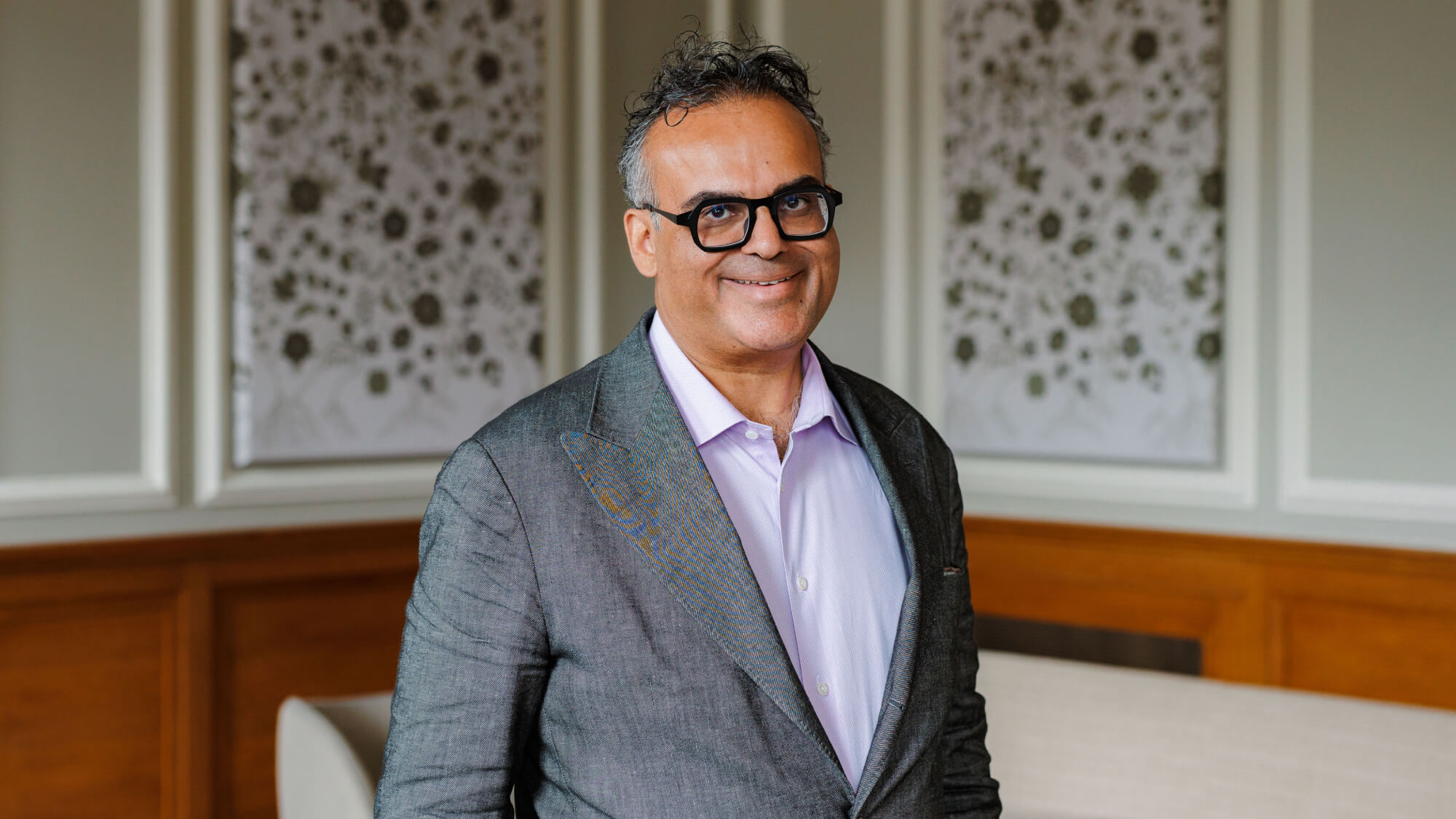
Karim Kassam (’93 BCom) believes that moving into a care community shouldn’t mean the end of a person’s story. It should be the start of a chapter defined by connection, dignity and being truly seen.
It’s what inspired him and his co-founder, Farid Damji, to build Optima Living — not just as a place for seniors to live, but as communities where people feel seen, supported and at home.
“We wanted to deliver a better resident experience for people who are aging in place,” says Kassam. “That’s what’s driven us from the beginning.”
In 2025, Optima Living committed $250,000 over five years to establish the Optima Living PhD Graduate Award for Innovation in Seniors Living, supporting doctoral research in areas like dementia care, healthy aging and artificial intelligence.
But inside Optima Living communities, the impact of this partnership is already being felt in deeply human ways.
One nursing student, reflecting on her placement, described her experience simply: she wasn’t just caring for residents — she was caring for “84 grandparents.”
For Kassam, moments like that speak to something essential.
“Quality of life isn’t just about medicine,” he says. “It’s about human touch. It’s about connection. When you have young people coming in with that energy and building relationships, it brings joy — not just to the residents, but to the students too.”
Through hands-on placements, U of A nursing students are gaining experience in seniors’ care while forming relationships that unfold over months and years. Instead of brief clinical encounters, they get to know residents — their stories, routines and personalities — and see how consistent, compassionate care shapes everyday life.
It’s a shift Kassam hopes will reshape how students see the field.
“We want students to see seniors’ care as a place to start their careers — not somewhere they end up later,” he says, “because it’s incredibly meaningful work.”
At the same time, the partnership is investing in the future through research.
“We felt strongly that whatever we did day-to-day needed to be matched with something more ambitious,” Kassam says. “These students are thinking deeply about how we can do better for seniors. We may not solve everything, but we can be part of creating that knowledge.”
That future also includes exploring how technology can better support care.
“Quality of life isn’t just about medicine. It’s about human touch. It’s about connection.”
Together, Optima Living and the U of A are exploring how tools like AI can help caregivers understand patterns, anticipate risks and spend less time on administrative tasks — freeing them to focus on what matters most.
“When you reduce the noise and the burden, you create more space for connection,” Kassam says.
And that connection — between student and resident, research and real life, knowledge and care — is where the partnership comes alive.
Because in the end, this work is about ensuring that in their later years, people feel valued, supported and never alone.
“It’s our responsibility,” Kassam says. “The people in our communities have given so much. We want to make sure they have an exceptional quality of life.”
Through this partnership, that quality of life is becoming a reality. As U of A students continue to step through these doors, they are entering a community where research has a heartbeat, and where every resident is home.
Did you know?
Karim Kassam, co-founder of Optima Living, is a University of Alberta business graduate from the Class of 1993.
Donor Impact
$250,000
over five years for PhD research in seniors living
Related Stories
What thriving looks like
Five voices show how research devoted to children and women’s health is changing care, building community and improving lives.
Giving shape to what comes next
As the Shape the Future campaign closes at $147 million, students show what donor generosity has already made possible.
A journey of exploration: how donor support opens minds
For Abigail Cullen, the Love family’s support made a life-changing journey possible — one that spanned perspectives as well as continents.