New grants support cutting edge dental research at the University of Alberta
28 May 2026
With the announcement of the 2025 results of the New Frontiers in Research Fund (NFRF-E), the Mike Petryk School of Dentistry in the Faculty of Medicine and Dentistry at the U of A is proud to see both Dr. Khaled Altabtbaei and Dr. Prasanna Neelakantan receiving funding. Their projects will utilize advanced spatial tracking and genomics to map household disease transmission and engineer smart, non-BPA-leaching fillings that emit antibacterial blue light on demand. In this interview, the professors explained their funded projects and how the grants will support their research.
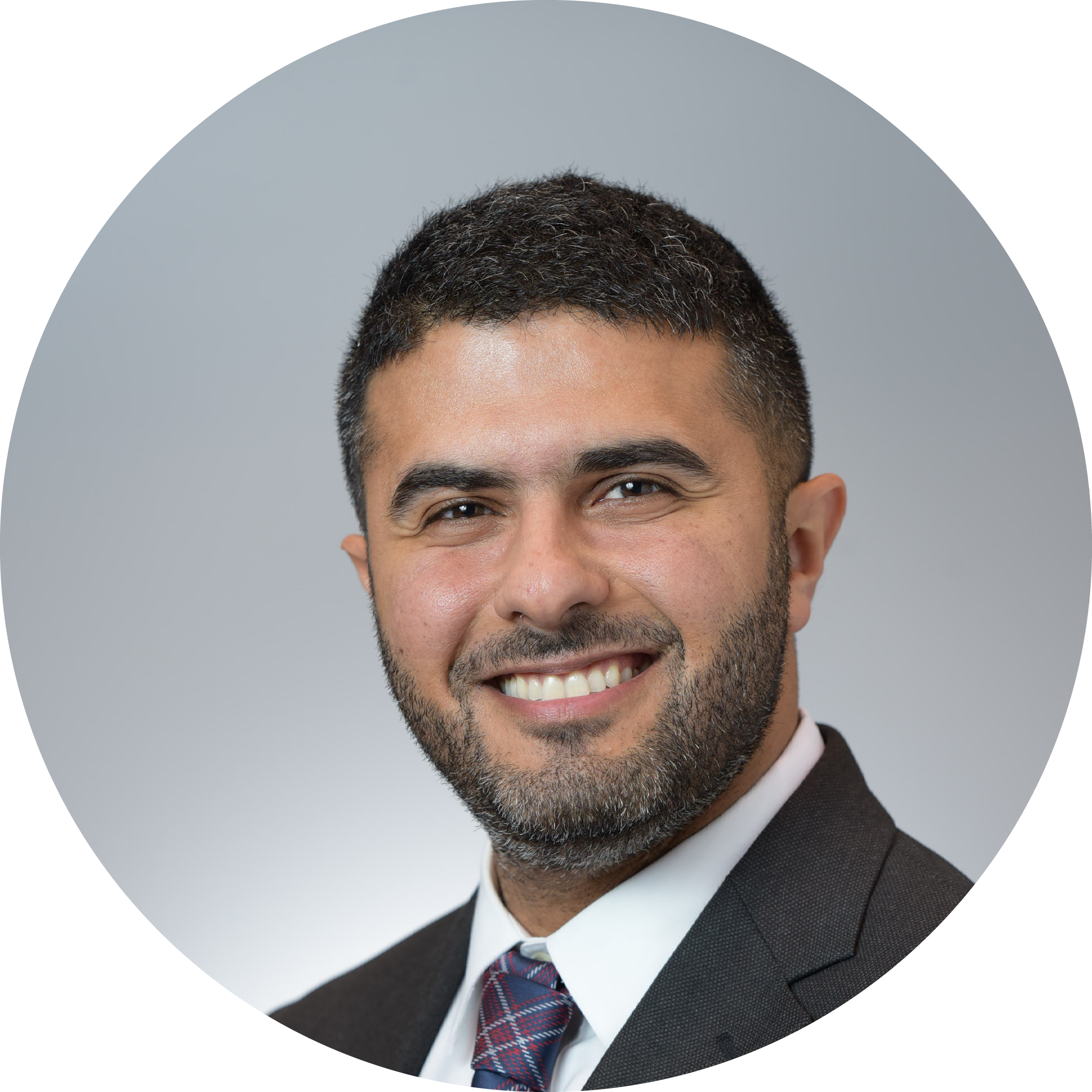
Dr. Khaled Altabtbaei
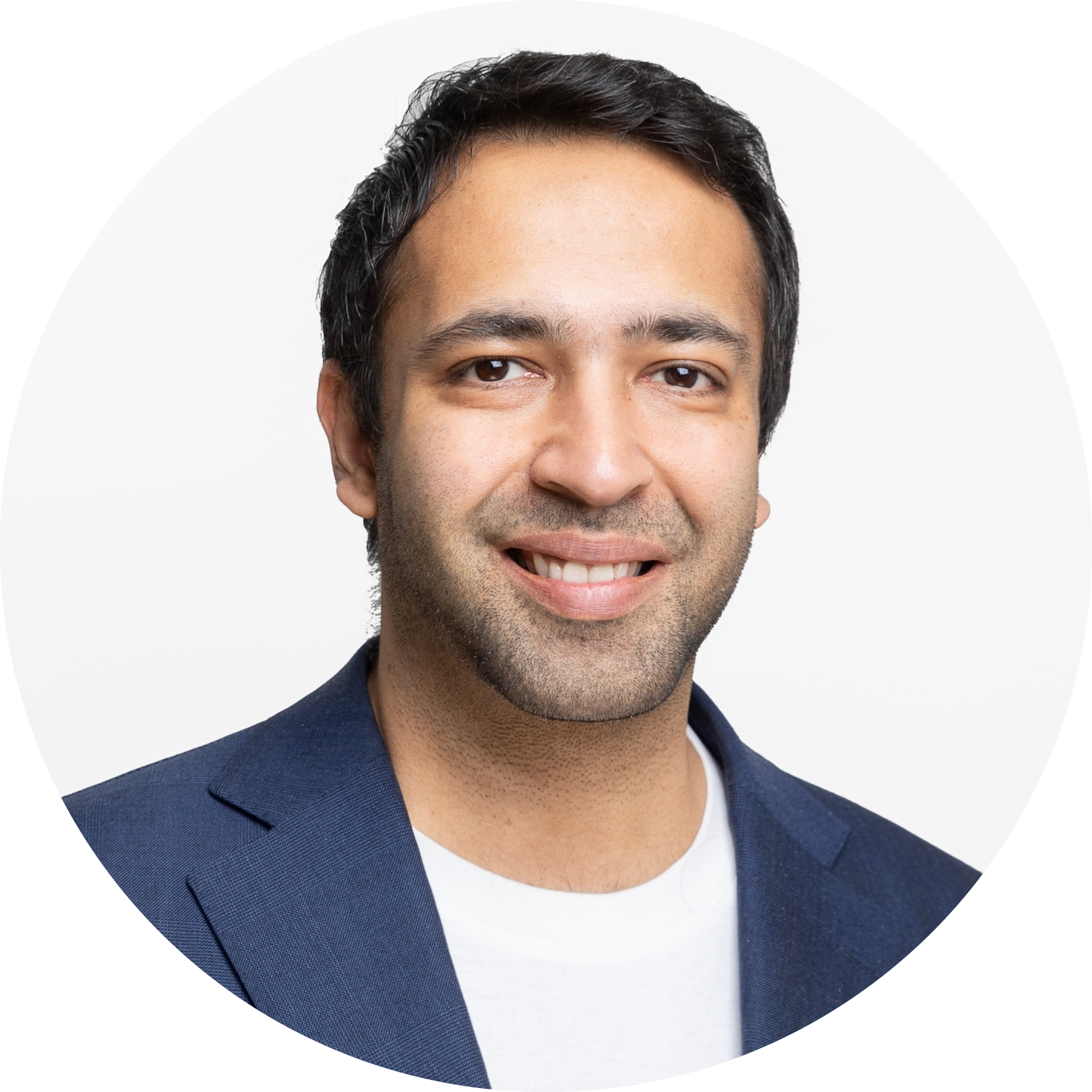
Dr. Prasanna Neelakantan
Could you please give us a brief introduction to ourselves and your backgrounds?
Khaled Altabtbaei: I’m an associate professor and the program co-director (didactic) at the graduate periodontology program at the Mike Petryk School of Dentistry at the U of A. My background is formed as a practicing periodontist (gum surgeon) and a microbial ecology researcher.
Prasanna Neelakantan: I am a dentist specializing in dental fillings and root canal treatments, and I hold the Alberta Dental Association & College Endowed Chair in Oral Health Research at the Mike Petryk School of Dentistry, Faculty of Medicine and Dentistry at the U of A. In addition to training the next generation of dentists, I serve as the Principal Investigator of the MICRO lab, where we develop multifunctional innovations for treating chronic infections and repair of oral tissues.
Which areas are the focus of your research?
Khaled Altabtbaei: I have a research lab that is primarily focused on understanding transmission routes and infectivity of diseases. This includes both diseases in the oral cavity (caries/tooth decay, and periodontal diseases) and diseases that are aerosol transmitted through the nasal and oral cavity.
Prasanna Neelakantan: My lab (MICRO) has three flagship programs that are highly diverse yet interconnected within the microbiological domain. Our aim is to discover and develop novel antimicrobial therapies that can prevent the development of antimicrobial resistance (AMR). AMR is now a common household name: it is among the greatest threats facing humankind and directly or indirectly causes millions of deaths worldwide.
Can you please tell us a bit about your projects which received NFRF-E awards?
Khaled Altabtbaei: The project came about as a way to try and use real-time tracking using UWB devices to understand how close contact between people affect the transmission of oral diseases. We have known for decades that family members harbour similar oral microbes in their mouths but understanding whether this is a route of transmission for these oral diseases was not known. This same technology was attempted during the pandemic as automatic close contact exposure trackers against SARS-CoV-2 to varying degrees of success by mobile phone purveyors. The technology has come far enough since then that the accuracy would allow us to do such research.
Prasanna Neelakantan: First and foremost, I am a dentist. One of the biggest clinical challenges we face worldwide is dental decay, which is agnostic of age, sex and gender. Toddlers are highly affected by this disease, and Indigenous peoples experience a significantly greater prevalence of it, especially in northern communities, where access to oral care is limited. Traditionally, decayed teeth have been filled with a silver-based material called amalgam, which contains mercury. Despite being remarkably effective for this purpose, the global shift away from mercury use, driven by the Minamata convention, is forcing us to look for alternatives. The most common substitutes are polymer-based materials. More than 122 million polymeric dental fillings are placed each year in North America alone! These fillings fail within just 5 years because they cannot prevent bacteria from progressing into the tooth. This is an alarming problem, with no revolutionary material or concept in sight. Recognizing that such a breakthrough could not come from advances within dentistry alone, I shared my vision for a novel material that can disinfect its own environment with expert collaborators in chemistry (Dr. Sõares), physics (Dr. Meldrum), biomedical engineering (Dr. Romanyk), ultrasound (Dr. Saldaña) and piezoelectrics (Dr. Orrego).
How will this funding forward your research?
Khaled Altabtbaei: I am very excited and thankful for being awarded this grant. It will give us a major leap in understanding the long-debated question of whether oral diseases are due to “nature or nurture”. This will give us incredible new ways to reduce the risk of oral diseases as we formulate our therapies as a familial effort of reducing the oral microbial burden they all carry, rather than treat people in a “whack-a-mole” style of personalized therapy provided to one family member at a time.
Prasanna Neelakantan: When we finished writing this proposal, we were tremendously excited about the ground breaking changes it could bring, not only in oral health, but across a range of biomedical materials and in wound infection management, all of which depend on potent and safe antimicrobials. Successful funding will now allow us to develop an entirely new polymer for dental fillings. This is no incremental advancement. We are breaking new ground in dental filling materials and opening a new domain of mechanoluminescent therapy. With it, we can place dental fillings that do not need replacing every 5-7 years, which causes a vicious cycle of irreversible damage and loss of teeth, imposing a significant financial burden and diminishing quality of life.
What makes the University of Alberta a great place for you to do your research?
Khaled Altabtbaei: Without a question, it is the colleagues! The NFRF-E grants reward high-risk/high-reward research endeavors. This requires a major shift in thinking about how to approach problems and solutions that are less incremental, and more audacious. It is so great to have individuals who understand the science of various disciplines I can talk to on a daily basis. Being able to talk to experts in oral diseases, aerobiology, transmission routes, computational modeling and human ecology to refine the idea to the point where we can all put it together in a cogent, ambitious, and actionable form is priceless for researchers. I am glad I have leading researchers around me to do such creative problem solving together on a daily basis.
Prasanna Neelakantan: I began my position at the U of A two years ago. In that short time, my lab has successfully secured a number of research grants, each of which help advance our flagship programs. This was undoubtedly made possible by the incredible community and ecosystem at the U of A, and I consider it a great honor to work at U of A. This project is just one example of how meaningful revolutions in healthcare can be achieved by collaborating beyond traditional pathways and pursuing what some might consider an impossible approach. When I shared this idea with peers and co-investigators on the grant, no one ridiculed or dismissed it. I received very positive feedback and genuine interest in developing this work. Now I tell my trainees: be extremely ambitious; we have colleagues who are always willing to help us.