Beyond the bedside: building a clinician-scientist community at the University of Alberta
31 August 2026
Clinician-scientists are the essential bridge between the laboratory and the bedside, transforming scientific inquiry into real-world patient care and driving the medical advancements that define modern healthcare. Without this vital integration, clinical practice risks stagnation; clinician-scientists ensure the latest discoveries are rapidly translated into improved patient outcomes. The Community of Research (CoRe) program at the University of Alberta Faculty of Medicine & Dentistry is dedicated to revitalizing this critical career path. Through its unique "come and learn" philosophy, CoRe provides learners with a supportive, low-pressure environment to cultivate research competencies alongside their clinical training, equipping the next generation of physicians to innovate, lead and shape a brighter future for medicine.
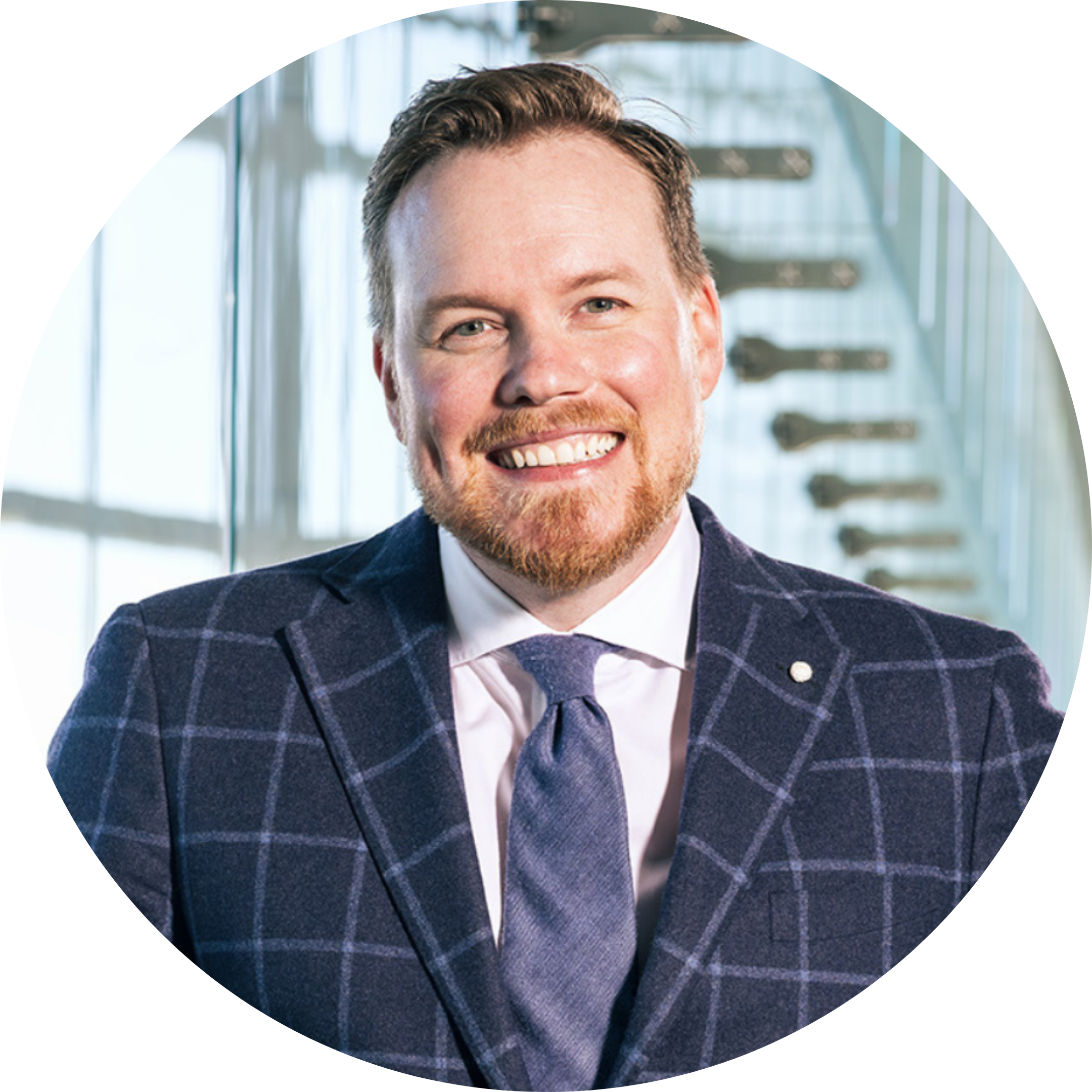
Adam Kinnaird, the Frank and Carla Sojonky Chair in Prostate Cancer Research in the Division of Urology, Department of Surgery, is the director of the CoRe program. As a clinician-scientist, he combines award-winning research in prostate cancer diagnosis with his own clinical practice in Edmonton. He took time to reflect on the benefits of combining research and clinical practice, as well as the successes and lessons of the CoRe program over the last five years.
With your various roles as a clinician, researcher, and faculty member, why is contributing to the advancement of your field through research personally important to you?
I treat men with prostate cancer every day, and seeing the personal impact of this common disease—affecting approximately one in every eight men in Canada—drives my motivation. While early detection leads to high cure rates, late-stage cases remain incurable. My research is personally important because it focuses on imaging advancements to catch the disease early and developing new drugs to prolong life and change outcomes for those with incurable cases.
How does integrating clinical practice with scientific research improve patient outcomes, both for individuals and the broader community?
Research is the backbone of clinical progress; without it, medical practice would effectively be stuck in the 1920s or 1930s. Fundamental advancements we rely on today, such as vaccines, chemotherapy, immunotherapy, and even anesthetic gas, are the direct results of scientific inquiry. Integrating research ensures we are not just following established protocols, but translating lab discoveries from approximately 20 years prior into cutting-edge clinical practice for the broader community.
As the CoRe program marks five years, are there any specific success stories that stand out to you?
The most exciting success is the significant number of students interested in the program. Clinician-scientists are often described as a "dying breed," but at the University of Alberta, we see a revitalization. Last year, 50 to 60 out of 180 first-year medical students participated in CoRe, showing that about a quarter of the class is actively interested in learning how to integrate research into their future careers.
How does the CoRe program help the Faculty of Medicine & Dentistry attract amazing students?
The program operates on a "come and learn" philosophy, running in parallel with the medical curriculum without the pressure of tests or evaluations. This allows students to explore research purely out of interest. By planting the seed early, we can steer students toward specialized paths—such as the Special Training in Research (STIR) program, the MD-PhD program, and the Clinician Investigator Program—helping them plan their careers as clinician-scientists from their very first year.
Are there any surprising lessons you have learned while directing the program over the last five years?
I have been impressed by the high degree of interest from first-year medical students. We see a broad spectrum of backgrounds: about 50% of our students enter medical school already holding a graduate degree and prior research experience, while others will pursue graduate studies after their MD. The CoRe program provides a unique venue to bring these different groups together into one community, regardless of where they are in their research journey.
Looking ahead, where do you see the greatest opportunities for the CoRe program to evolve over the next five years?
We are focused on expanding our current offerings, such as our rapid-fire research program and our longitudinal shadowing program. This shadowing experience is unique because it allows students to see the entire spectrum of a clinician-scientist's life—including clinical days, OR days, research days, and administrative days. I see the program growing by expanding the pool of clinician-scientists interested in taking on students, creating a positive feedback loop for the next generation.
What advice or encouragement would you offer to students who are interested in research as they enter the MD program or graduate studies in FoMD?
The road to becoming a clinician-scientist is a long but fulfilling one. Research keeps your practice "spicy" and interesting; instead of the potential monotony of performing the same tasks daily, you are staying on the leading edge. By working at the forefront of integration, you know exactly what clinical deficiencies need improvement in the lab. This path helps you stay ahead of current clinical guidelines, utilizing research that has yet to reach the mainstream and making you a more well-rounded physician.
How does the CoRe program contribute to the broader mission of training well-rounded physicians here at the Faculty of Medicine and Dentistry?
The CoRe program plays a vital role in the revitalization of the clinician-scientist, which is essential to the future of medicine. By engaging in this path, medical students are challenged to stay at the forefront of clinical practice, constantly updating their knowledge beyond standard guidelines. This exposure to emerging research—the science that has yet to reach the mainstream—ensures our graduates are not just practitioners, but well-rounded physicians who are prepared to lead and innovate.