Occupational Therapy Month #OTMonth
October is Occupational Therapy Month
Occupational therapy is such a diverse profession. But it does have one main goal: to help people live the best lives they can.
In honour of #OTMonth and #WorldOTDay, we asked staff, students and faculty what OT means to them and why they chose to pursue the profession.

Amanda Mah
MSc Occupational Therapy Student
Amanda Mah was looking for a profession that would allow her to explore how 'health' and 'care' can exist in different ways. She found this in occupational therapy.
"I was curious how aspects of our health system could be re-imagined to serve people's lived experiences."
"To me, occupational Therapy presents the incredible opportunity to be part of someone's story in a way that is meaningful to them."

Ivy Bang
MSc Occupational Therapy Student
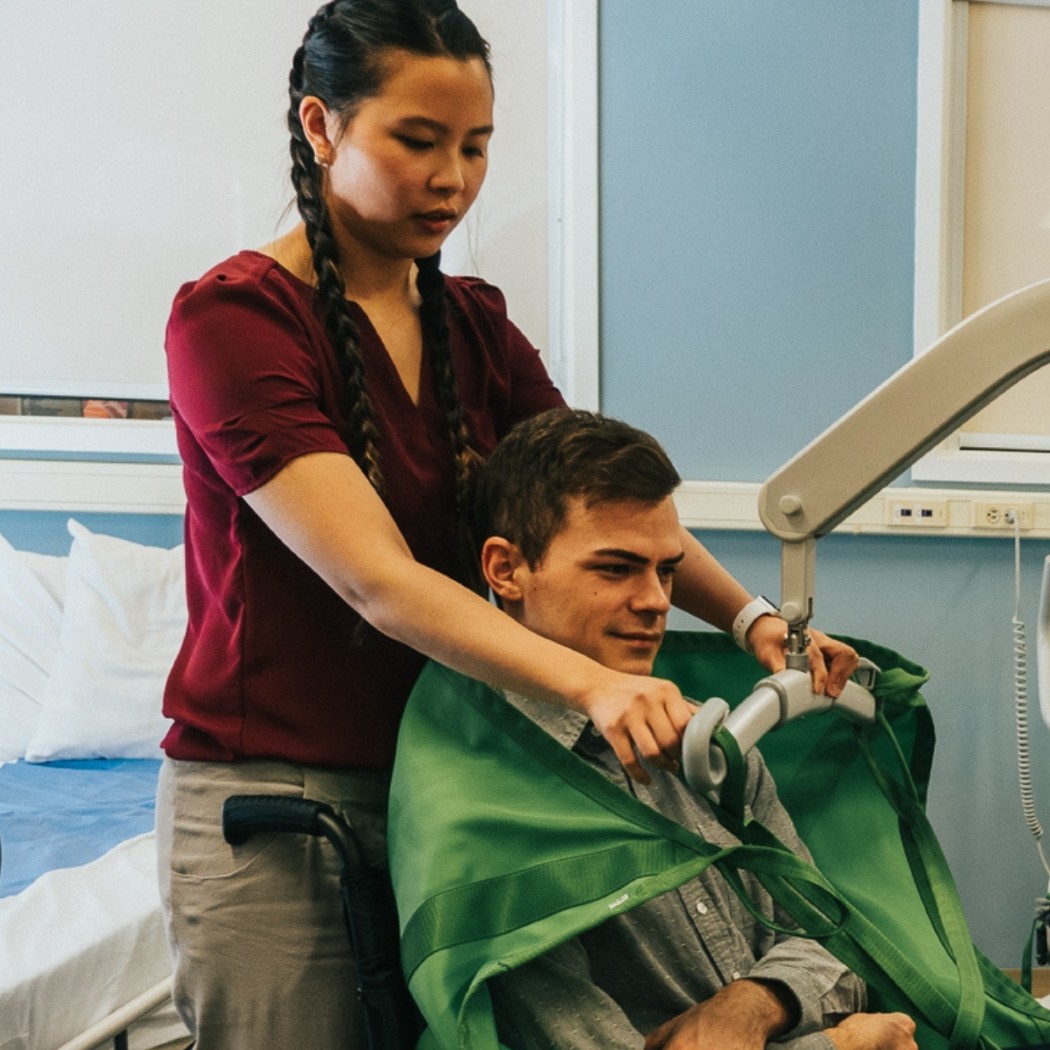
Helping people with everyday tasks is a major part of occupational therapy.
Student Ivy Bang joined the Rehab Med OT program to help others take part in the little things — day-to-day activities that greatly improve a person's quality of life.
“As an undergraduate student, I volunteered with immigrant youth who were learning to read. At the end of the term, they presented me with a note thanking me. In that instance, I knew I wanted to help others with the simple things — holding the gaming controller to play videogames with a friend, walking their dog down the street or catching and throwing a ball to get back to the baseball team. These are just some of the little things in life I want to help others return to or learn to do on my journey to becoming an occupational therapist.”
"I knew I wanted to help others with the simple things — holding the gaming controller to play video games with a friend, walking their dog down the street or catching and throwing a ball to get back to the baseball team."
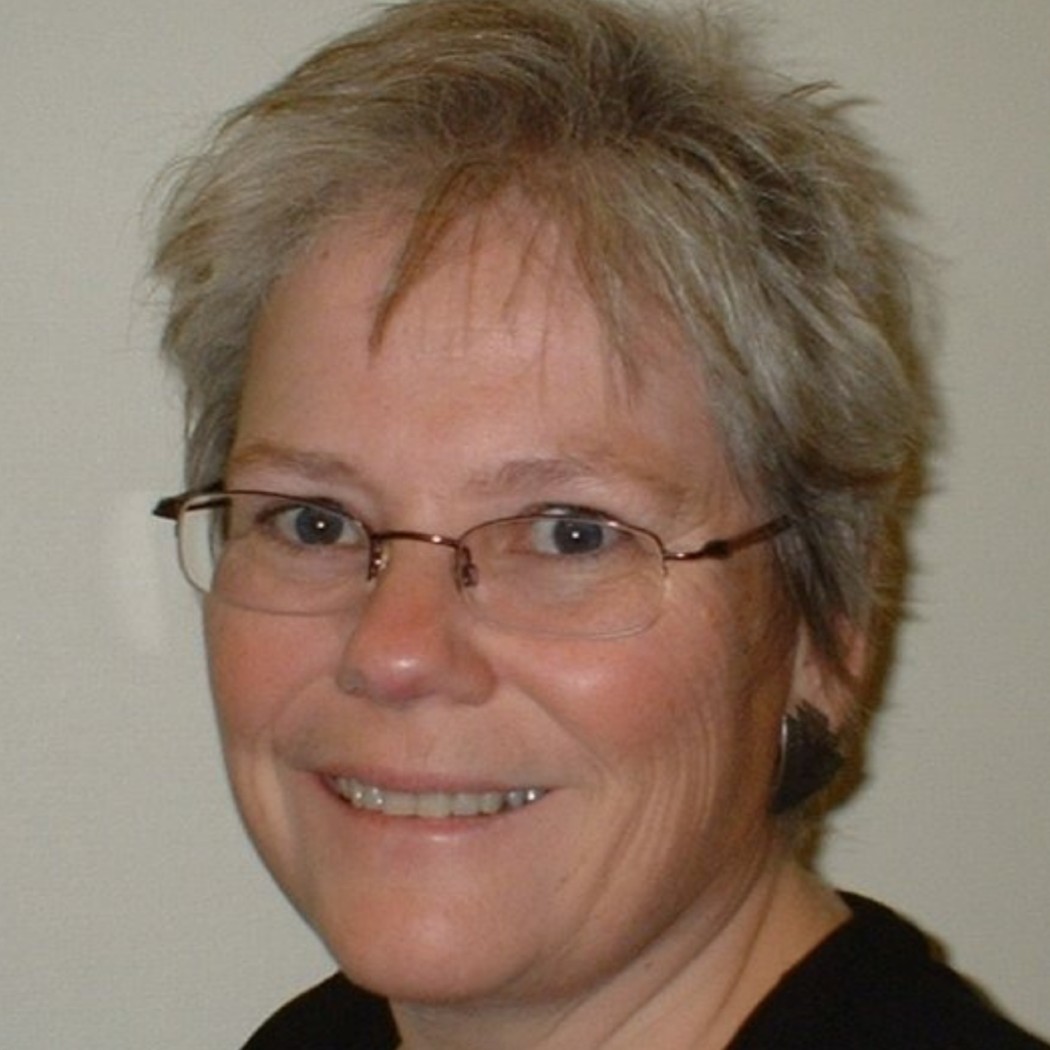
Dr. Cary Brown
Professor, Department of Occupational Therapy
Did you know that occupational therapists can help you get a good night’s sleep?
Dr. Cary Brown researches how physical and social environments can affect quality shut-eye: Sleep is for the strong
“My research in the area of sleep is closely aligned with occupational therapy's understanding that our relationship with the environment is a critical component of our wellbeing. I focus on how the physical environment (light, temperature, sound) and social environment (habits, beliefs, norms and media) can be modified to promote efficient sleep.”
"OT is a career that offers endless opportunities — we are problem solvers, networkers and collaborators who play a role in many context and settings."

Dr. Shu-Ping Chen
Assistant Professor, Department of Occupational Therapy
Dr. Shu-Ping Chen loves working with and learning from clients. She has dedicated her career to helping those with mental illnesses lead meaningful lives.
“My teaching and research focus on social inclusion for individuals with mental illnesses. When people have the freedom to engage in occupations they value and are expected to do, they develop an identity separate from illness, reduce stigma, build hope, play meaningful roles and promote self-determination.”
"I love working with clients and learning from clients — I enjoy the integration of the art and the science of OT in clinical practice."
Her career has also led her to research substance abuse and how it can affect mental health: How to know if your pandemic drinking is getting out of hand, and what to do about it

Breana Morrell
MSc Occupational Therapy Student
Before finding occupational therapy, Breana started her academic career in another health-care program. But, in her opinion, she found that patients were often reduced to their diagnosis. This led her to pursue the MScOT program, which tailors practices to clients and their capabilities.
1. What does occupational therapy mean to you? To me, OT is about making the world accessible to all. We should all have the opportunity to participate in new activities, see new places, and explore what is meaningful to us. This should not only be available to people who fit into the “typical mold” that society has created.
2. What inspired you to pursue OT? I pursued another area of health care and found that people were often reduced to a statistic or a diagnosis. I love that OT is entirely client-centred and strengths-based, focusing on how someone can do something rather than why they can’t.
"I love that occupational therapy is entirely client-centred and strengths-based, focusing on how someone can do something rather than why they can't."
Jessica Bennet
Academic Advisor, Department of Occupational Therapy
Department of Occupational Therapy Academic Advisor Jessica Bennet enjoys watching students make progress in their program because she knows that means they are going to get to help people live meaningful lives.
“It’s such a good feeling to see our students progress because I know they are going to be great OTs.”
"When I'm speaking to prospective students, I describe IT as a profession that teaches therapies that work with mind, body and spirit."
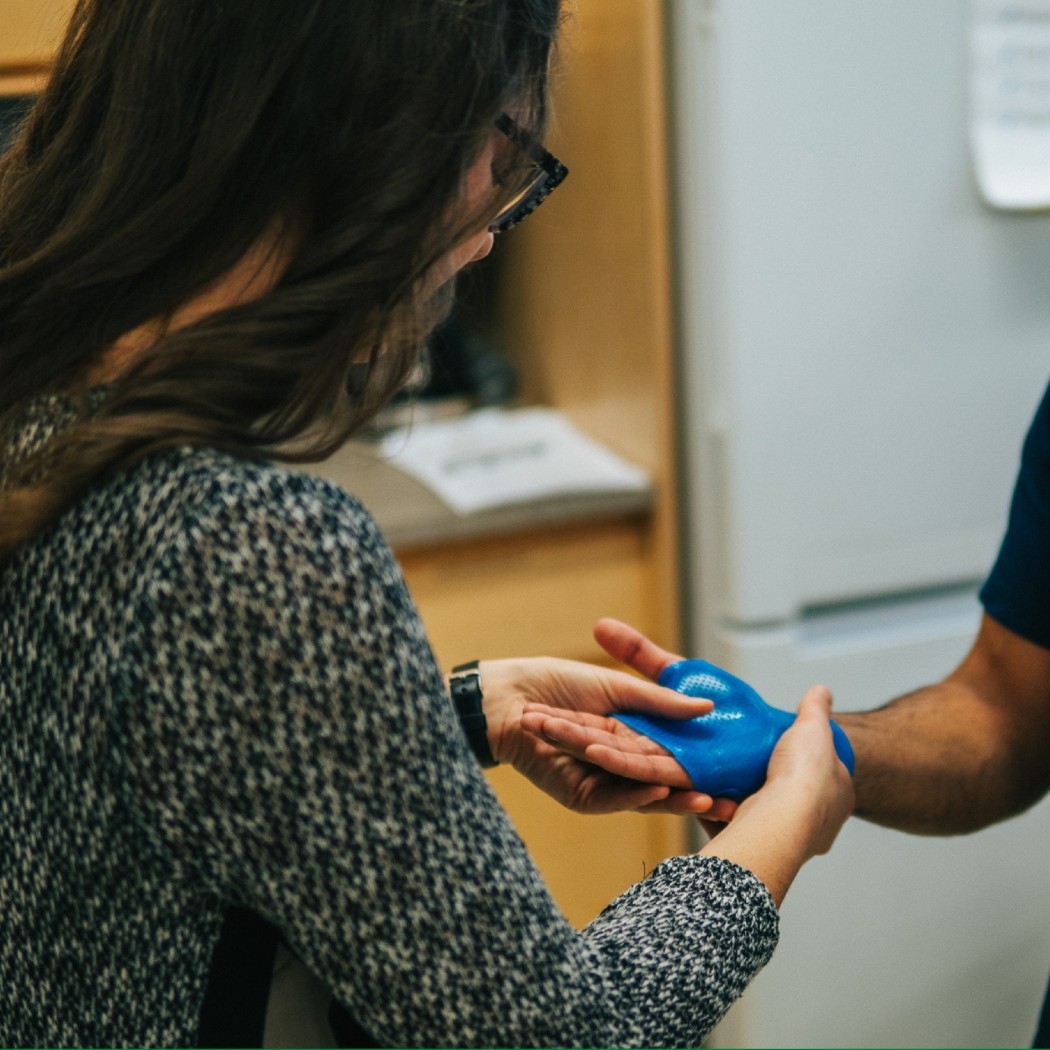
Lyndsay Pinder
MSc Occupational Therapy Student
“To me, occupational therapy means staying curious about the person, their environment and their occupations, all the while holding that big picture in your mind while you support an individual on their journey.
“I love to be useful! I also love to solve problems, and I love the profession’s roots in activism.”