Innovative Research In Vaccine Safety
19 April 2024
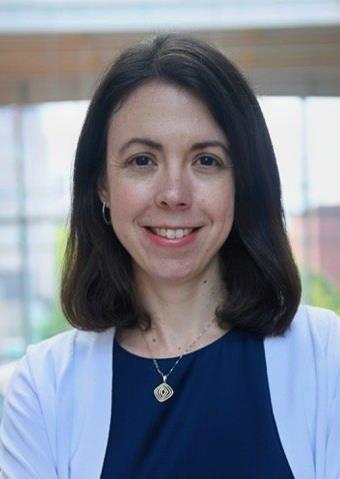
Dr. Karina Top has been doing significant work in the field of vaccine safety and vaccination practices. Dr. Top joined the Department of Pediatrics in July 2023 and originally hails from Halifax, NS. She has an impressive educational background, having completed her medical degree and pediatric residency at Dalhousie University, followed by further fellowship training in pediatric infectious diseases and a Master of Science in Epidemiology from Columbia University in New York.
In 2011, Dr. Top returned to Dalhousie University, where she initiated a research program focused on vaccine safety and vaccination of special populations. She is the principal investigator (PI) of the International Network of Special Immunization Services and co-principal investigator (Co-PI) of the Canadian Immunization Research Network’s Special Immunization Clinic Network. Her work revolves around understanding the causes and risk factors for rare adverse events following immunization and optimizing vaccination practices for those considered at higher risk of an adverse event. Dr. Top enjoys collaborating with researchers and clinicians from diverse subspecialties and mentoring students and residents. In addition to her medical pursuits, she is also a talented musician. She had studied violin and was a part of an amateur orchestra in Halifax before shifting to Edmonton. Presently, she is on the lookout for like-minded music enthusiasts and a new group to join.
In January 2024, Dr. Top, along with colleagues Drs. Catherine Burton and Sneha Suresh from the Department of Pediatrics and colleagues at the International Network of Special Immunization Services (INSIS), received funding from the Coalition for Epidemic Preparedness Innovations. The funding aims to support research into the biological mechanisms and risk factors for rare adverse events that may follow immunization. This study brings together researchers across diverse fields, including expert clinicians in vaccine safety, public health experts, immunologists, and experts in biology and genomics from around the world.
The project aims to understand the reasons behind rare adverse events after COVID-19 vaccination. By comparing biological samples from those who experienced such events and those who did not, the study will provide new insight into the biological mechanisms that lead to an adverse event like myocarditis after vaccination and identify genetic variants and biomarkers that could be used to help identify people at higher risk of an adverse event.
Additionally, Dr. Top and the Special Immunization Clinic Network are finishing a study on live varicella vaccination in children with solid organ transplants (SOT). Given the rise in measles cases worldwide, they are also working on adapting their protocol for assessing children with SOT for varicella vaccination to MMR vaccination. This includes determining appropriate work-ups and criteria for vaccination. Dr. Top's innovative research is making significant strides in ensuring vaccine safety.