Raising the Bar Together: A New EPA Thermometer Tracks Progress Toward 500 Assessments
29 May 2026
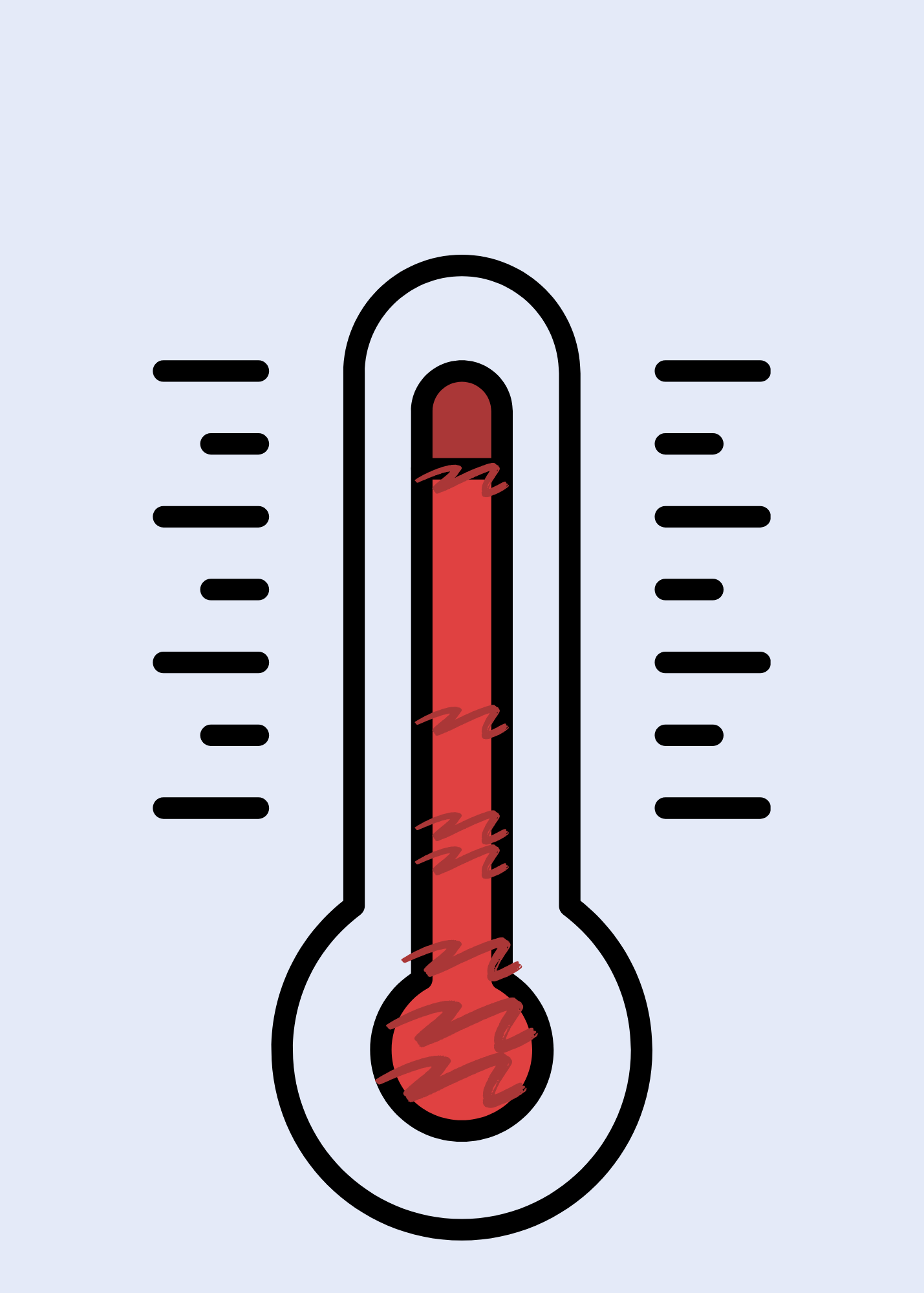
A visual thermometer in the 3rd floor south atrium is helping the Department of Pediatrics make progress visible. Building on a fall Grand Rounds presentation, a quality improvement project team including Drs. Jessica Foulds, Simone Lebeuf, Anna Serebrin, Troy Turner, Elena Mitevska and Marghalara Rashid are working to increase staff-initiated workplace-based assessments (WBAs) for pediatric residents, with a shared departmental target of 500 submitted assessments.
The thermometer gives faculty and staff a quick way to see how everyday teaching and feedback moments are adding up. As WBAs are submitted, the display tracks progress toward completing EPAs and toward the team's 500-assessment goal. The aim is simple: make participation visible, build momentum, and remind clinical teachers that even a few minutes of feedback can contribute to resident learning.
WBAs are the moments when clinical work, coaching and assessment meet. In competency-based medical education, entrustable professional activities (EPAs) provide the framework for assessing the core tasks of a discipline, while workplace-based assessments capture observations and feedback from real clinical work. The team's focus is practical: encourage more staff to initiate assessments, make participation easier to remember and normalize timely feedback as part of clinical teaching.
The next PDSA cycle uses the thermometer as a shared prompt for action. It turns an education goal into something the whole department can see, discuss and support. The display in the 3rd floor south atrium is designed to be easy to understand at a glance: each submitted assessment helps fill the thermometer and shows the department moving closer to its target.
The project has national medical education support. CAME-ACEM lists Dr. Simone Lebeuf, University of Alberta, as the 2026 CAME Wooster Family Grant in Medical Education principal investigator for "Increasing Staff-Initiated Workplace Based Assessments for Pediatric Residents." That recognition underscores the broader relevance of the work: pediatric training programs need assessment systems that are meaningful, manageable and embedded in day-to-day care.
At its heart, the thermometer is less about the display than the practice behind it. Every submitted WBA represents a moment when a resident received concrete feedback, a teacher made learning visible and the program gained a clearer picture of developing competence. The goal of 500 assessments offers the department a simple rallying point, but the deeper aim is a stronger feedback culture for pediatric education.
Department members are encouraged to look for everyday opportunities to initiate WBAs with pediatric residents and to check the thermometer in the 3rd floor south atrium as progress grows. One assessment may take only a few minutes; together, those minutes can become a measurable investment in resident learning and patient care.