Shaping What Comes Next: Our Department of Pediatrics Strategic Plan
27 March 2026
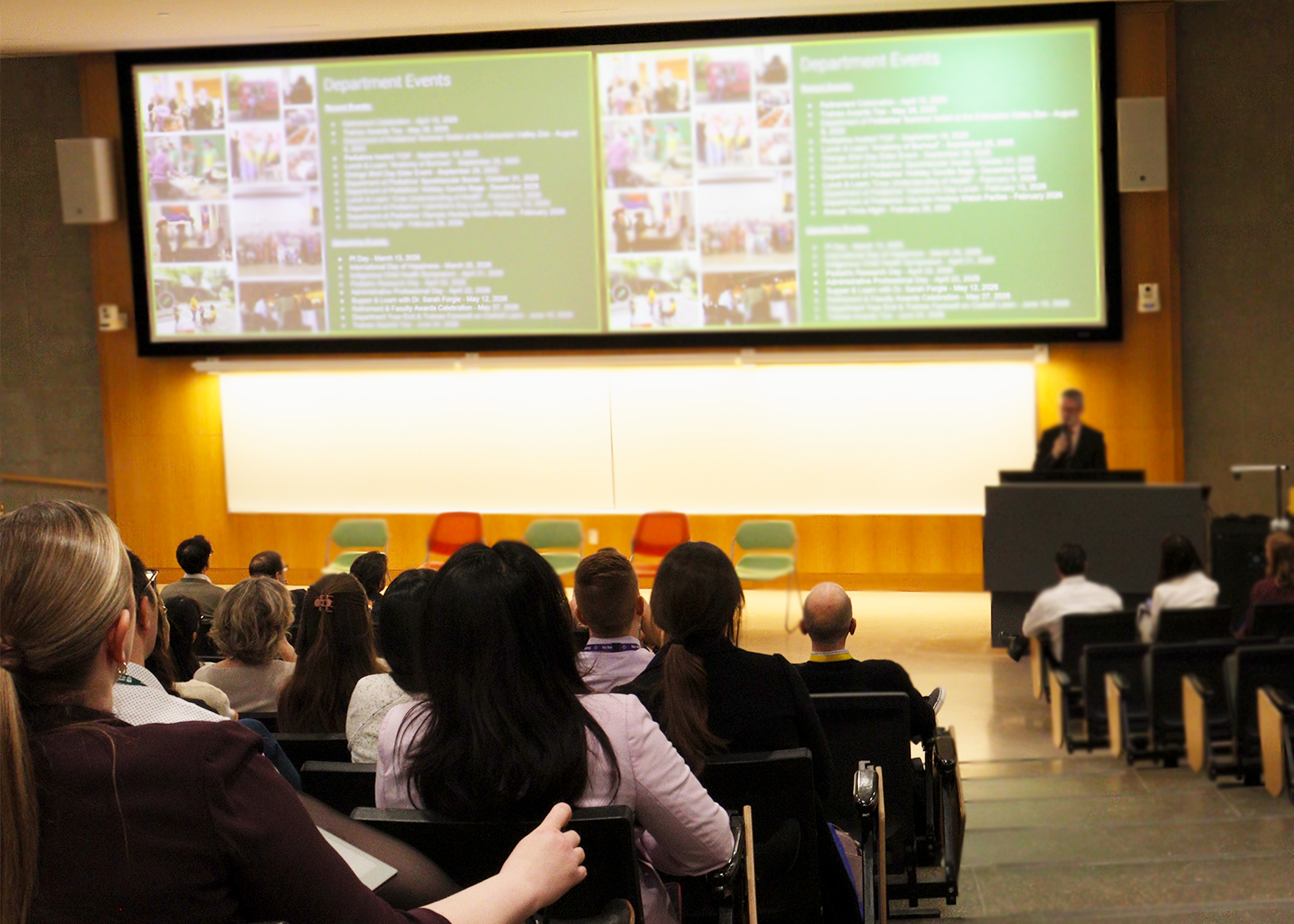
At our Department Update on March 5, we introduced our strategic plan and the work already underway to bring it to life across the department. We are pleased to share these priorities more broadly, so all members of our community can see how this work is taking shape and where we are headed together.
The strategic plan was created to help connect what matters most to our department with our current position and our future goals. It was developed through extensive engagement with department members and external partners via surveys, focus groups, interviews, and community conversations. Feedback highlighted the importance of creating a department that is people-centered, inclusive, connected, and intentional in its approach. As a result, the plan focuses on four priority areas that will guide our work in meaningful and practical ways.
One of those priorities is Indigenous Child Health, which reflects a broader departmental commitment to advancing Indigenous child and youth health through mentorship, training, workforce development, and stronger Indigenous leadership across education, research, clinical care, and policy. This work recognizes that Indigenous children’s health is deeply connected to culture, community, land, and history, and that improving outcomes requires shared responsibility across the department. Current examples include the Health Career and Sciences Day pilot project, the upcoming Indigenous Child Health Symposium: Our Children are Sacred, and continued support for community-based and land-based learning opportunities for faculty and trainees.
A second priority, Wellness, Accessibility, Community and Belonging, focuses on creating a department where people feel supported, safe, and valued. The goal is not only to reduce barriers and burnout but also to intentionally build a culture of well-being, connection, and shared purpose. This includes assessing baseline well-being, identifying drivers of burnout, strengthening leadership supports, and embedding accessibility, community, and belonging into hiring, training, and everyday departmental practices.
Work already underway includes meetings with divisional directors to better understand experiences across the department, the development of leadership workshops, and plans to launch Balint Groups to create space for reflection and discussion around the emotional side of care.
The plan also highlights Addressing Childhood Health Disparities, focusing on identifying gaps in care and developing more equitable, inclusive solutions for children and families. This work will be shaped in partnership with youth, parents, caregivers, and underserved communities, while also drawing on health systems data to better understand where current care may not align with population needs. By building on existing strengths in care, education, and research, the department aims to improve access and experiences for children and families who face the greatest barriers.
The fourth priority area, Professional Development and Engagement, reflects the importance of supporting people throughout their careers and recognizing the many ways they contribute to our department. This work is already visible through initiatives such as Faculty in Focus, Lunch and Learns, Supper and Learns, Trivia Night, and the launch of six new faculty awards. Mentorship is also a key part of this pillar, with plans to create more formal and informal opportunities for connection, support career growth across stages, and recognize mentorship as an important part of academic and professional success.
At its core, this strategic plan is about more than setting priorities on paper. It is about building a department that is welcoming, thoughtful, and forward-looking, and ensuring the values we care about are reflected in how we work, collaborate, and grow together.