
General Surgery Residency Program
Welcome to the General Surgery Residency Program at the University of Alberta.
High
Clinical volume and operative exposure (minimal fellows)
BROAD
Exposure to all subspecialties including transplant, surgical oncology with HIPEC and robotic colorectal surgery
Outstanding
OPPORTUNITIES FOR RESIDENTS INTERESTED IN RESEARCH
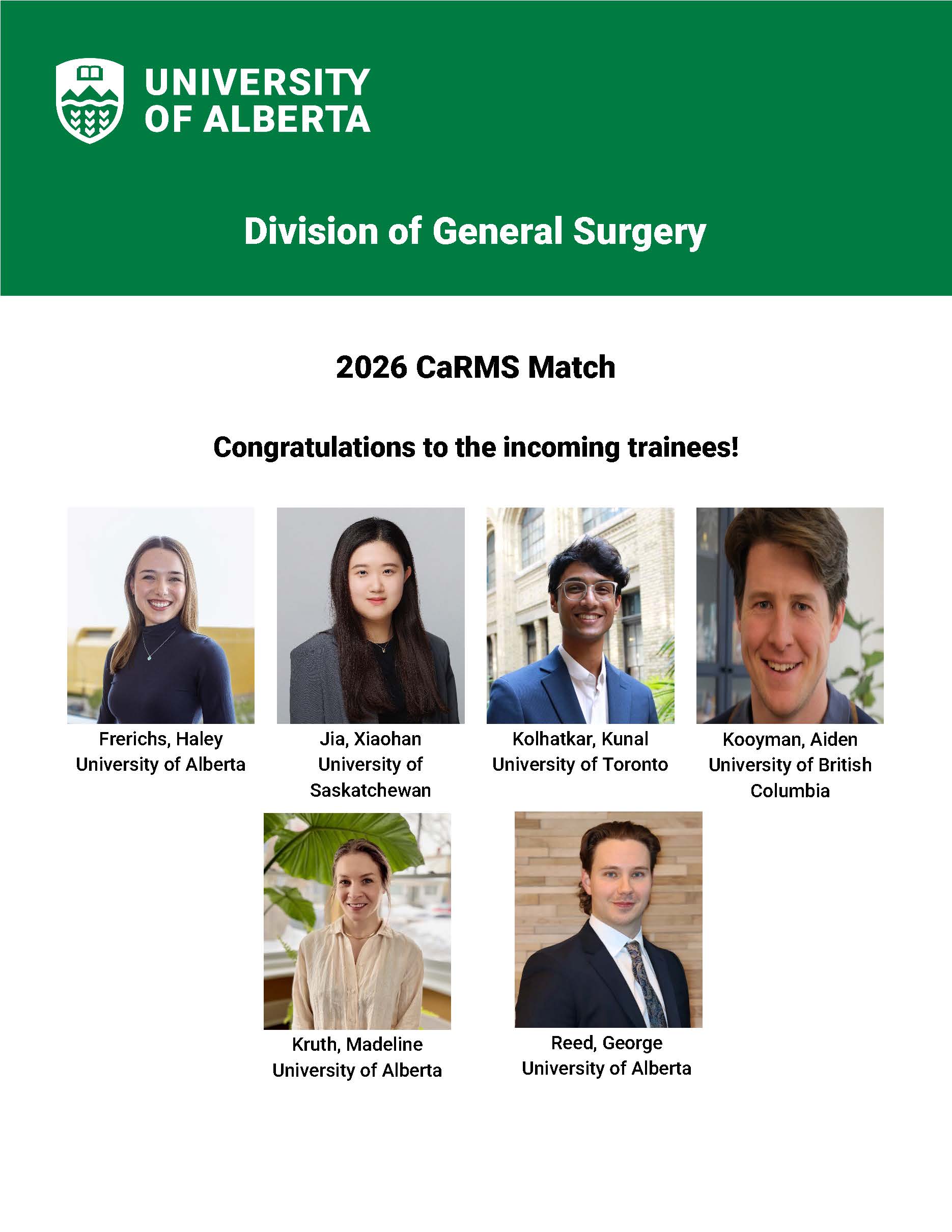
CaRMS Specific Information
The General Surgery match at the University of Alberta is processed through CaRMS. Please see the CaRMS website at http://www.carms.ca for detailed program information, and a description of the requirements for applying to our residency program.
We will be hosting multiple Program Showcases from October to January. Each Program Showcase will be a discussion with our Co-Program directors and will feature a staff member from a different specialty. You will have a chance to chat with some of our residents. Events are advertised on the CANPREPP Portal.
Contact Information
Dr. Michael McCall
Program Director, General Surgery Residency Program
University of Alberta, Office of Surgical Education
2D2.01 WMC, 8440 - 112 St NW
Edmonton AB T6G 2B7
Caitlyn Killips
Christy MacKinnon
Program Administrators
gsurgpg@ualberta.ca
780.407.6325

Dr. Michael McCall
Program Director
A welcome message from our Program Director, Dr Michael McCall:
A career in General Surgery is one of the most rewarding and interesting professions available. The diverse nature of the surgical specialty and the skills to manage complex, critically ill, and injured patients are reasons most of us chose this exciting career. Exposure to General Surgery and all of its sub-specialties are available at the University of Alberta.
Edmonton General Surgery residents will get learning opportunities in:
o Acute Care Surgery
o Bariatric Surgery
o Breast Surgery
o Colorectal Surgery
o Critical Care Medicine
o Endocrine Surgery
o Endoscopy
o Global Surgery
o Head & Neck Surgery
o Hepatobiliary/Transplant Surgery
o Minimally Invasive Surgery
o Pediatric Surgery
o Surgical Oncology
o Thoracic Surgery
o Trauma Surgery
o Vascular Surgery
General Surgery in Edmonton covers a large catchment area including the city of Edmonton, Northern Alberta, Northern British Columbia, Northern Saskatchewan, Nunavut, Northwest Territories, and Yukon. It is an extremely busy operating and clinical experience at four main sites within Edmonton.
The University and Royal Alexandra Hospitals function as trauma centers. Several Edmonton-area and rural community hospitals provide outstanding surgical learning opportunities in Community General Surgery. The result is an incredible operative volume, breadth of clinical experience, and a variety of simple and complex cases. Our training program offers residents outstanding exposure to both community and sub-specialty general surgery and after 5 years you will be ready for immediate independent practice or very competitive for a sub-specialty General Surgery fellowship.
In addition, for the resident interested in pursuing a career in rural General Surgery, the is an option to spend the majority of the third and fourth years of residency in Grande Prairie, Alberta. Applications to this stream are submitted in the second year of residency.
The General Surgery Program at the University of Alberta has a strong tradition of training excellent surgeons. We have a collegial atmosphere among the staff and residents who are friendly and passionate about surgery. Clinical volume is among the highest of all the training programs in Canada – a fact the residents regularly quote as the best aspect of the program.
There is a strong emphasis on research with many opportunities throughout training. During the second year of residency, some residents chose to apply to the Clinician Investigator Program (CIP). The successful applicant leaves the General Surgery program for 2-3 years to pursue a MSc or PhD. Our residents have traditionally had a high level of success with degree attainment.
We are now fully integrated into the Competency by Design (CBD) program. Our Assistant Program Director, Dr Bonnie Tsang, is the CBD lead for our program. Each resident is paired with their own academic advisor and progress is monitored closely. We entered into CBD in 2020 so we truly believe that this has become a fully integrated aspect of everyday resident life.
Our program believes that resident wellness is paramount to a successful
residency. We have a resident-led wellness committee and are always looking
for ways to facilitate comradery outside of the hospital. Some examples
include:
- Resident/staff spin bike classes
- Yearly golf tournament
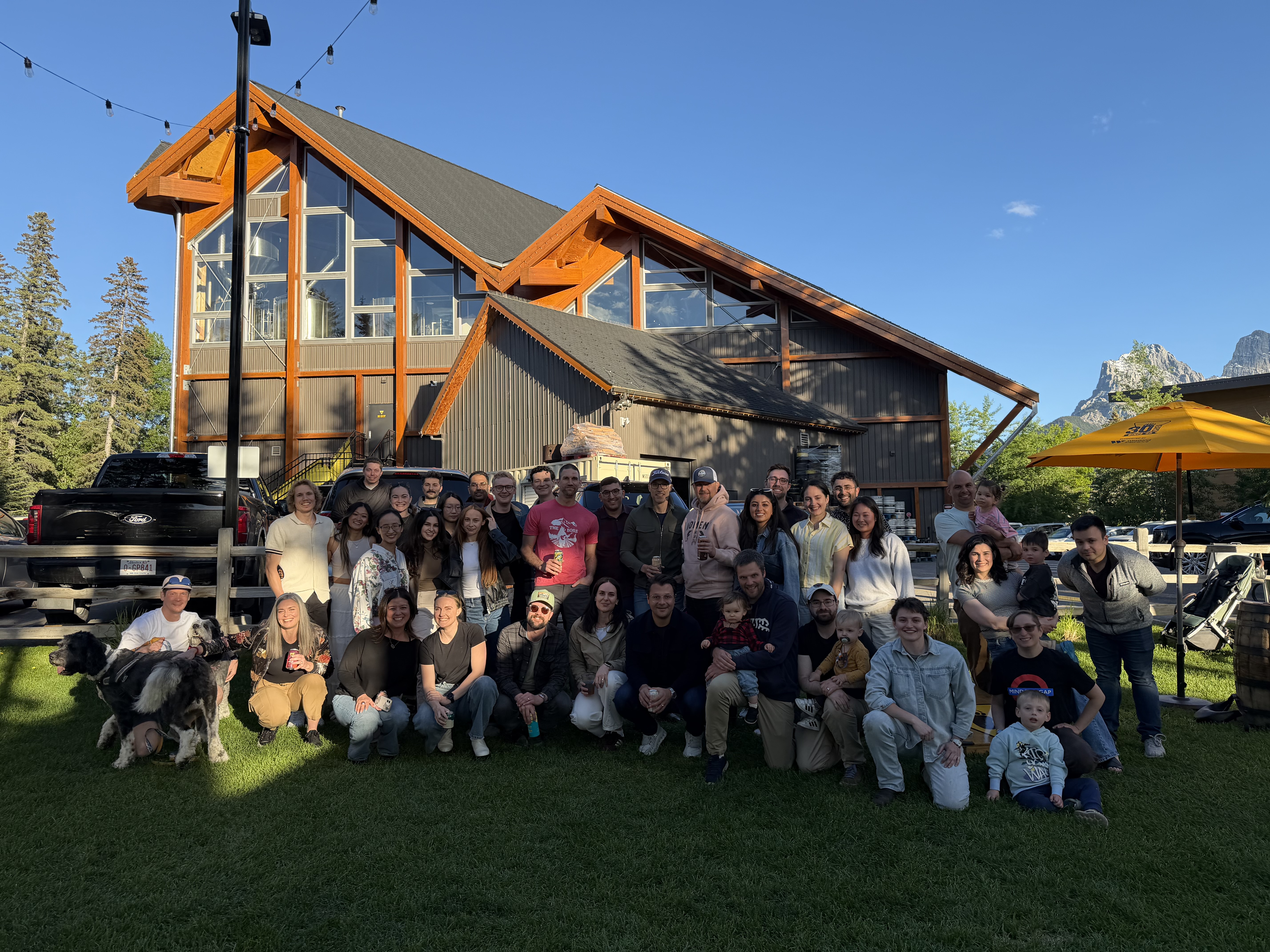
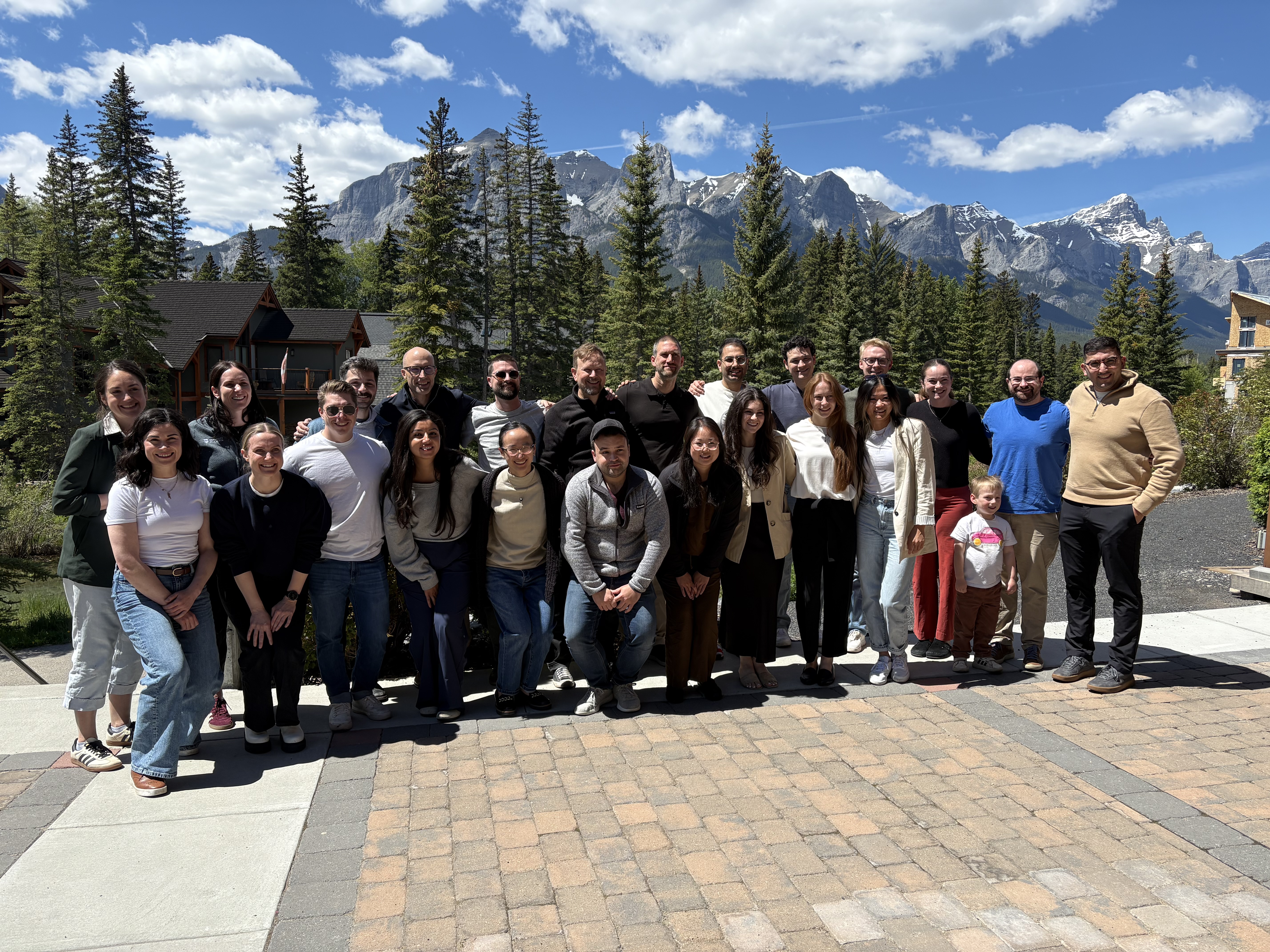
- Yearly resident educational retreat in the Rockies
- Journal club
- Mentor groups
Our Program
Our five-year residency program leads directly to accreditation by the Royal College of Physicians and Surgeons of Canada.
Program Highlights

Training at two busy trauma centres in Edmonton


Excellent Competence By Design (CBD) in-house platform for obtaining and tracking EPA’s. Strong faculty and administrative support for providing successful CBD program


Despite high volumes of tertiary-level procedures and sub-specialty, we have minimal fellows competing for cases

RESIDENCY AT A GLANCE
Our program has successfully transitioned to CBD in accordance with the nationally coordinated schedule. Our program will continue to undergo the same rigorous accreditation processes as traditional programs.
- General Surgery - 5 blocks
- Orthopedic Surgery/Plastic Surgery - 1 block each
- Medicine - 1 block
- Coronary Care Unit - 1 block
- Pediatric General Surgery - 1 block
- Anesthesia - 1 block
- Vacation - 1 block
- Trauma - 1 block
- General Surgery - 8 blocks
- Intensive Care Unit - 3 blocks
- Thoracic Surgery - 2 blocks
- Paediatric General Surgery - 2 blocks
- Endoscopy - 2 blocks
- General Surgery - 7 blocks
- Elective - 2 blocks
- General Surgery Selective - 3 blocks (Community – either Lethbridge, Red Deer or Grande Prairie)
- General Surgery - 3 blocks (Trauma Site)
- Elective - 2 blocks
- Vascular Surgery - 2 blocks
- Chief Resident - 3 blocks
The first 10 blocks of the PGY-5 year are Chief Resident rotations where the resident is able to run a team and begin transitioning to a junior faculty role. The last three blocks make up an ambulatory care rotation.
Teaching Hospitals

University of Alberta Hospital
This level 1 trauma centre Alberta Health Services’ University of Alberta Hospital (UAH) is located on the University of Alberta campus next to the Health Sciences Light Rail Transit (LRT) station. It is one of Canada’s leading clinical, research and teaching hospitals, treating more than 700,000 patients annually from across western and northern Canada. With over 885 beds, it offers a wide range of diagnostic and treatment services for both adults and children, including specialized services within surgery, cardiac sciences, neurosciences, medicine, renal, critical care, emergency and trauma care, and a state of the art burn unit.
The UAH’s Organ and Tissue Transplant Program is recognized as a national leader in both success rates and transplant volumes. Providing support to the transplant and surgery programs is the University Hospital’s Comprehensive Tissue Centre, one of only two fully accredited multi-tissue banks in Canada.
This teaching hospital is recognized across the country for superior research and learning opportunities.

The Royal Alexandra Hospital (RAH), located in the heart of downtown Edmonton, offers general and specialized medical and surgical health services. Its extremely busy emergency department caters to the inner city population and sees more than 63,000 visits per year. The hospital operates 870 beds, cares for over 1/2 million patients annually, and employs over 4,800 full and part-time staff. It is home to 25 operating theatres and features a strong surgical robotic program.
The Centre for the Advancement of Surgical Education and Simulation (CASES) skills centre is based at the RAH and offers expertise in surgical management, training and research. It is the first facility of its type in Western Canada and is dedicated to the development of Minimally Invasive Surgery (MIS) and enhanced patient care. All Surgical Foundations residents will complete several wet/dry labs during their first year of training.
Through an exciting redevelopment project, the RAH recently expanded to include The Lois Hole Hospital for Women. This new and modern facility provides additional space for Women’s Health programs, as well as a Health Resource Centre, which provides Telehealth facilities and multimedia resources for physicians and their families. The Lois Hole Hospital for Women is also home to a Learning Centre, which provides improved professional development opportunities for staff and physicians, both in the region, and to the outlying communities served.
As a teaching hospital, the RAH has strong affiliations with the University of Alberta Departments of Surgery, Ophthalmology, Obstetrics and Gynecology, Family Medicine, and Laboratory Medicine among many others. The new Light Rail Transit Metro Line is now open which takes passengers to the RAH in less than 15 minutes from the University. This has made it much easier for residents to get to and from academic half days which are mostly run out of the UAH.

Misericordia Community Hospital
This acute care facility, located East of West Edmonton Mall, has 306 beds and offers 24-hour Emergency care, General Surgery, Orthopedic Surgery, Urology, Plastic Surgery, Intensive and Coronary Care, Pediatrics, Geriatrics, Mental Health, Women’s Health, Diagnostics and Ambulatory Care.
The Misericordia is also home to the Institute for Reconstructive Sciences in Medicine (iRSM), an internationally recognized clinical and research institute focused on medical reconstructive sciences. The iRSM combines expertise in disciplines such as Surgery, Medicine, Dentistry, Rehabilitation Medicine, Engineering and Computing Science to create a fully integrated environment for clinical care, research, education and training in reconstructive medicine and technology. As an international referral center, it is a leader in the complex area of osseointegration (bone) implanted devices for prosthetic replacement of skull and facial defects resulting from cancer, trauma and congenital conditions.
The Misericordia Hospital also offers the only publicly funded hyperbarics oxygen program in Alberta.

With 347 beds, the Grey Nuns Community Hospital, located in south Edmonton in the Mill Woods neighbourhood, is an acute care hospital and provides a full range of services. This includes a 24-hour Emergency Department, General Surgery, Vascular Surgery, Otolaryngology - Head and Neck Surgery, Intensive and Cardiac Care, Children’s Health, Women’s Health, Diagnostics and Mental Health. The hospital’s tertiary palliative care unit is world-renowned for its delivery of care and teaching practices, and is a home base for a regional palliative program.
Program Supports
Residents are assigned to small mentor groups (3-4 residents) led by a staff member. These groups are helpful in providing career guidance, creating bonds and building collegiality among residents and staff in an informal setting. In addition,both our program directors and program administrators have an “open door” policy and are always available to offer advice and to help navigate the residency program.
One half day each week is devoted to seminars, individual study or time for research projects. A variety of topics pertaining to surgery are covered. Protected time for PGY-1 (Surgical Foundations) residents is on Wednesday mornings. For PGY-2 to 5 residents, protected time for seminars is on Friday mornings.
The following courses are provided to residents:
- ATLS
- ATOM
- FAST Ultrasound training (PGY1)
- Anatomy Lab / curriculum
- CASES – MIS curriculum, labs, Surgical Medical Research Institute
- PGY1 – Research Methods
- PGY1 – Resident Teacher Training retreat
General Surgery began Competence By Design (CBD) in July of 2020. This allows residents to be evaluated more frequently based on their abilities and skills using Entrustable Professional Activities (EPAs) within a hybrid time/competency based model.
Extensive opportunities exist for residents to participate in research. Research methodology is incorporated into the core Surgical Foundations curriculum to ensure all residents are given opportunities and formal education. Supervisors, projects, and funding are available to support research training in the broad areas of basic sciences, surgical education, clinical outcome research, public health, health economics, global surgery and epidemiology. Research presentations are presented annually at the Division of General Surgery's Research Day as well as the Department of Surgery's Resident Research Day and are eligible for generous awards. Recent graduates of our program have consistently won national awards such as the Canadian Association of General Surgeons Resident Research Prize. There is an opportunity to obtain a master's degree or PhD through the Royal College-approved Clinician Investigator Program.
To support and encourage collegiately among residents and staff we host an annual Welcome BBQ, a holiday party, a resident retreat and other non-work related events.
Frequently asked questions
Over the next decade, there will be a large number of Surgeons retiring, and this will leave many jobs available across the country. This will allow the new Surgeon to have the ability to work in virtually any part of the country, and in a variety of geographical settings. There is also a shift towards performing more and more procedures by minimally invasive (laparoscopic) techniques.
RESIDENT TESTIMONIALS
I'm looking forward to increased operative exposure and responsibility. I also like the flexibility our program offers to tailor your learning according to your career aspirations and goals.
Ryerson Seguin PGY3
I think the UofA is the best training program in the country! Fortunately, the biggest challenge for applicants is that most Canadian programs are really great. What separates Edmonton is that we have an outstanding clinical volume with patients coming from Northern Alberta, Northern BC, Saskatchewan, Northwest Territories, and all over to Edmonton - this gives residents the opportunity to see a huge volume and breadth of cases. At the same time, Edmonton's surgeons all pride themselves on a dedication to training future surgeons and we get a large volume of exposure to those cases with a limited number of fellows. To me - it's a perfect balance between a huge program and tiny program and really offers everything.
Outside the OR, we have tremendous mentors and are close to staff across the city with great access to research and professional development. My last tid bit is maybe most important - Edmonton is a dramatically underrated city. We have one of the most beautiful river valleys in North America, access to the rocky mountains, and such an awesome festival city with something happening every weekend (Folk fest, heritage days, Taste of Edmonton, Silver Skate, the list goes on and on).
Kevin Verhoeff PGY5