ATI Trainee Award
About the ATI Trainee Award!
In 2026, the Alberta Transplant Institute launched the ATI Trainee Award, a prestigious opportunity designed to support outstanding trainees contributing to research in organ donation and transplantation across Alberta. This annual award reflects ATI’s commitment to nurturing future innovators and strengthening the transplant research community.
Who Is Eligible?
Any trainee performing research under the supervision of an ATI member across Alberta. The trainee does not have to be registered in a post secondary degree program and allied health professionals conducting clinical research are also welcome to apply. Projects must be related to solid organ or cell transplantation or organ donation, supervised by an ATI member. Supervisors must have all necessary ethics approvals in place by the time the project begins.
Award Details for 2027
The Stipend is in the amount of $ 1875/month, paid directly to the trainee in monthly installments over the term of the award or to the trainee supervisor as operating funds (up to $ 4000) to support the costs of a trainee research project.
Number of Awards: 3
Value of Each Award: $7,500
- Application Deadline: February 15, 2027
Other Terms and Conditions
Funding support must be acknowledged in any presentations or publications of the supported research: “This research has been funded by the Alberta Transplant Institute.”
How to Apply
Trainees applying for the 2027 ATI Trainee Award will need to fill out the application form (link) and send it to the ATI email address (transplant@ualberta.ca) with the subject line of "ATI Trainee Award Application". The ATI research committee will review the applications and rank the top three applications for the final selection of candidates. The ATI management team will share the results with candidates and announce it via ATI social media platforms.
Award #1: Donald Grynoch

Project Title: The impact of HLA molecular matching on islet transplant outcomes.
Co-Supervisors: Dr. Anne Halpin, Dr. Esme Dijke
Summary of Research:
I am a graduate student in Laboratory Medicine and Pathology working with an international
team of researchers studying factors of the immune system that influence the success of islet
transplantation for people with Type 1 Diabetes. Islet transplants can restore the body’s ability to
produce insulin, but these transplants have varying success rates. One reason is that the
recipient’s immune system may recognize the transplanted cells as different and attack them.
My research focuses on human leukocyte antigen (HLA) matching between transplant donors
and recipients. HLA antigens are proteins on the surface of cells that help the immune system
distinguish between the body's own cells and foreign cells. We are studying whether similaritiesor differences in HLA are associated with longer transplant survival and a lower likelihood of developing antibodies against the transplanted cells. Our goal is to give care teams better information when selecting donor-recipient pairs and planning treatment, which could lead to longer-lasting transplants and better outcomes for patients.
How ATI Support has contributed to my work:
I am grateful for the support of the Alberta Transplant Institute (ATI) for my graduate education.
This support allows me to further develop my knowledge and skills in transplant research while
contributing to research aimed at improving transplant outcomes.
Award #2: Arghyadip Bose

Project Title: Optimizing the Subcutaneous Space for Islet Transplantation using Mesenchymal Stromal Cell-loaded Scaffolds
Co-Supervisors: Dr. Andrew Pepper
Summary of Research:
For people with type 1 diabetes (T1D), transplantation of insulin-producing islets into the
liver can restore natural blood sugar regulation and reduce or eliminate the need for injected
insulin. However, clinical impact remains limited by a shortage of donor islets and the loss of
many transplanted cells immediately after delivery.
My research focuses on developing a safer, more accessible site for islet transplantation under the skin (the subcutaneous space). Although the subcutaneous space is easy to access and monitor, it does not have enough blood supply to support transplanted islets. I am investigating whether pancreas-derived mesenchymal stromal cells (MSCs), combined with biodegradable scaffolds, can be used to improve blood vessel formation before islets are delivered. I am also examining whether this “preconditioning” can improve the function of neonatal pig islets, an alternative source of islets being investigated to overcome donor shortage. This work aims to identify a strategy to improve subcutaneous islet transplantation outcomes and help enable the use of alternative islet sources.
How ATI Support has contributed to my work:
Support from ATI has contributed to my development as a trainee and helped advance my work toward these translational goals, while providing an opportunity to share this research with the broader diabetes research community through conference participation.
Award #3: Ryaan El-Andari
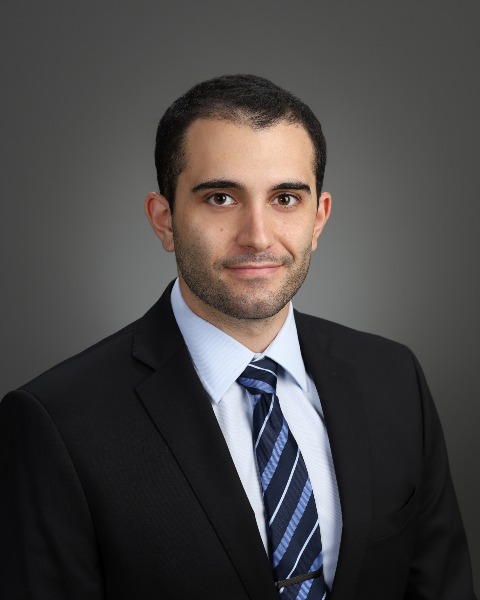
Project Title: Advancements in Negative Pressure Ventilation Ex Vivo Lung Perfusion and Lung Transplantation
Co-Supervisors: Dr. Jayan Nagendran
Summary of Research:
Lung transplantation remains the definitive treatment option for patients with end-stage lung disease, although the current supply of donor organs does not meet the demand with an ever-growing wait list for lung transplantation which carries a wait list mortality of 15-20%. Ex vivo lung perfusion (EVLP) systems have prolonged organ preservation times and provide the ability to recover marginal donor lungs, allowing for transplantation.
While EVLP is an emerging technology with regular advancements, several areas are under-investigated or poorly understood. Current lung preservation solutions have been largely unchanged over the past 4 decades with low potassium dextran continuing to be the solution of choice for lung preservation. Ischemia-reperfusion injury continues to limit lung preservation times and lung transplantation outcomes.
The maximum feasible duration of EVLP has yet to be established, being utilized for up to 24 hours although inconsistently at this duration. Addressing the current limitation in lung preservation and EVLP protocols allowing for improved graft function and longer preservation times would facilitate treatment and recovery of marginal donor lungs and longer transport, improving organ sharing and optimal donor-to-recipient matching.