Biomedical Engineering Research Day

Biomedical Engineering Research Day is an annual event that highlights groundbreaking research, encourages collaboration, and celebrates innovation in biomedical engineering. It provides a platform to showcase advancements, foster interdisciplinary connections, recognize excellence, and inspire the next generation of biomedical engineers through the sharing of impactful research.
Date: May 7, 2026
Location: 8th floor, Donadeo Innovation Centre for Engineering
Event Program
8 - 8:50 a.m.
Breakfast, registration and poster setup
8:50 - 9 a.m.
Welcoming remarks
-
- Svetlana Komarova
Department Chair, Department of Biomedical Engineering
- Svetlana Komarova
Core 1: Bionics
Session moderator: Albert Vette
9 - 9: 15 a.m.
Keynote speech
Title: Optimizing interfaces for bionic prosthetic limbs
Jacqueline Hebert, Professor, Department of Medicine - Physical Medicine and Rehabilitation
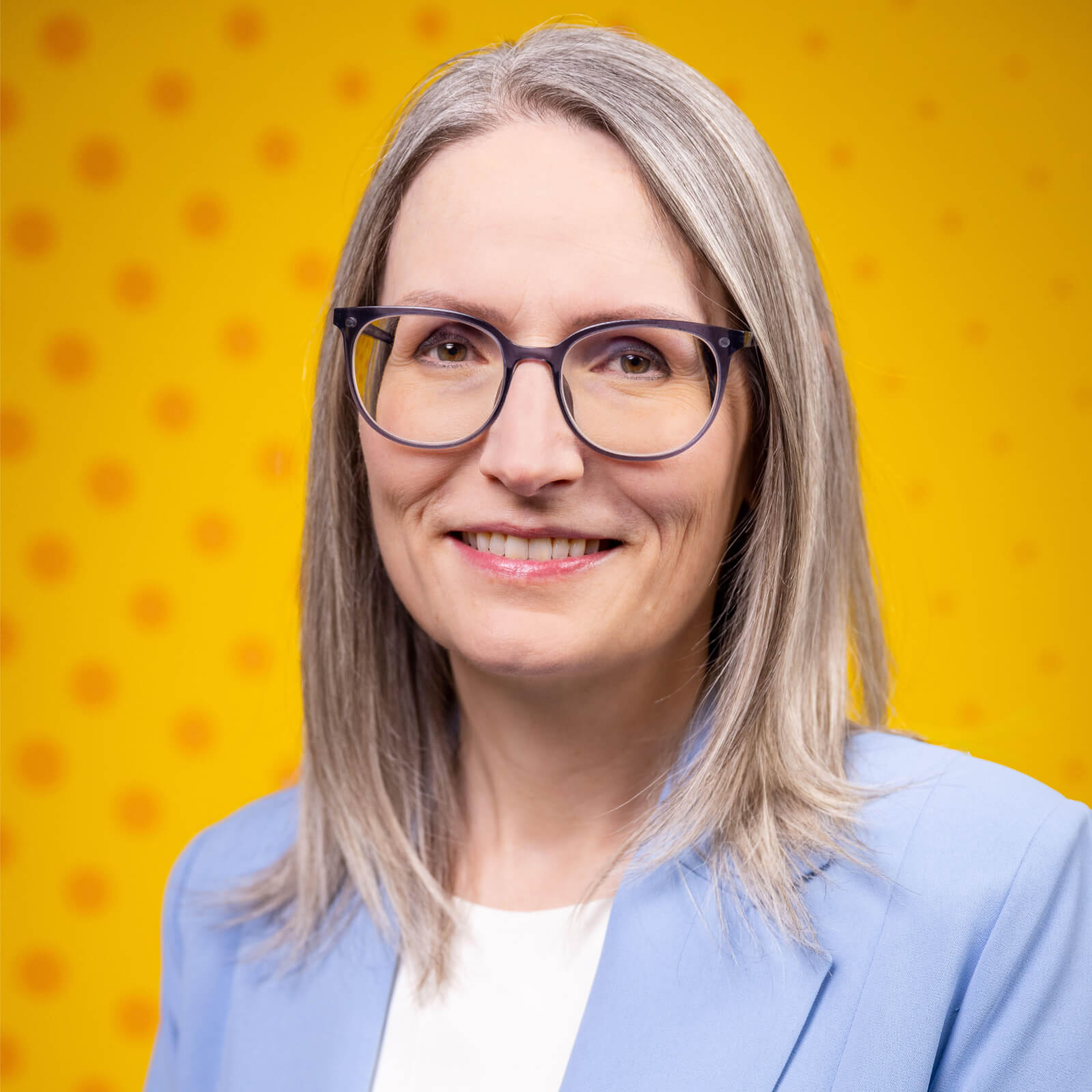
Jacqueline Hebert is a professor at the University of Alberta and a physiatrist with the Adult Amputation Rehabilitation program at the Glenrose Rehabilitation Hospital in Edmonton. As a clinical investigator, her goal is to facilitate the implementation of rehabilitation technology to maximize function and quality of life after amputation, and to create a sound evidence base to assist with clinical decision making. She leads the Bionic Limbs for Improved Natural Control (BLINC) Lab at the University of Alberta, an interdisciplinary lab exploring sensory-motor integration for advanced prosthesis systems and the use of technology for training and measurement of outcomes.
Hebert was instrumental in starting the first program for Targeted Reinnervation for upper limb amputation in Canada, and the Alberta Limb Osseointegration multi-disciplinary team providing Bone-Anchored Prostheses for limb amputation. She has been recognized for her innovative research and clinical programs with the Major Sir Frederick Banting Award for Military Health Research in 2012, a 2017 University of Alberta Excellence in Leadership Award, celebrating her ability to lead an effective interdisciplinary research team, and a 2019 Tier I Clinical Science Award for Excellence in Mentoring.
9:15 - 9:45 a.m.
Student presentations
Atoosa Ayazbakhsh Ziyabari - Honing in on the Optimal Challenge in Upper Limb Exergames: An Intelligent Two-Layer Dynamic Difficulty Adjustment Framework
Anakin Gill - Grasping Robot for Assessing Sensorimotor Performance (GRASP) for skilled forelimb motor rehabilitation and testing in preclinical animal models.
Anna Rita Moukarzel - The Characterization of Prosthesis Movement Between Performance Assessments and At-Home Usage: A Case Study
Delaney MacIntosh - Comparison of Modal and Implicit Dynamic Finite Element Analyses of a Transhumeral Osseointegration System for Vibration-Based Implant Stability Assessment
Core 2: Biomechanics
Session moderator: Lauren Welte
9:45 - 10:00 a.m.
Keynote speech
Title: Cranial Suture Mechanobiology: Understanding the Link Between Mechanics and Biological Adaptations
Dan Romanyk, Associate Professor, Departments of Biomedical Engineering and Mechanical Engineering
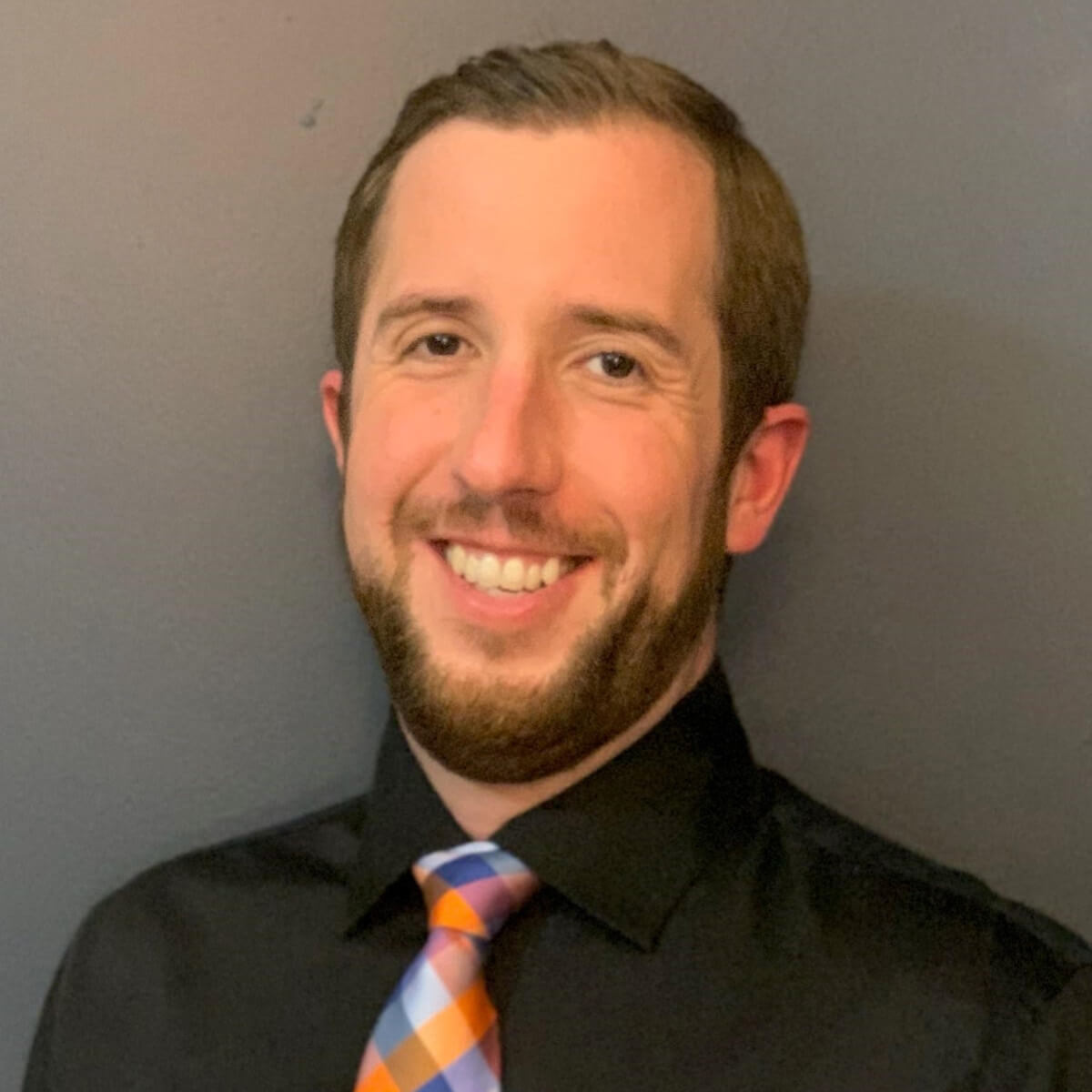
Dan Romanyk is an Associate Professor in Mechanical Engineering, cross-appointed in Biomedical Engineering, and holds an Adjunct appointment in the Mike Petryk School of Dentistry at the University of Alberta. He received his BSc (2008) and PhD (2014) in mechanical engineering from the University of Alberta before completing a postdoctoral fellowship in the Mike Petryk School of Dentistry. Outside of academia, Romanyk coached hockey for over 14 years and enjoys getting out to golf and ski.
Romanyk's research team, The Craniofacial Biomechanics and Biomaterials Research Group (CBBRG), focuses on investigating the biomechanics, responses, and applications of craniofacial structures in a broad effort to refine clinical applications. Primary topics of interest include natural biomaterials (cranial sutures, periodontal ligament, and bone), orthodontic biomechanics, and synthetic dental restorative materials. Romanyk's group utilizes a combined approach through numerical modelling and experimental methods to investigate relevant problems pertaining to mechanobiology and clinical interventions in the craniofacial region.
10 - 10:30 a.m.
Student presentations
Emad Ghazizzdeh - Mesoscale Simulation of Sheet-to-Tubule Transformation in the Endoplasmic Reticulum by Curvature-Promoting Proteins
Mariia Mielkozorova - Reaction-Diffusion Modeling of OPG-Mediated Modulation of RANKL Gradients in Cell Migration Assays
Izhan Khan - Phase-Specific Force Time Metrics from Dual Force-Plate Countermovement Jump Testing Following ACL Reconstruction at 6 months
Ali Begdeli - Design Optimization of NiO Electrodes Fabricated by Glancing Angle Deposition for Glucose Sensing
10:30 - 10:45 a.m.
Break
Industry Panel | Health Innovation in Action: Turning Ideas into Impact
10:45 - 11:45 a.m.
Panel Discussion
Industry Panelists
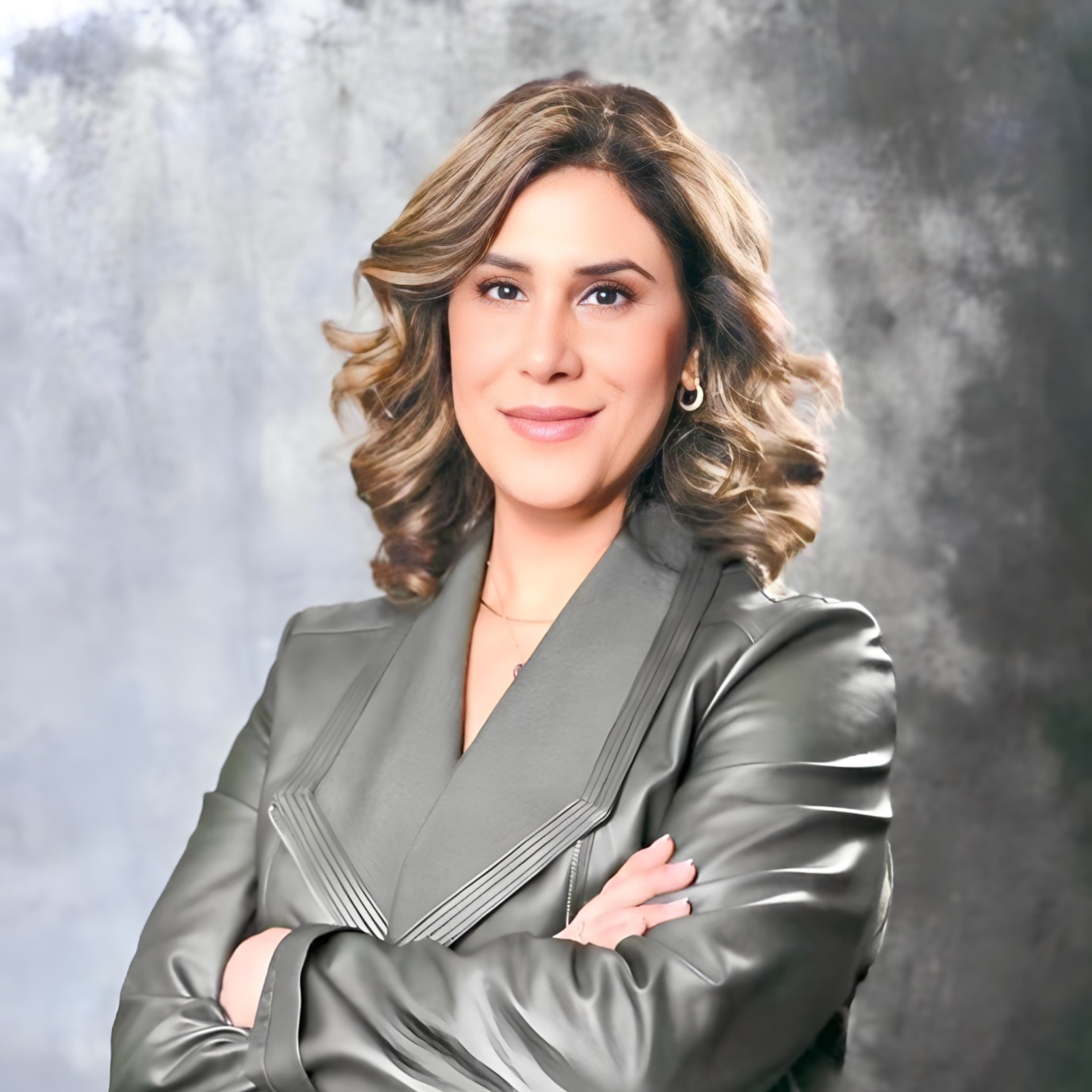
Hilal Gul, PhD - Moderator
Industrial Professor, Biomedical Engineering
Founder & CEO, MyStemBiotech
Co-Founder & CEO, Colustra
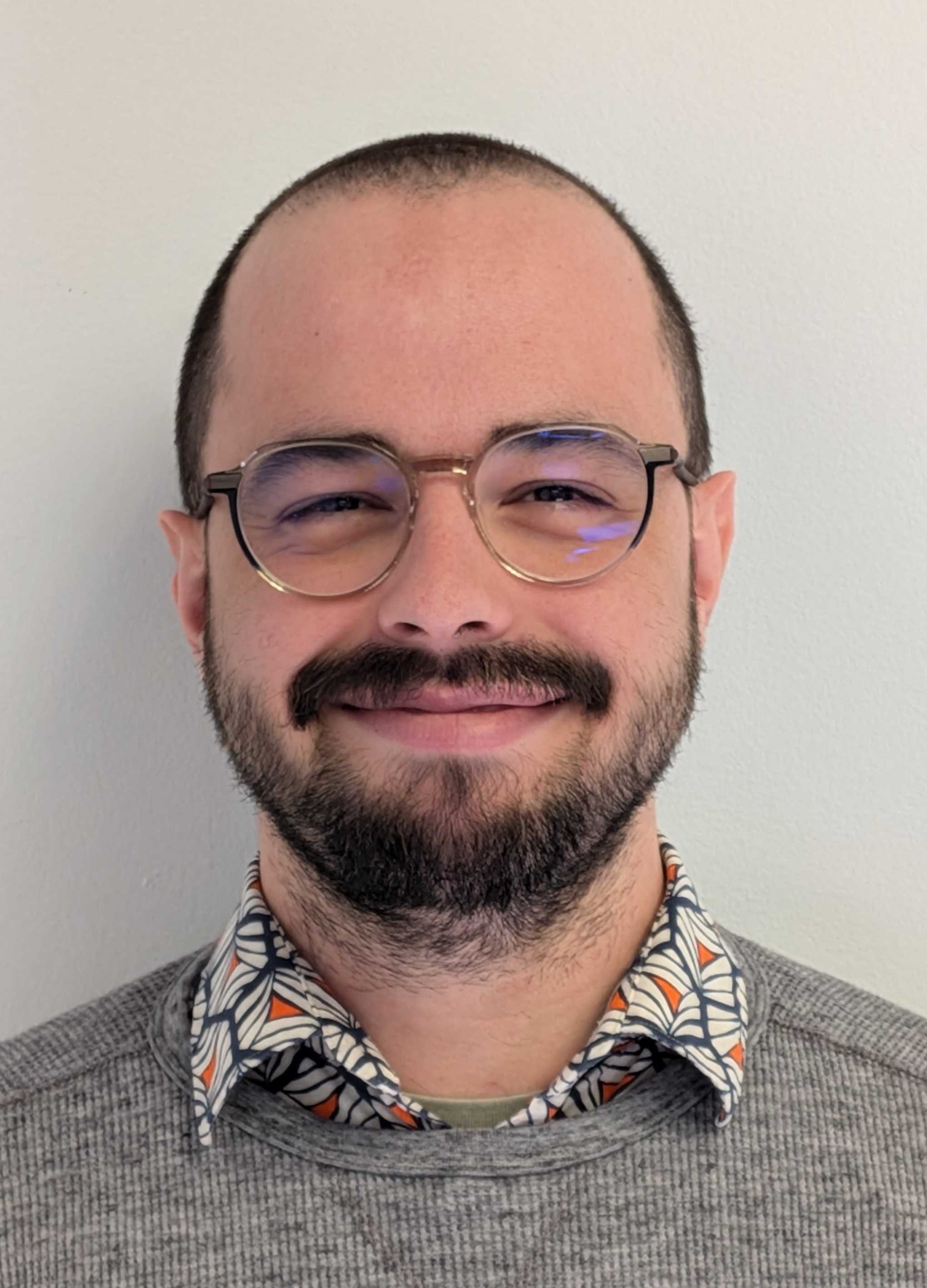
Chris Sedgwick
Sr. Product Development Engineer, Bennu Product Development
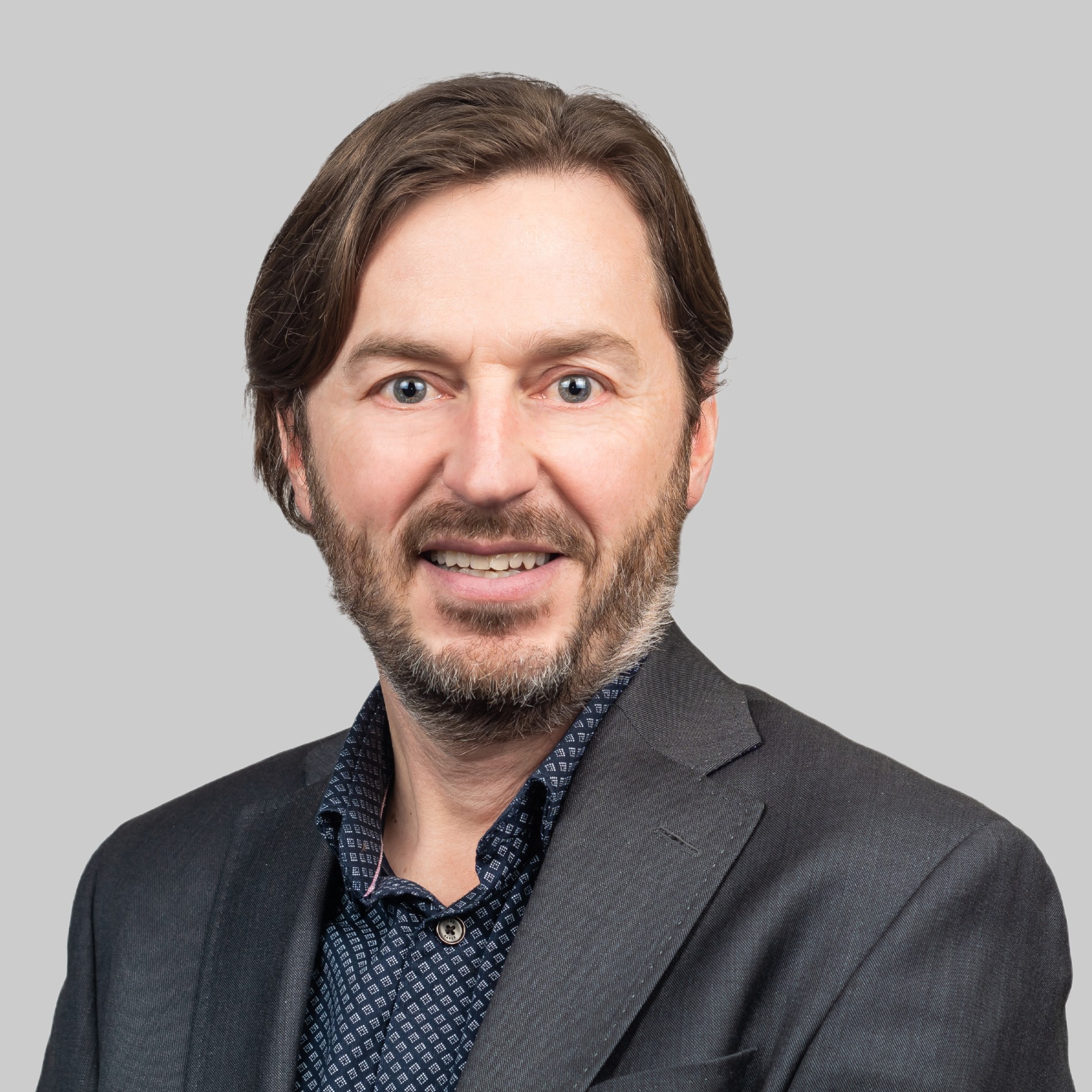
Colin Coros,PhD, MBA, ICD.D
Chief Commercialization Officer, Nanostics
President, Helios Genomics
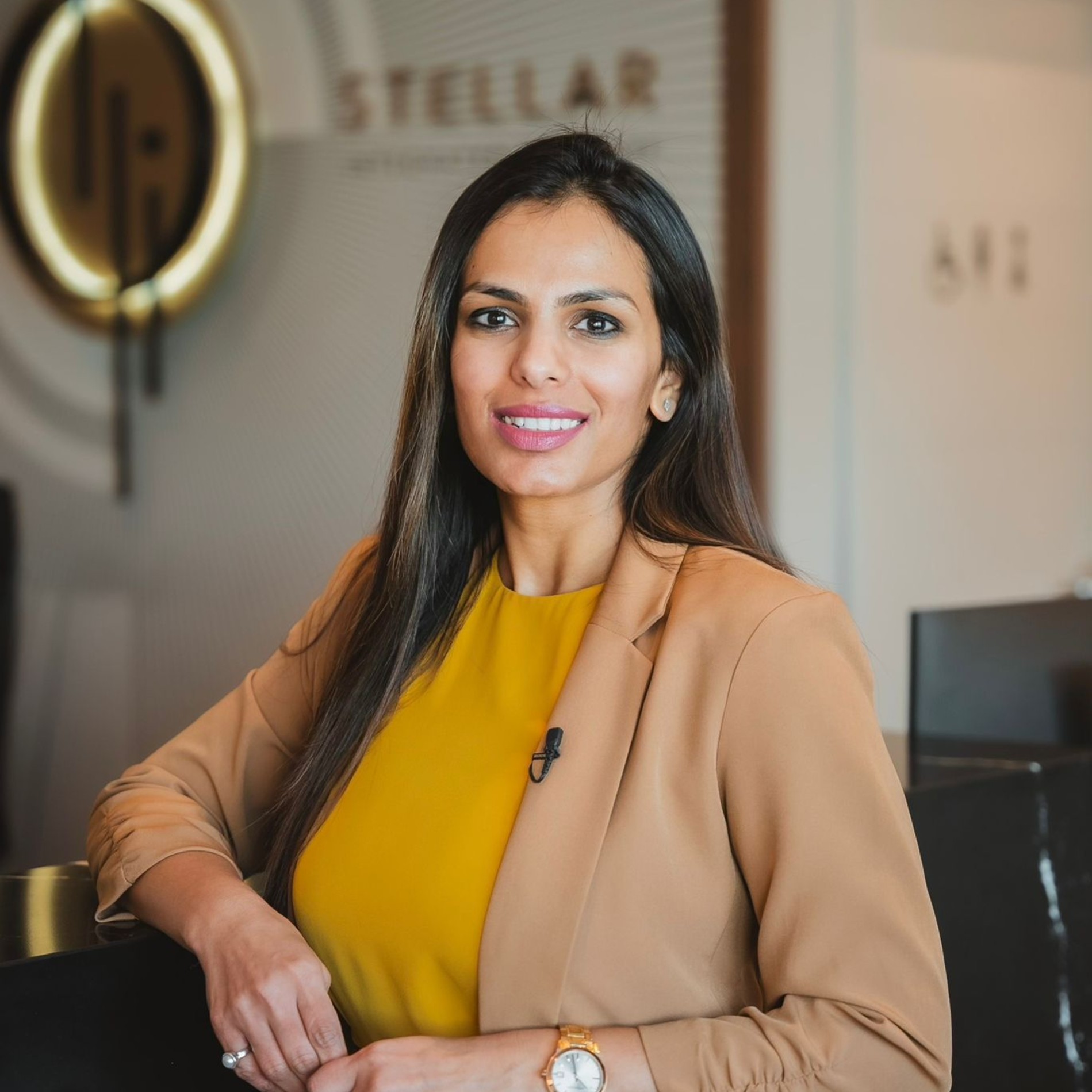
Dr. Miral Mehta, MD
Founder & CEO, Stellar Integrated Eye Care
Co-Founder & CEO, ATOM Health
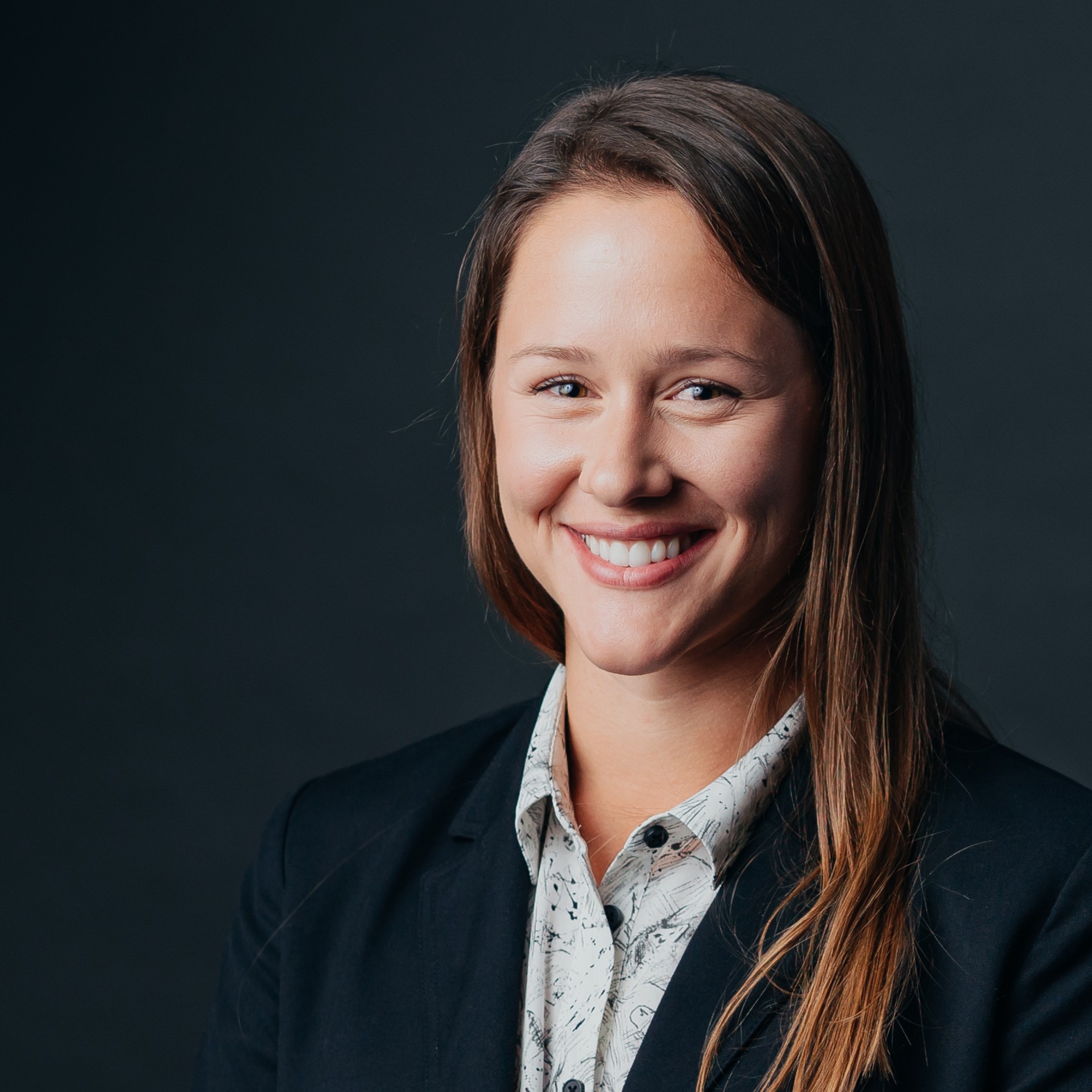
Hillary Sweet, PhD
Founder & CEO, SN Biomedical
11:45 - 12:45 p.m.
Networking Lunch
12:45 - 2 p.m.
Student poster presentations
Core 3: Precision Health Design
Session moderator: Marya Ahmed
2 - 2:15 p.m.
Keynote speech
Title: An AI Platform for Modeling Protein–Protein Interactions in Drug Discovery
Maral Aminpour, Assistant Professor, Department of Biomedical Engineering
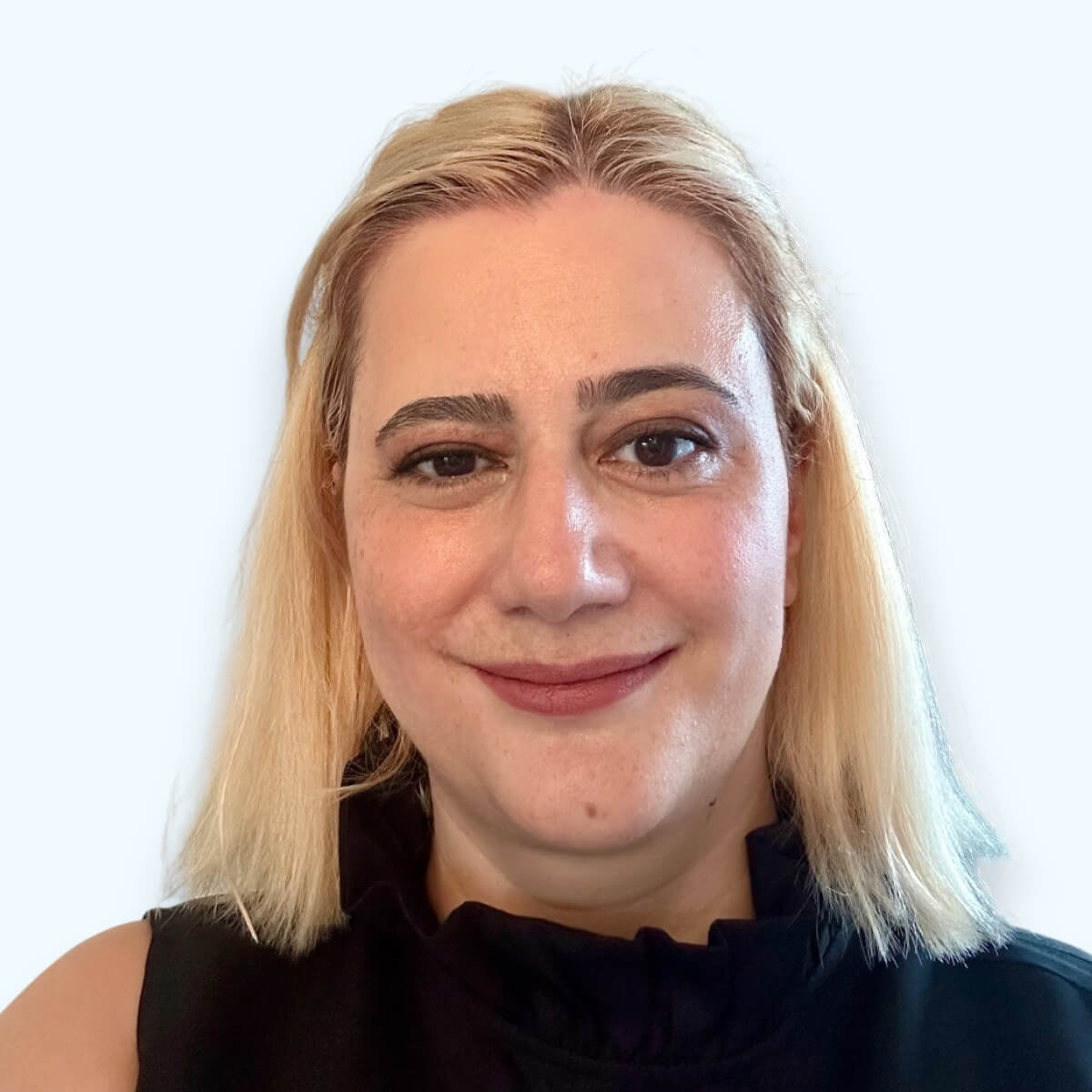
Maral Aminpour is an Assistant Professor in the Department of Biomedical Engineering at the University of Alberta, with an adjunct appointment in the Faculty of Pharmacy and Pharmaceutical Sciences. She received her PhD in physics in the United States and subsequently pursued postdoctoral training in chemical and materials engineering, oncology, and physics before joining biomedical engineering. This trajectory has given her a strongly interdisciplinary background spanning computational science, molecular biophysics, and biomedical applications.
Her research focuses on computational biophysics and AI-driven drug discovery, with an emphasis on physics-informed machine learning methods for modeling biomolecular interactions. Her work addresses problems in rational drug design, molecule optimization, and translational applications, including studies related to cancer therapeutics, Alzheimer’s disease, and drug repurposing. She also develops computational approaches for patient stratification and toxicity assessment to improve the translational success of candidate drugs.
Aminpour’s group develops ProteinScanner, an AI-based software platform for analyzing protein–ligand and protein–protein interactions, building on her earlier work on protein surface geometry and molecular recognition. Her research combines methodological development with close integration of experimental feedback and collaborations across engineering, medicine, and pharmaceutical sciences
2:15 - 2:45 p.m.
Student presentations
Utkarsh Kalra - A Computational Framework for Predicting Protein–RNA Binding Affinity Using Structural Interaction Features and Deep Learning
Stephani Da Costa - AI-Driven Framework for Vaccine Evaluation: Accelerating Alberta's Role in Pandemic Preparedness through Data Science
Arushi Tandon - Development of Nanocrystalline silver-based therapeutic for targeted pulmonary treatment
Jordan Harrison - Targeting The Untargetable: Computational PROTAC Design For Non-Traditional Disease Targets
2:45 -3 p.m.
Break
Core 4: Imaging
Session moderator: Alan Wilman
3 - 3:15 p.m.
Keynote speech
Title: Understanding the Mechanisms of Reduced Exercise Capacity - Development and Application of Novel MRI Methods
Richard Thompson, Professor, Departments of Biomedical Engineering and Medicine

Richard Thompson is a professor in the Departments of Radiology and Diagnostic Imaging and Biomedical Engineering at the University of Alberta. He received his BSc in engineering physics and PhD in biomedical engineering from the University of Alberta, followed by a PostDoctoral Fellowship at the National Institutes of Health, in Bethesda, Maryland.
Thompson’s research program focuses on the development and translation of magnetic resonance imaging (MRI) methods that target unresolved challenges in physiology and clinical medicine, with a focus on innovation from first principles. Targeted areas include imaging of fibrosis, adipose tissue (fat), structure and function of the heart, blood flow, oxygen consumption, muscle structure and function, lung structure and function and exercise MRI. He collaborates with numerous clinical and basic science groups and with industry, translating new methods to a wide international audience
3:15 - 3:45 p.m.
Student presentations
Cameron Scott - Preliminary Investigation into Optimizing Injection Molding Techniques for a Novel Universal Talus Bone Implant
Mariam Ezzat - Region-Specific Prediction of Cobb Angle Using Surface Topography in Adolescent Idiopathic Scoliosis
Tereza Assuncao - Analyzing the suitability of susceptibility source separation for identifying amyotrophic lateral sclerosis biomarkers
Lev Sushanek - Simulated space radiation induced bone loss in rodents: a systematic review and metaanalysis
Panel discussion and Closing
3:45 - 4:45 p.m.
Panel Discussion
Title: Failure in research: learning from failure, tolerance for risk, and the assumptions we make as researchers
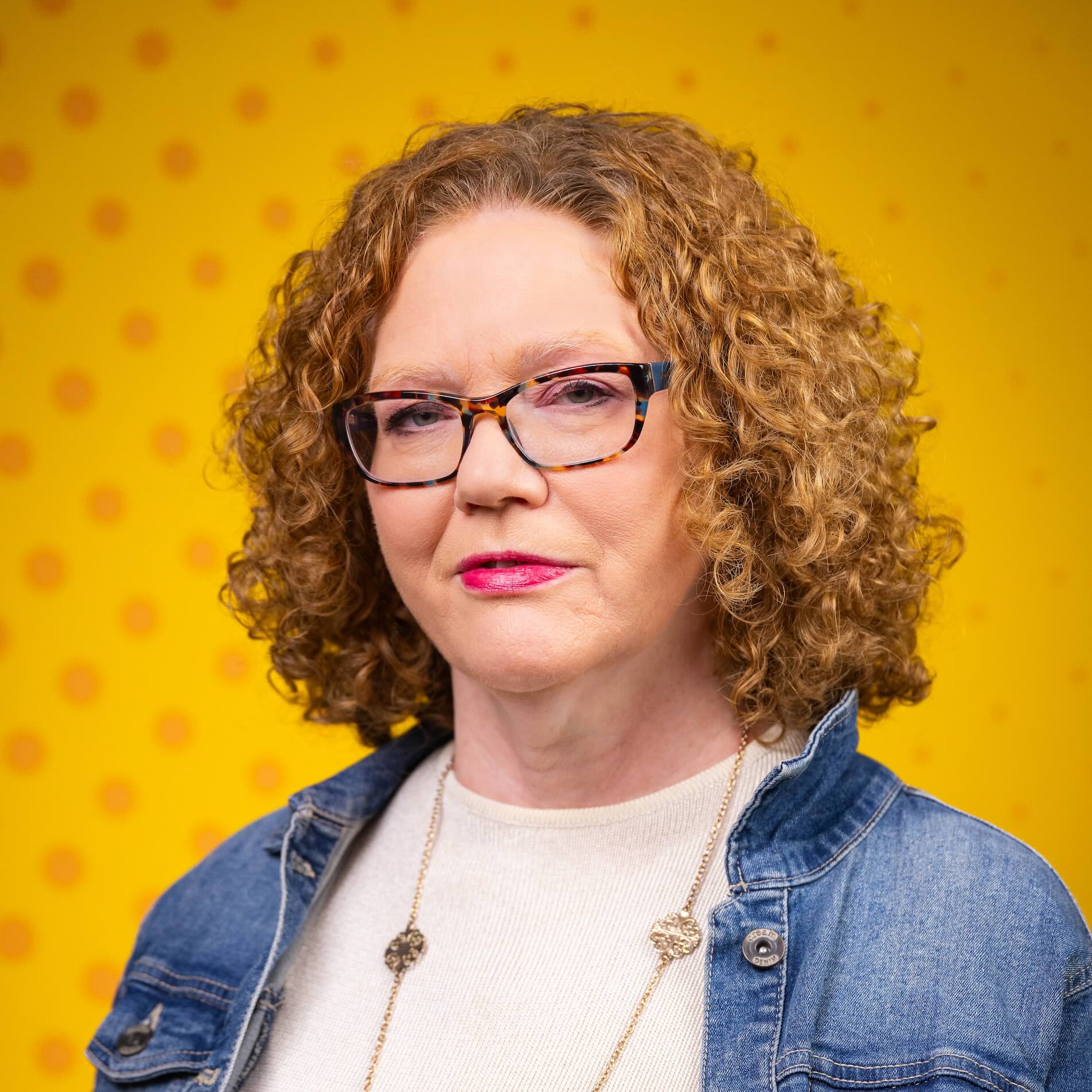
Marilee Stephens - Moderator
Assistant Lecturer, Biomedical Engineering
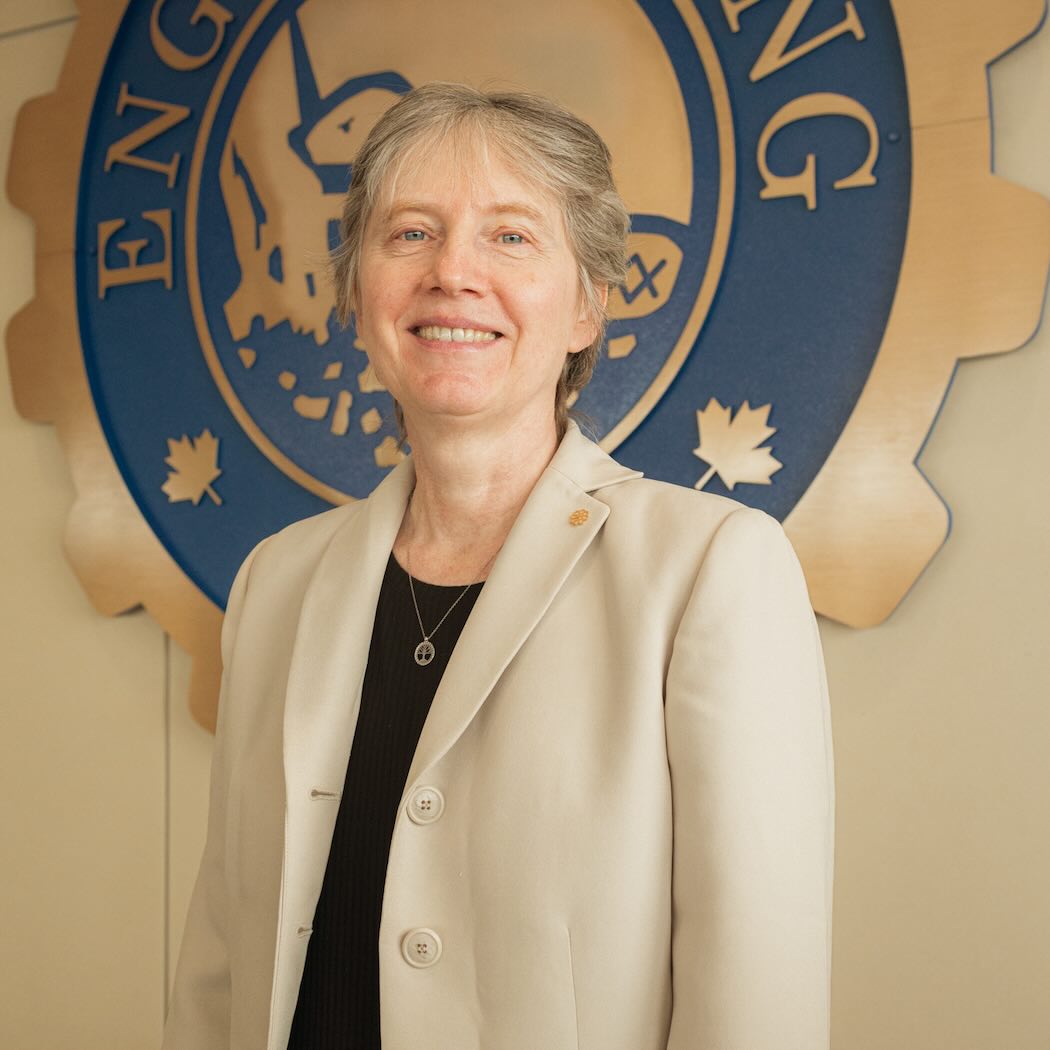
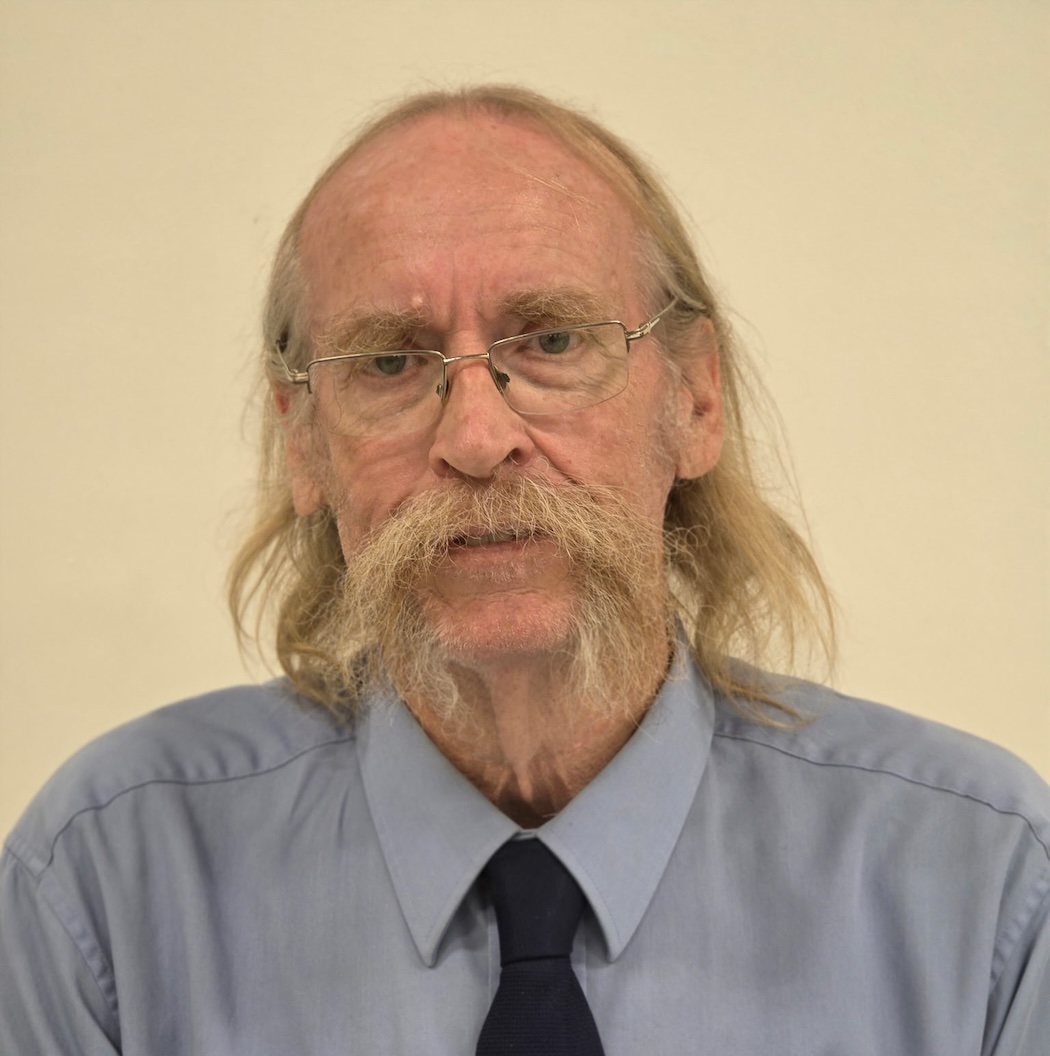
Robert Burrell
Professor of Biomedical Engineering
4:45 - 5 p.m.
Closing Remarks and Awards
Networking hour
5 - 6 p.m.
Opportunity for attendees to network and discuss