Speakers Series
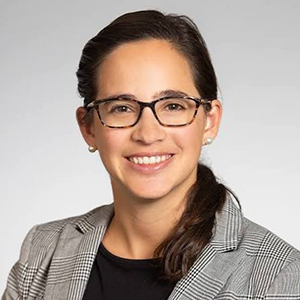
Dr. Gabriela Kirk-Werner, Syracuse University
Date: Friday, September 25, 2026Time: 12:30 - 1:30 pm MT
https://ualberta-ca.zoom.us/j/94264791734
Title: "No Such Thing as Release: Ghost Criminology and Electronic Monitoring Across the Criminal Legal and Immigration Systems"
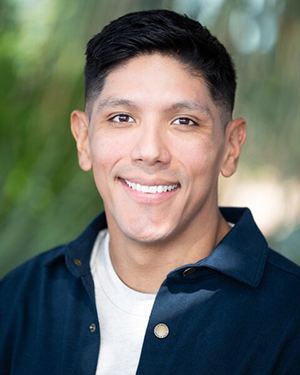
Dr. Michael Sierra-Arévalo, University of Texas
Date: Thursday, October 22, 2026Time: 12:30 - 1:30 pm MT
https://ualberta-ca.zoom.us/j/97669904838
Title: Police Stop Intensity and Legitimacy in Los Angeles
Abstract: Police reform rooted in procedural justice targets the content of officers' communication rather than enforcement outcomes. These reforms are based on evidence that citizen perceptions of police legitimacy are more strongly affected by officers' adherence to procedural fairness than their ultimate enforcement decisions. However, this evidence rests on a narrow operationalization of citizen outcomes defined as arrests or citations, overlooking a wide range of intrusive actions shown to affect citizens' perceptions of police but rarely recorded in administrative police data. We reevaluate the assumed primacy of officer communication over citizen outcomes using detailed annotations of more than 1,500 body-worn camera recordings covering 917 Los Angeles Police Department traffic stops. We construct a stop-level measure of procedural justice and compare it to a new measure of stop intensity: the cumulative intrusiveness of discretionary officer action within an interaction. We show that Black and Hispanic drivers experience substantially more intense stops than White drivers; this gap persists after conditioning on stop context and citizens' escalatory behavior during a stop. We also show, counter to prevailing wisdom, that stop intensity predicts perceived legitimacy as strongly as procedural justice. Our findings underscore the utility of expanding currently narrow measures of citizen outcomes in the assessment of police-citizen interactions, and that reforms intended to enhance police legitimacy should also address intrusive police behavior rarely captured in administrative enforcement data.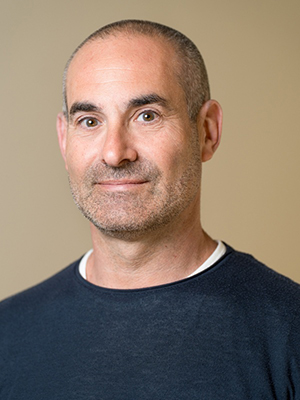
Dr. Ben Crewe, University of Cambridge
Date: November 27, 2026Time: 12:30 - 1:30 pm MT
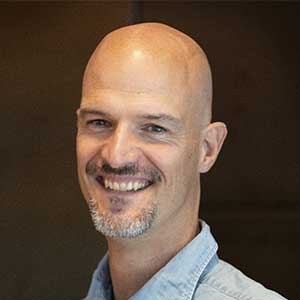
Dr. Sébastien Tutenges, Aurhus University
Date: January 29, 2027Time: 12:30 - 1:30 pm MT
Title: Why We Get High Together
For two decades, Sébastien Tutenges has conducted ethnographic research in bars, nightclubs, festivals, drug dens, nightlife resorts, and underground dance parties in a quest to answer a fundamental question: Why do people across cultures gather regularly to intoxicate themselves? In this talk, he argues that the primary aim of group intoxication is the religious experience that Durkheim calls collective effervescence, the essence of which is a sense of connecting with other people and being part of a larger whole. This experience is empowering and emboldening and may lead to crime and deviance, but it is at the same time vital to our humanity because it strengthens social bonds and solidarity. In developing this argument, Sébastien will present a new definition of collective effervescence, propose a typology of its varieties, and discuss the ways commercial forces amplify and capitalize on this universal human drive.
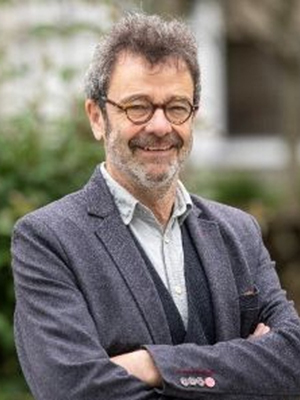
Dr. Manuel Eisner, University of Cambridge
Date: February 26, 2027Time: 12:30 - 1:30 pm MT
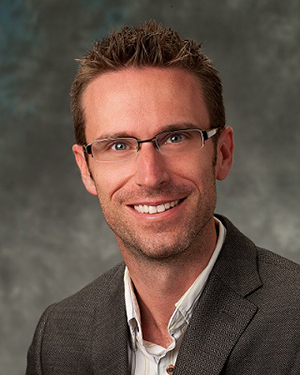
Dr. Christopher O'Conner, Ontario Tech University
Date: March 19, 2027Time: 12:30 - 1:30 pm MT
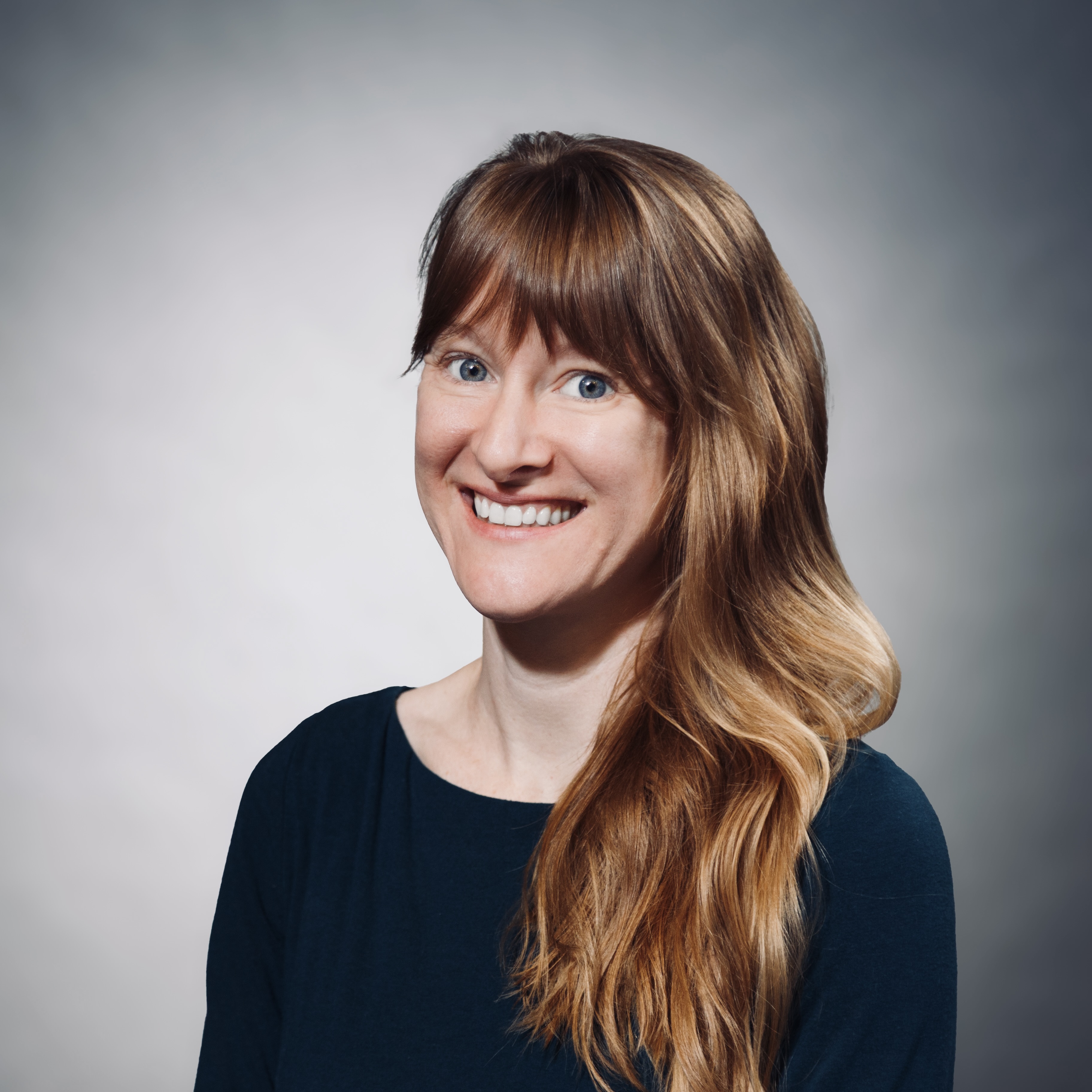
Dr. Mary Ellen Stitt, University at Albany
Date: April 30, 2027Time: 12:30 - 1:30 pm MT
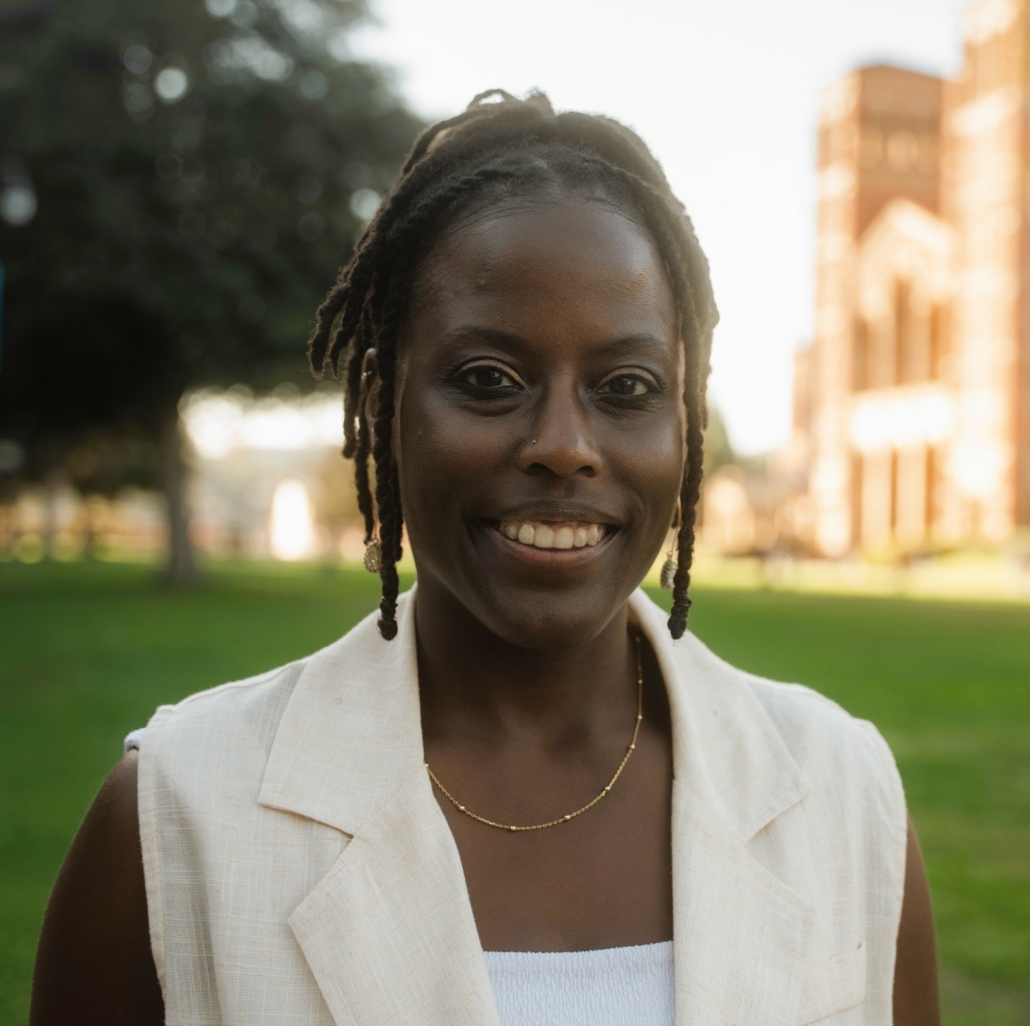
Dr. Faith Deckard, UCLA
Date: May 28, 2027Time: 12:30 - 1:30 pm MT