Ukrainian Oral History Association marks 20th anniversary with "Testimony Across History" conference in Uzhhorod, Ukraine
26 August 2026
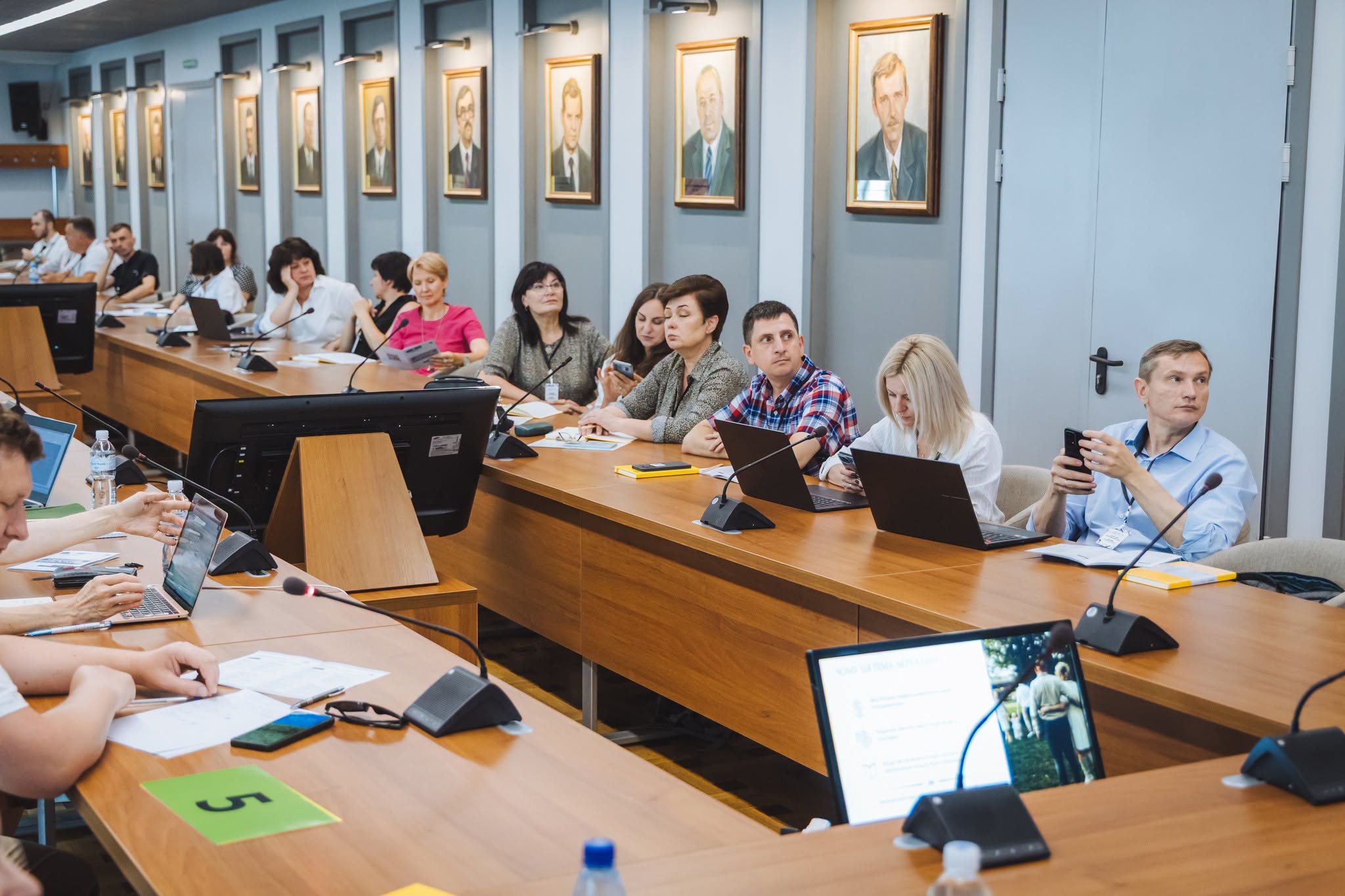
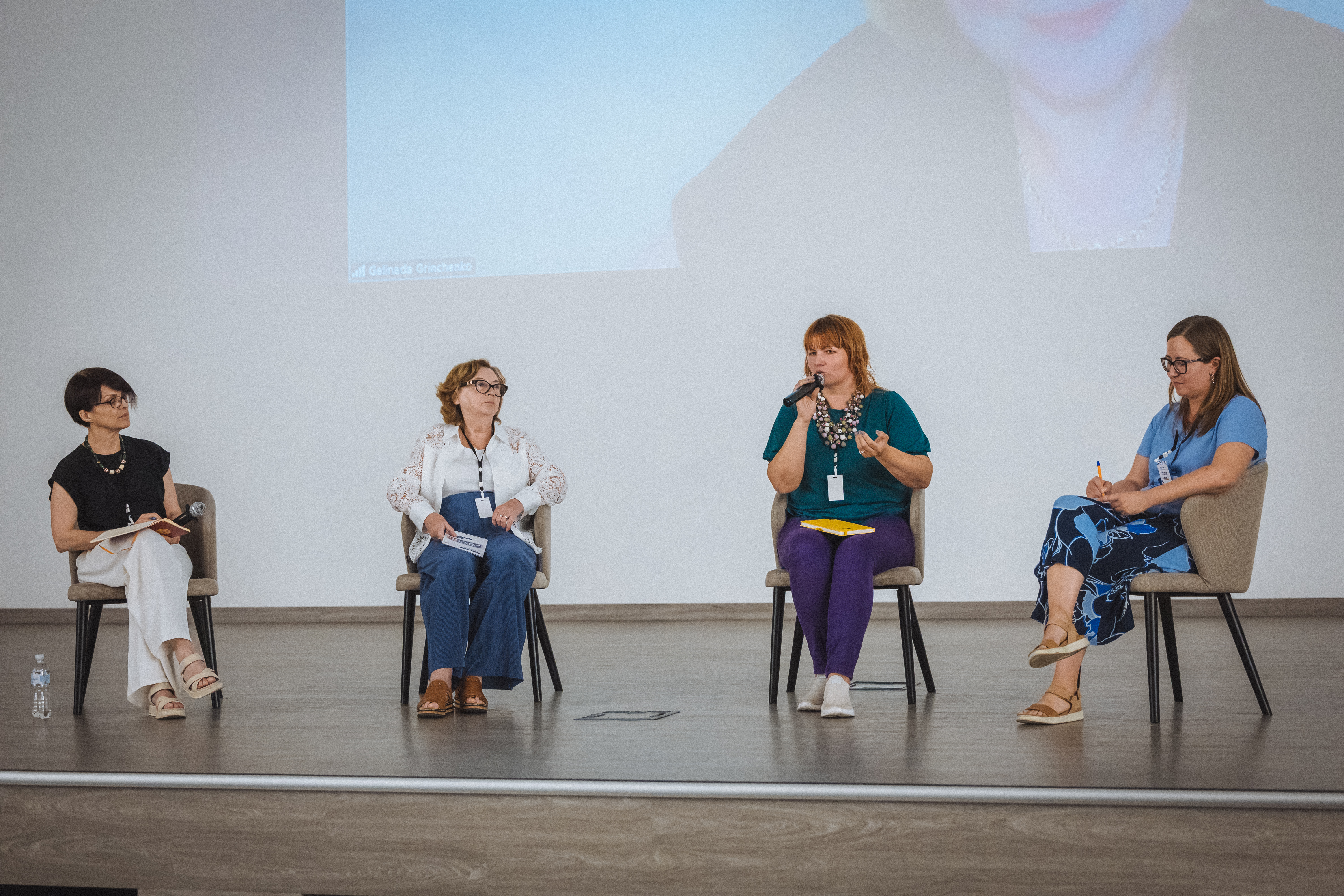
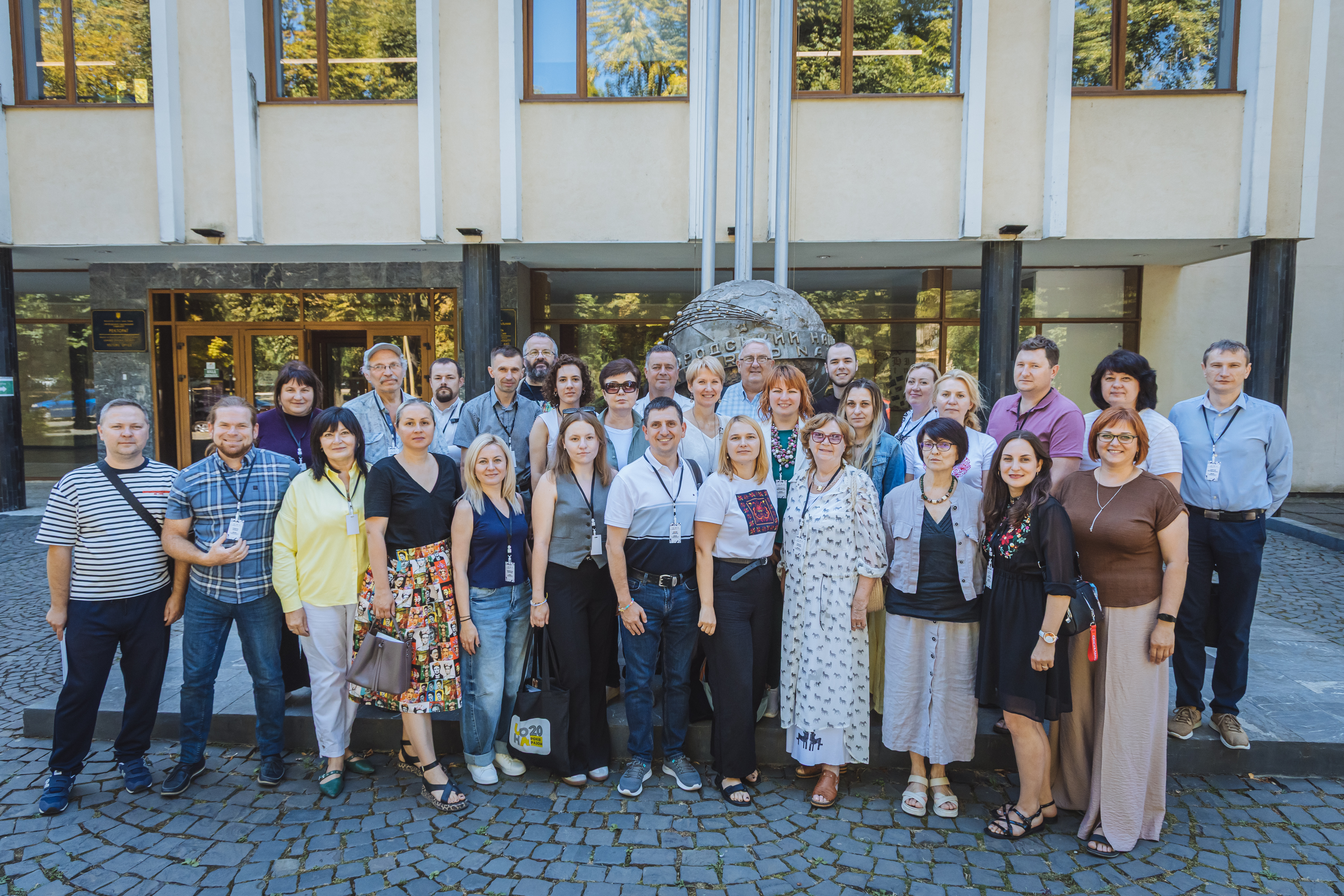
On 10–12 August 2026, scholars from across Ukraine and abroad gathered in Uzhhorod, Ukraine, for the international conference "Testimony Across History," marking the 20th anniversary of the Українська Асоціація Усної Історії / Ukrainian Oral History Association. Held with the support of CIUS, the event brought together researchers to reflect on the evolution of oral history in Ukraine and its growing importance in documenting the country's past and present.
Participants were invited to look back on two decades of oral history scholarship in Ukraine, tracing the development of the field, its methodological debates, and its expanding role in historical research. At the same time, it addressed the profound challenges posed by Russia's full-scale invasion, exploring how oral testimony is helping to document the war, displacement, trauma, resilience, and everyday life while events are still unfolding.
Keynote lectures by UOHA co-chairs Natalia Khanenko-Friesen and Gelinada Grinchenko reflected on the intellectual development of oral history in Ukraine and the ethical responsibilities of researchers who work with personal testimonies. Throughout the conference, participants discussed a wide range of topics, including military and civilian experiences of war, forced migration, memory of the Holodomor, the Holocaust, and Chornobyl, late Soviet society, archives and digital preservation, oral history methodology, and the role of silence as a historical source.
The conference also honoured the memory of the oral historian Alina Doboszewska, whose scholarship and dedication left a lasting mark on Ukraine's oral history community.
As UOHA celebrates its twentieth anniversary, "Testimony Across History" demonstrated the vitality of oral history in Ukraine and its continued relevance in times of war. More than a method of studying the past, oral history has become an essential way of preserving lived experience, fostering critical reflection, and contributing to the future of historical knowledge. As Natalia Khanenko-Friesen noted in her address, "For Ukraine today, oral history is no longer merely a disciplinary practice—it has become a factor in national survival."
We congratulate the Ukrainian Oral History Association on this important milestone and thank everyone who contributed to three days of inspiring conversations and scholarly exchange.