Convocation 2025: Colin Norrish
Donna McKinnon - 19 November 2025
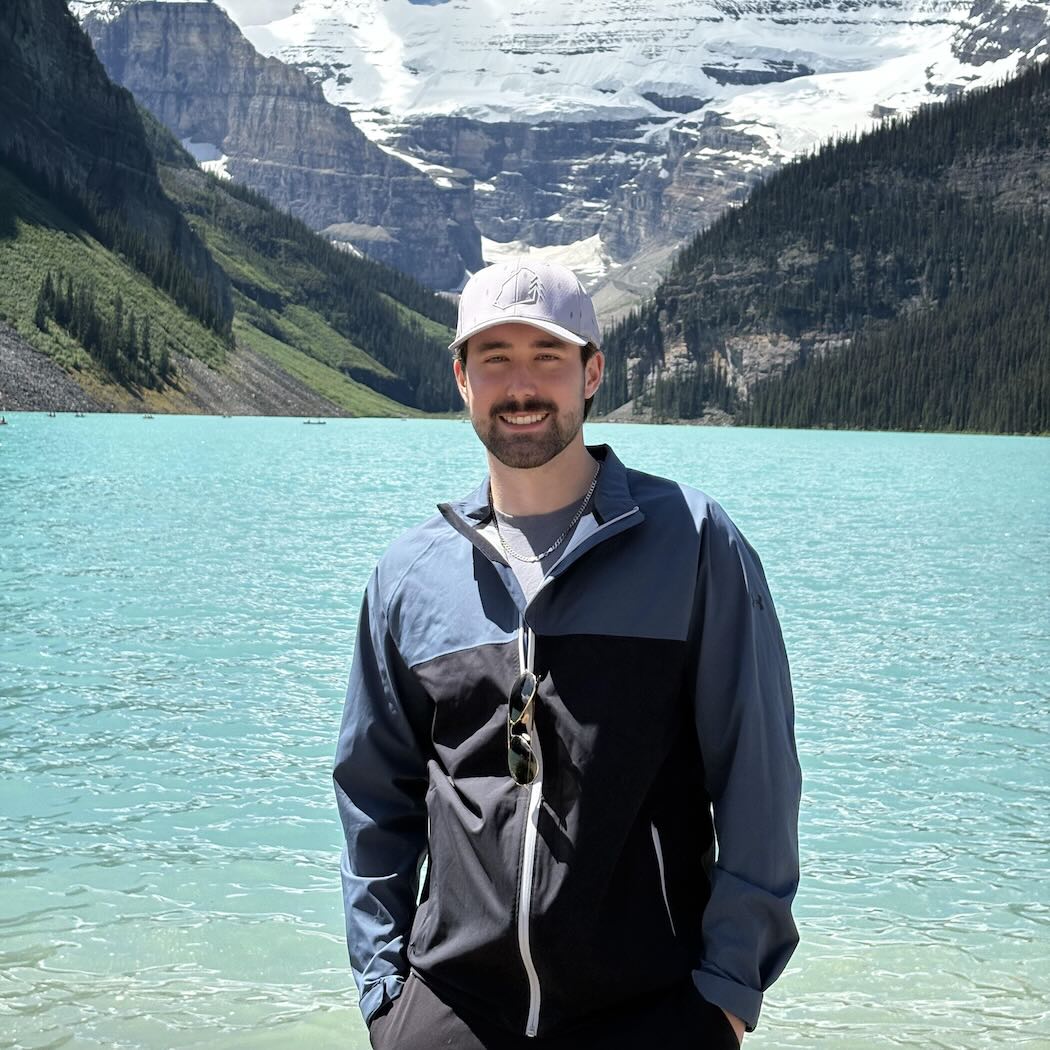
Colin Norrish (Photo: supplied)
A life-long love of sport, especially as it relates to human health and movement, was the catalyst that drew Colin Norrish to the U of A's kinesiology program, which aligned perfectly with his goals. He was excited by the prospect of exploring other areas of health sciences and learning from equally passionate instructors. Early in his program, however, Colin recognized that his drive for high academic performance was causing him to neglect other aspects of his life, prompting a reassessment of his priorities.
Alongside prioritizing relationships, taking on advocacy and volunteer roles in the community and within the university was the key to a more balanced life. One of his most meaningful experiences was his work with the Ispimihk Awâsisak program — an initiative dedicated to enhancing the health and well-being of Indigenous children, youth and their families.
“With them, I helped maintain a sensory tipi for neurodivergent children at powwows in Maskwacis,” says Colin. “These experiences taught me the importance of community involvement and advocacy in promoting inclusion and accessibility.”
The Ispimihk Awâsisak program had such a profound impact on Colin, he remains actively involved with it post-graduation, along with Make-A-Wish Canada.
Now enrolled in medical school at the U of A, Colin’s experiences as an undergraduate in the kinesiology program have converged, shaping his path toward a career as a physician focused on community-centred care.
Congratulations Colin!
What led you to choose this area of study, and why the U of A?
Growing up, I was always fascinated by the human body. That curiosity only grew during my time pursuing a career in athletics — experiences that deepened my appreciation for movement, performance and physical health. It was these experiences that inspired me to pursue a Bachelor of Kinesiology degree, where I could further my understanding of the human body, its systems, physiology and sport performance. I was drawn to the U of A in particular, not only because of its strong reputation but also for the chance to learn from passionate instructors and explore a wide variety of opportunities within the health sciences.
Tell us about your favourite professor and/or class.
My favourite classes were two biomechanics classes: KIN 206 - Biomechanics and KIN 306 - Quantitative Biomechanics of Human Movement. Both of these classes were taught by the same professor, Michael Chizewski, who went out of his way to inspire students with fun, engaging lectures that made you excited to learn about the physics of the human body.
Did you take on any leadership or volunteer roles while you were a student? If so, please share your experiences.
Yes! During my undergraduate degree, I was connected to the Ispimihk Awâsisak Program. With them, I helped maintain a sensory tipi for neurodivergent children at powwows in Maskwacis. These experiences taught me the importance of community involvement and advocacy in promoting inclusion and accessibility. I also led campus tours, sat on Q & A panels and was involved in university-affiliated clubs such as Music for Memory. Outside of school, I volunteer with Make-A-Wish Canada, gaining insight into the impact of small acts of support on individuals and families.
Did you face any significant challenges while you were a student, and if so, how did you respond?
One of the biggest challenges I faced early on was balancing my dedication to my academics with my life outside of school. I found myself caught up in the need to excel, leaving other aspects of my life behind. Taking some time to reflect on how I was feeling helped me realize the importance of maintaining balance and perspective. In particular, I learned to prioritize my relationships and mental health alongside my studies — and never to lose sight of living in the moment.
What advice do you have for current or future students?
The advice I would give to new or current students would be to never lose sight of what is important. University is a marathon, not a sprint, and these next few years could be some of the best of your life. Making it a positive experience starts with how you choose to prioritize your life in and out of school. You’re pursuing a degree in something that interests you, and you’re going to meet so many interesting people, some of whom may become lifelong friends. Undergrad is a truly special time — enjoy it!
How do you plan on celebrating convocation?
I plan to celebrate my convocation by spending time with my family and my partner and enjoying a memorable dinner together. It will undoubtedly be a special moment to have my family there for my convocation, including my grandfather, who is flying in from Vancouver to see me graduate! I’m especially looking forward to celebrating this achievement with the people who have been my biggest supporters along the way.
What's next after graduation?
After graduation, I plan to further my involvement in my community by continuing to work with programs like the Ispimihk Awâsisak program and Make-A-Wish Canada. Additionally, this past fall, I was admitted to medical school here at the U of A. So, after graduation, I will be continuing my pursuit of becoming a physician, striving to provide compassionate, community-centred care and to give back to the people and communities that have supported me along my journey.