A life that changed sport
Jennifer Fitzgerald - 4 February 2026
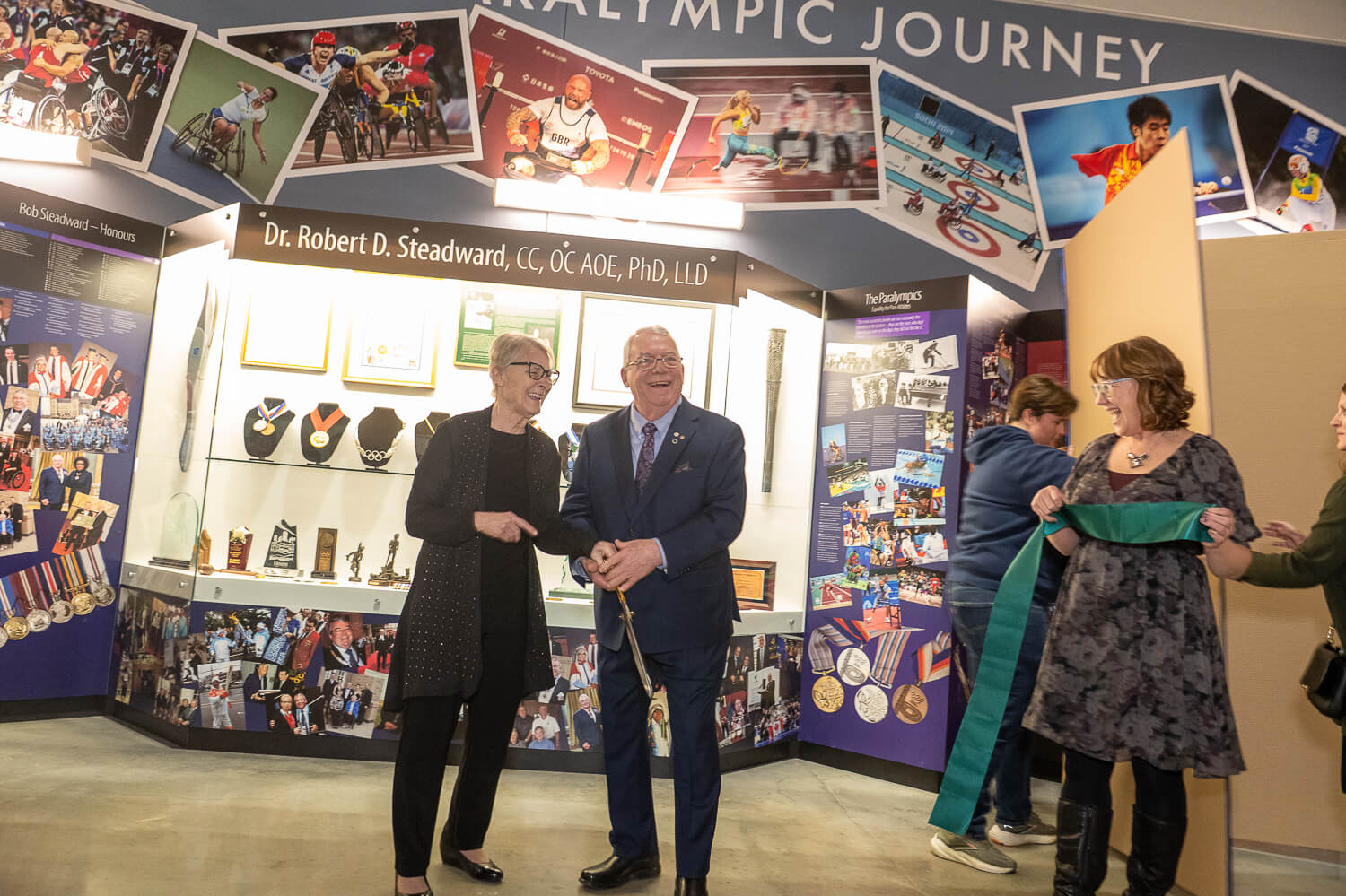
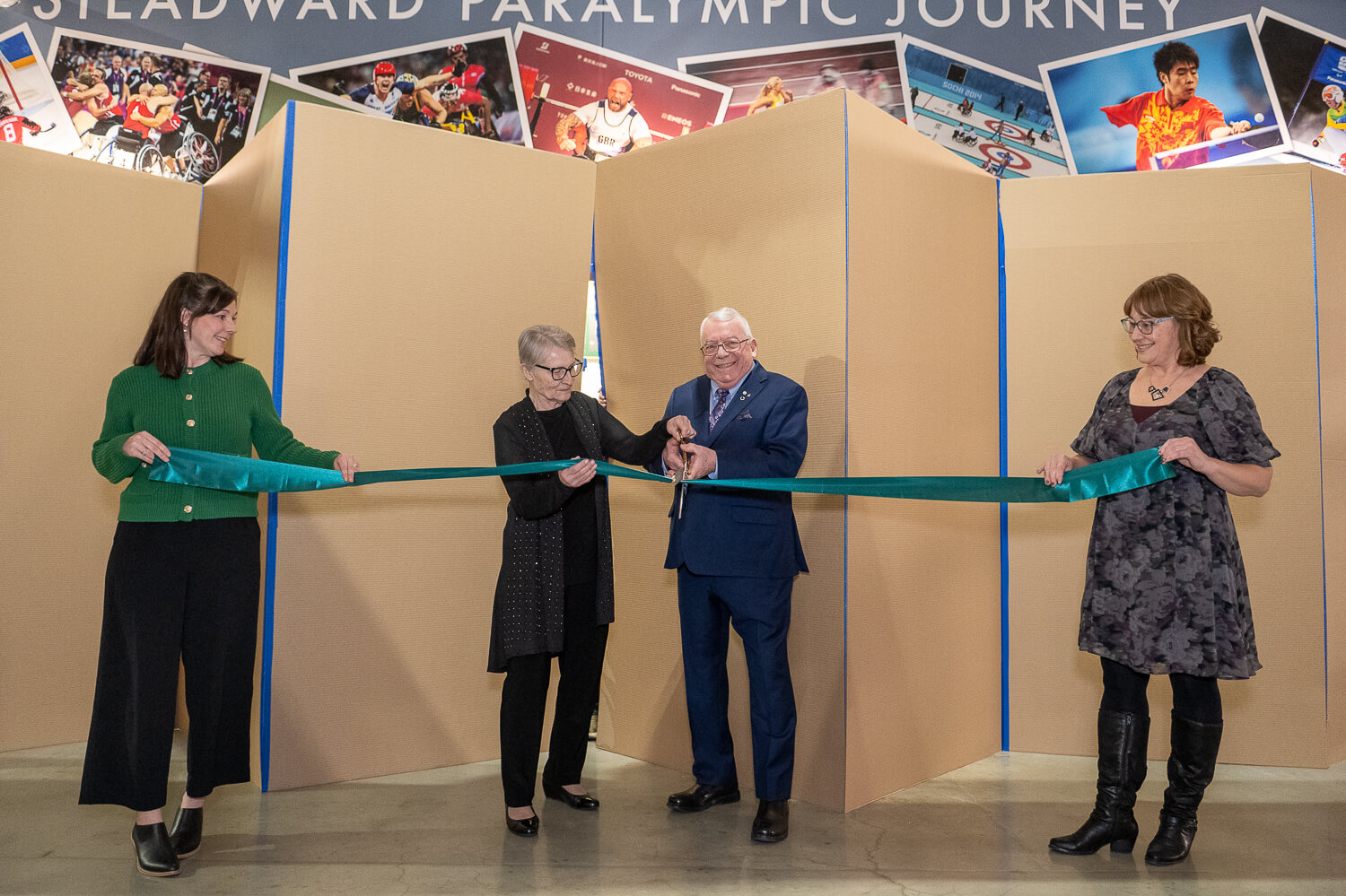
Bob Steadward and his wife, Laura, following the ribbon-cutting ceremony.
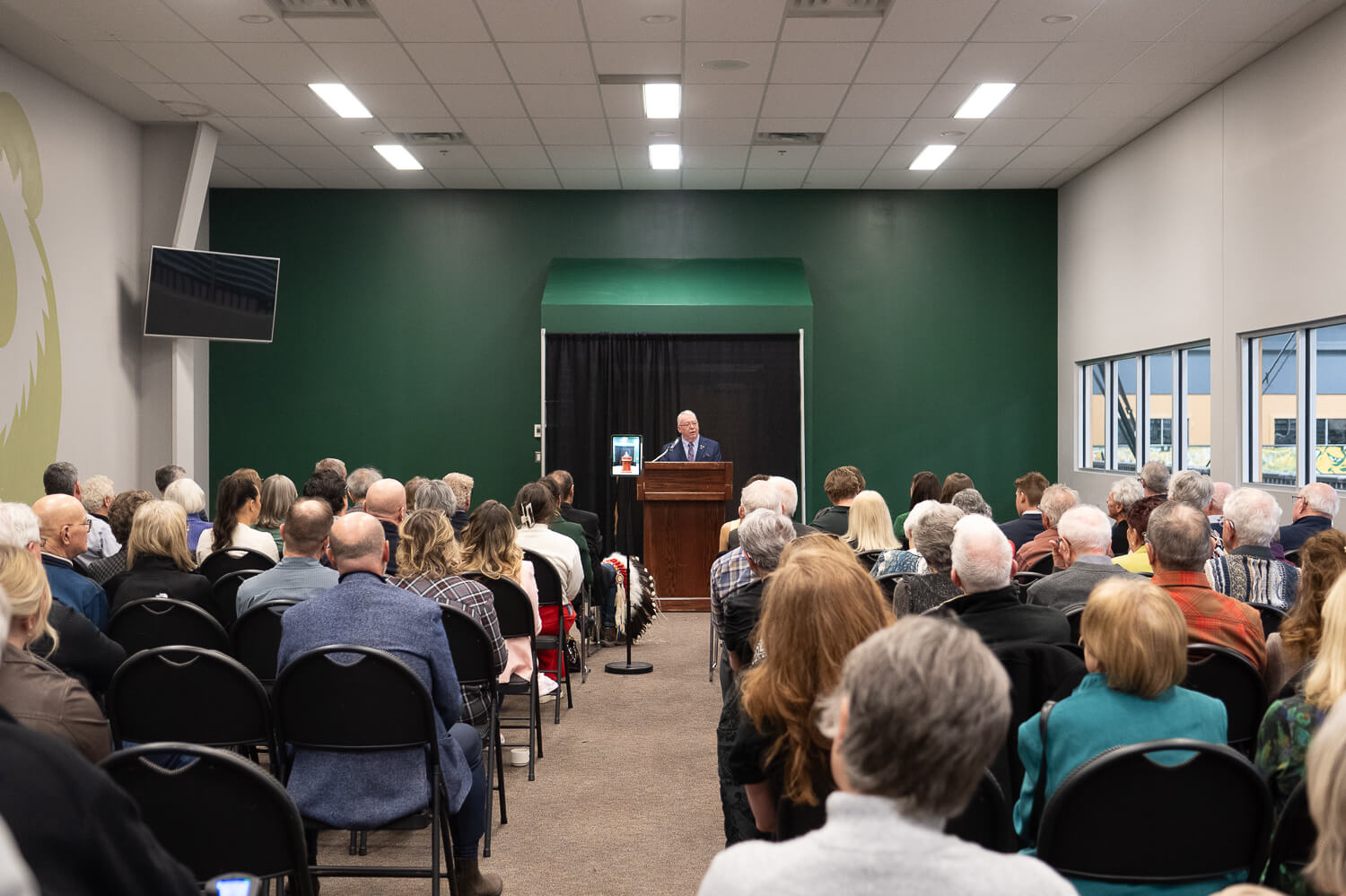
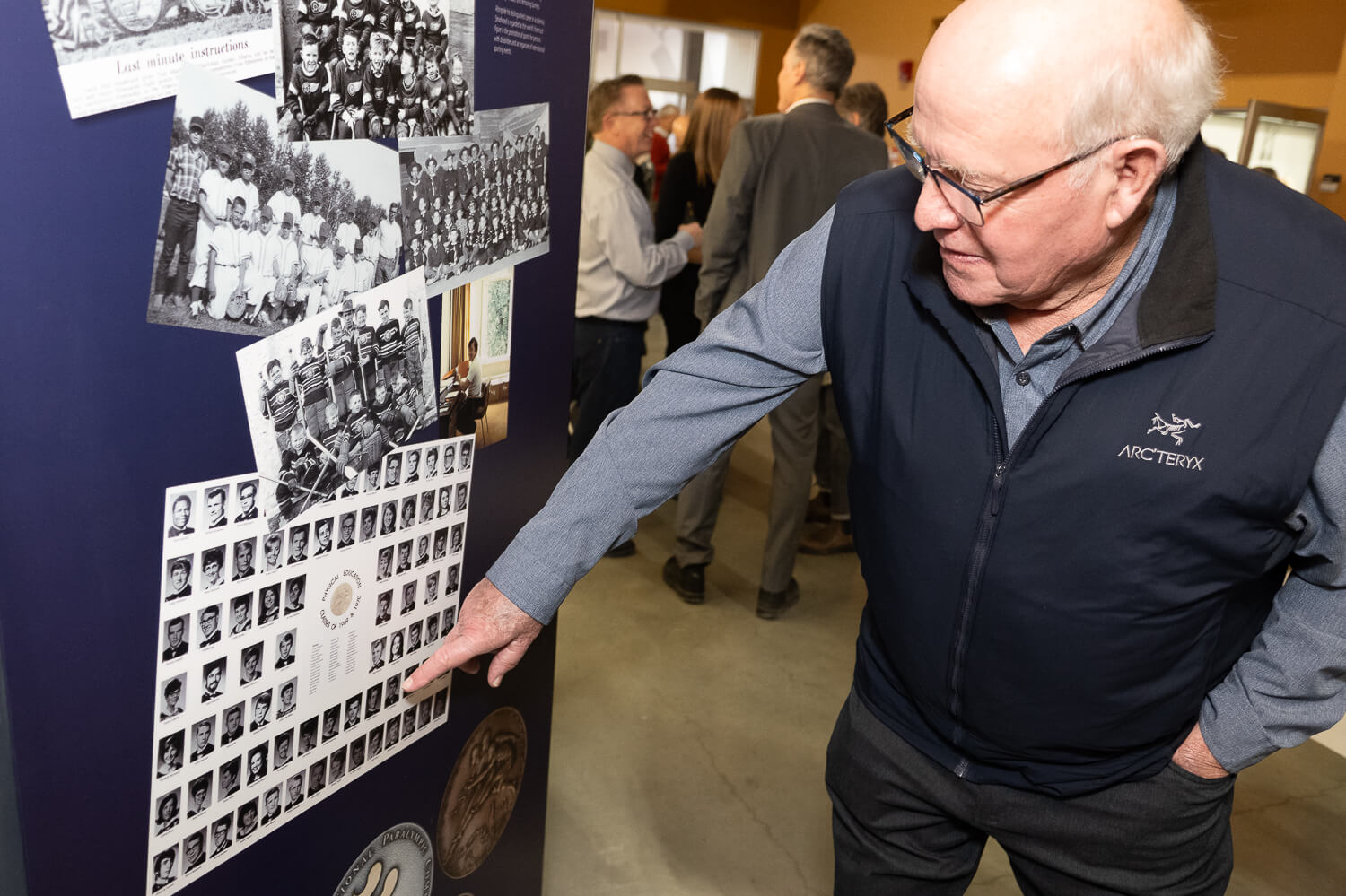
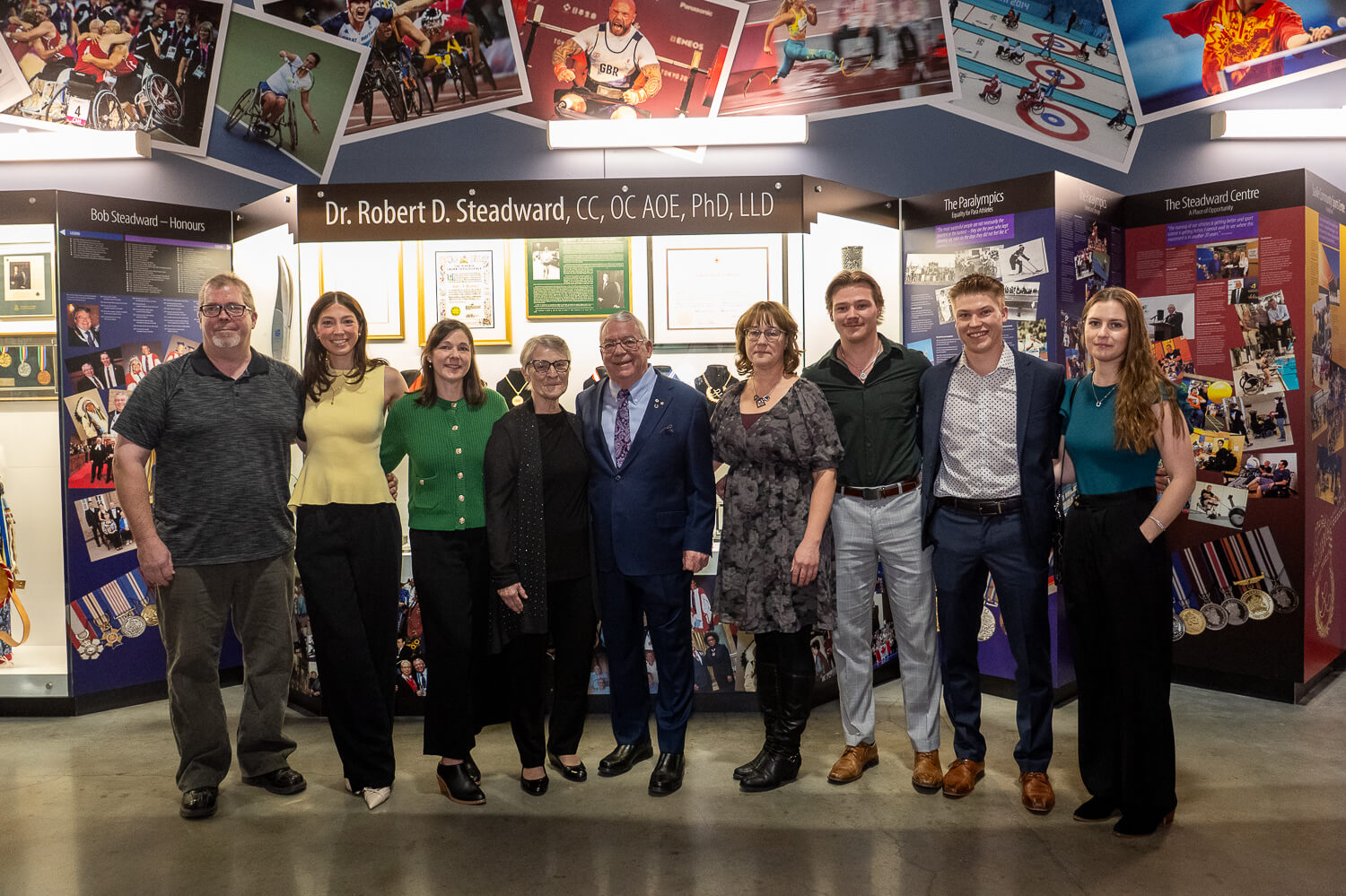
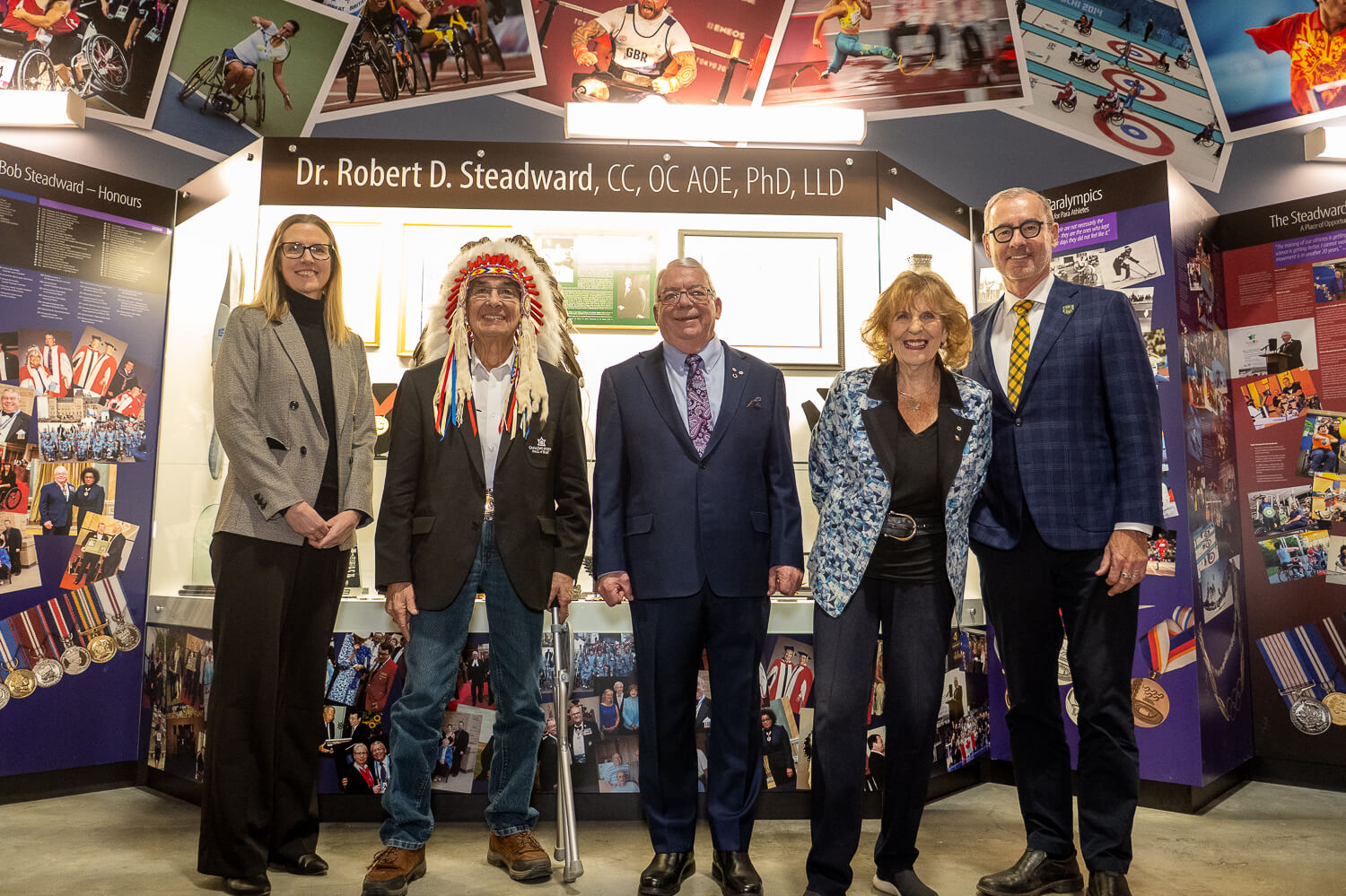
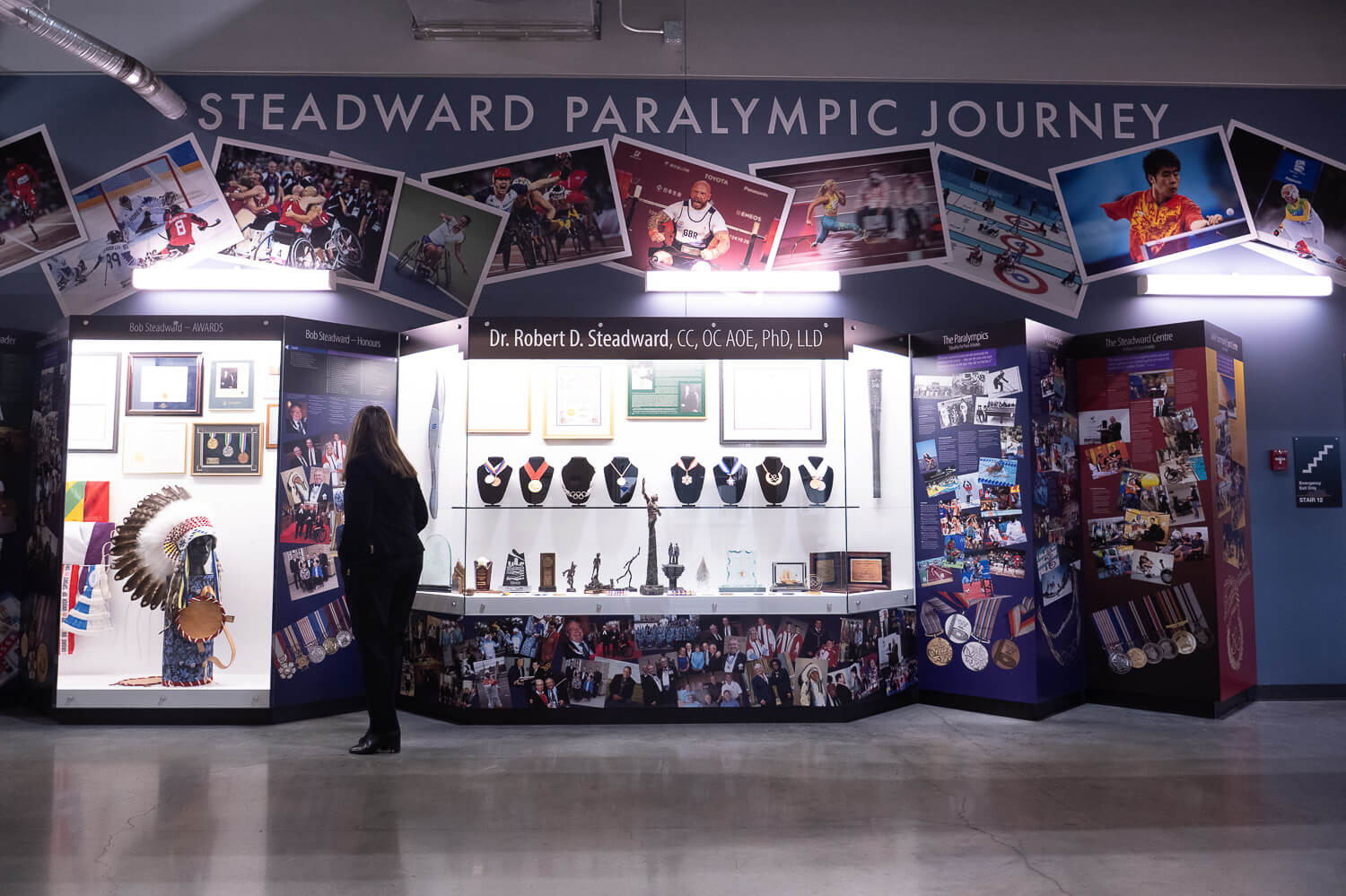
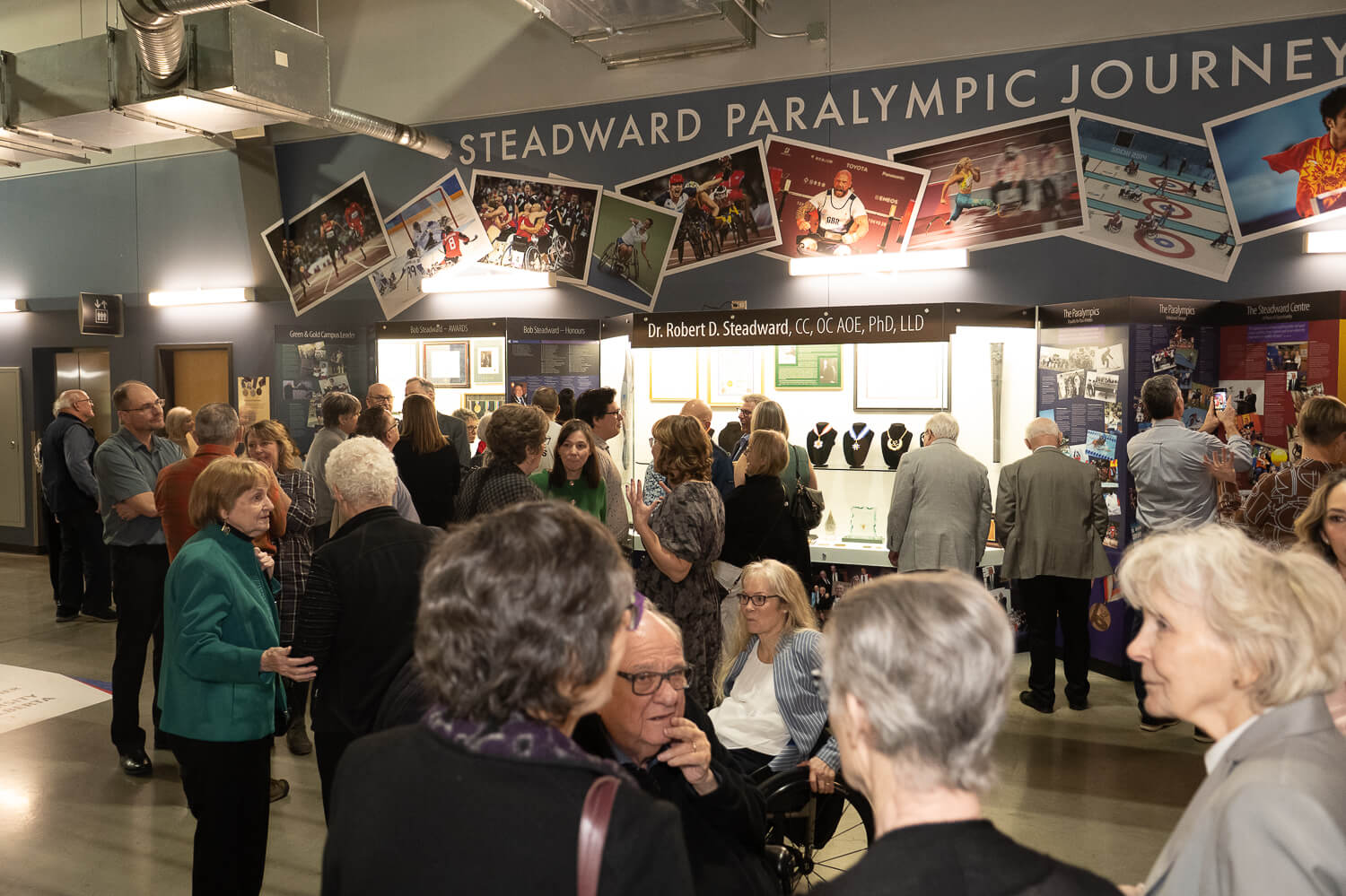
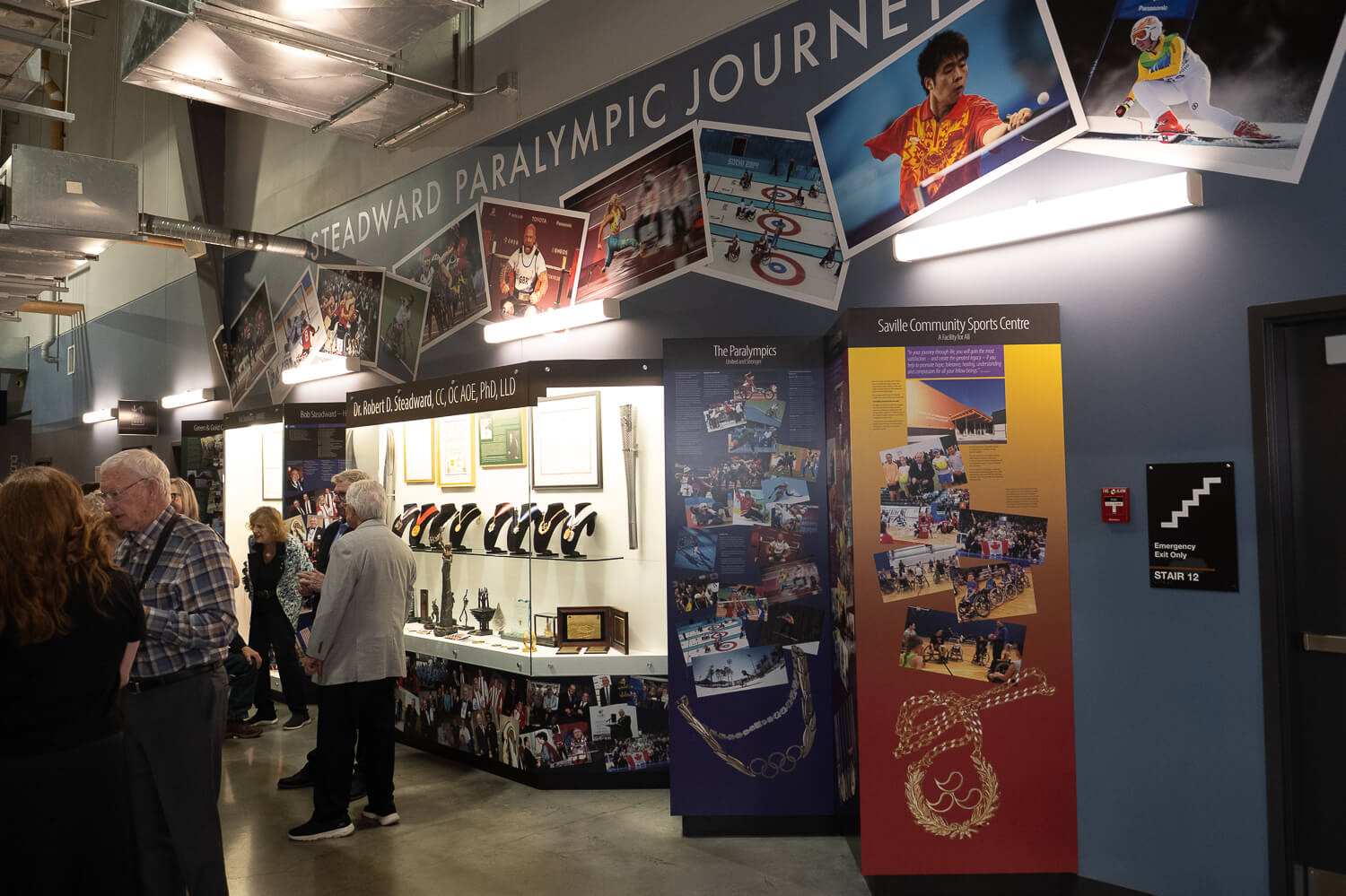
Surrounded by family, close friends and longtime collaborators, Bob Steadward, ’69 BPE, ’71 MSc, ’02 LLD (Honorary), was honoured on Jan. 25, 2026, at the Saville Community Sports Centre with the unveiling of the Steadward Paralympic Journey display, a community-led and donor-funded display celebrating his extraordinary global contributions to para sport, inclusion and disability advocacy.
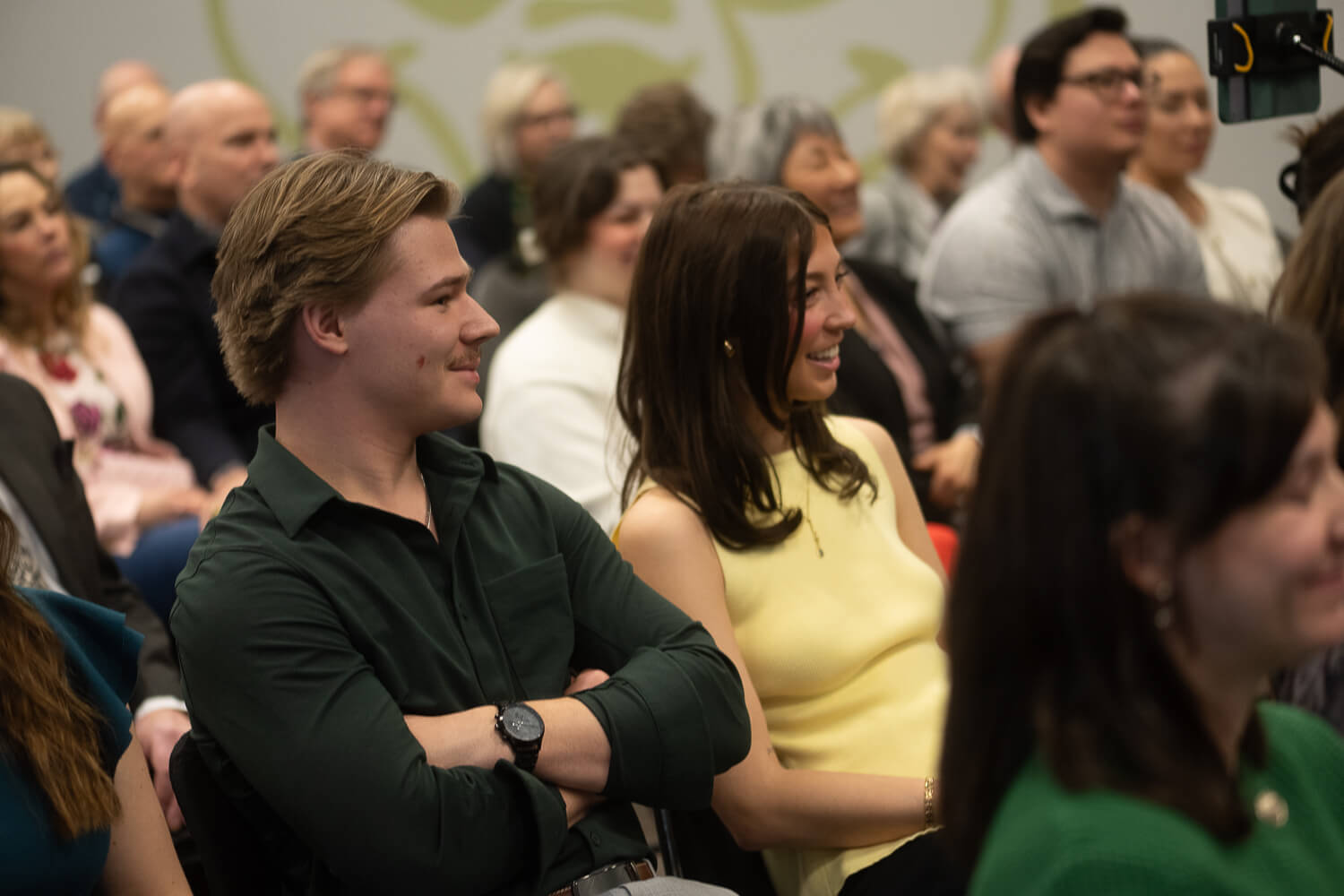
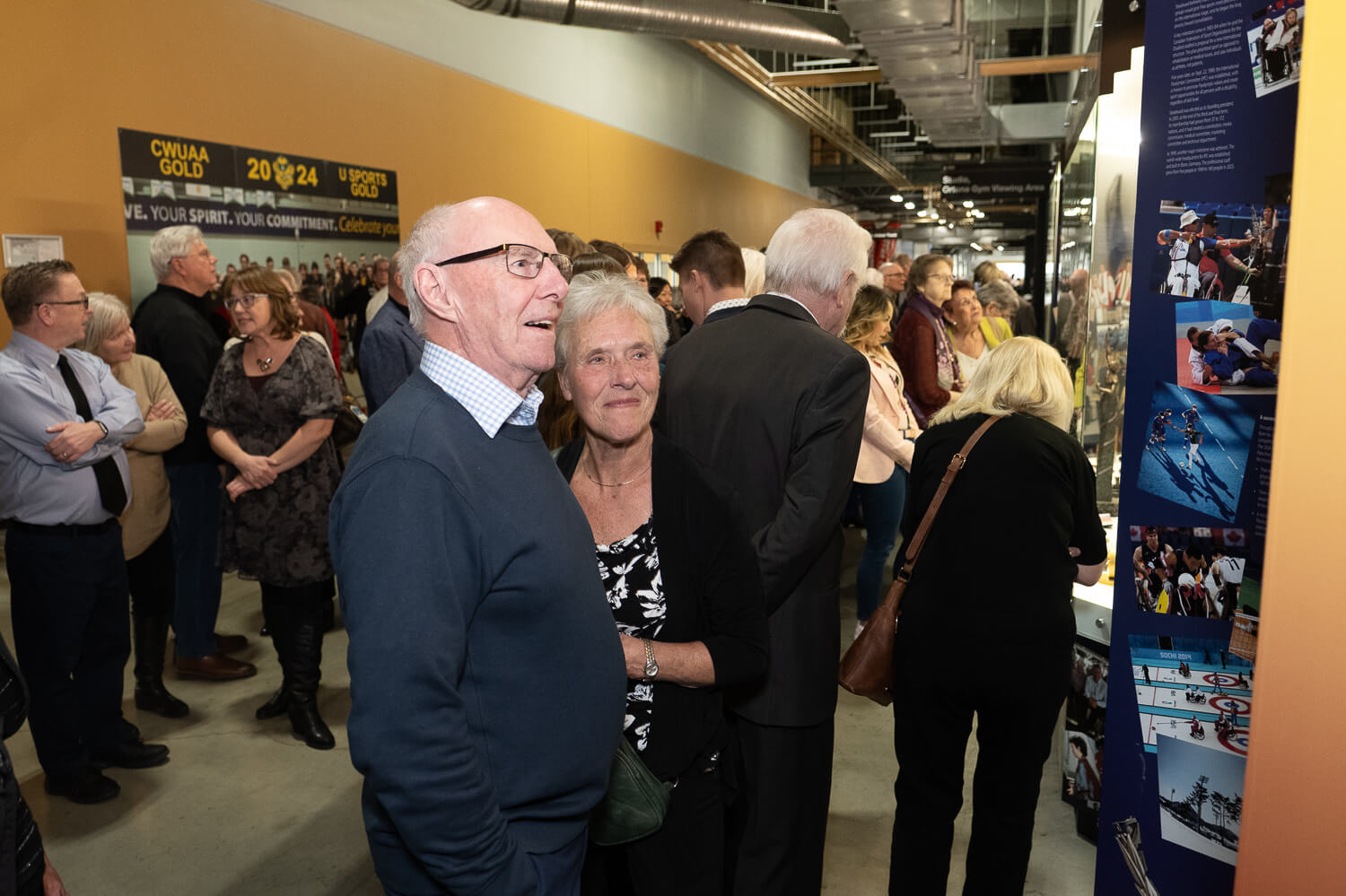
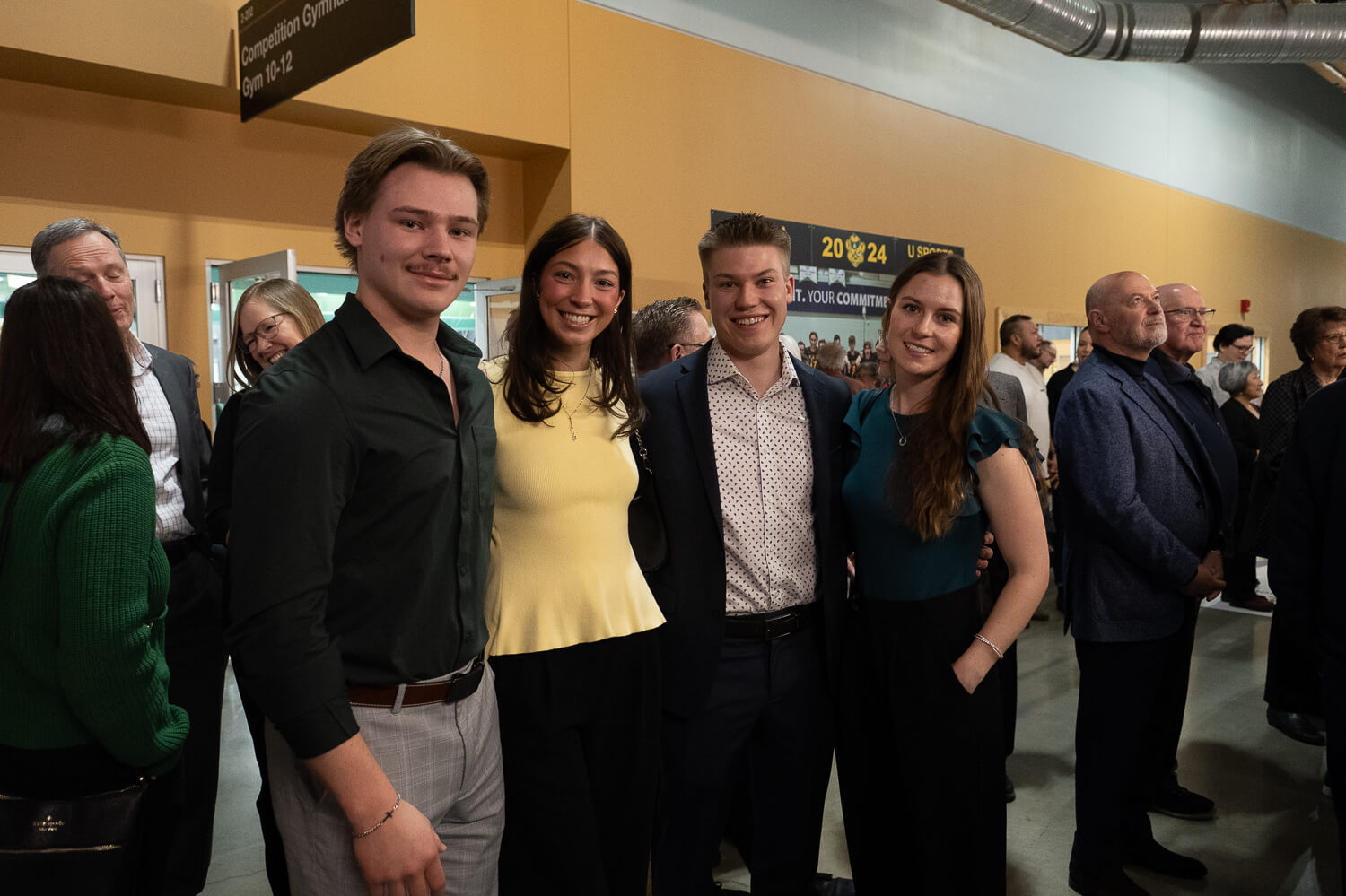
Joined by members of the University of Alberta community, Indigenous leaders, alumni, donors, athletes and supporters, the gathering reflected the deeply personal and far-reaching impact of Steadward’s life’s work, from the people closest to him to the global Paralympic movement he helped build.
The new display traces Steadward’s journey from his early years in Saskatchewan and his academic roots at the U of A to his leadership on the international stage, showing how Edmonton became a catalyst for the modern Paralympic Games and for a movement grounded in dignity, access and opportunity.
A community-led tribute of global reach
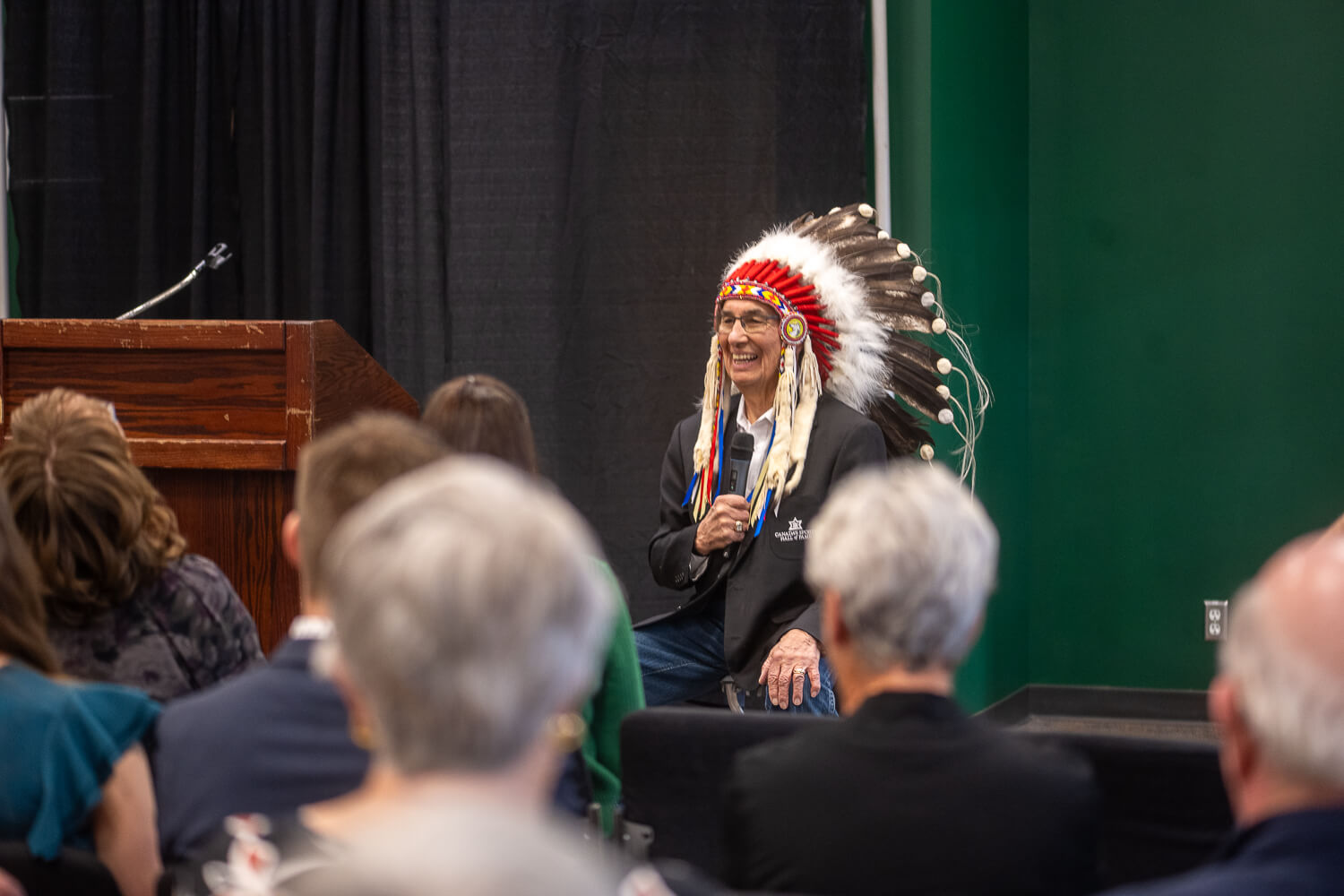
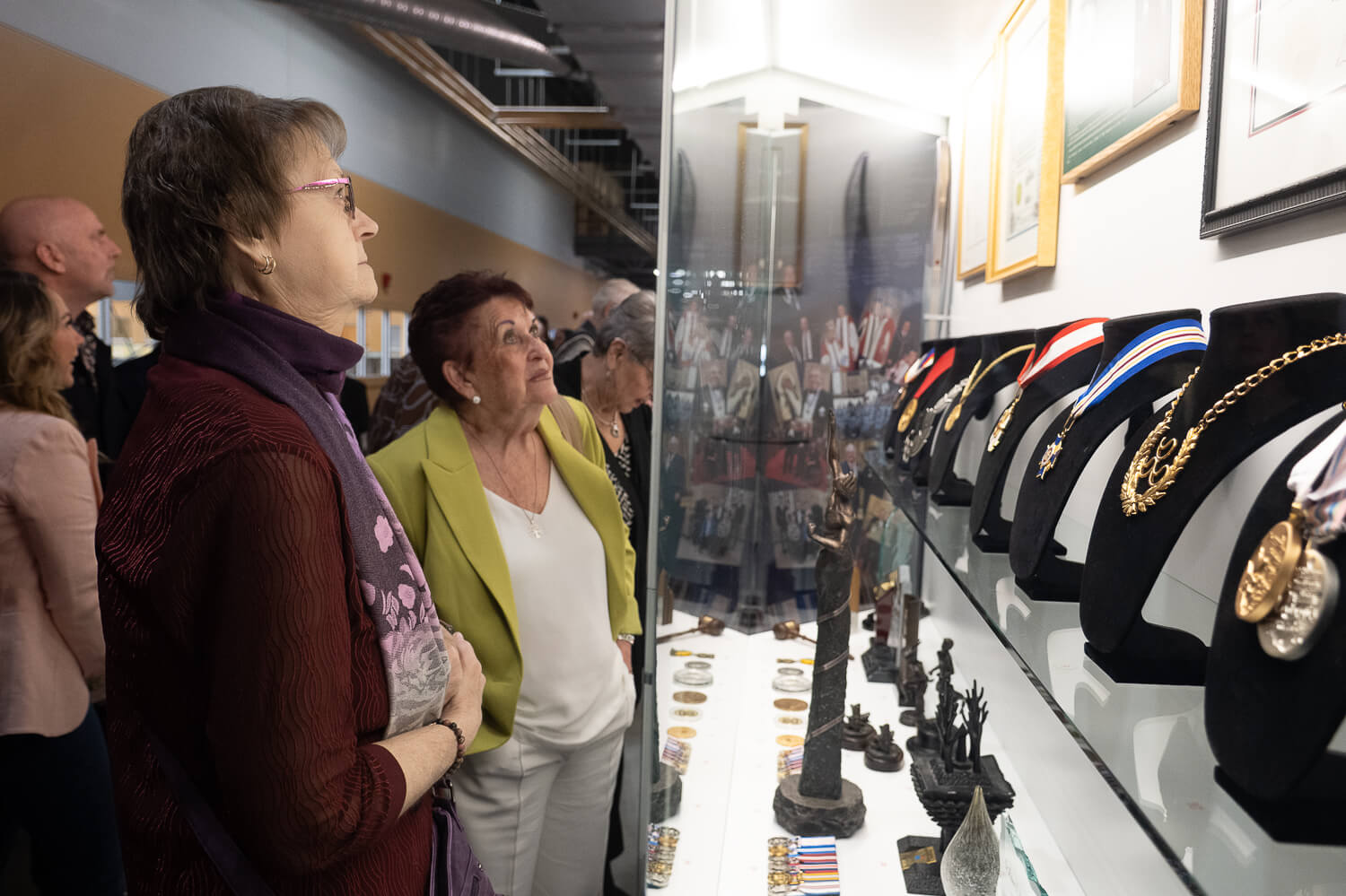
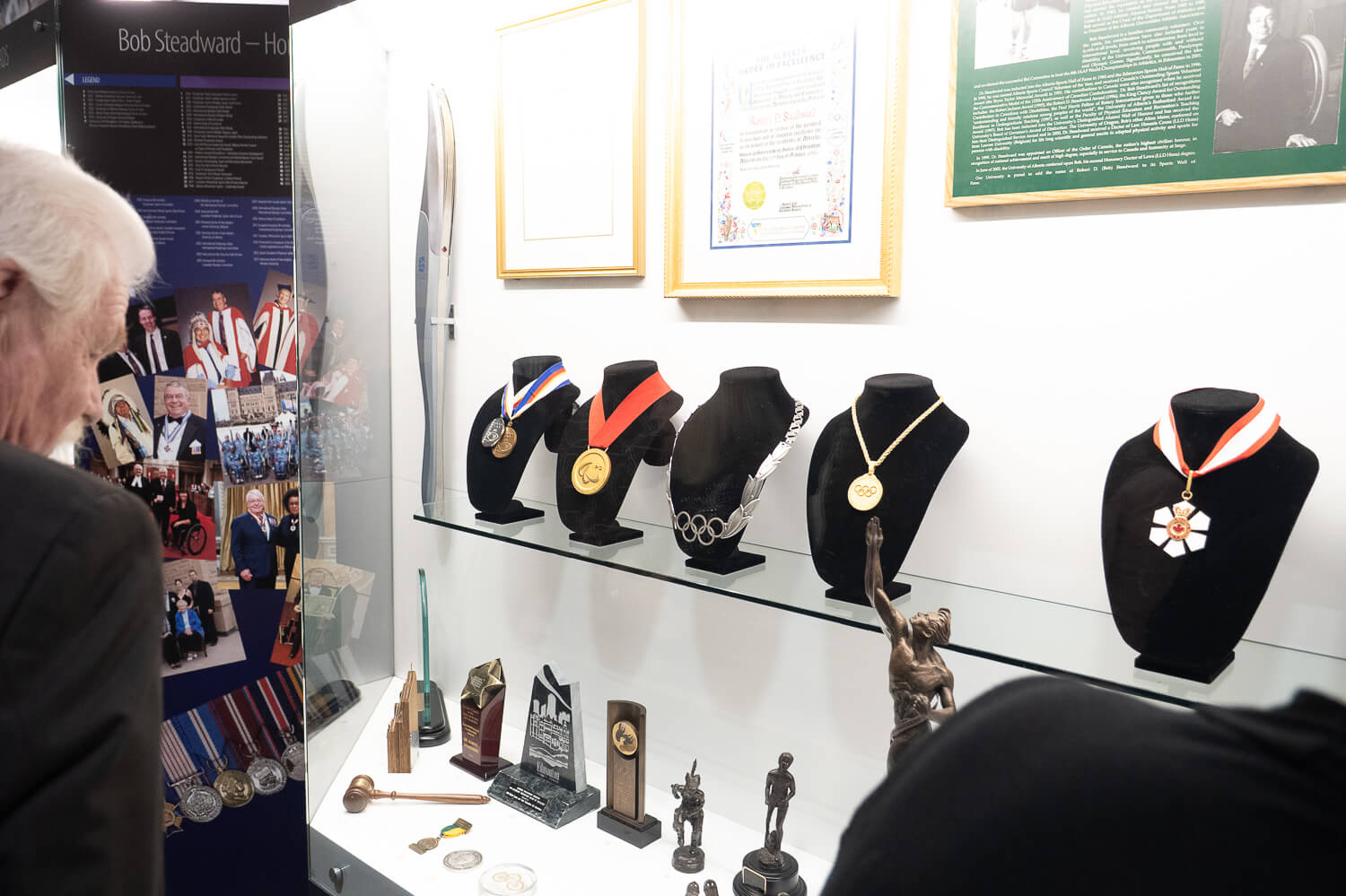
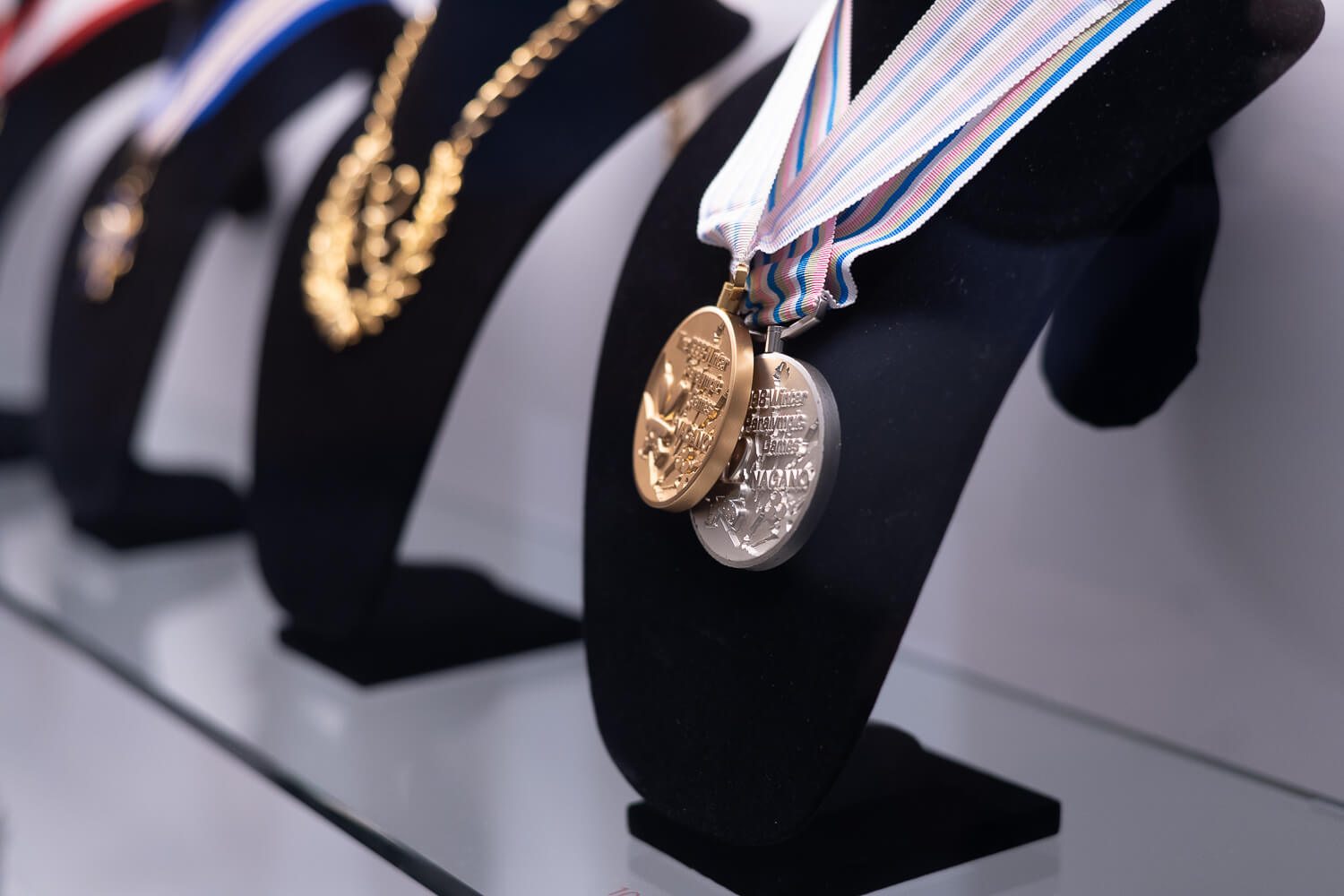
Housed on the second floor of the Saville Community Sports Centre, the display brings together medals, honours, ceremonial regalia and personal artifacts generously loaned by Steadward and his family. These include Paralympic medals and torches, honorary degrees, national and international orders, and a headdress recently bestowed on Steadward at Maskwacîs, a powerful recognition of his lifelong commitment to walking alongside communities with humility and respect.
In opening remarks, longtime friend and event host Steve Hogle described Steadward as “one of the most decorated Canadians, not for personal recognition, but for what he made possible for others.”
Sport as a force for reconciliation and peace
Grand Chief Willie Littlechild, ’67 BPE, ’75 MSc, ’76 LLB, ’07 LLD (Honorary), a close friend and classmate of Steadward’s, opened the ceremony in Cree and spoke to the power of sport to build bridges, advance reconciliation and promote peace.
“Sport has a power unlike anything else,” Littlechild says. “It brings people together, across cultures and communities, and reminds us of our shared humanity.”
Littlechild, an accomplished athlete, lawyer and global advocate for Indigenous rights, reflected on how Steadward’s leadership in para sport mirrored broader struggles for equity and recognition, and how persistence, patience and collaboration were essential to change.
A University of Alberta legacy
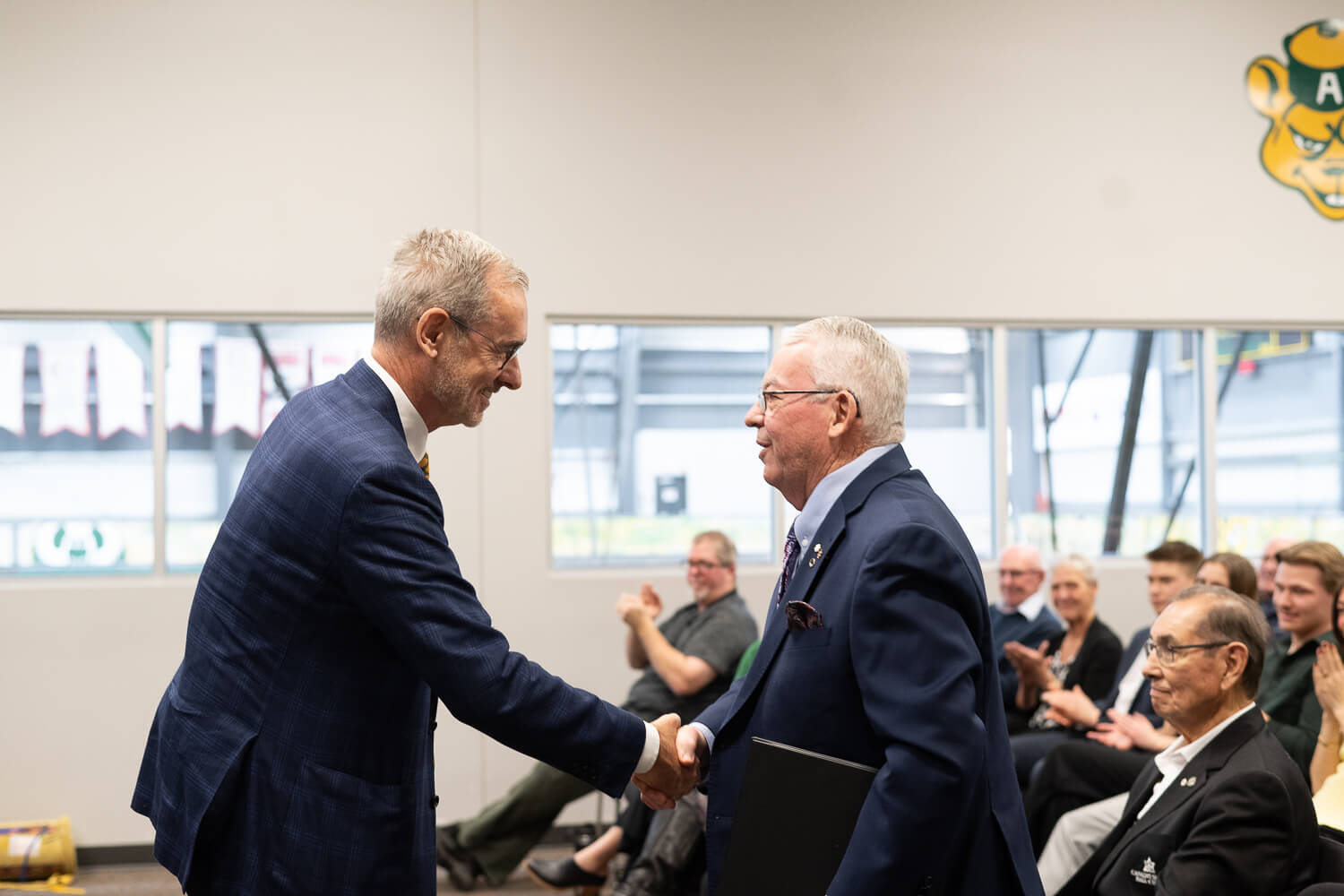
U of A president Bill Flanagan recognized Steadward’s enduring relationship with the university, as an alumnus, professor emeritus and founder of The Steadward Centre, and his role in carrying U of A values onto the world stage.
“Bob’s leadership helped reshape the very meaning of excellence in sport,” Flanagan says. “He has shown us that inclusion is not an act of charity, it is a recognition of talent, ambition and human potential.”
The president read messages from Andrew Parsons, president of the International Paralympic Committee, and Karen O’Neill, CEO of the Canadian Paralympic Committee, both of whom reflected on Steadward’s foundational influence on the Paralympic movement globally.
“The Steadward Paralympic Journey shows the massive contribution of this incredible human being to the Paralympic movement. We would not be where we are today were it not for his leadership,” Parsons writes.
Building something that did not exist before
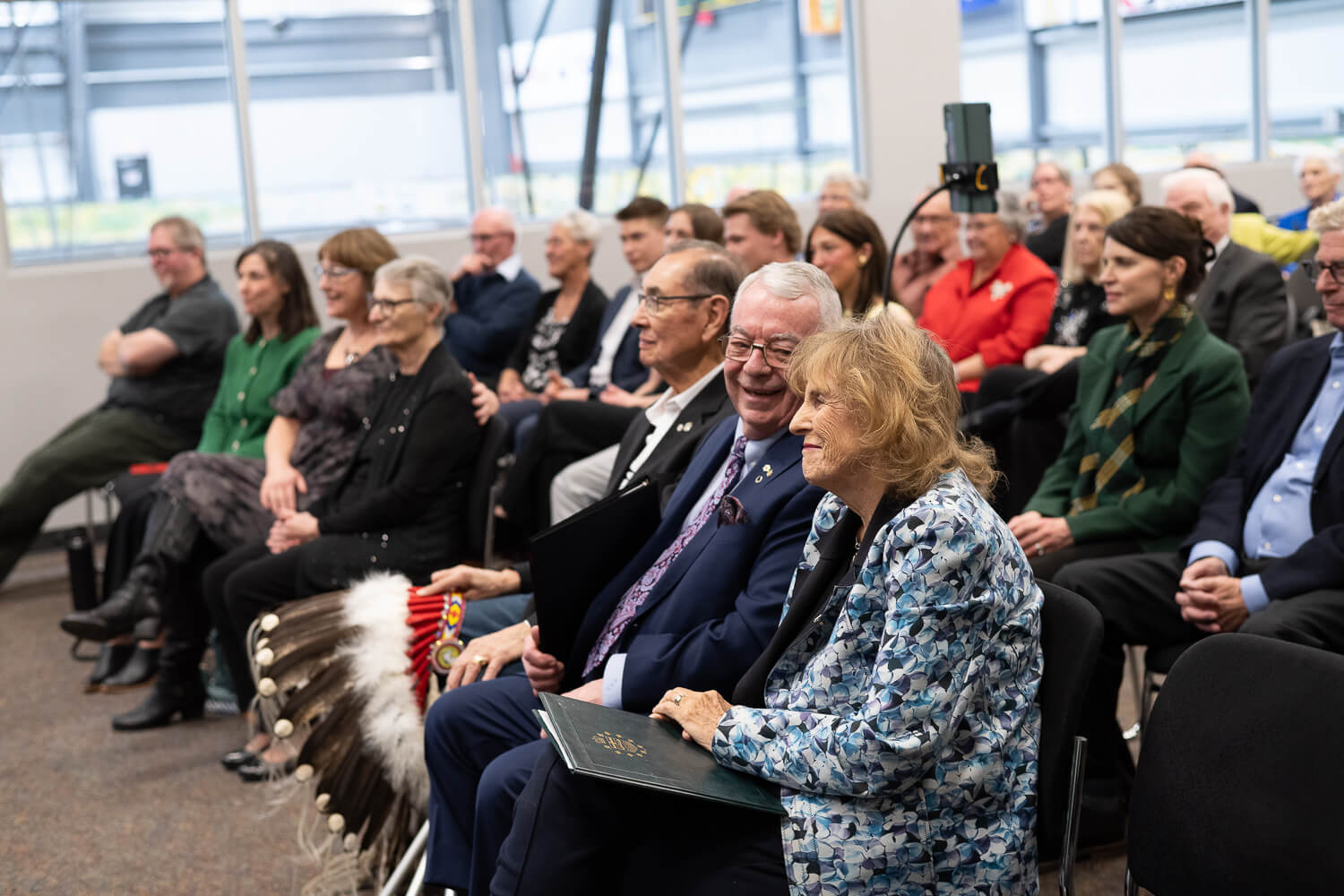
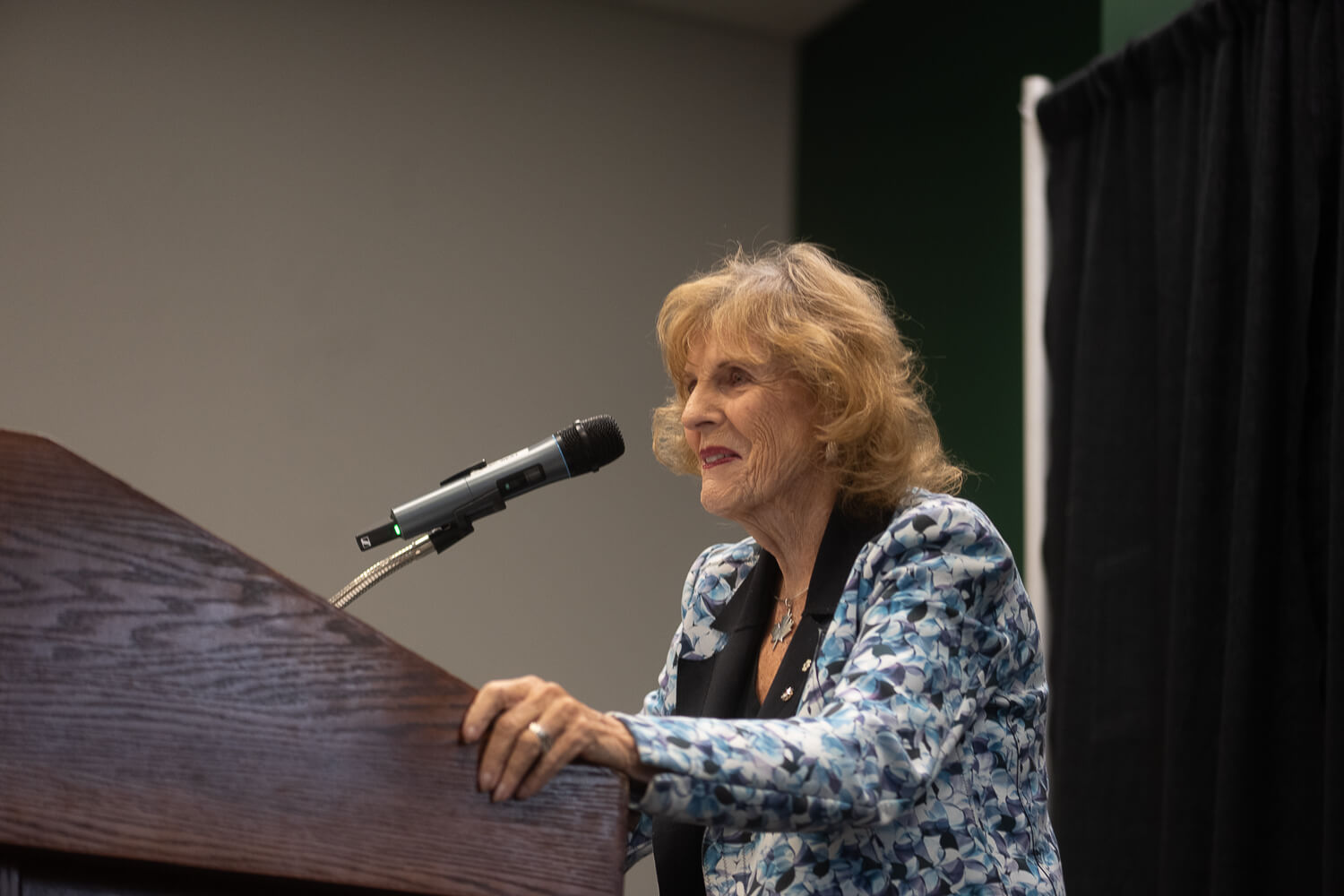
The Honourable Lois Mitchell, ’15 LLD (Honorary), former lieutenant-governor of Alberta and a key champion of the display, spoke about Steadward’s character as much as his accomplishments.
“Bob never needed recognition to keep going,” Mitchell says. “What makes him extraordinary is how he leads — with courage, with authenticity, with generosity, always lifting people up and always sharing credit.”
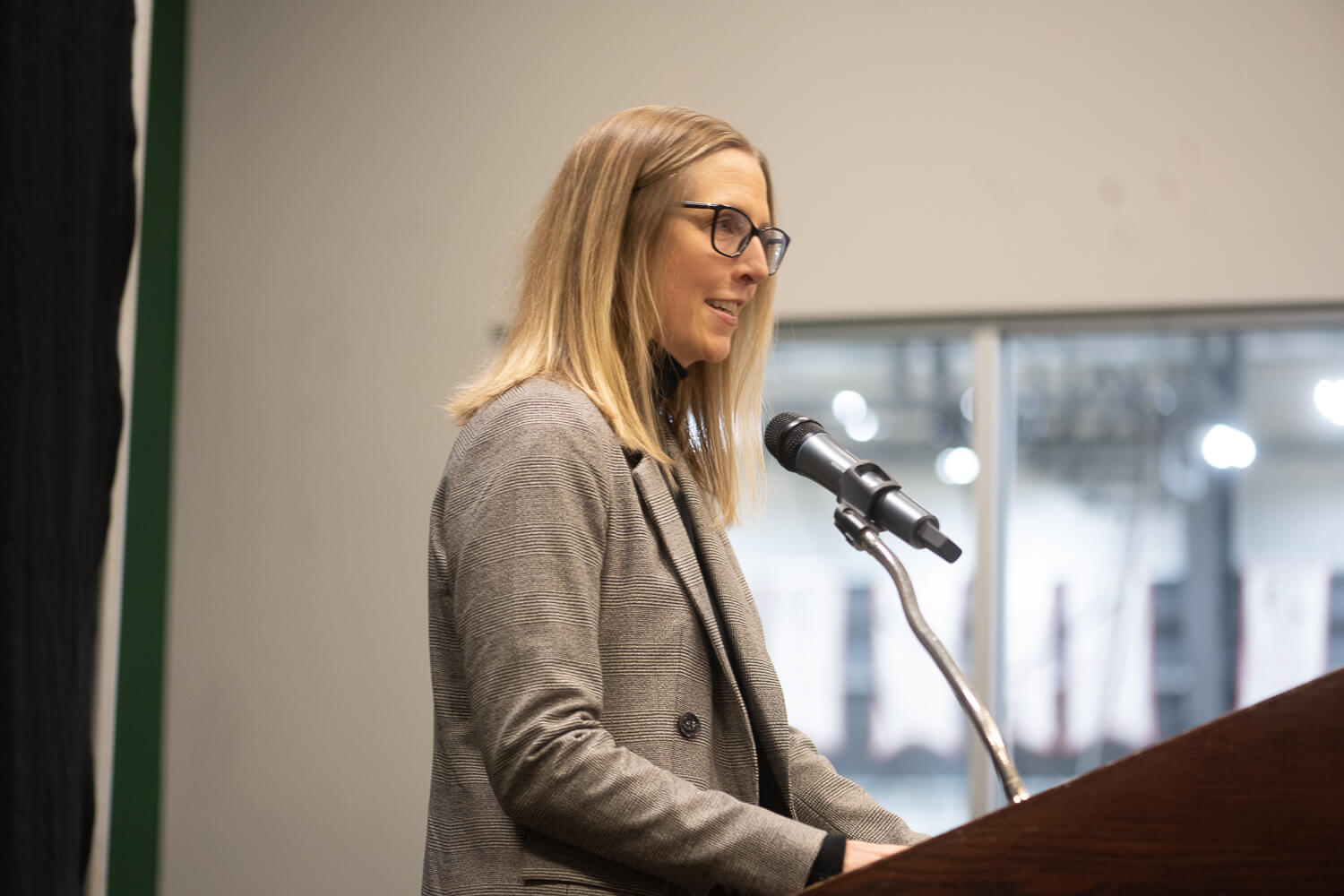
Dean of the Faculty of Kinesiology, Sport, and Recreation (KSR) Kyra Pyke spoke to Steadward’s lasting influence on the faculty since the founding of The Steadward Centre 45 years ago.
“He created not only an essential first-of-its-kind facility to ensure people experiencing disability had access to quality sport programming, but in so doing, he also created a catalyst for exceptional teaching, learning, and research activity,” said Pyke.
For Steadward, the celebration was less about personal achievement and more about collective effort.
“This celebration is not about me,” he says. “It’s about the thousands of children and adults who have come through The Steadward Centre to improve and achieve their health, fitness and lifestyle goals. It is also for the millions of Paralympians around the world who have worked tirelessly every day with their coaches, their sponsors and their organizations to reach their highest level of performance at the Paralympic Games.”
He reflected on the early days of disability sport, when access and recognition were far from guaranteed, and on the perseverance required to build a global movement grounded in core values.
“My good friend and colleague, Clare Drake, always reminded me that it’s amazing what can be achieved when no one cares who gets the credit,” Steadward says.


A living classroom and lasting inspiration
Founded more than 45 years ago, The Steadward Centre remains a cornerstone of KSR. It provides experiential learning opportunities for more than 250 students annually and serves more than 1,000 community members each year, functioning simultaneously as a teaching space, research hub and community anchor.
The new display extends that impact, offering students, alumni and visitors a tangible connection to the history of para sport and the role the U of A has played in shaping it.
As the world looks ahead to the 2026 Winter Paralympic Games in Milano Cortina, the Steadward Paralympic Journey Display stands as both a reflection and a call forward, reminding audiences that meaningful change is built together.
“This display represents what we have accomplished as a team,” Steadward says.