SA Decision Making Council (SADMC)
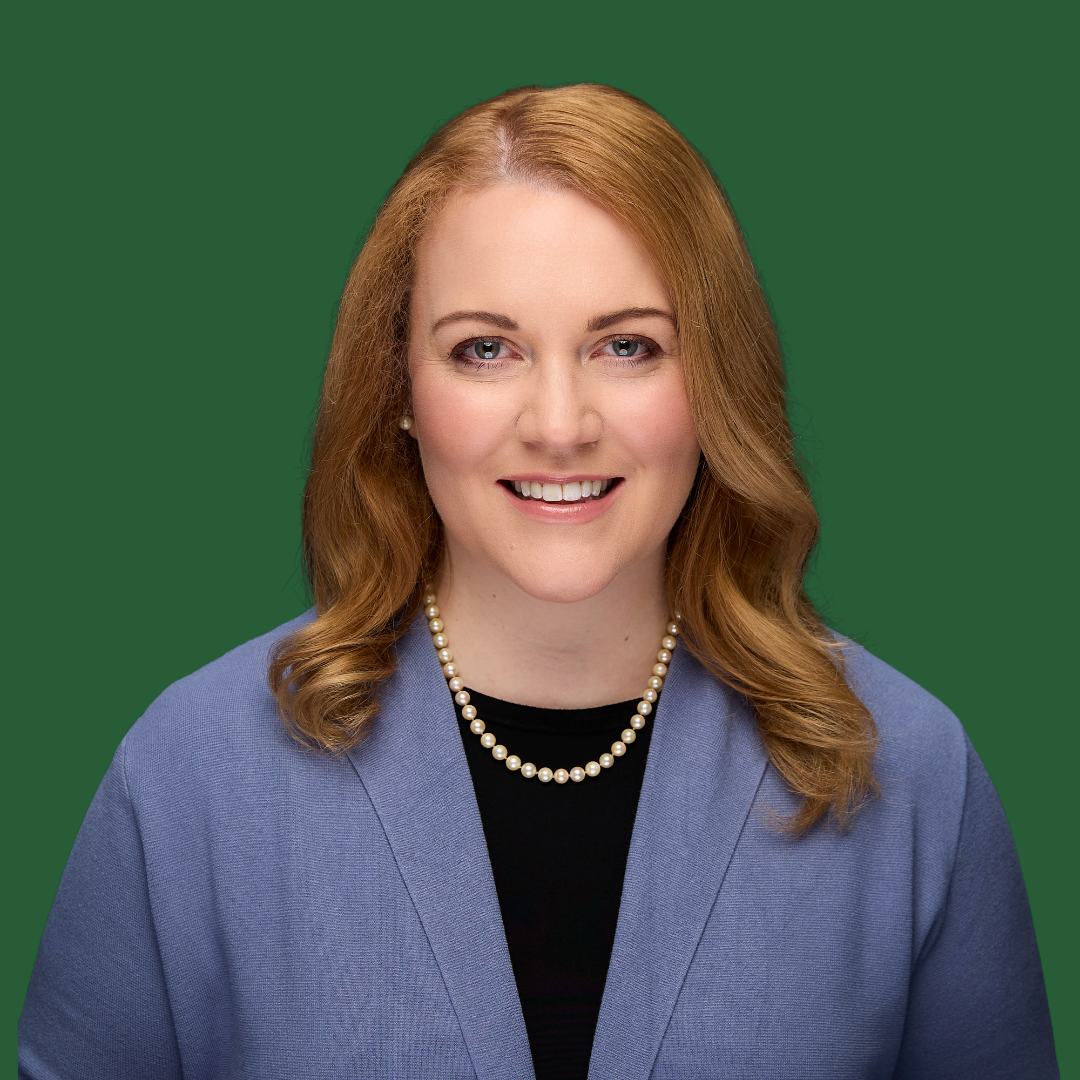
Lauren Patterson
Lauren Patterson brings a personal and strategic lens to the Social Accountability Decision-Making Council as a Community Member-at-Large. Diagnosed with a rare cancer at 34, Lauren has navigated the Alberta healthcare system extensively while raising two young children.
This firsthand experience drives her engagement with the Faculty of Medicine & Dentistry and informs her understanding of the lived realities of complex, chronic care. A fundraising professional within the University of Alberta's Faculty of Arts, Lauren combines a patient's lived experience with operational expertise in strategic planning, governance, and resource allocation. She is dedicated to bridging public trust and helping community perspectives shape medical education, research, and institutional decision-making.
What Social Accountability Means to Me
To me, social accountability is fundamentally rooted in social justice and health equity. It means ensuring that policy commitments actively improve care at the bedside. Real accountability requires dismantling systemic barriers while building governance structures where community members directly shape medical education, research, and care delivery. Ultimately, it bridges academic institutions with the public to cultivate trust and foster healthier communities.
Hobbies and interests
Outside of her professional and council roles, Lauren cherishes time spent with her young family. She stays active through running and cycling, enjoys experimenting with new recipes in the kitchen, and remains deeply committed to community service through her volunteer work with both local and international non-profits.
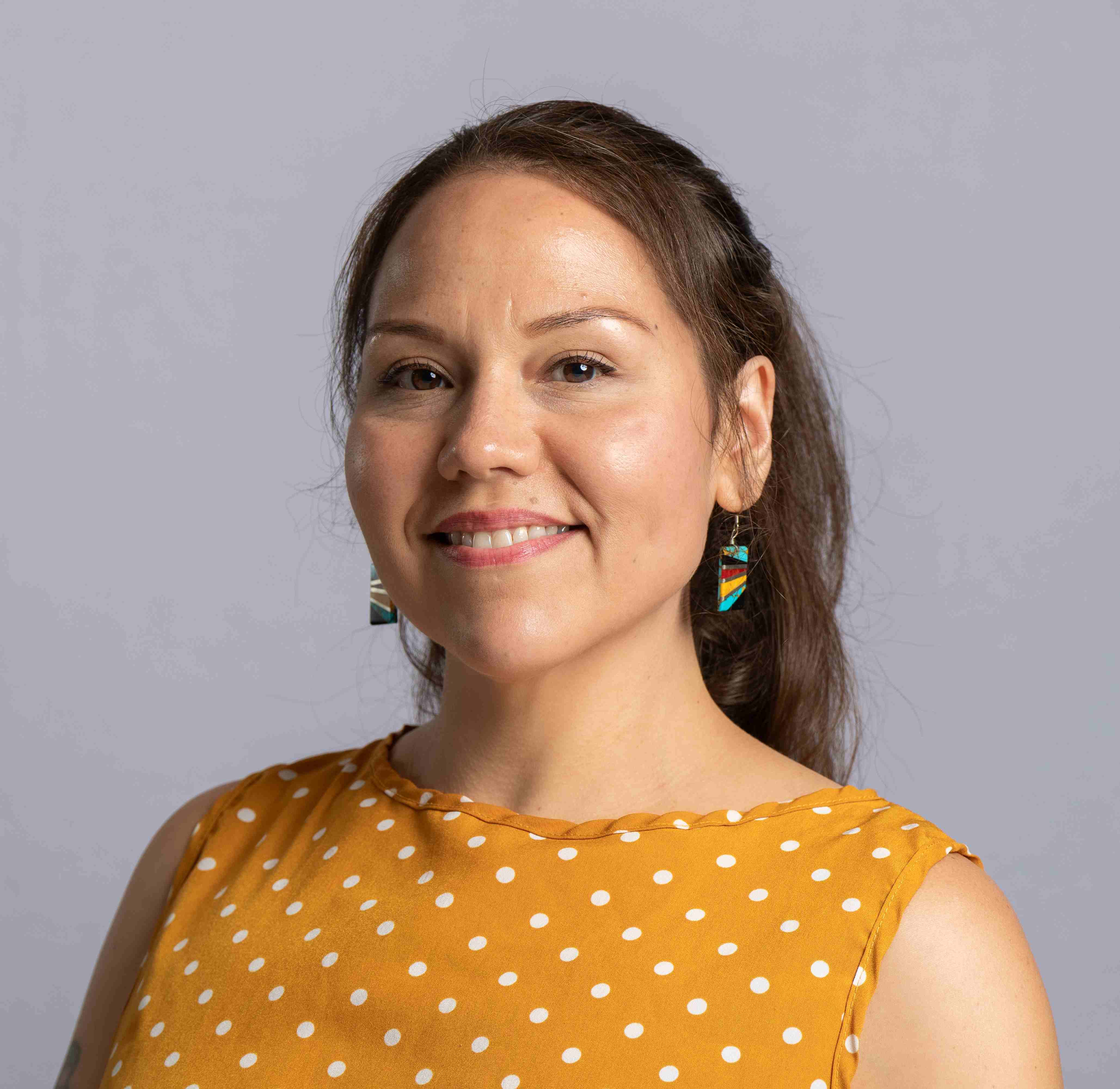
Marissa Nakoochee
Marissa Nakoochee is a Mushkego ininiw woman from James Bay Ontario, Treaty 9 territory. Her work focuses on advancing Reconciliation and addressing systemic racism in health. Her work is shaped by both her lived experiences as the daughter of a strong mushkego ininiw and her commitment to transformative change in health.
She is currently the College of Health Sciences Indigenous Initiative strategic lead at the University of Alberta as well as the Indigenous health curriculum lead at Simon Fraser School of Medicine.
She has several years experience developing, integrating and delivering institutional and organizational learning, with a focus on First Nations, Inuit and Metis health and health education; as well as health program development and implementation. Her work supports institutions to identify and action goals that align with the Truth and Reconciliation Calls to Action including curriculum, recruitment, retainment, student support, faculty development and community engagement.
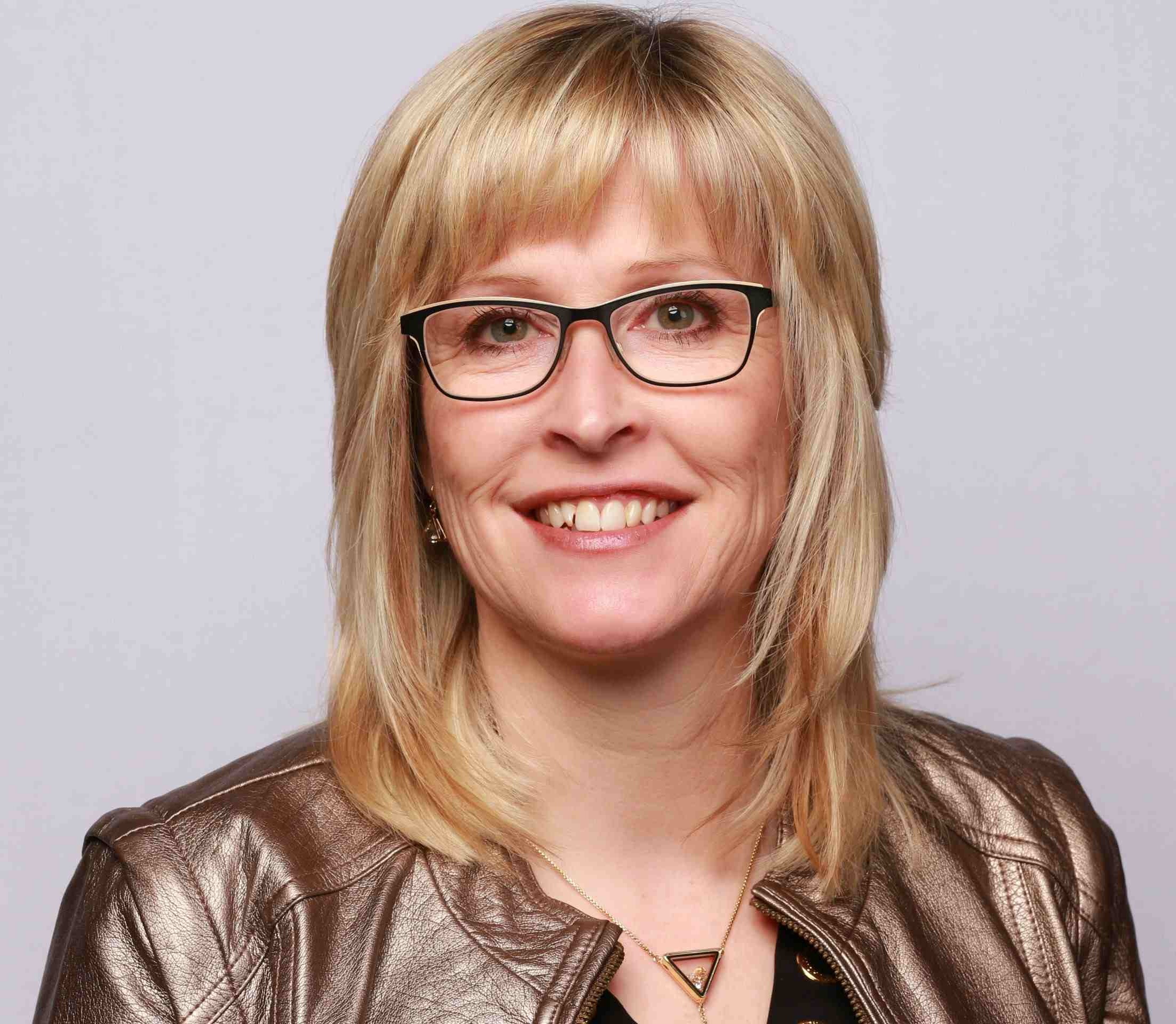
Myrna Lanctot
Myrna Lanctot is the long‑serving Mayor of Donnelly, Alberta. First elected to council in 2007, she became Mayor in 2013 and has continued to lead the community with dedication and collaboration. Alongside her municipal role, she works as the Physician Recruitment & Retention Coordinator for the Smoky River region and serves as Chair of Heart River Housing, supporting seniors’ lodges and community‑based housing across the Peace Country.
In January 2024, Myrna was accepted as a member of the Community Leadership Council (CLC) with Healthy Aging Alberta, contributing to provincial collaboration and seniors’ policy development. She also participates in the Alberta Seniors Policy Road Map Working Group, strengthening partnerships that support aging in-community.
Myrna has a strong history of medical education advocacy. She served as Co‑Chair of the Northern Alberta Medical Program (NAMP) Community Partners Working Group beginning November 27, 2024, and in April 2026 was appointed to the NAMP Community Advisory Committee. In spring 2026, she joined the Social Accountability DecisionMaking Council (SADMC) for the Faculty of Medicine & Dentistry at the University of Alberta.
Outside her professional roles, Myrna enjoys time with her family, traveling, and camping at their family campsite, and values her marriage, her children, and her three grandchildren.
Vision of Social Accountability
To me, social accountability means listening deeply to community voices and ensuring they shape the learning, development, and priorities of future physicians. It is about bringing forward real experiences, identifying gaps, and working collaboratively toward solutions that reflect the needs of the people we serve. Social accountability is a commitment to equity, responsiveness, and meaningful partnership between communities and medical education.
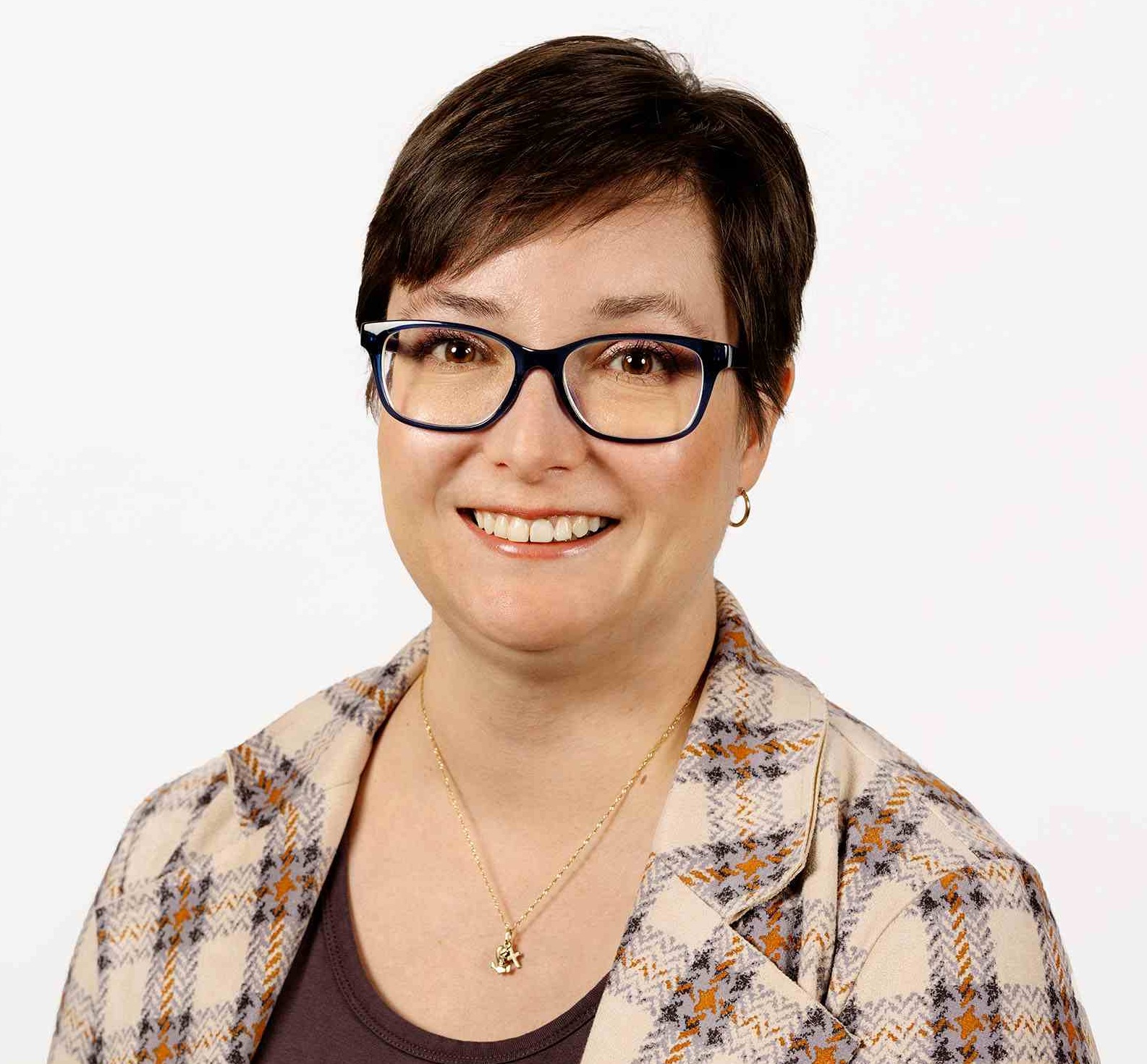
Natasha Bergeron
Born and raised in Grande Prairie, Alberta, Natasha Bergeron is deeply committed to building strong, connected, and inclusive communities. A proud Franco-Albertan and graduate of the University of Alberta’s Campus Saint-Jean, she has dedicated both her professional and volunteer life to supporting community development, health equity, and meaningful engagement.
For more than 15 years, Natasha has been actively involved in the Francophone community through the ACFA régionale de Grande Prairie, serving in leadership roles on its Board of Directors and helping foster connections with Francophone organizations and community leaders across Alberta. She also volunteers as a Health Ambassador for the City of Grande Prairie and serves as Co-Chair of the Peace Country Health Neighbourhood, supporting collaboration between community members, organizations, and health partners.
As a Development Agent with Réseau santé Alberta, Natasha is passionate about building bridges between communities and the health system. Through networking, partnership building, and community engagement, she helps ensure community voices are heard and reflected in health initiatives and services. While much of her work focuses on Francophone populations, she believes that language accessibility, cultural safety, and clear communication are fundamental to creating a more equitable, inclusive, and responsive health-care system for all Albertans.
Vision of Social Accountability
My vision for social accountability is one where communities are genuine partners in shaping the health, education, and research systems that serve them. Through the Social Accountability Decision-Making Council, I hope to support the Faculty of Medicine & Dentistry in strengthening relationships with communities across Alberta and ensuring that community-identified priorities help guide decision-making. I believe that listening, collaboration, and meaningful engagement are key to advancing health equity and creating systems that are inclusive, responsive, and accountable to the diverse populations they serve.
Personal interests & hobbies
Outside of work, Natasha enjoys spending time with her fiance's family, walking her dog, getting creative with crafts, and unwinding with video games. She also loves baking and sharing homemade treats with family and friends.
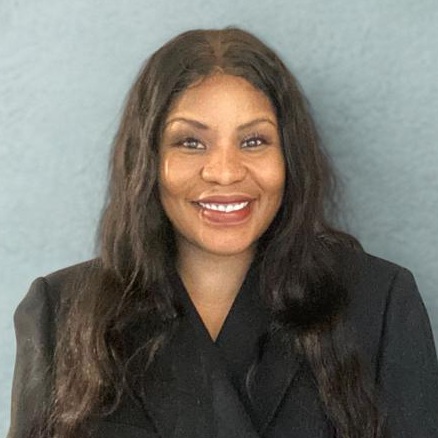
Patricia Chinayi
Patricia Chinayi, is a governance, community engagement, and project management professional with experience spanning international development, higher education, nonprofit leadership, and public affairs across multiple countries. She holds a Master of Science in International Business and has built her career around strengthening governance, stakeholder engagement, strategic partnerships, and community impact.
Throughout her career, Patricia has demonstrated a commitment to sustainable development and meaningful social change. She has served as a Strategic Finance Researcher with the United Nations Capital Development Fund (UNCDF), contributing to international research supporting sustainable development initiatives. She also served as a Communication and Research Associate with the Korea-Africa Foundation, contributing to strategic initiatives that advanced international partnerships, policy dialogue, and cross-sector collaboration. In Canada, she has led strategic projects and stakeholder engagement initiatives across the nonprofit and public affairs sectors, with a focus on government relations, governance, partnership development, and community engagement.
She is the Founder and Director of Safe Space Collective–Open Circle, a community initiative that promotes psychologically safe workplaces and meaningful dialogue around workplace wellbeing and inclusion. Patricia currently serves as Program Lead for the MOMentum Program at Catholic Social Services, where she leads a workforce development initiative that supports women in overcoming barriers to employment and building sustainable careers.
Vision for Social Accountability
Patricia believes social accountability begins with listening. She believes the communities most affected by decisions should be active partners in shaping them and that social accountability, at its core, means building relationships founded on trust, collaboration, and mutual respect, where education, research, and healthcare are informed by the lived experiences, priorities, and aspirations of the communities they serve.
Her vision is to strengthen the connection between the Faculty of Medicine & Dentistry and the diverse communities it serves by fostering authentic partnerships that encourage dialogue, shared learning, and meaningful community participation. She believes that when communities are genuinely heard and engaged, institutions are better equipped to create equitable, responsive, and lasting change.
Hobbies + Interests
Outside of work, Patricia enjoys travelling, painting, and exploring new places with her husband, Christian, and their son, Isaiah. She is also passionate about mentoring emerging professionals, volunteering within her community, and creating spaces where people feel supported, connected, and empowered.
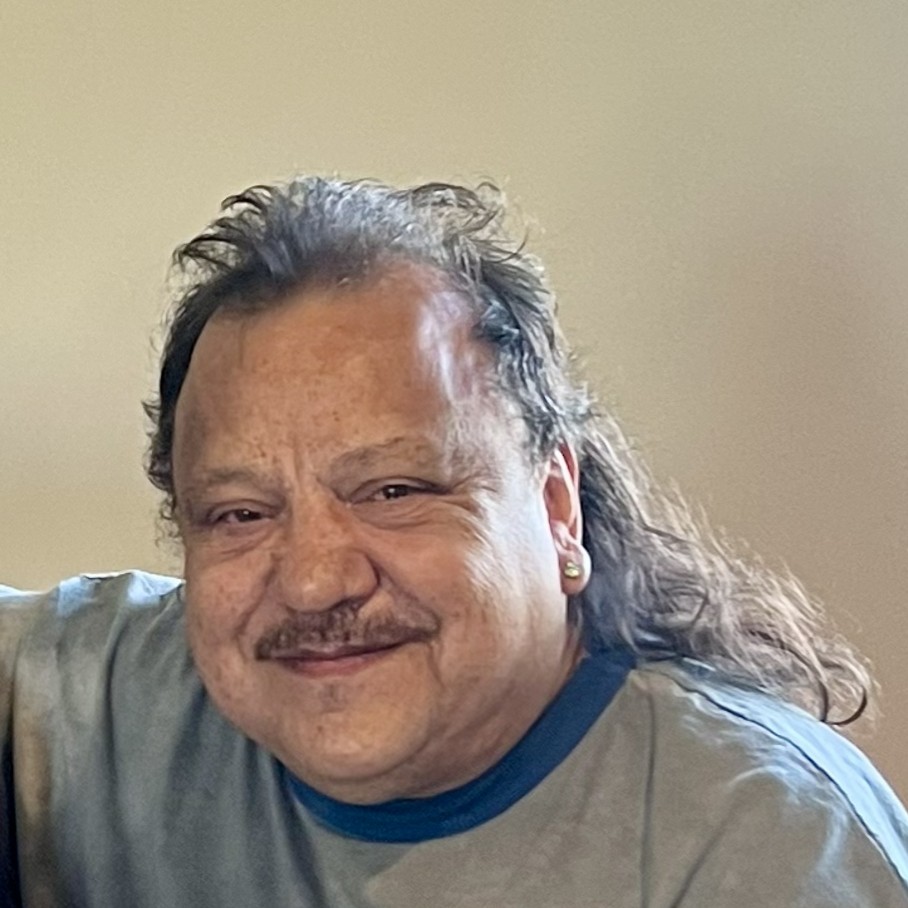
Gary Moostoos
My name is Gary Moostoos and is one of 11 children born to two Residential School students. I am Woodland Cree from Treaty 8 territory. Sturgeon Lake Cree Nation, Alberta home reserve. I have been an activist in many Indigenous issues including MMIW, Racism, Treaties, protecting Mother Earth and water, Pipelines and many others.
I worked 12 as a Liaison/Cree interpreter in a hospital and long term care facility in High Prairie, Alberta. Where health services are provided to a large Indigenous population, four reserves and 3 Metis' settlements. A place where I sat with Elders who shared the teachings he carries today. These teachings became the center of my Spiritual, Mental, Emotion, Physical and personal development growth.
For the next three years I helped coordinate the first National Indian Residential School conference. during the years when survivors came forward to start disclosing the treatments in the schools and the trauma's they endured and still live today and with-in their children, grandchildren and great grandchildren. I then worked for the next ten years with sexually reactive Indigenous children in care. providing Cultural/Traditional support to sexually abuse children in care. Also developing programs to help in the healing process.
Then the next ten years I worked with the homeless people as an in-house Cultural advisor for Boyle Street Community Service a non-profit organization. I provided support to the residential School survivors as they prepared and attended their Independent Process hearings.
Finally he came back full-circle and continued his work in the Royal Alex Hospital with the same duties I helped develop in the health care field.
Today I am semi-retired, still teaching, all willing to learn the life's lessons I learned the last 45 +years from Elders, Children, homeless, survivors and the rites that were passed down to me. Now living peacefully on his home reserve.