Minds in Motion: 2026 Gairdner Connects
The Canada Gairdner Awards recognize the world’s leading biomedical and global health researchers. At the 2026 Gairdner Connects, you're invited to hear directly from two award recipients whose work is shaping the future of health.
Featuring Dr. John D. Clemens and Dr. Michael Wozny
This event is open to the university and external community.
Date: Monday, Oct. 19, 2026
Location: Myer Horowitz Theatre, Students’ Union Building, 8900 114 St NW, Edmonton, AB.
Schedule:
1:30 p.m. - 3:15 p.m. Presentations and Q&A
3:15 p.m. - 4:15 p.m. Dean's reception with Drs. Clemens and Wozny
Undergraduate Student Session
This session is tailored to undergraduate students with an interest in health research. Dr. John D. Clemens and Dr. Michael Wozny will share insights from their career journeys and answer questions in an open Q&A.
Date: Monday, Oct. 19, 2026
Location: Myer Horowitz Theatre, Students’ Union Building, 8900 114 St NW, Edmonton, AB.
Schedule:
9:45 – 11:30 a.m. Presentations + Q&A
11:30 a.m. – 12:30 p.m Laureate reception with Drs. Clemens and Wozny
Questions? Email vdradmin@ualberta.ca.
About Dr. John D. Clemens
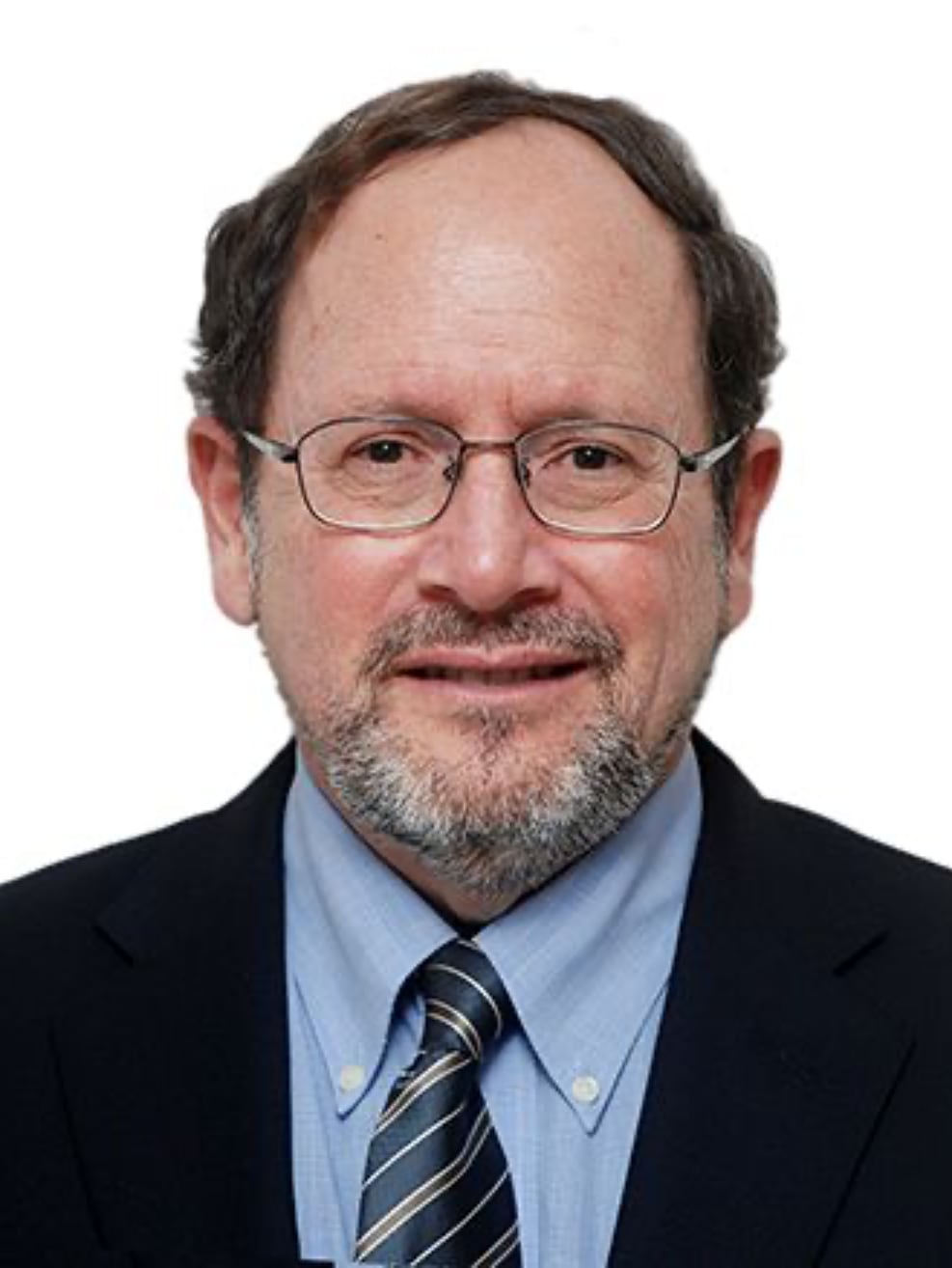
2026 John Dirks Canada Gairdner Global Health Award
Senior Scientific Advisor to the Director General, International Vaccine Institute, Seoul, South Korea
Adjunct Professor of Epidemiology, UCLA Fielding School of Public Health, Los Angeles, United States
Dr. Clemens is recognized for advances in understanding cholera disease and immunity, and for the development and evaluation of safe, effective, and affordable inactivated oral cholera vaccines that have enabled cholera control worldwide.
Learn more
About Dr. Michael Wozny

2026 Gairdner Early Career Investigator
Assistant Professor, University of Saskatchewan
College of Medicine Department of Biochemistry, Microbiology,
and Immunology
Director of the Protein Characterization and Crystallization Facility
Dr. Michael Wozny is recognized for his work to combine to advance cryo-imaging and tomography techniques, mapped the nanometer-scale architecture of yeast organelle contact sites and is now extending this multi-scale workflow at the University of Saskatchewan to map human host-pathogen assemblies for antiviral drug and vaccine development.