Pawan Sekhon: Student experiences at Hazelden Betty Ford Foundation
22 December 2025
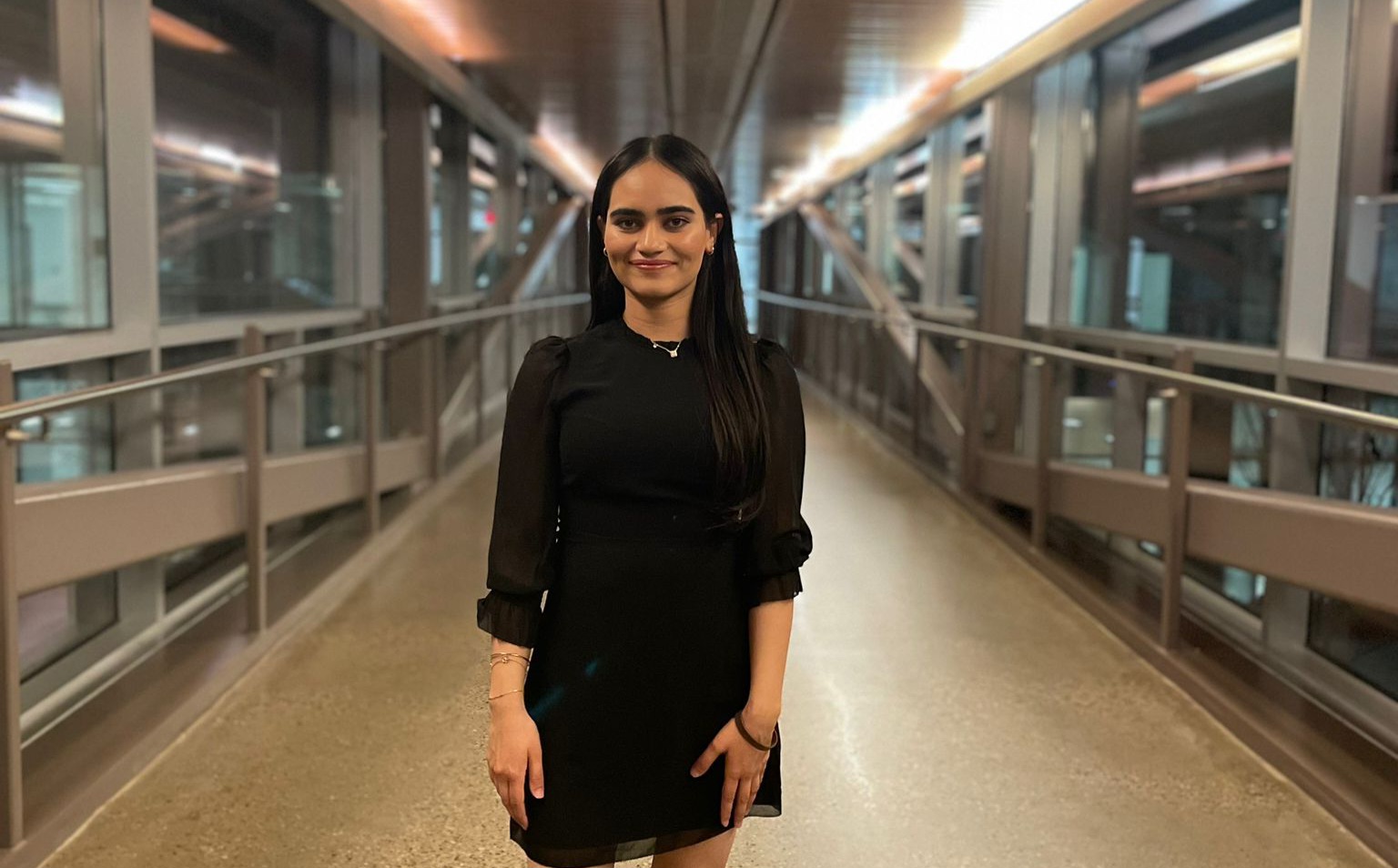 For Pawan Sekhon, a 4th-year pharmacy student, the path to becoming a pharmacist has always been about more than managing medications; it’s about becoming a visible, trusted advocate for those the healthcare system often overlooks.
When she had the opportunity to attend the Hazelden Betty Ford Foundation Substance Use Disorder Program, she knew she had to take it. By immersing herself in an environment defined by recovery and resilience, she gained a firsthand look at how compassion and harm reduction can transform patient outcomes.
Below, Pawan shares what led her to the world of pharmacy and how her time at Hazelden Betty Ford Foundation solidified her mission to provide equitable, dignity-first care.
Tell us about your experience at the Hazelden Betty Ford Foundation.
My experience at the Hazelden Betty Ford Foundation centered around professional development, compassion and advocacy. As a student, I was immersed in an environment where individuals openly shared their lived experiences with substance use disorder (SUD). Listening to these stories in a respectful, non-clinical setting allowed me to understand the complexity and humanity behind SUD in a way that no textbook could capture. I learned about recovery from the perspectives of patients and counselors and I gained a much deeper appreciation of the courage it takes for individuals to seek help. The experience reaffirmed the importance of meeting patients where they are, acknowledging their struggles without judgment, and recognizing how structural barriers, trauma and stigma shape their journey. I gained a clearer picture of what recovery truly looks like, including the barriers, the emotional work involved, and the resilience required to pursue healing.
What did you learn and/or what impacted you the most?
I learned that substance use disorder affects individuals across every demographic including ethnicity, gender, socioeconomic status and profession. De-stigmatization is not only about appropriate language; it requires us to examine our own internal beliefs and challenge the assumptions we may unconsciously hold.
Where did you experience the most personal growth through this experience?
My greatest personal growth came from forming relationships with participants over the week. Connecting with them as equals, not as a clinician, was incredibly valuable. Hearing their stories, vulnerabilities and resilience taught me the power of listening without an agenda. Those interactions demonstrated the power of listening without judgment and helped me appreciate that trust must be earned thoughtfully and respectfully.
Seeing recovery from the patient’s perspective also reshaped my understanding of what supportive care looks like. I learned that sometimes being present, listening deeply, and validating someone’s experience is just as impactful as clinical knowledge.
How will you apply what you learned to your professional and student life?
I will apply these lessons by approaching every patient encounter with more compassion, humility and patience. Many individuals, especially those living with stigmatized conditions, may struggle to express their challenges openly. This experience reminded me that the foundation of effective care is creating a safe space where patients feel heard, respected and supported. As a pharmacist, I will recognize that patients often bring a significant amount of insight and self-awareness to their health journey. My role is not always to educate but sometimes simply to understand, connect and provide tailored support. Every interaction, even a brief question, is an opportunity to build trust and acknowledge the person behind the medical issue. This experience also reinforced my commitment to harm reduction, trauma-informed care and advocacy for equitable access. These values will guide me throughout my career.
Would you recommend that students take part in these activities?
I strongly recommend students to engage in experiences like this, even if substance use disorder is not their primary area of interest. The learning is universally applicable across all areas of pharmacy practice. It broadens clinical and personal perspectives, challenges biases, and deepens understanding of social determinants of health, inequities and the complex factors that influence patient behaviour. Beyond clinical knowledge, it teaches foundational values such as compassion, humility, respect and empathy that shape the kind of healthcare professional you become.