Events
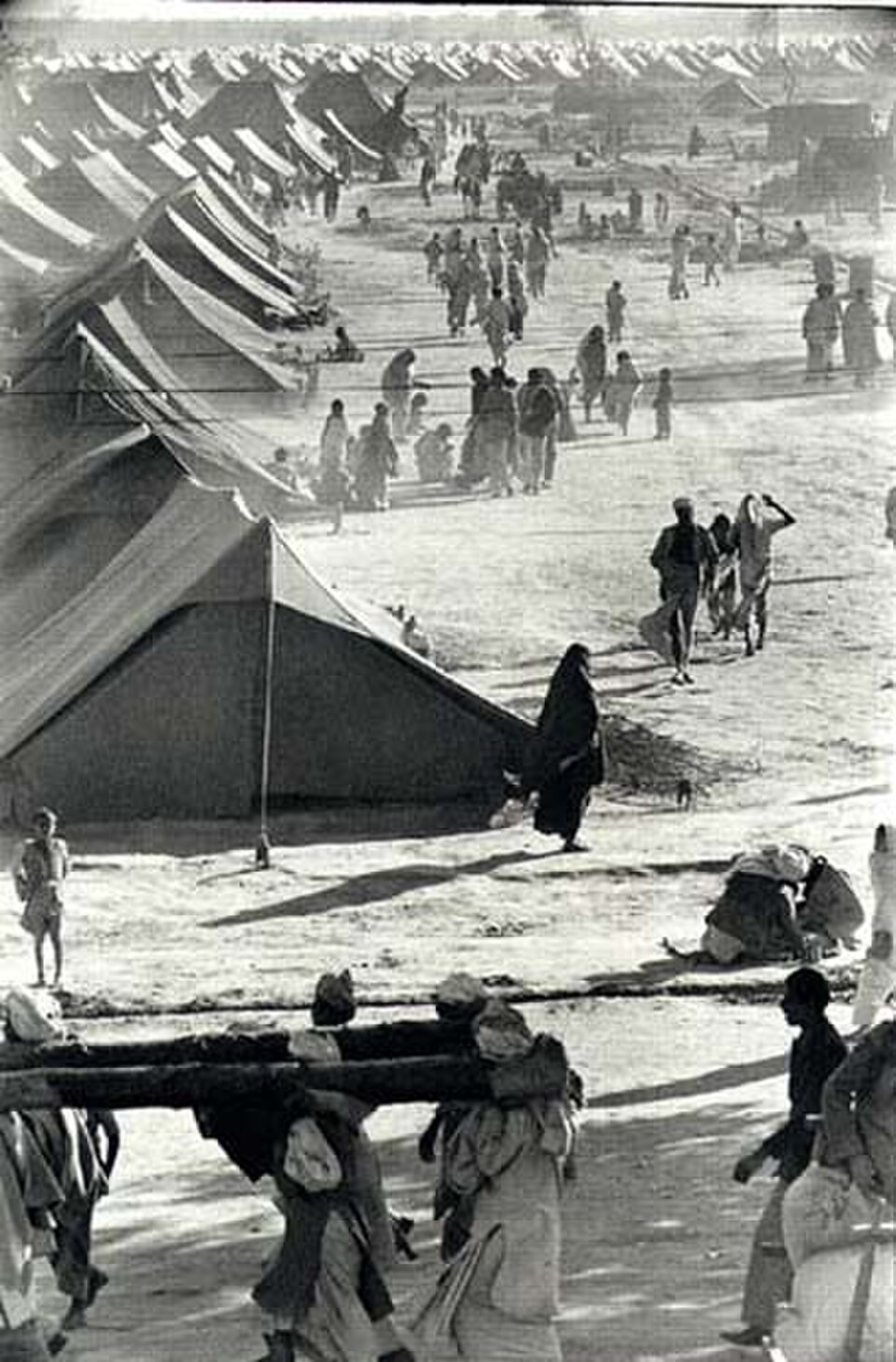
Talk: From Orientalism to the War on Terror: Transnational Logics of Muslim Dispossession
Speaker: Wajiha Mehdi, Postdoctoral Fellow, Political Science, University of Alberta
Thursday, October 29, 2026, 12:00 - 1:30 p.m. MT | Tory 10-4
Abstract: The global war on terror has forged transnational relations of violence in constructing Muslims as unfit national subjects, justifying their displacement from the national landscape. These anti-Muslim interlinkages between Western imperial and postcolonial nations can be traced to the nineteenth-century Orientalism, where Islam was cast “as a psychological deformation, not a ‘real’ culture or religion” (Said 1981). In this context, the “Muslim” question in colonial India and the transition to a postcolonial Indian nation simultaneously manifested as a “crisis of minority” and a “national security threat.” This paper addresses the crisis of Muslims as an unfit national subject in India and argues that the anti-Muslim apparatus and its violent interlinkages (intensified through the global war on terror) manifest beyond the authoritarianism/democracy dichotomy in postcolonial India’s nation-making. It addresses the dispossession of Indian Muslims across the political and legal landscapes and examines the Hindutva state’s anti-Muslim politics as an exercise of “territorial sovereignty.”
Bio: Wajiha Mehdi is a Killam Postdoctoral Fellow in the Department of Political Science. Her research centres on Muslims in India, with attention to how communities navigate and make meaning within contested urban spaces. She is committed to community-based inquiry and draws on anti-colonial and feminist participatory approaches. Wajiha completed her PhD at the University of British Columbia and has received several distinguished awards, including the Vanier Canada Graduate Scholarship, the International Development Research Centre Award, the UBC Public Scholars Initiative Award, and the Graduate Global Leadership Fellowship.
This talk is sponsored by EMIC and MEIS as well as the Department of Political Science.
Talk: Canada-China Relations at a Crossroads: Navigating Challenges and Shaping a Future Engagement Strategy
Speaker: L. Philippe Rheault, The China Institute
Thursday, October 29, 2026, 12:30 - 1:30 p.m. MT | Tory BW-2
Bio: L. Philippe Rheault assumed the leadership of The China Institute in 2023 following a 25 year career in the Canadian diplomatic service focused on China and East Asia. Over six postings, he served in Beijing, Taipei, Chongqing (twice), Mongolia, and Guangzhou. He led two of Canada’s four diplomatic missions in Mainland China, as the country’s inaugural Consul General to Chongqing (2012-2017) and later as Consul General for South China, based in Guangzhou (2019-2023). His current work explores how middle powers can navigate strategic competition between China and the United States.
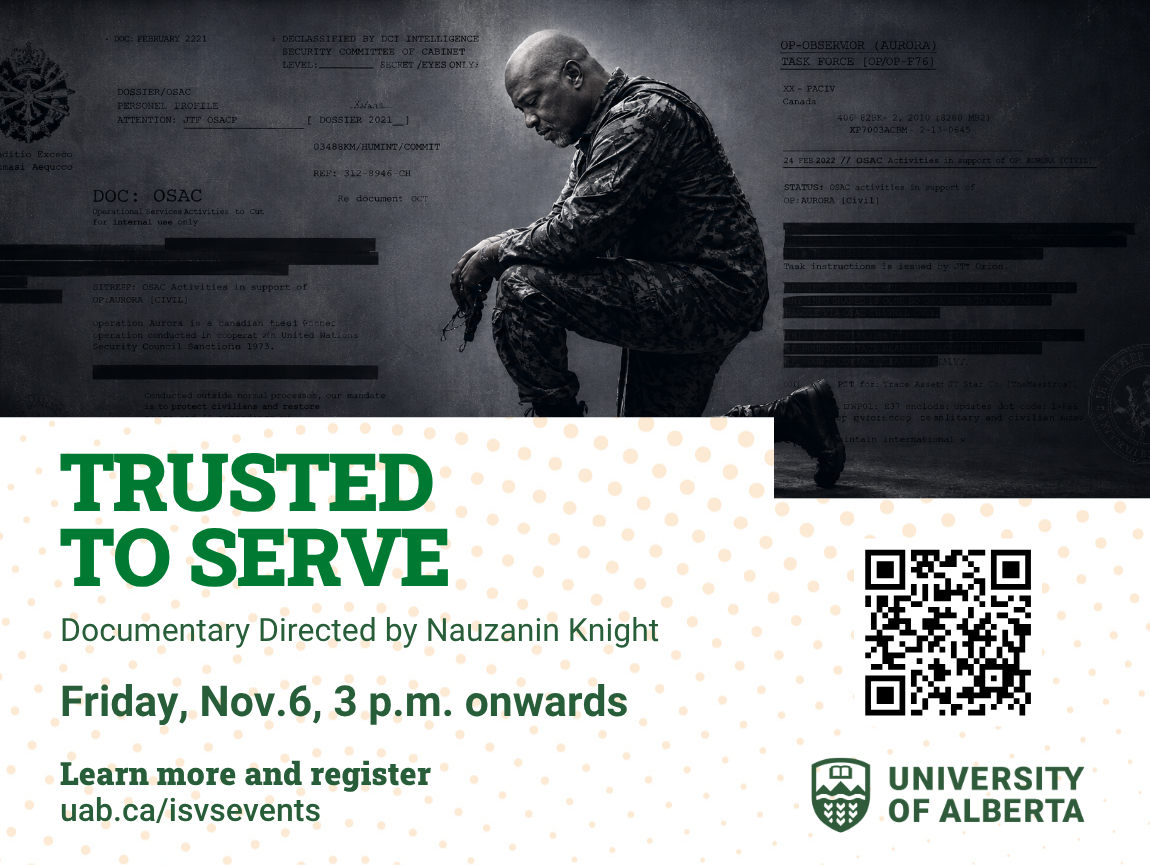
Trusted To Serve Film Screening
Friday, November 6, 2026, 3:00 p.m. MT | Telus 150
Join us for a special screening of TRUSTED TO SERVE, a one-hour documentary directed by Nauzanin Knight that investigates the presence of white supremacist elements within the Canadian military.
Featuring investigative reporting, access to classified and unclassified reports, and interviews with current and former military personnel, the film examines the persistence of racism and xenophobia in the 21st-century military.
Panel Discussion: Jared Wesley and Feodor Snagovsky will join a panel discussion following the screening to reflect on the film.
Hosts: Kule Institute of Advanced Studies, College of Social Sciences and Humanities, and the Department of Political Science
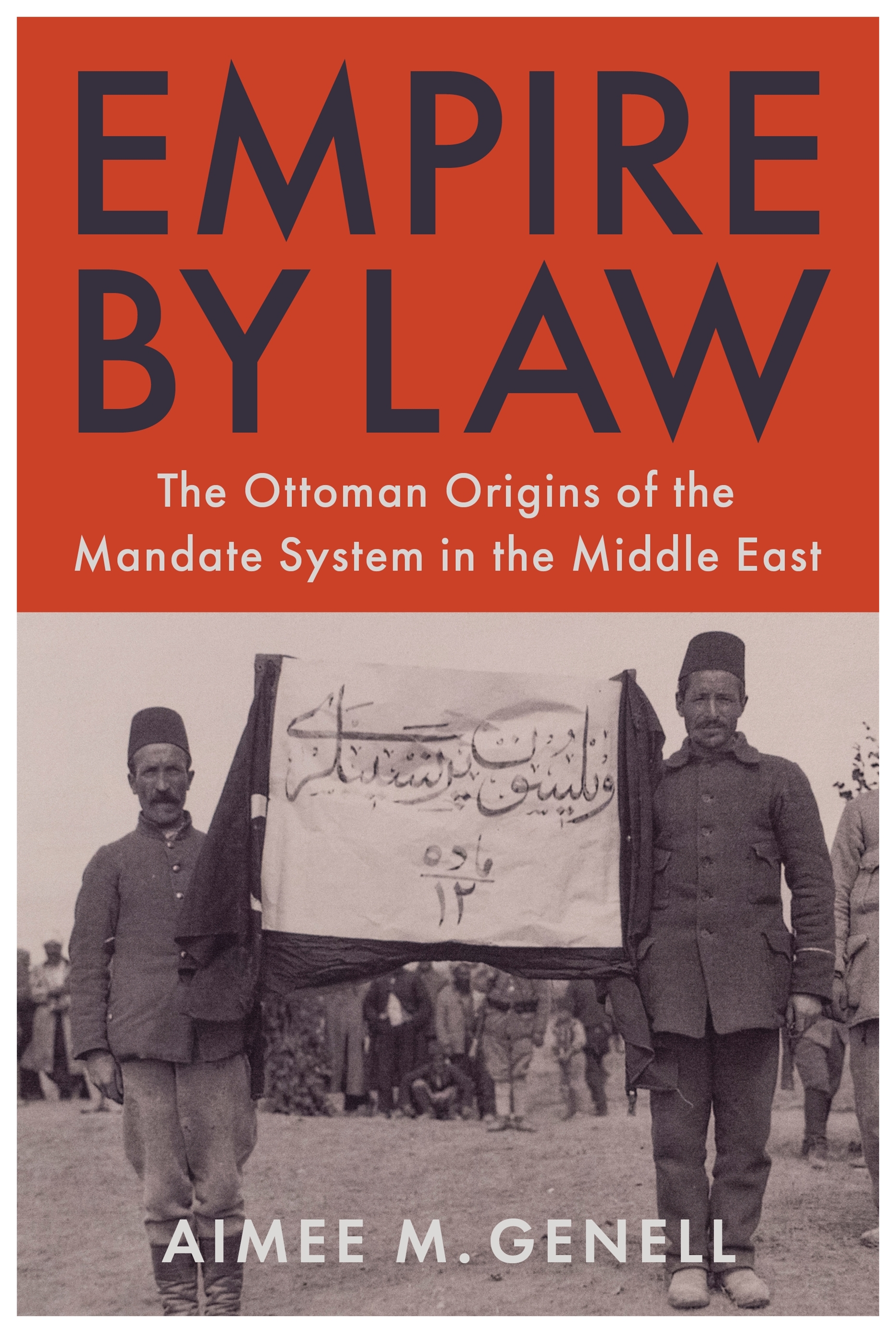
Book Talk: Empire by Law
Monday, November 16, 2026, Time and Location TBC
Join us for a conversation with author Aimee M. Genell
This exclusive book talk event for Empire by Law: The Ottoman Origins of the Mandate System in the Middle East will feature legal history expert Prof. Will Smiley, and the book’s author, Pardee School of Global Studies professor, Prof. Aimee M. Genell. Presented by the Wirth Institute for Austrian and Central European Studies, the Department of History, Classics, and Religion, the Department of Political Science, and the Faculty of Law at the University of Alberta.
Detailed information can be found at: https://www.ualberta.ca/en/wirth-institute/empire-by-law.html
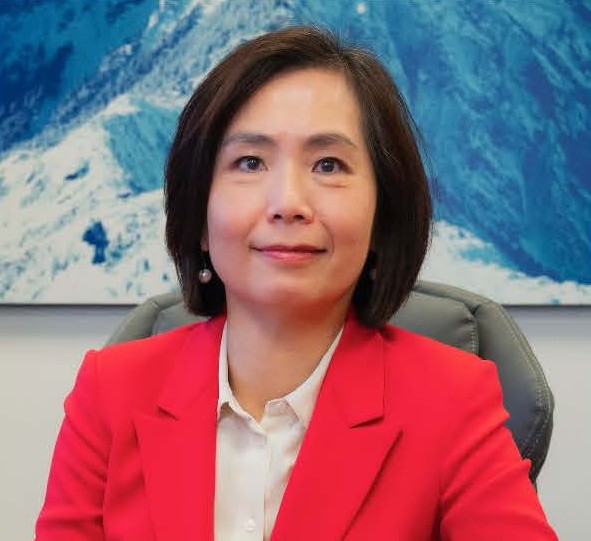
Talk: Strengthening Canada-Taiwan Ties: Opportunities and Strategic Pathways Forward
Speaker: Lihsin Liu, Director General, Taipei Economic and Cultural Office, Vancouver
Thursday, November 19, 2026, 2:00 - 3:00 p.m. MT | Online
Register Here!
The meeting link will be sent to you on November 16.
Biography: Lihsin (Angel) Liu assumed her post as Director General of the Taipei Economic and Cultural Office in Vancouver in October 2021. During her 28 years of foreign service with Taiwan’s Ministry of Foreign Affairs, she was posted twice in the United States, first in Houston, Texas from 2002 to 2008, and later in Los Angeles, California from 2012 to 2018. Prior to her current post, Director General Liu worked with the Institute of Diplomacy and International Affairs, the Deputy Foreign Minister’s Office, the Mainland Affairs Council, the Department of North American Affairs, and the Department of East Asian and Pacific Affairs. She holds a master’s degree from the Johns Hopkins University School of Advanced International Studies, with a major in China Studies and international economics.
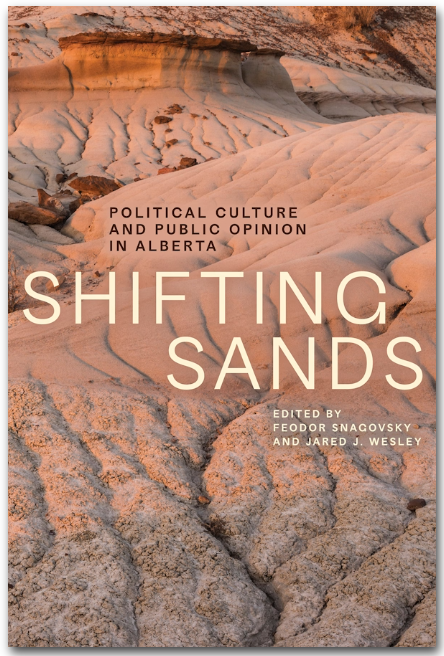
Book Launch: Shifting Sands: Political Culture and Public Opinion in Alberta edited by Feodor Snagovsky and Jared J. Wesley
Thursday, November 26, 2026, 4:00 - 5:30 p.m. MT | Tory 12-15
About the Book: Shifting Sands challenges the notion that Alberta is a conservative monoculture. Drawing on five years of survey data, the book offers fresh perspectives on how Albertans think about politics, themselves, and the province’s future. Chapters push beyond stereotypes and myths grounded in the province’s “wild west” past to show the complexity underpinning modern Alberta politics. Contributors examine the roots and rise of populism, separatism, polarization, and conspiratorial thinking, revealing how these factors have reshaped the province’s party system, policy landscape, and sense of community. Shifting Sands is essential reading for anyone seeking to understand where Alberta has come from and what lies ahead for one of Canada’s most turbulent provinces.
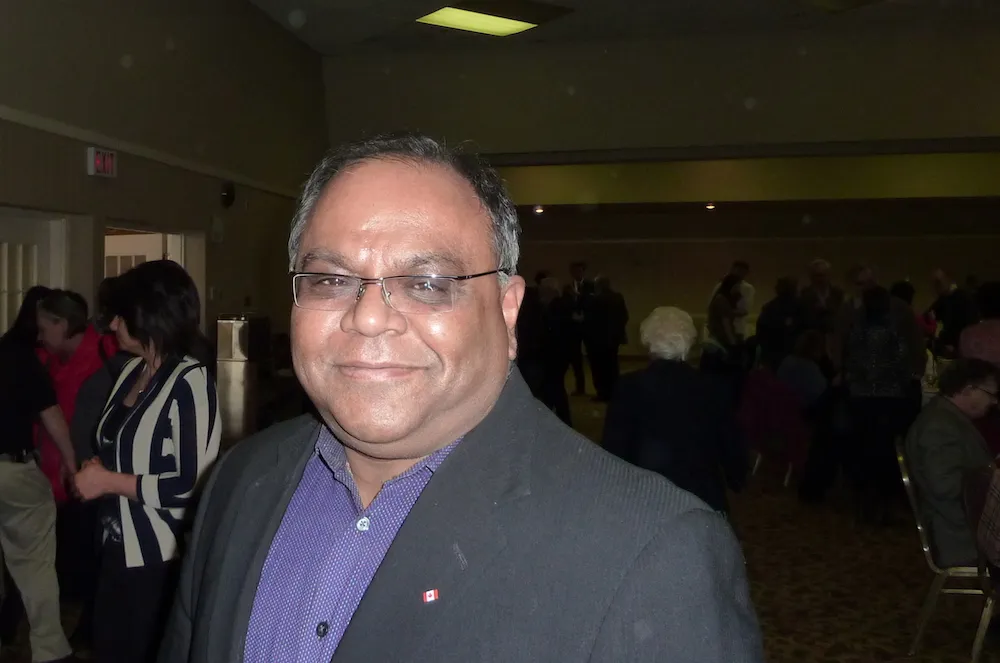
Satya Das, The Manifest of Hope: A New Social Contract for our Human Family
Tuesday, December 8, 2026, 1:00 - 2:30 p.m. MT | Tory 12-15
About the Book: At a time when the Trump administration is denouncing the world's battle against climate change as a hoax, it's easy to be depressed. The U.S. and a host of major corporations have shelved their efforts to replace carbon-spewing technologies with clean energy. Many countries around the world are now building their military defenses instead of planetary defenses. Despite years of international pledges, global efforts have failed to stop rising temperatures from endangering the planet.Yet this book argues that there is reason for hope. The author, a journalist and veteran of global climate conferences, says that even without the U.S., the efforts to make the world green and more fair, especially for the Global South, is an unstoppable force. The author aims to empower citizen leaders to push for tough and enforceable measures to save the planet and our species. "The future is a matter of choice, not fate," the author says. "Let us choose to lead."
The book will be available for purchase from the bookstore at the this event.