Mark Kreutzberger, PhD
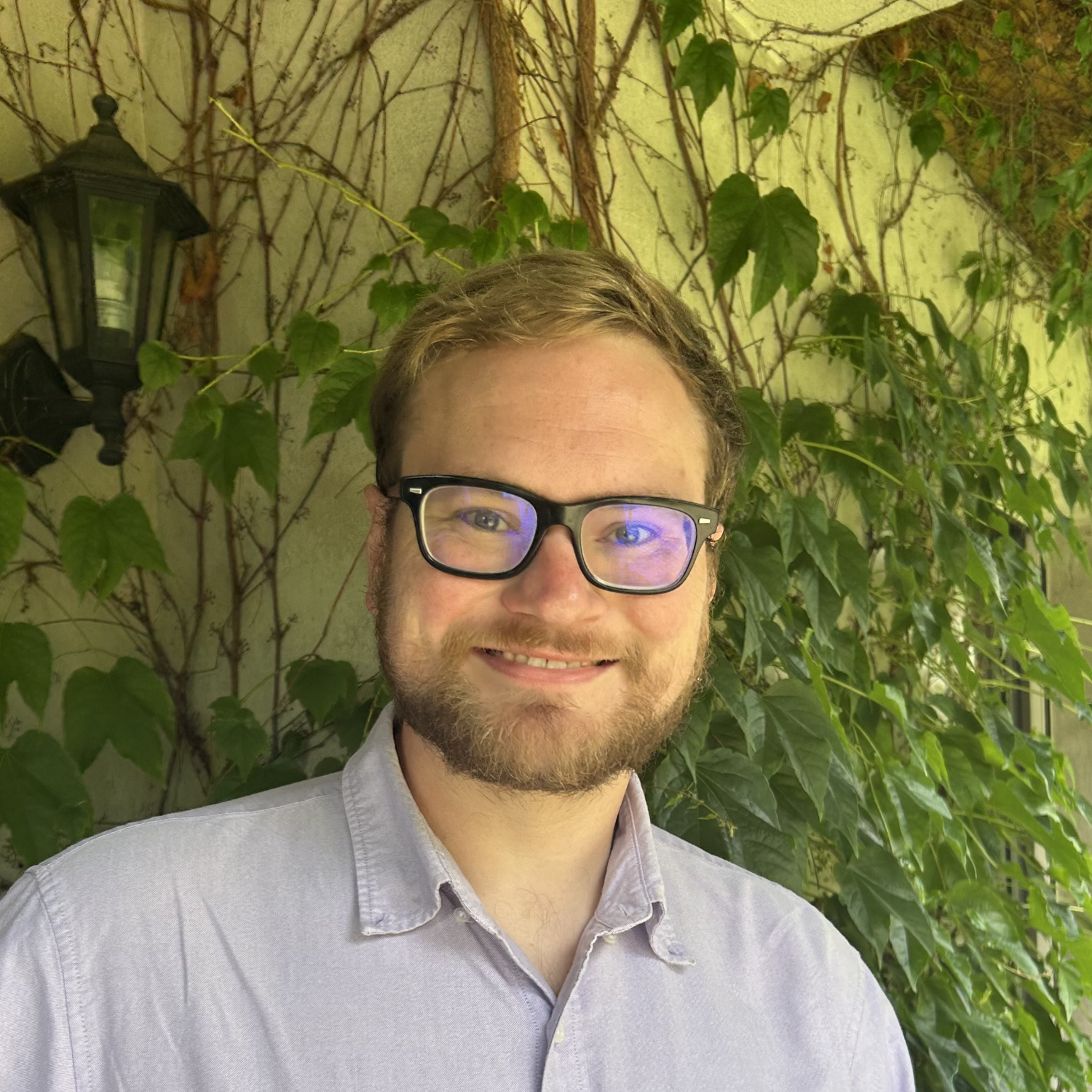
As a PhD student at the University of Virginia, Dr. Mark Kreutzberger became interested in using the powerful and revolutionary technique of cryo-EM to study the details of protein machineries that allow bacteria to better survive in their ecological niches. At the time the 2017 Nobel Prize had just been awarded to three of leading developers of cryo-EM (Dubochet, Frank, and Henderson) and Dr. Kreutzberger was excited about the potential of the methodology. As a result, he joined the lab of Dr. Ed Egelman, a pioneer in cryo-EM structural determination of large filamentous protein assemblies. Dr. Kreutzberger discovered new structural and functional details regarding species-specific structural adaptations of bacterial flagellar filaments - motor driven propellers that allow bacteria to swim. This included the flagella from several well-known pathogens. Dr. Kreutzberger remained in the Egelman lab at UVA as a postdoctoral researcher where he solved the first near atomic resolution cryo-EM structure of a collagen assembly – a “defense collagen” peptide assembly based on the immune system assembly known as C1q. Dr. Kreutzberger has had a number of publications in respected journals such as Cell, Nature Communications, PNAS, and ACS Central Science. The Kreutzberger lab uses cryo-electron microscopy and other complementary techniques to study the atomic structures of macromolecular assemblies from a wide range of biological systems. One major interest includes understanding the structural details of protein assemblies on the surface of bacterial pathogens. We are also interested in the structural and details of these assemblies’ interactions with host immune and extracellular proteins as well as the atomistic and molecular organization of mammalian extracellular assemblies relevant to immunity and diseases such as fibrosis.