Looking Back at SEC 2026
Connected for Success: Shaping the Student Experience
April 17, 2026 at Lister Centre
The 2026 conference explored how intentional connections between people, systems and ideas drive transformative impacts in post-secondary environments. Keynote speaker Dr. Danielle Peers (Tier II Canada Research Chair in Disability and Movement Cultures and U of A Academic Lead for Disability, Cultures and Access) delivered a powerful address titled "Disability Stories: Transforming student (and staff!) experiences."
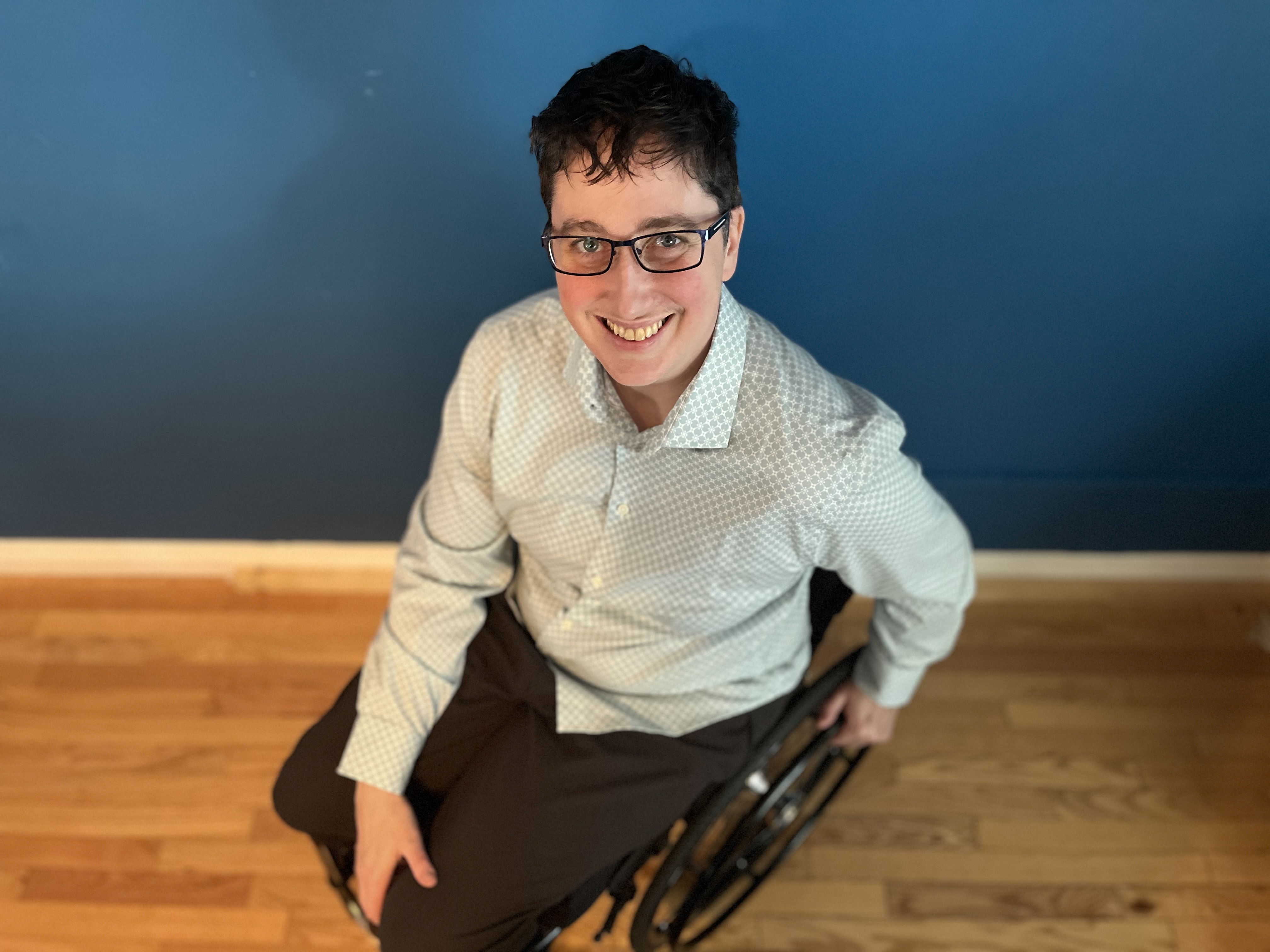
Dr. Danielle Peers (they/them) is a Tier II Canada Research Chair in Disability and Movement Cultures, an Associate Professor in the Faculty of Kinesiology, Sport, and Recreation at the University of Alberta, and the University of Alberta’s Academic Lead, Disability, Cultures and Access. Dr. Peers' research draws from their experiences as a Paralympic athlete, coach and administrator. Dr. Peers mobilizes intersectional critical disability approaches to study how embodied practices and movement cultures can be used to transmit and transform a community’s values, practices and inequities.
Take a look at last year’s conference program here.
Conference streams
Belonging, Equity & Inclusive Communities
- Supports for inclusion and equity
- Intercultural engagement
- Indigenization
- Accessibility
- Fostering community and belonging
Health, Well-Being & Safety
- Mental health initiatives
- Physical wellness and recreation
- Sexual and gender-based violence prevention
- Campus safety strategies
Career Development & Experiential Pathways
- Experiential learning
- Career development and employability
- Curricular and co-curricular partnerships
Leadership & Engagement
- Student and staff leadership development
- Student organizations
- Campus involvement
- Civic engagement
- Building transferable skills
Innovation, Strategy & Partnerships
- Innovative models of practice
- Cross-campus collaborations
- Technology in student services
- Service evaluation and assessment
- Evidence-informed decision making
Presentation formats
Presentations
15-minute presentation highlighting a specific project, practice, or research finding. Presentations will be grouped in sets of 2–3 under a common theme, followed by a dedicated time for Q&A with the audience.
Posters
Visual displays of research, programs, or initiatives for informal dialogue during dedicated poster sessions.
Workshops
60-minute interactive learning session focused on learning a particular skill on a relevant topic.
Panel discussion
3–4 panelists and one moderator speak to a specific topic impacting students, followed by Q&A (60 minutes).