2026 Speakers, Delegations and Special Guests
Special Guest of Honour: His Royal Majesty Nene Tetteh Wakah III
The Evolving Rhythms conference is honoured to welcome His Royal Majesty Nene Tetteh Wakah III, Paramount Chief of the Prampram Traditional Area and President of the Prampram Traditional Council in Ghana, as Special Guest of Honour. A respected traditional leader and advocate for unity, cultural continuity, and community development, Nene Tetteh Wakah III has played a central role in revitalizing key festivals and performance traditions in Prampram, including Kpledomi and Homowo, while calling for collaboration and peace across the Traditional Area.
Nene Tetteh Wakah III will attend the conference with an official entourage from the Prampram Traditional Area to explore how Prampram performance structures—music, dance, ceremonial protocols, and community‑based artistic practices—can be leveraged to build lasting, meaningful relationships with African, Caribbean, and Black communities in Edmonton, Alberta. As Special Guest of Honour, he will deliver a featured presentation on the role of Prampram’s indigenous performance systems in sustaining identity, transmitting intergenerational knowledge, and fostering transnational cultural ties between Ghana and the diaspora.
Throughout the conference, members of his entourage will participate in workshops, panel discussions, and collaborative sessions with artists, scholars, and community leaders. Together, they will engage in practical dialogue on co‑creating projects, exchanges, and platforms that honour Prampram traditions while nurturing reciprocal, long‑term partnerships with Edmonton’s ACB communities. Their presence at Evolving Rhythms signals a shared commitment to deepening cultural bridges between Ghana and Canada through performance, ceremony, and community‑driven innovation.
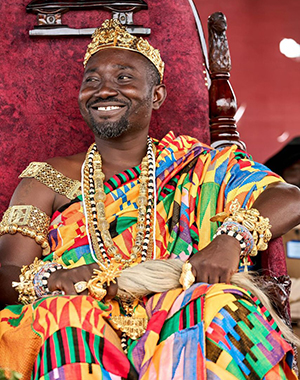
Nene Tetteh Wakah III
Paramount Chief of Prampram, Traditional Area, President, Prampram Traditional Council and Vice President Greater Accra Regional House of Chiefs
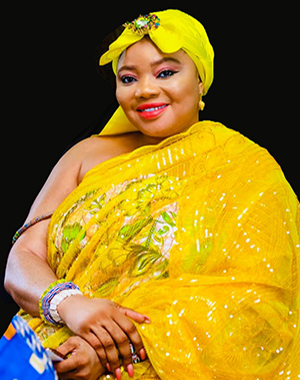
Emmaculater Parker
Wife of Nene Tetteh Wakah
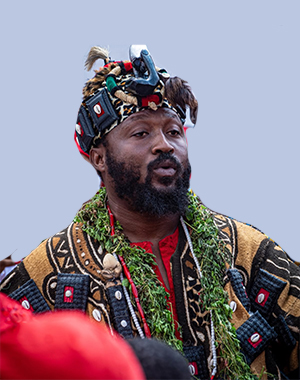
Richard Shamo Sackey
Prampram Paramount Stool father Regent
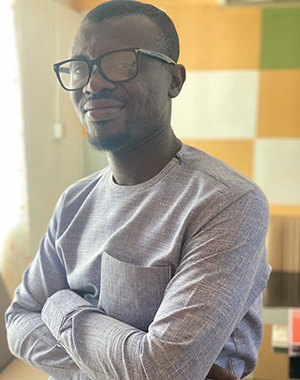
Enoch Addo
Registrar, Greater Accra Regional House of Chiefs
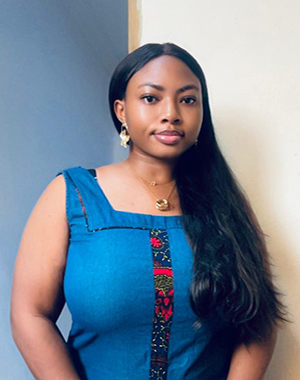
Jolita Awuni Simbarlah
Operations Manager, Nene Tetteh Wakah Foundation
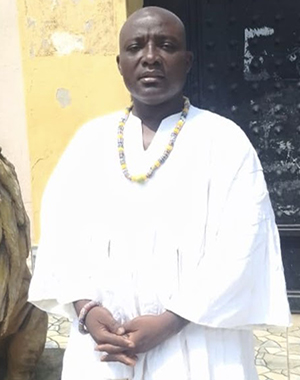
Joshua Commey Lartey
Asafo Leader/Youth Leader
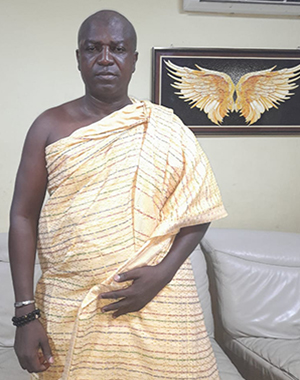
Emmanuel Cole
Aflangaatse/Security Chief
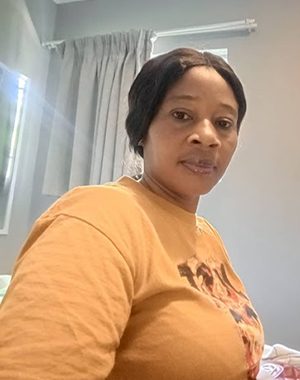
Diane Boateng
Executive Secretary, Nene Tetteh Wakah Foundation
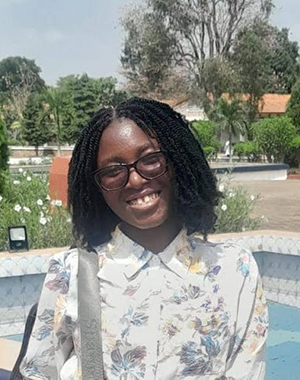
Abena Serwaa Amankwa-Kankam
Paramountcy Protocol Officer
Special Delegation from Barbados
“Legend to Legacy: Restoring and Revitalizing the Barbados Landship”
Abstract: The Barbados Landship is the island’s oldest living indigenous socio-cultural form/practice, keeping key aspects of African identity and way of life intact to this day. This article highlights its historical significance, current relevance, and the importance of its restoration and revitalization. Landship is central to understanding cultural identity in Barbados. How it has been marginalized is symptomatic of national attitudes toward certain sectors of the island’s culture. Now that Barbados is a Republic, how do we seek to acknowledge and recognize the Barbados Landship in ways that sustains its restoration and revival?
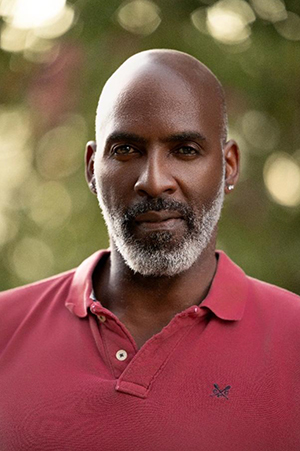
John Hunte
John Hunte PhD is a prominent Barbadian performer, arts activist, choreographer, and scholar with over 40 years of experience in the creative sector. He has been involved in the development of dance and cultural studies in Barbados and the wider Caribbean. I lecture in creative and cultural studies at UWI Cave Hill and tutor in dance, theatre and cultural studies at the Barbados Community College. He is Executive Director of the Barbados Dance Project and AD/Principal of Barbados Dance Theatre Company. I previously served as the National Cultural Foundation's Cultural Officer for Dance and was the Artistic Coordinator for CARIFESTA XIII in 2017.
Hunte graduated with a PhD in Cultural Studies from UWI Cave Hill, building on an MFA in Performing Arts Management, a BS in Dance, and a Diploma in Dance Theatre & Production.
Involvement in the Barbados Landship Tradition
Following from his colleague the late Gene Carson I have become known as a leading figure in preserving and formalizing the Barbados Landship. He served on the Barbados Landship Association’s Advisory Committee from 2012 to 2024. Hunte wrote the online teacher’s training manual for the Barbados Landship. Also, I designed and coordinated the first Landship teacher certification course in partnership with the National Cultural Foundation (NCF) and UWI. In addition, between 2023 and 2024. Hunte was invited to coordinate the National Landship in Schools Training programme to ensure the tradition's survival among younger generations.
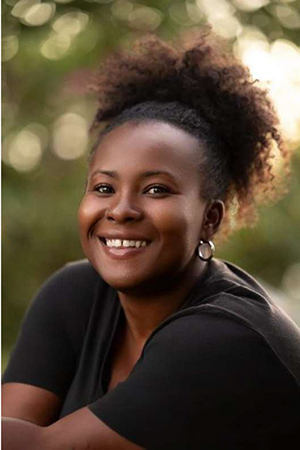
Keisha Dowridge
Keisha Dowridge is a Barbadian dancer, choreographer, educator, and creative director whose work spans performance, community arts, and film. With over a decade of experience in the performing arts, she has built a reputation for using dance as a tool for cultural expression, education, and social impact.
She began her dance journey at age 16 and went on to earn an Associate Degree in Dance from the Barbados Community College, where she trained in Ballet, Modern, and Caribbean Folk traditions under the guidance of distinguished practitioners including Gene Carson, Dr. John Hunte, Mary Waithe, Shama Harding, and Jennifer Sealy. She later earned a Bachelor of Fine Arts with First Class Honours in Creative and Performing Arts, as well as a Master of Arts in Creative Arts from the University of the West Indies, Cave Hill Campus.
A senior member of Dancin' Africa, Keisha has played a key role in the development and management of its performing companies while mentoring dancers across generations. Her choreographic work has been featured regionally and internationally, including the Barbados 50th Anniversary Monument (2016). She has participated in multiple CARIFESTA festivals and served as lead choreographer and performer at CARIFESTA XII in Trinidad and Tobago. Her international appearances include a performance in New York at an NBA game featuring the Brooklyn Nets and Toronto Raptors.
In 2023, Keisha expanded into film, making her directorial debut with the short film Mrs. Clarke s Brown House, which was featured at the European Film Festival and the UWI Cave Hill Campus Open Week (2024). That same year, she coordinated a major dance production for the Miami Carnival Activation. In 2024, she served as Anthem Ceremony Coordinator for the ICC Men's T20 World Cup in Barbados.
Deeply committed to cultural preservation and youth development, Keisha serves as a lead tutor and Commander with the Barbados Landship Association, where she mentors young performers. She has also led dance education initiatives, including a summer program at the Girls Industrial School.Special Guest: Dr. Emmanuel Cudjoe
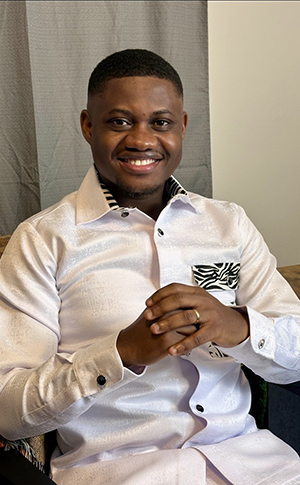
Dr. Emmanuel Cudjoe is an Assistant Professor of Dance at Ball State University and a distinguished Ghanaian dance scholar, educator, performer, choreographer, and musician whose work bridges embodied practice and academic research. Prior to joining Ball State, he served as Assistant Professor and ACM-Andrew Mellon Faculty Fellow in the Dance Department at St. Olaf College. He holds a Ph.D. in Dance Studies from Temple University, where his dissertation, From Palace to Academy: Embodiment, Transmission and Dis/continuation within the Asante Kete Dance of Ghana, examined the indigenous Asante Kete court dance system. He also holds a BFA in Theatre and Dance Studies and an MA in African Studies from the University of Ghana, as well as an MA in International Dance Knowledge, Practice, and Heritage through the Erasmus Mundus Choreomundus program. Born and raised in Ghana, Dr. Cudjoe brings deep indigenous knowledge and extensive international experience to his teaching, research, and creative work. His scholarship focuses on African and Afro-diasporic dance, Afrocentricity, oral history, curriculum design, decoloniality, intangible cultural heritage, ethnography, and the postcolonial politics of dance knowledge. Dr. Cudjoe is also a committed advocate for diversity, equity, and inclusion, and for using dance as a tool for cultural preservation and social transformation. Together with his wife, he co-founded Star That Shines, an NGO in Ghana that supports cultural education, performance workshops, and academic exchange programs between Ghana and international partners.
Speakers
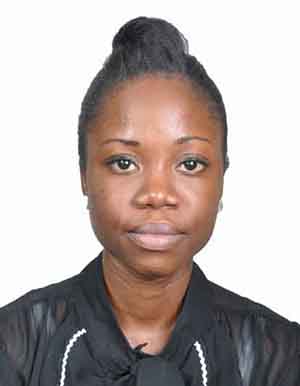
Agnes Afua Nyaanyowa Adomako-Mensah
Agnes Afua Nyaanyowa Adomako-Mensah is a PhD candidate in Museum and Heritage Studies at the Department of Archaeology and Heritage Studies, University of Ghana. She holds a Bachelor of Fine Arts degree and a Master's degree in Theatre Arts, with specializations in Music and Technical Theatre, respectively. Prior to her current doctoral studies, Adomako-Mensah served as a Teaching Assistant in the Department of Theatre Arts, University of Ghana, where she contributed to the development of academic programs and curriculum design. Her research interests encompass museum and heritage studies, cultural preservation, education, women and youth empowerment, racism, and identity politics. As a production designer, art curator, and performing artist, Adomako-Mensah explores diverse forms of art creation, often incorporating traditional Ghanaian elements such as drums, masks, symbols, and totems to address pressing social issues. Her work is characterized by a deep commitment to promoting cultural awareness, preserving Ghanaian heritage, and fostering social change. Through her artistic practice and academic research, Adomako-Mensah seeks to contribute to a more nuanced understanding of Ghanaian culture and society, while advocating for the importance of heritage preservation and cultural education in contemporary Ghana
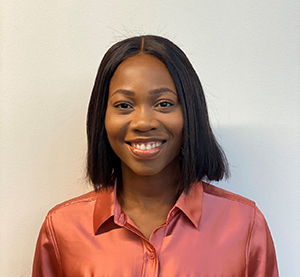
Gloria Ahlijah
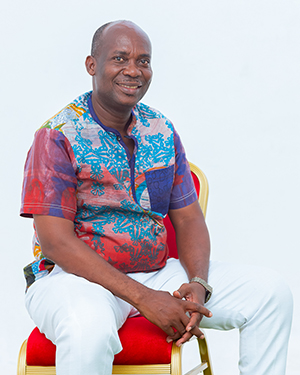
Benjamin Amakye-Boateng
Dr. Benjamin Amakye-Boateng is a Senior Lecturer and Head of the Department of Music at the University of Ghana, Legon. His research centers on African music, identity, performance practice, and digital approaches to the preservation of intangible cultural heritage, with particular focus on the music of the Tabom community and Ghanaian drumming traditions. He is active as a choral conductor, music director, and researcher, and has led numerous community-based and university ensembles in performance, creative production, and cultural education. Dr. Amakye-Boateng’s work engages ethnomusicology, digital humanities, and music pedagogy, contributing to scholarly discourse, archival innovation, and the sustainable transmission of Ghana’s musical heritage.
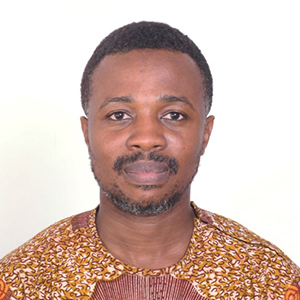
Kofi Anthonio
Kofi Anthonio is a practitioner, dance educationalist, choreographer and a PhD research fellow of the Institute of African Studies, University of Ghana. He holds an MFA degree in Dance. He has created many works and has performed extensively in Ghana and abroad. One notable instance where I performed and served as Associate Artistic Director for the National Dance Company of Ghana at the recent BAM festival in 2023.
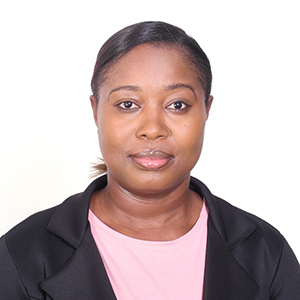
Patience Nana Akua Anthonio
Patience Nana Akua Anthonio holds a BFA degree in Dance and MA in Business administration at the University of Ghana. She is a researcher and a Banker at the same time. She performed at the BAM festival 2023 for the National Dance Company of Ghana.

Zahra Badua
Zahra Badua is a multifaceted artist whose work is deeply rooted in her love for dance, education, and the rich cultural heritage of the African diaspora. Her mission within the dance landscape is to preserve and celebrate the beauty and diversity of African and Caribbean-based dance forms. With extensive training in Traditional West African dance (Ghana and Guinea) and various West and Central African street styles, Zahra has performed, taught, and choreographed for numerous dance companies, schools, and events across Canada and the United States.
She is the founder of ZahraMoves, an educational and performance-based company. Its educational branch focuses on the historical, cultural, and artistic significance of African diasporic dances, while the performance branch provides a platform for emerging artists of color to grow, experiment, and develop their craft. Her skills also extend beyond the stage, where she works as a rehearsal director and stagemanager for numerous artistic projects across Toronto. Zahra currently serves as the Production and Engagement Coordinator for dance Immersion, a Black-led non-profit organization that produces, promotes, and supports dancers and dances of the African diaspora. Her breadth of experience enables her to navigate the creative process across performance, education, and administrative spaces. Zahra’s goal is to ensure that people are able to experience dance in meaningful ways while staying connected to their communities.
Anita Barnie
Anita Barnie has over seven years of experience in natural resources management, with specialization in forestry and climate change initiatives and research , She has a master’s degree in Climate Change and Sustainable Development and a bachelor’s degree in Natural Resources Management. She is a Forest Range Manager at the Forestry Commission of Ghana, and experienced in sustainable forest resources management and governance. She assists in ensuring that national and international social and environmental safeguards in REDD+ activities are adhered to ensure high-integrity carbon reductions for carbon crediting programmes in Ghana. She is a trained climate negotiator and a nominated technical expert reviewer. She has participated as a technical expert for the United Nations Climate Change in the Article 6 technical expert reviews of initial reports submitted under Article 6, paragraph 2 of the Paris Agreement in Bonn, Germany. She has a proven track record of working with diverse stakeholders, including government agencies, NGOs, and community groups on resource management issues. Anita is a 2024 Climate Vulnerable Forum (CVF) Youth Fellow. Her skills in communicating climate change through community engagement enable her to effectively support policy and governance reforms and research.
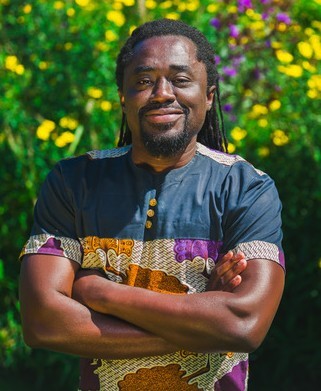
Mustapha Braimah
Currently an Assistant Professor of Dance at Mount Holyoke College and a faculty member of the Five College Consortium, Mustapha is deeply committed to teaching, mentorship, and fostering inclusive artistic spaces. His dynamic career includes directing the Dance Program at the University of North Carolina Asheville and performing globally with Azaguno Inc., under the leadership of Paschal Yao Younge and Zelma Badu-Younge. Blending contemporary, popular, and traditional African dance styles, Mustapha’s community-centered work promotes creative innovation, cross-cultural dialogue, and the transformative power of the arts in society.
Solomon Y. Dartey
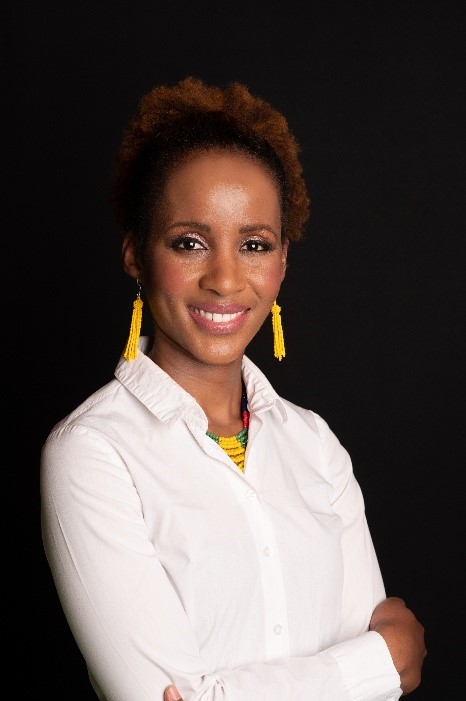
Lebogang Disele-Pitso Ph.D
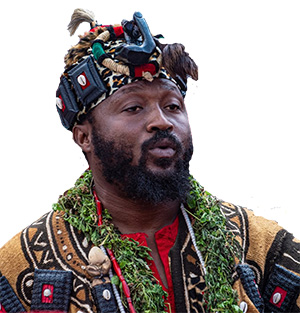
Setse Tetteh Djan IV (Richard Shamo Sackey)
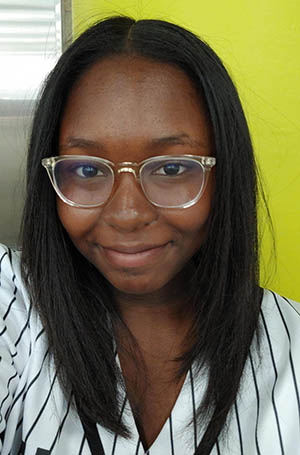
Jackie Waife Donker
My name is Jackie, I'm a grade 11 student residing in Fort Mcmurray. I am apart of the black student union at my school (Father Mercredi Highschool) and I am previous participant in African centres: Black Youth leadership program for the Cultural bridges project
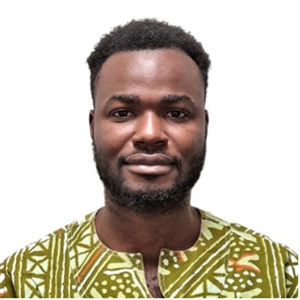
Mohammed Faisel
Faisal Mohammed (he/him) is a doctoral candidate in Heritage Studies at Arkansas State University, where his research examines the intersections of health, heritage, and community development in rural Black communities in the United States. His work explores how embodied practices, cultural knowledge systems, and heritage preservation contribute to community well-being and sustainable development. He holds an MA in Dance Anthropology from a four-university European consortium, including the Norwegian University of Science and Technology, the University of Szeged (Hungary), the University of Auvergne (France), and Roehampton University (UK). His interdisciplinary approach draws on dance studies, development anthropology, and heritage studies to center community voices and illuminate the vital role of cultural practices in health and resilience.
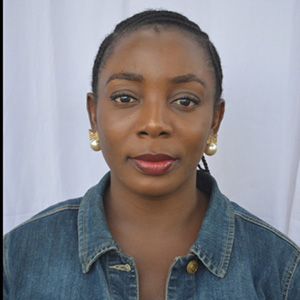
Aniekere Inyang
Aniekere Inyang is a first-year graduate student in Ethnomusicology at the University of Alberta whose research interest focuses on the Ibibio mbopo tradition of Akwa-Ibom State, Nigeria. Her work examines how mbopo songs, movements, and teachings shape and negotiate female identity within both homeland and diasporic contexts. Using ethnographic methods, oral histories, nethnography, and performance analysis, she explores mbopo as a living, evolving cultural practice that carries gendered knowledge across generations and geographies. Her work contributes to discussions in ethnomusicology, gender studies, African and diaspora studies, and anthropology, with particular attention to how text, rhythm, embodiment, and tradition construct female identity.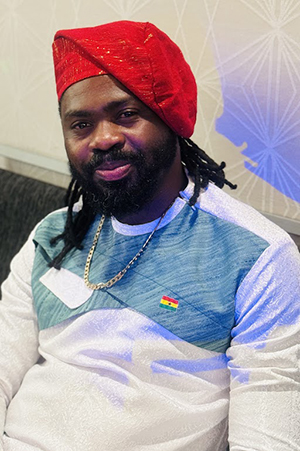
Adjetey Klufio
Adjetey Klufio, a leading voice in global dance pedagogy and practice, currently serves as an assistant Professor of Dance at Goucher College and is the Artistic Director of the Osagyefo Dance Company. His foundational mastery stems from a rigorous ten-yeartenure with Ghana's most prestigious ensemble, the National Dance Company of Ghana, The Ghana Dance Ensemble. During this formative period, he ascended to the ranks of Principal Dancer and Soloist, gaining profound expertise in the West African aesthetic and technique that forms the core of this study.
Transitioning to the United States, Adjetey successfully fused his traditional background with formal Western academic training, earning a Bachelor of Fine Arts in dance performance and choreography at Towson University, followed by a Master of Fine Arts in choreography from Wilson College.
His illustrious performing career is marked by international recognition and high-profile engagements. His professional credits with the National Dance Company include the rare distinction of having performed for three consecutive United States Presidents: Bill Clinton, George W. Bush, and Barack Obama. Further cementing his critical acclaim, his performance at the 2012 Dance Africa festival was
singled out by the New York Times as “spectacular and subtle.” Adjetey continues to shape the academic and cultural discourse, notably serving as a distinguished panelist at the Smithsonian Teaching Africa Day in 2025, where he shared his knowledge on the crucial intersection of African culture and education.

Uthman Khan
Uthman Khan’s research develops a theory of affective resonance that moves between embodied experience and institutional form. Working at the intersection of affect theory and sociocultural anthropology, he examines how emotions, expectations, and power circulate across bodies, organizations, and systems, linking micro-level experience with macro-level structures. His work is grounded in ethnographic research across musical, bureaucratic, and digital settings, with implications for understanding leadership, organizational culture, and institutional change.

Deborah Kissi
Deborah Kissi is a Ghanaian-Canadian multidisciplinary artist and medical research professional with extensive experience across academic, clinical and community based research settings. Currently at the University of Alberta, she contributes to genetic, haematology and rheumatology research affecting women and the pediatric population.
As a dance artist, Deborah is a performer, choreographer and teacher. She bridges specific traditional West African movements with contemporary, worship dance and Afro-fusion expression in her work. Her work explores how dance acts as a dynamic language of belonging, restoration, and cultural continuity. Informed by her grounding in health psychology, she understands movement as a therapeutic vehicle for holistic wellness, positioning dance as both an individual and collective site of liberation. Her practice is anchored in cultural memory, embodied narrative, and the preservation of African diasporic narratives. Her passion for the arts community inspires her to collaborate, innovate, and cultivate spaces for identity formation, expressive freedom, and transformative healing.
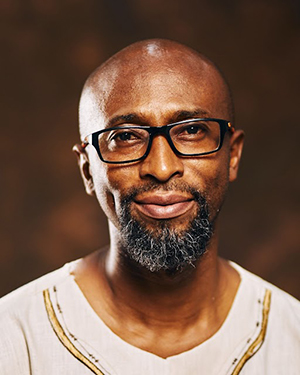
Alfred Elikem Kunutsor PhD
Alfred Elikem Kunutsor is an arts educator, performer, performance maker, and project leader. He is interested in harnessing the transformative power of performance through co-creation with natural, cultural, and societal phenomena. His work in creative arts somatic education spans Ghana, South Africa, and Germany. Elikem has lectured in Movement Studies at the Wits School of Arts, Wits University, and the Centre for Theatre Dance and Performance Studies, University of Cape Town- South Africa, where he obtained his PhD in Theatre. He has taught Performance Studies and Design in the Theatre Arts Department at the University of Ghana. Additionally, he served as the Head of the Creative Arts Department at Tema International School-Ghana. Elikem is also the artistic director of Meraki Arts Africa Ltd in Ghana.
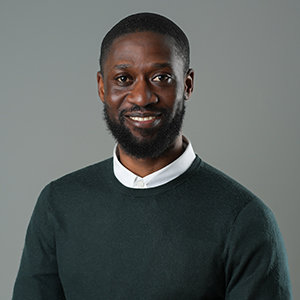
Erik Gyamfi Kwarteng
Eric Gyamfi Kwarteng is an archaeologist and psychologist with five years of professional experience, working at the intersection of material culture and human behavior. Eric started basic education at the St. Patrick´s Junior High School, continued to St. James Seminary and Senior High School all in Sunyani in the Bono Ahafo Region of Ghana. He furthered at the University of Ghana in Archaeology, Psychology and Philosophy and is currently pursuing masters in archaeology specifically prehistory at Freie University in Berlin.
Kwarteng, had previously worked with the Institute of Statistical Social Economic Research Center (ISSER) at the University of Ghana as a research assistant and now works for the German (Deutche) Archaeology Institute (DAI) as he is responsible for data documentation and the publishing of research works on the communication department´s website.
His research draws on both archaeological evidence and psychological theory to better understand how past societies shaped patterns of thought, behavior, and social organization. Through this interdisciplinary approach, Eric aims to make scholarly insights accessible while contributing to broader discussions on human experience across time as he believes in continuous learning.
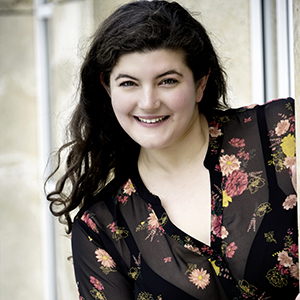
Natasha Martin
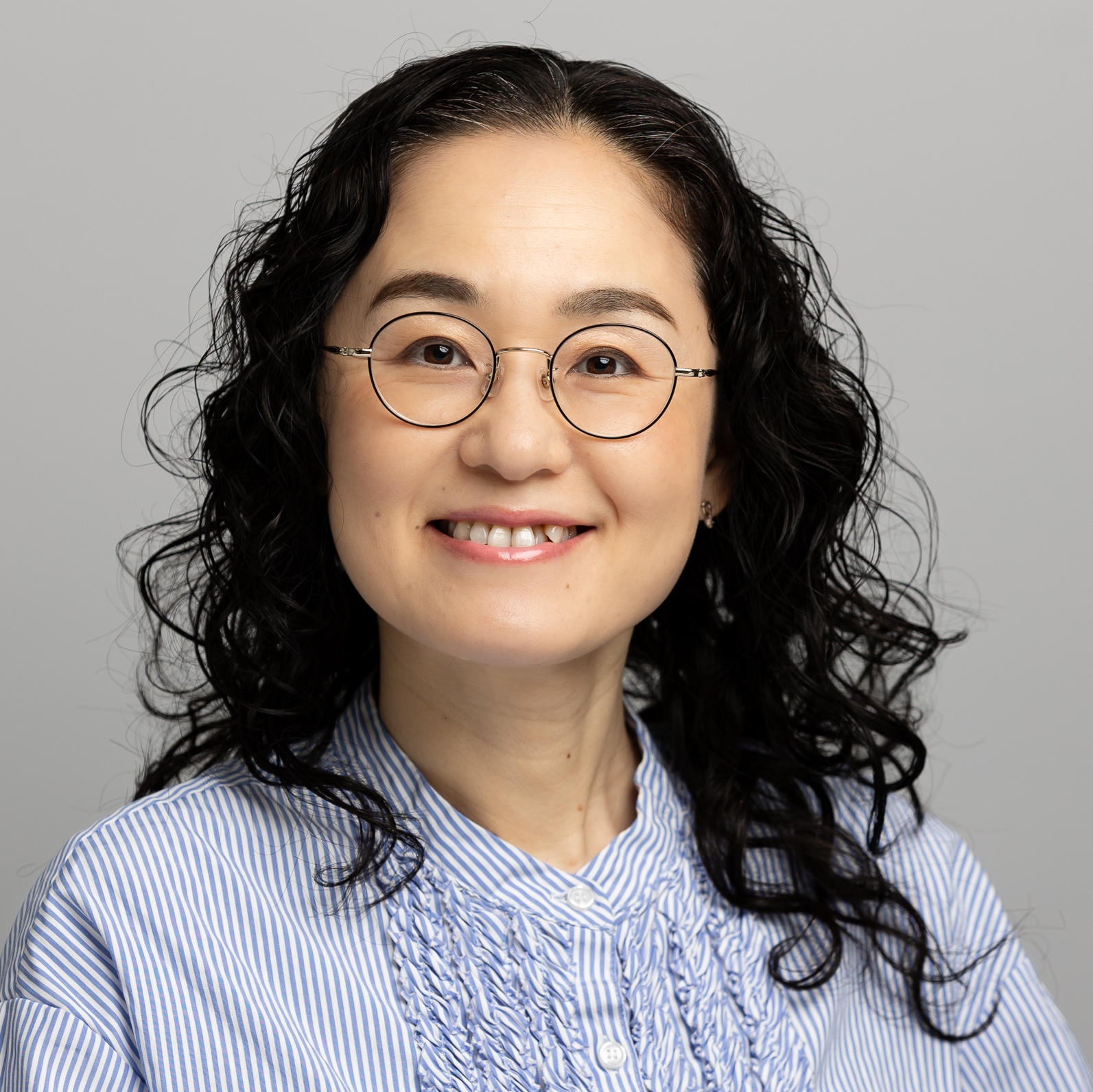
Miho Matsushita
Miho Matsushita is a Master’s student in the M.A. in Music program at the University of Alberta, with a primary research focus on ethnomusicology. Her work centers on African children’s musical cultures, particularly play songs as communal artistic practices and systems of musical transmission.
She holds an M.Phil. in Music from the University of Ghana, where she conducted ethnographic fieldwork on Ewe children’s play songs (fefehawo) in Ziope, southeastern Ghana. Beginning in 2004, she carried out multiple periods of fieldwork involving participant observation and audiovisual documentation in both school and community settings. Her research examines how singing, clapping, body movement, lyrics, and game procedures interact to create complex cross-rhythmic and kinesthetic musical structures, highlighting musical elements as integral components of children’s play.
Matsushita also holds a B.A. in Music from Kunitachi College of Music, Tokyo, with training in electric keyboard organ performance and music education. In addition to her academic work, she has over 25 years of teaching experience in Japan, Zimbabwe, and the United States. Her pedagogical practice integrates African music and children’s play songs into music education to foster embodied learning, creativity, and cross-cultural understanding.
Her research interests include African music, children’s play songs, music in the African diaspora, music education, and World Music Pedagogy. Through her work, she seeks to foreground children’s musical play as a vital form of cultural heritage that sustains community, creativity, and cultural identity.
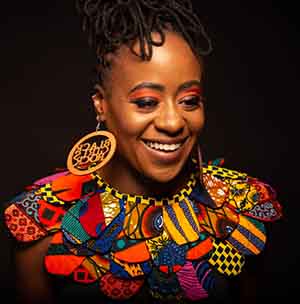
Collette Murray
Collette “Coco” Murray is an award‑winning dance artist-scholar, cultural educator whose work bridges African and Caribbean diasporic traditions with community centred practice and culturally relevant pedagogy (www.misscocomurray.com). Rooted in the rich aesthetics of West African, Caribbean folk, carnival arts, and stilt-dancing, Murray’s performance and choreographic work reclaims cultural narratives and centers Black artistic excellence. Her scholarship and public speaking advance conversations on equity, representation, and decolonizing arts spaces, positioning her as a respected voice in the national arts landscape. Currently pursuing a PhD in Dance Studies at York University, Murray holds a Master of Education, a Specialized Honours BA in Race, Ethnicity & Indigeneity, a Certificate in Anti-Racist Research and Practice from York University, and a BA in Sociology from the University of Toronto.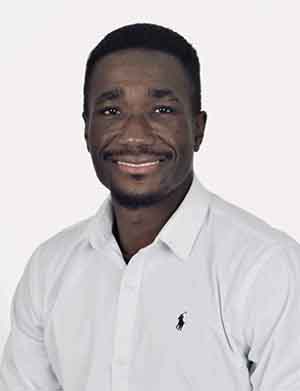
Joel Opoku-Tham
Joel Opoku Tham is a basketball player development coach and sport & mental performance specialist with an academic and practical focus on youth development through sport. He holds an ERASMUS Master’s degree in Sports and Exercise Psychology from the University of Thessaly (Greece/Germany) and a Bachelor’s degree in Sociology & Geography Psychology from the University of Ghana.
He is an ENYSSP member and currently serves as Head Player Development Coach for youth and elite teams at VfL 1848 e.V., Germany, while also competing as a professional basketball player. His experience spans basketball camps across Germany, coach education, refugee mental health interventions through sport in Greece, and youth empowerment programs in Ghana, including NBA Africa and WNBA-hosted initiatives.Coach Joel is an active researcher and speaker, with published work on character development through sports in West Africa and presentations across Africa and North America. His mission is to integrate basketball, mental skills training, and education to develop resilient, confident, and purpose-driven young athletes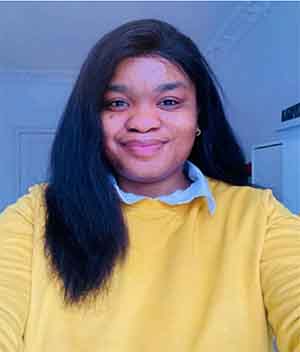
Margaret Joel Opoku-Tham
Margaret Joel Opoku Tham is a multidisciplinary professional with experience in team management, operations, marketing, and customer relations across sports, fitness, and service-based organizations in Ghana and Germany. She has led initiatives in team development, public relations, event planning, and club growth, fostering strong relationships between athletes, coaches, media, and partners. Her work includes brand partnerships, fundraising, endorsements, and strategic promotion to enhance organizational visibility and sustainability. With hands-on experience in operations, stock and payment processing, customer service, and social media marketing, Margaret has managed campaigns across Instagram and Facebook, Twitter ,supported sales reporting, and contributed to data-driven decision-making. She has also worked in fitness and cycling studios, ensuring safety, customer comfort, retention, and high-quality service delivery. Margaret brings strong skills in communication, design, coordination, and cultural engagement, supported by multilingual abilities and a passion for sports, fitness, event planning, and creative problem-solving.
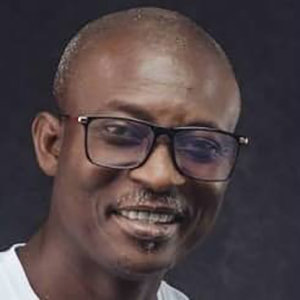
John Edmundson Sam
John Edmundson Sam is a faculty member in the Department of Theatre Arts, School of Performing Arts, University of Ghana, Legon. He specializes in music and sound design, theatre production and management, and technical theatre practice, with a strong emphasis on integrating theory and practice in creative arts education. He teaches Sound Design: An Introduction, Sound Design and Production, and Technical Theatre Technique (Sound Design Option). He also co-teaches Musical Theatre, Internship, Literary Orientation to the Theatre, Basics of the Living Theatre, and Theatre Workshop. His teaching philosophy is grounded in the belief that active engagement through the integration of theoretical frameworks and practical application fosters deeper learning and creative excellence among students.
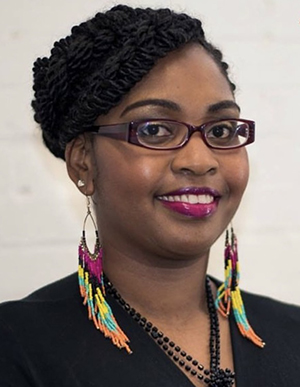
Lesley Waldron
Lesley Waldron is a Trinidad and Tobago–born arts ambassador, interdisciplinary dance artist, and community practitioner whose work centers African and Caribbean embodied knowledge systems. She began her dance training at the age of five and has cultivated a diverse practice spanning over 35 years, with formal training in Theatre, Modern Dance, Caribbean Folklore traditions, and West African dance forms.
In 1993, Lesley joined Sankofa, a Toronto-based West African dance collective dedicated to community education and cultural preservation through traditional dances from Ghana. Guided by the Sankofa principle—“to go back and retrieve”—this philosophy continues to inform her artistic and pedagogical approach, grounding her work in cultural memory while creating space for learning, healing, and collective expression.
In 2007, Lesley pursued advanced professional training in Ghana, earning a Bachelor of Fine Arts with a specialization in African Dance and Theatre and an academic focus on community development. Her work integrates performance, pedagogy, and community-based arts practices as tools for empowerment, knowledge transmission, and social engagement. Lesley continues to employ dance and interdisciplinary art forms as mechanisms for education, cultural continuity, and social change within diverse communities.
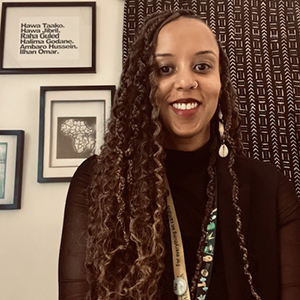
Sagal Yusuf
Sagal Yusuf (she/her) is a Somali - Canadian Social Justice Educator, Writer and Consultant, who is currently based in Amiskwaciy Waskahikan. Her work focuses on identifying and implementing innovative and meaningful strategies for redressing inequity and fostering community resilience.
Sagal holds a Bachelor of Arts degree from the University of Alberta and a Master of Education degree from the University of Toronto. Her writing and practice is informed by many themes including; human rights, oppression, feminist praxis, identity, belonging, cultural production and storytelling.